Lighting the Lens: The Art & Science of Broadcast-Ready Live Events
The Two-Audience Challenge
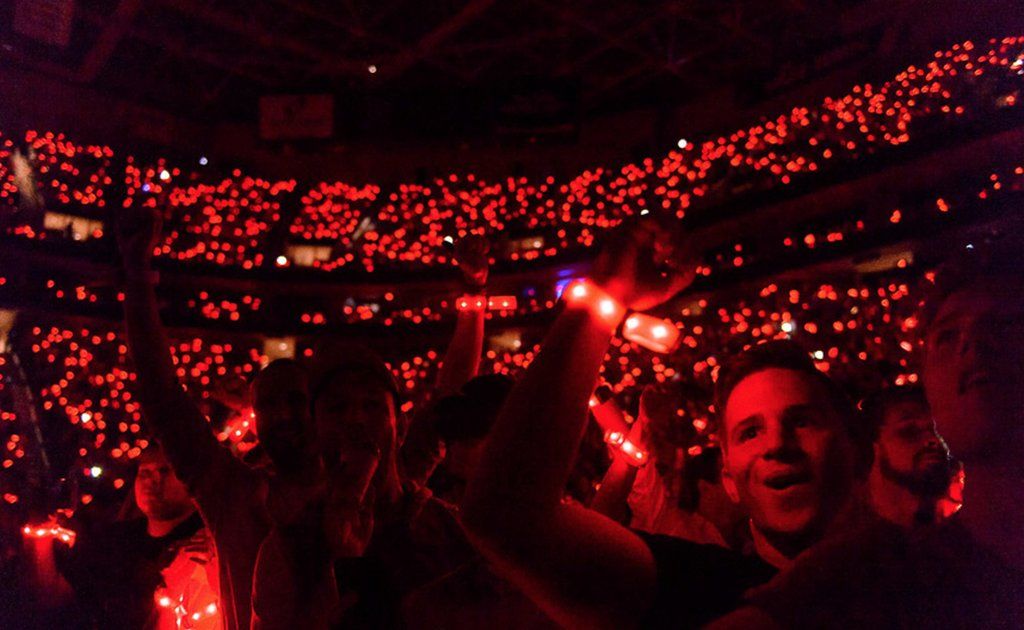
In the world of live production, there’s a fundamental challenge that has become increasingly critical in our hyper-connected era: designing an experience for two distinct audiences. There’s the immediate, visceral energy of the people in the room — the ones who feel the bass in their chests and the collective roar of the crowd. Then there’s the broadcast audience, watching through the unflinching, high-definition eye of a camera lens. These two audiences perceive light, color, and motion in fundamentally different ways.
Lighting for the human eye allows for high contrast, deep shadows, and rich, saturated colors that might not translate well on screen. The camera, on the other hand, demands a more nuanced approach. It requires careful consideration of color temperature, flicker rate, and dynamic range to avoid blown-out highlights, crushed blacks, or distracting visual noise. This is the art and science of lighting for the lens, a discipline that transforms a live spectacle into a flawless broadcast enjoyed by millions worldwide.
The Camera Sees Differently: Technical Considerations for Broadcast Lighting
Modern broadcast cameras are incredibly sophisticated, but they don't interpret light the same way our eyes do. A production that looks spectacular in person can appear flat, overexposed, or riddled with technical glitches on screen if not lit with the camera in mind. Success requires a mastery of the technical details.
Color Temperature and White Balance
A camera needs a consistent white balance to reproduce colors accurately. Unlike the human brain, which automatically adjusts to different light sources, a camera needs a reliable reference point. A mix of lighting with conflicting color temperatures can confuse the camera’s sensors, resulting in unnatural skin tones and skewed palettes. Effective broadcast lighting design establishes a consistent color temperature, ensuring that what the broadcast director sees on the monitor is a faithful representation of the live environment.
Flicker-Free Performance
One of the most common pitfalls of using LED technology on camera is flicker. Many LED products have a refresh rate that is imperceptible to the human eye but can create distracting banding or strobing effects when filmed, particularly in slow-motion replays. Professional, broadcast-grade LED event technology is engineered to be flicker-free, with high refresh rates that guarantee a clean image for both live-action and high-speed capture. This is a non-negotiable for any serious broadcast, from game shows like ITV’s Beat The Chasers UK to major sporting events.
Painting with People: The Audience as a Canvas
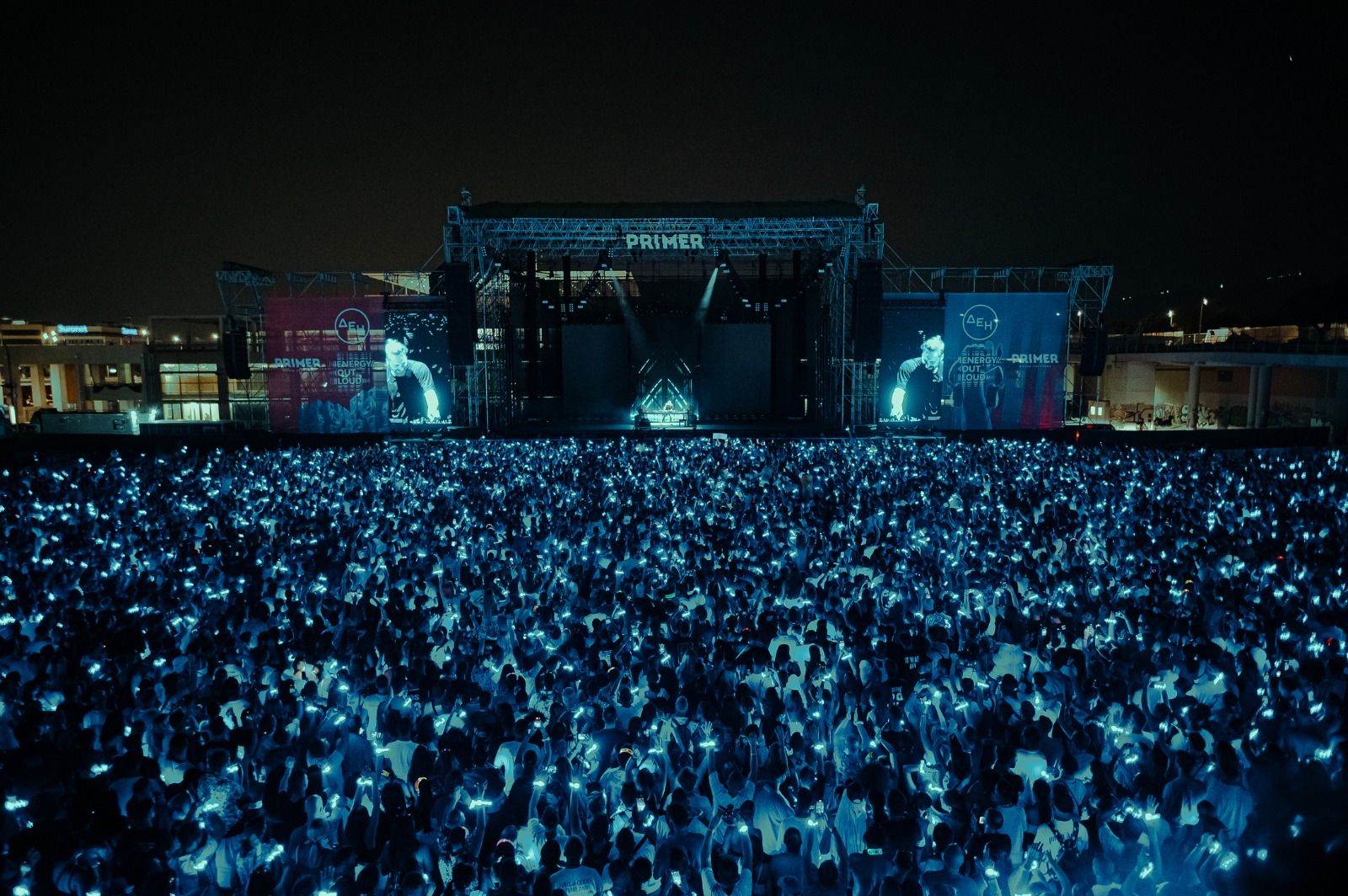
For decades, the audience was a passive recipient of the light show. Today, they are the canvas. Technologies like radio controlled LED wristbands have completely transformed the producer’s toolkit, enabling them to integrate the crowd directly into the broadcast’s visual design. This is no longer just about creating an atmosphere; it’s about crafting a dynamic, living backdrop that enhances the on-screen narrative.
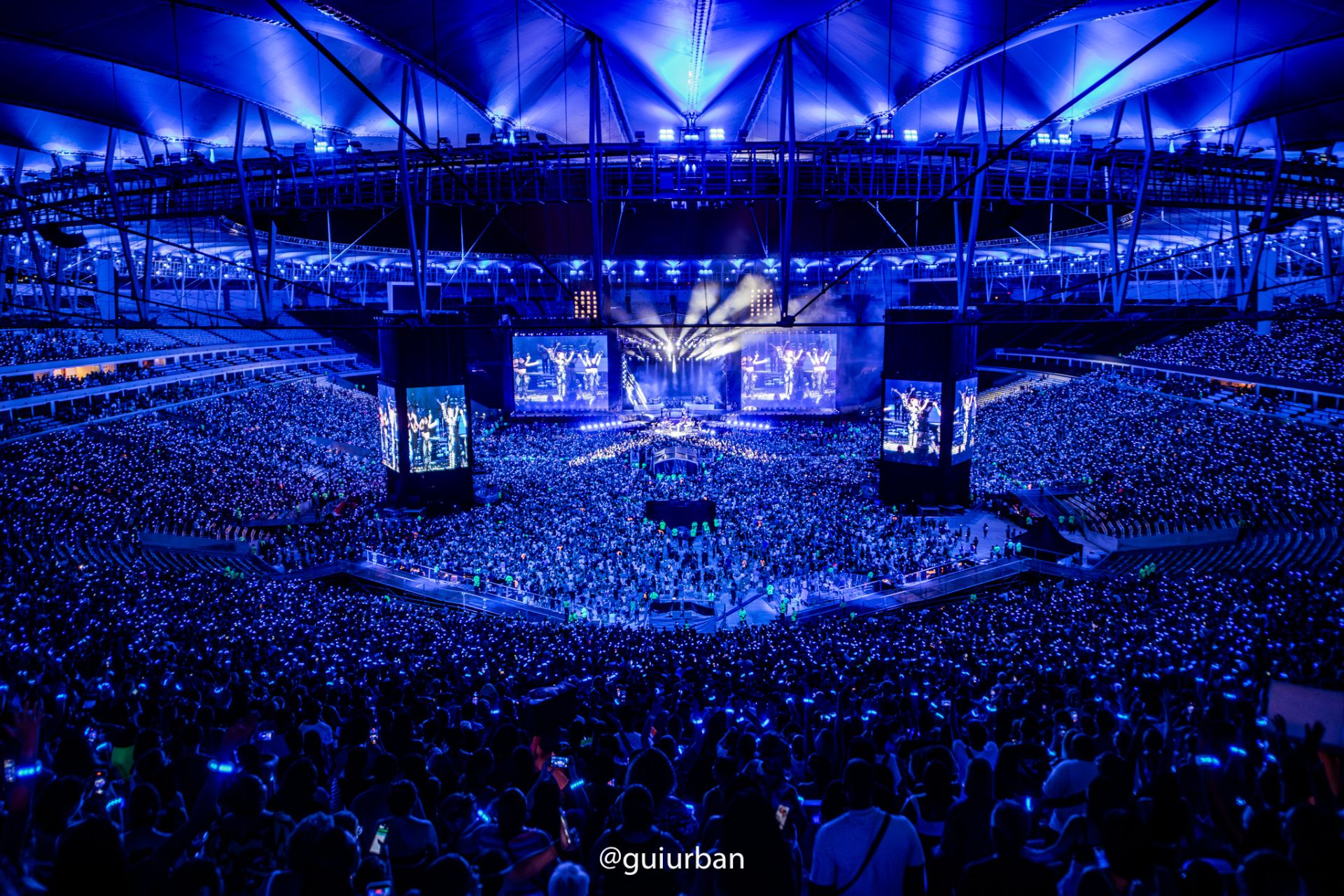
During the global broadcast of Maluma's "Medellín En El Mapa" concert, which was streamed to over 240 countries, 54,000 fans became part of a synchronized light show. The LED bracelets turned the stadium into a pulsating ecosystem of light, creating stunning visual moments for the millions watching at home. This is a powerful tool for broadcast, extending the energy of the venue far beyond its physical walls and creating the kind of immersive LED crowd experiences that define modern entertainment.
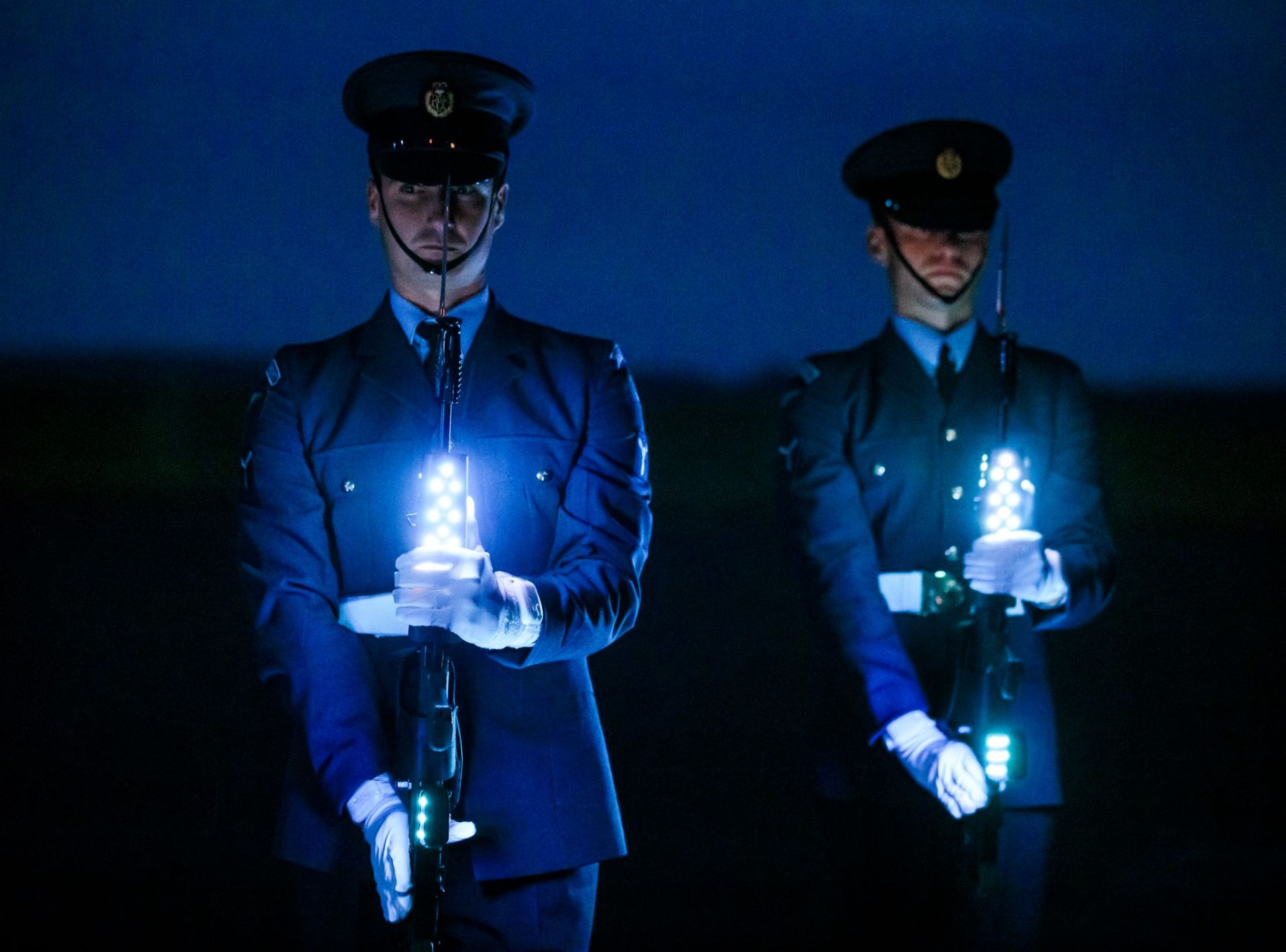
Similarly, at the celebration for Formula 1’s 75th anniversary, custom LED Lanyards were distributed to fans, with different programming based on seating sections. This allowed the creative team to design precise, large-scale visual effects that looked breathtaking on camera, turning the entire arena into a component of the show’s lighting design. The audience becomes an active participant in the spectacle, their collective energy visualized for the broadcast.
Control and Integration: The Backbone of Broadcast-Ready Tech
To execute these ambitious designs, production teams need absolute reliability and seamless control. The technology must integrate perfectly with the existing broadcast infrastructure, responding instantly to cues from the lighting desk or timecode. This is where the unseen power of robust RF (Radio Frequency) and DMX systems comes into play.
For live television, there is no room for error. The system must be immune to the high levels of RF interference found in arenas and TV studios. At Xylobands, our systems are designed for this high-stakes environment. Our proprietary software and powerful transmitters give operators granular control, allowing them to segment the audience, trigger complex patterns, and synchronize light with music, video, and pyrotechnics. This capacity to create layered, intentional effects is what separates a simple gimmick from a sophisticated piece of broadcast production.
From primetime television events on ITV to global sporting spectacles like the Davis Cup, the ability to light the crowd on a massive scale has become an essential element of the broadcast. It’s a technique that creates a sense of shared experience, unifying the live and at-home audiences in a single, memorable moment. In the modern era of live events, you aren't just lighting a stage; you are lighting an experience, and ensuring it translates flawlessly for the millions watching through the lens.