The Two-Fold Spectacle: Lighting for the Room and the Camera
The Unseen Audience Member in the Room
In the world of live broadcast events, there are two audiences. There is the roaring, palpable energy of the crowd in the room—the thousands of fans whose collective gasp or cheer can define a moment. Then, there is the second audience, exponentially larger and just as critical: the millions watching from behind a screen. For this second group, the camera is their surrogate, the sole arbiter of their experience. And for the camera, light is everything.
Designing a spectacle that captivates both audiences simultaneously is one of the most complex challenges in modern event production. It’s a two-fold spectacle, demanding a lighting philosophy that can create an electric, immersive atmosphere for those in the venue while also delivering a crisp, dynamic, and perfectly exposed picture for the broadcast feed. Get it right, and you create a singular, unified experience. Get it wrong, and one audience suffers at the expense of the other; the broadcast looks flat and sterile, or the in-room energy is compromised for the sake of the camera.
The Challenge of the Dual Lens
The human eye is a marvel of biological engineering, capable of processing a staggering dynamic range of light and shadow. A camera sensor, for all its technological prowess, is not. It sees what it is told to see, and it struggles with the extreme contrasts that the naked eye perceives as vibrant and atmospheric.
A classic example is the atmospheric haze used to make light beams visible and create a sense of depth in an arena. To the crowd, it’s an essential part of the immersive experience. To a camera, excessive haze can muddy the image, soften focus, and reduce contrast, resulting in a broadcast that feels hazy and indistinct. Conversely, lighting designed purely for the sharp, clean needs of a 4K broadcast can feel sterile and overly bright to the live audience, stripping the event of its texture and mood.
This is the tightrope that producers must walk. Every lighting choice, from the intensity of a key light on a performer to the ambient color wash across the audience, must be evaluated through this dual lens: how does it feel in the room, and how does it translate to the screen?
Painting with a Camera-Ready Palette
Mastering the broadcast-ready spectacle requires a deep understanding of how light, color, and motion interact with camera technology. It’s not just about brightness; it’s about control, color fidelity, and refresh rates.
Key Considerations for Broadcast Lighting:
- Flicker-Free Technology: This is non-negotiable. Many LED lighting fixtures have a refresh rate that, while imperceptible to the human eye, can create strobing or banding artifacts on camera, particularly during slow-motion replays. Professional-grade equipment, including wearable LED technology like Xylobands, is engineered to be flicker-free at high frame rates, ensuring a clean image for the broadcast director.
- Color Temperature and CRI: Consistent color temperature is vital for creating a cohesive look. Mixing different light sources with varying Kelvin temperatures can create a jarring, unprofessional look on camera. A high Color Rendering Index (CRI) is equally important, ensuring that colors—especially skin tones and branded assets—are rendered accurately and vibrantly on screen.
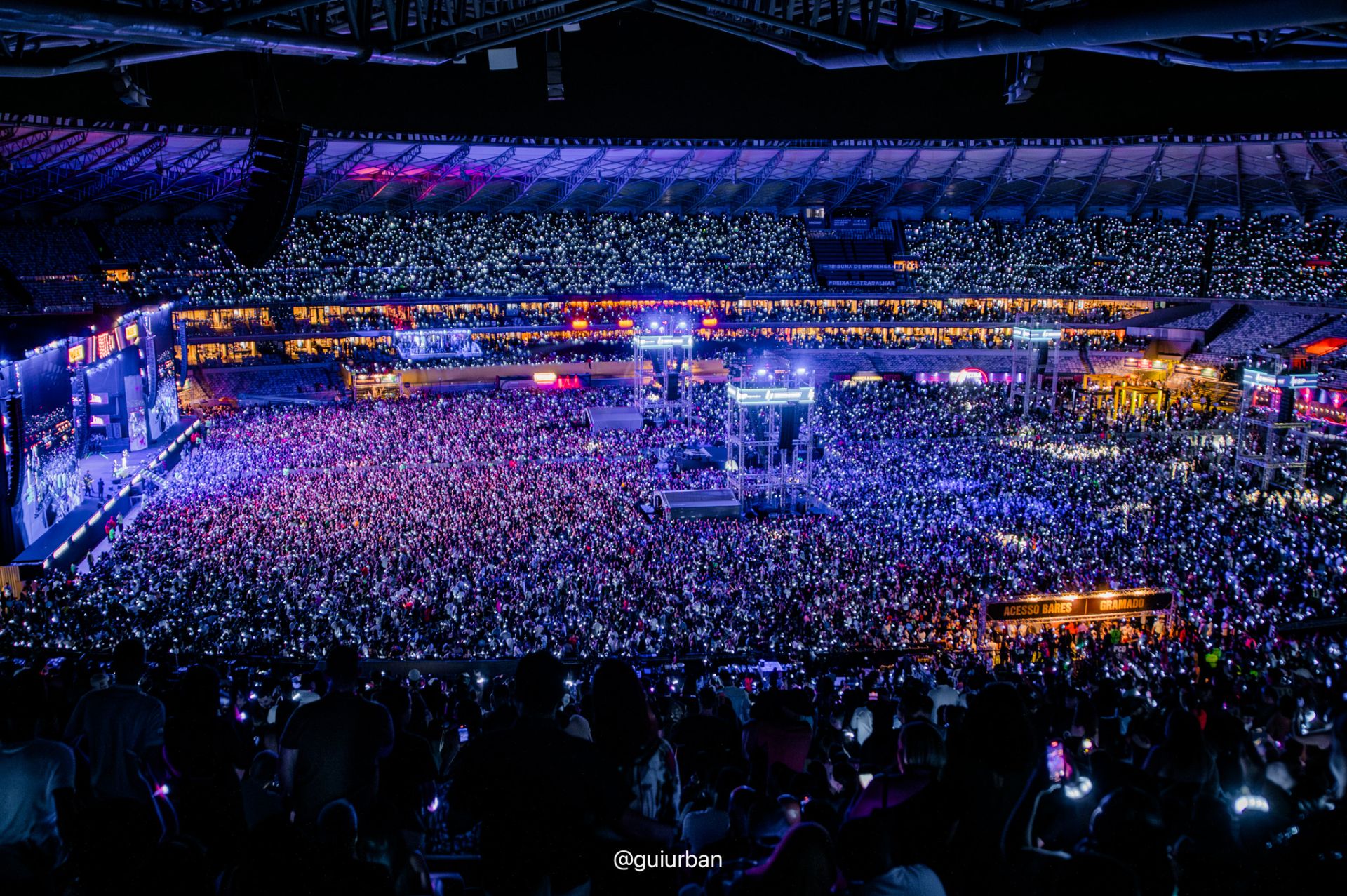
- Controlled Audience Lighting: Uncontrolled light from the audience—primarily from mobile phone screens—can be a major source of visual noise for a broadcast. It creates a chaotic sea of distracting, mixed-color-temperature pinpricks. This is where orchestrating the crowd becomes a crucial part of the lighting design.
The Audience as a Living Light Source
The most elegant solution to the dual-audience challenge is to make the audience itself a dynamic, controllable, and camera-friendly part of the lighting design. This transforms a potential liability—the chaotic mass of the crowd—into a powerful creative asset.
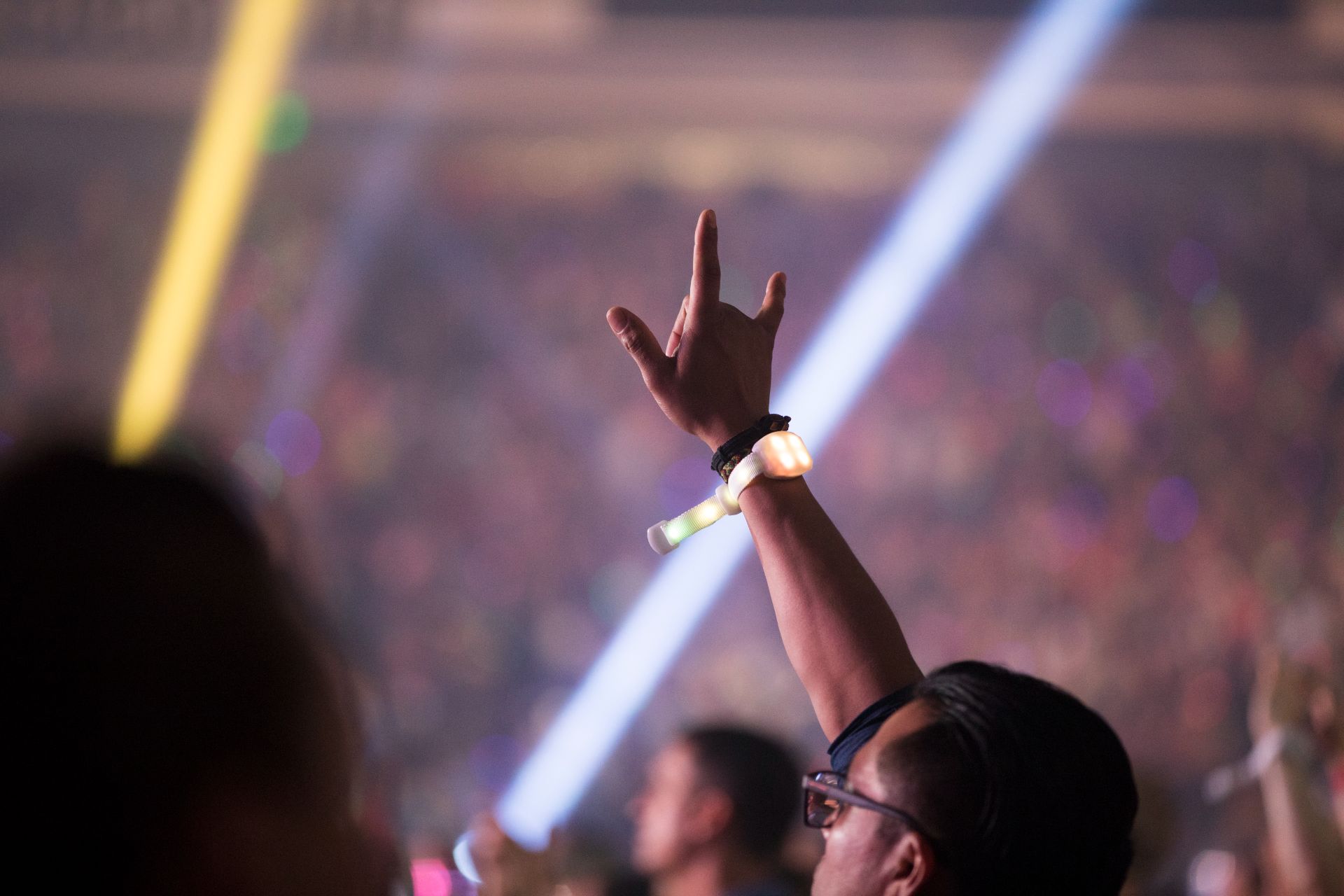
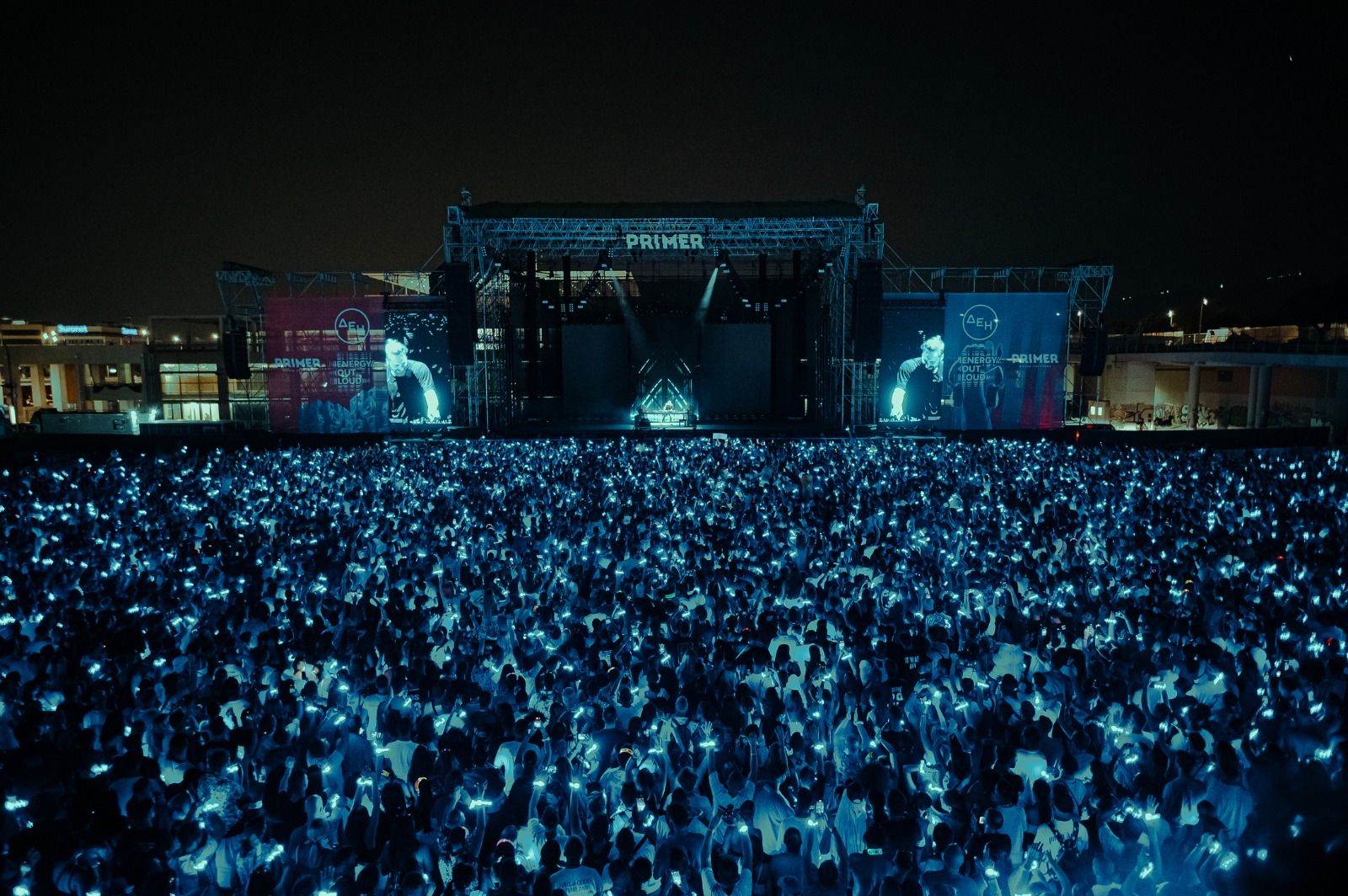
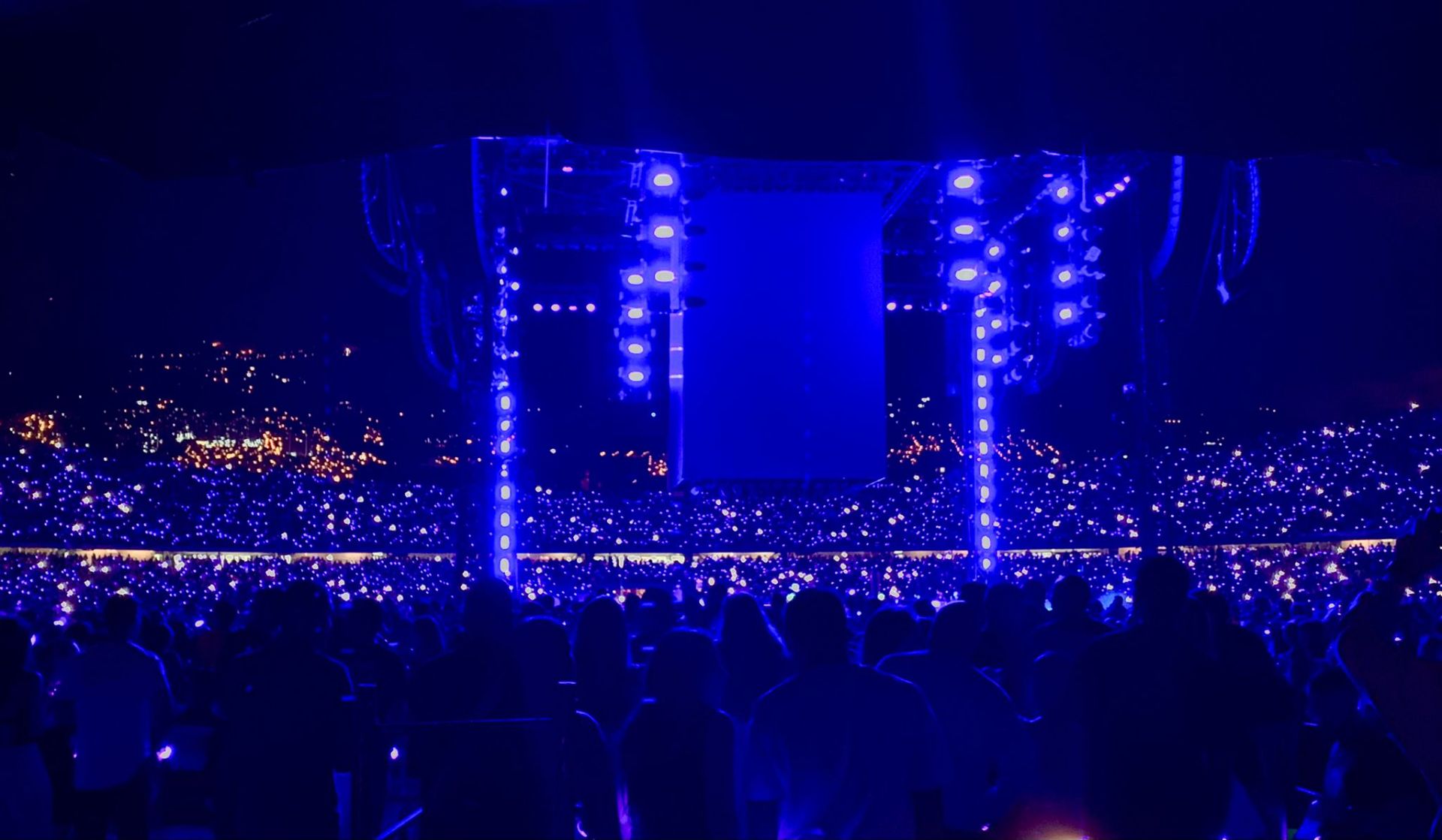
Technologies like our Radio Controlled LED Wristbands and LED Lanyards turn every attendee into a pixel in a vast, moving canvas of light. For the in-house audience, this creates profound moments of unity and participation—true immersive events. For the broadcast audience, the effect is even more dramatic. The technology provides the director with a stunning visual tool, capable of:
- Creating monumental backdrops: The crowd becomes a living, breathing part of the set design, with waves of color and synchronized pulses that can match the branding of a corporate event or the energy of a headline artist. Productions like ITV’s Beat The Chasers use this to extend the drama of the studio set across the entire audience.
- Enhancing broadcast graphics: Imagine a key moment in a sporting event like the Davis Cup or a major brand reveal for Formula One. The entire stadium can flash in a team’s color or pulse in sync with an on-screen graphic, creating a seamless visual statement that looks spectacular on camera.
- Providing clean, motivated light: Instead of fighting the chaotic light from phone screens, directors gain a controllable light source. The glow from thousands of LED Bands provides a soft, ambient fill that raises the overall light level in the arena without creating harsh hot spots, making it easier to capture clean shots of the crowd.
A Unified Spectacle
The art of lighting for a live broadcast is no longer about compromise. It’s about integration. By embracing Immersive Event Technology that considers the needs of the camera from the outset, producers can create a richer experience for everyone. The energy of the live audience is not just captured; it’s amplified and translated into a visually stunning narrative for the millions watching at home.
Whether it’s a global music tour for an artist like Maluma, a high-stakes TV game show, or a major corporate launch, the goal is the same: to make the viewer at home feel the energy of the room. By transforming the crowd into a camera-ready canvas, we can finally light for both audiences as one, creating a single, unforgettable spectacle shared by millions.