Lighting for the Lens: A Deep Dive into the Broadcast-Ready Spectacle
The Two-Fold Audience: Mastering the Broadcast-Ready Event
In the world of live events, there is a special class of spectacle: the broadcast-ready production. For shows like The Masked Singer, Dancing With The Stars, or major sporting events like the Formula One 75th Anniversary, the audience in the room is only half the story. The true audience is global, numbered in the millions, and watching through a lens. This creates a unique challenge: how do you create an electrifying atmosphere for the people in the seats while also crafting a visually stunning experience for the camera?
This is the art of lighting for the lens. It’s a discipline that requires a shift in perspective, where the frame of the camera becomes the proscenium arch, and every lighting decision must serve two masters: the live attendee and the at-home viewer. At Xylobands, we’ve built our reputation on understanding this duality, pioneering immersive event technology that translates the energy of a live crowd into a compelling visual narrative for audiences everywhere.
The Camera as the Primary Witness
For broadcast events, the camera is not just a recording device; it is the most important audience member. Its perception dictates the success of the show on a global scale. While the human eye can process a vast dynamic range of light and shadow, a camera sensor is far more literal. It sees what it’s shown. This means that lighting that feels atmospheric in person can appear muddy or blown-out on screen. A subtle glow can be lost entirely, while a powerful strobe can overwhelm the sensor.
This is where the technical and creative collaboration becomes paramount. Production designers, lighting directors, and technology partners must work in lockstep to build a visual experience that is both emotionally resonant and technically flawless. This was precisely the challenge for broadcast events like *Beat The Chasers UK*, where the tension and drama are central to the show’s appeal. The lighting must enhance the suspense for the studio audience while ensuring every flicker of emotion is captured cleanly for the millions watching at home.
Painting with a Crowd: From Spectator to Living Set
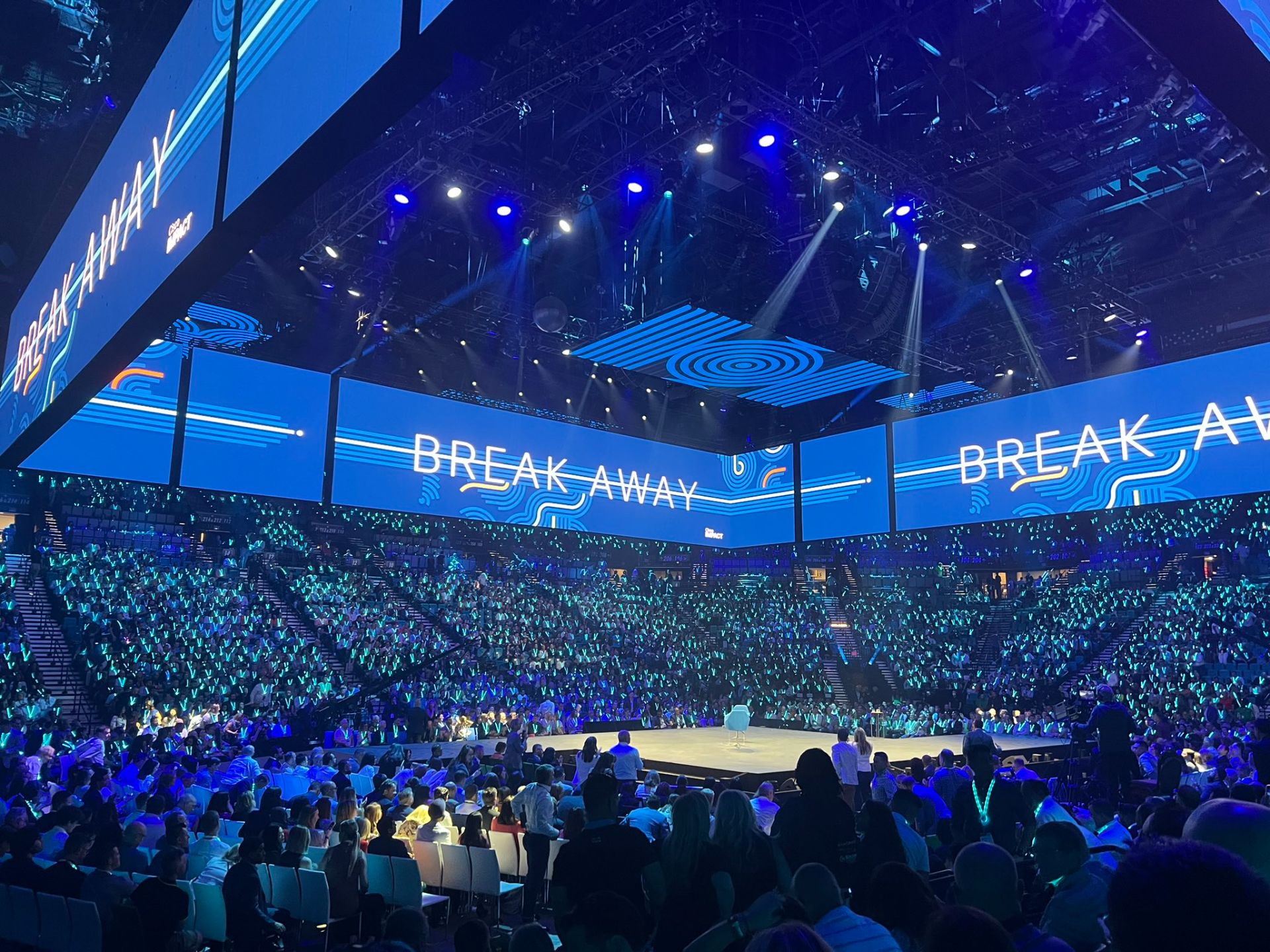
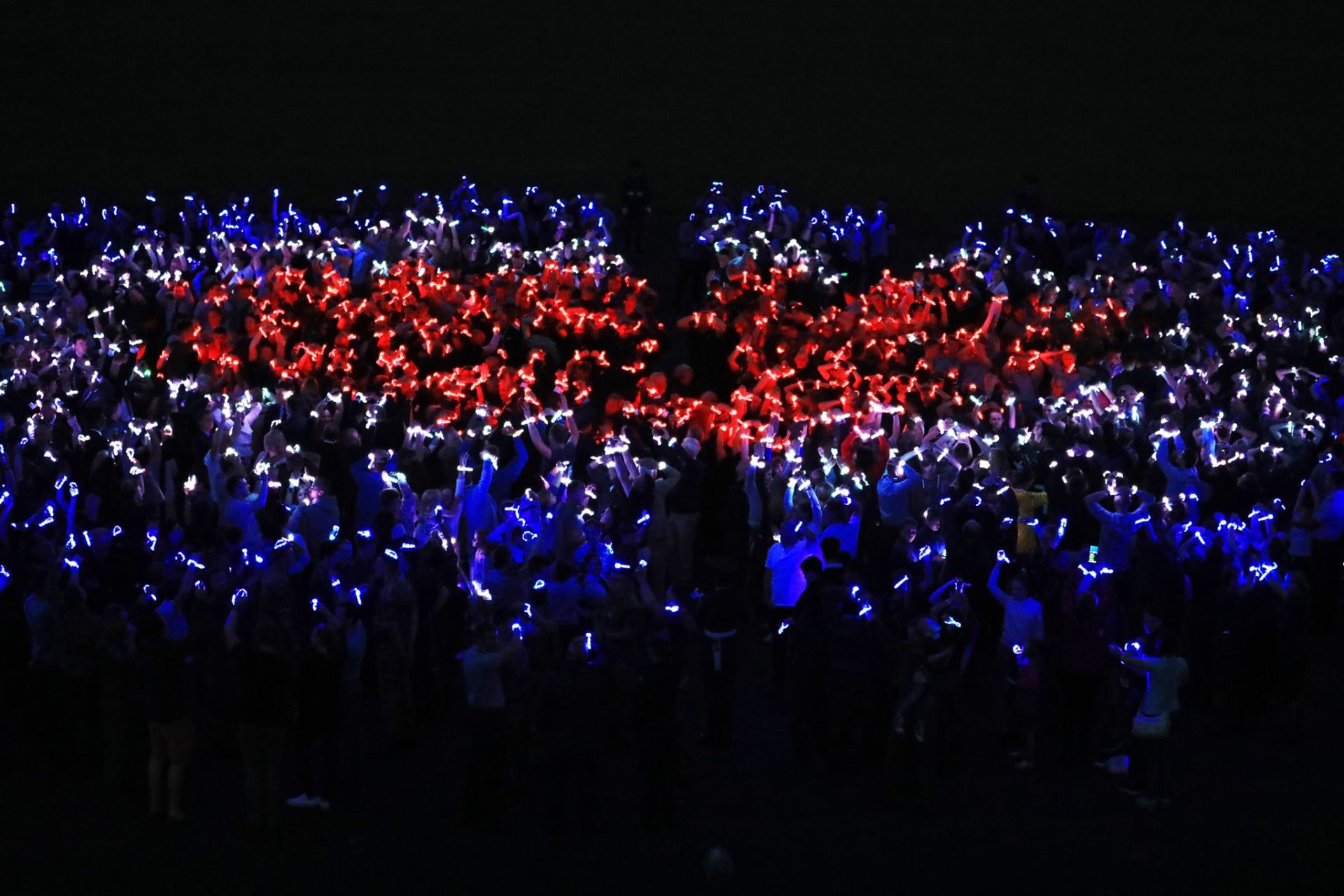
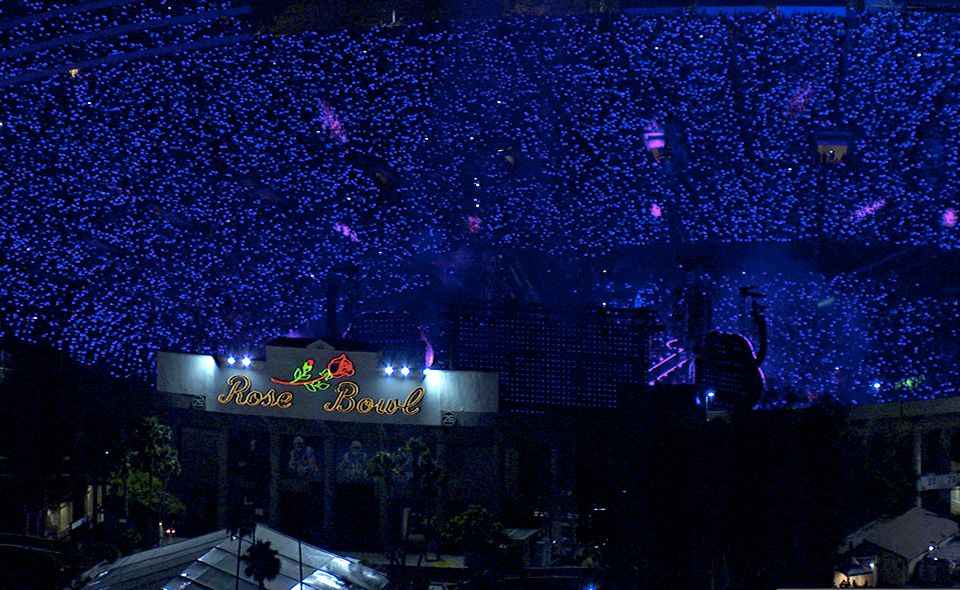
This is where wearable LED technology becomes a game-changer. Rather than being passive spectators, the audience becomes an integral part of the set design—a living, breathing canvas of light. With radio-controlled LED wristbands, or even custom lanyards like the Xylo Pendants used at the Formula One 75th Anniversary event, every member of the crowd becomes a pixel in a larger picture.
This approach solves a fundamental challenge in broadcast lighting. It extends the visual spectacle beyond the stage and into the entire arena, creating a 360-degree environment that is visually rich and dynamic for the camera. For a global broadcast, this is invaluable. Wide shots of the venue are no longer just establishing shots; they are moments of breathtaking visual symphony. The pulsing light of thousands of Xylobands, perfectly synchronized to a musical cue or a dramatic moment, transforms the crowd from a dark, anonymous mass into a vibrant, responsive entity.
"The entire audience could become one living light show, perfectly synchronised with the music. It would create moments of unity where artists and fans shared the same experience."
Choreographing Light for the Global Stage
This transformation is not accidental; it is meticulously choreographed. Much like a dance routine, the patterns, colors, and rhythms of the light are designed to align with the show’s narrative arc. When Maluma played to 54,000 fans in his hometown of Medellín—a concert streamed live in over 240 countries—the LED wristbands in the crowd weren’t just a gimmick. They were a tool to broadcast the immense energy of that homecoming to a global audience, making viewers feel like they were part of that singular, historic moment.
Similarly, for massive festivals like PRIMER in Greece, which draw international DJs and audiences, LED crowd experiences ensure that the visual energy matches the sonic intensity of the performances. The light becomes a universal language, conveying excitement and unity across cultural and geographical boundaries. It’s not just about what happens on stage; it’s about the entire environment becoming part of the performance. The crowd is no longer just watching the show; they *are* the show.
The Future of Broadcast Experiences
As the line between live and digital experiences continues to blur, mastering the art of the broadcast-ready event is no longer a niche skill but a core competency. The ability to create immersive events that resonate both in the room and on the screen is what separates a good show from an unforgettable one. It requires a deep understanding of technology, a cinematic eye for composition, and a commitment to placing the audience—both live and virtual—at the very heart of the experience.
By transforming the crowd into a dynamic canvas of light, we give broadcasters a powerful tool to convey the scale, emotion, and energy of a live event. It’s about creating a spectacle so compelling that it transcends the screen, making millions of people around the world feel the shared pulse of a moment they’ll never forget.