Lighting the Live Broadcast: A Guide for Modern Event Producers
The house lights dim. A roar erupts from the arena floor. For the thousands present, this is the explosive start to a long-awaited experience. But for the millions watching at home, this moment is a carefully framed shot, a meticulously balanced image of light and shadow delivered through a broadcast lens. In modern live production, this dual audience is the central challenge and the greatest opportunity. The event is no longer just for the people in the room; it’s for the world watching on screen.
The Two Audiences: Room vs. Lens
Lighting a live event has always been about creating an atmosphere. For a corporate conference, it’s about focus and clarity. For a stadium rock show, it’s about energy and scale. But when a broadcast camera enters the equation, the rules change. A lighting design that feels electric in person can appear chaotic and overblown on screen. What the human eye perceives as a dynamic environment, a camera sensor can interpret as a mess of blown-out highlights and crushed, noisy blacks.
“The fundamental conflict is that the human eye has a far greater dynamic range than any camera sensor,” explains a senior Xylobands technician. “Your eyes can process the deep shadows in the rafters and the brilliant flash of a strobe simultaneously. A camera simply can’t. It forces you to choose what you want to expose for.”
This is the craft of lighting for broadcast: serving two masters. The goal is to create a spectacle that captivates the live audience while providing the camera team with a clean, compelling, and technically flawless image. It requires a different mindset, moving from purely atmospheric design to a more technical, broadcast-centric approach.
The Science of Camera-Friendly Light
Several technical factors separate broadcast lighting from standard event lighting. Understanding them is non-negotiable for any producer working on a televised or streamed event.
- Color Temperature & CRI: Consumer cameras and professional broadcast rigs are highly sensitive to the color temperature of light sources. Mixing different temperatures (e.g., cool LEDs with warm tungsten fixtures) without a clear strategy can result in an image that looks muddy and unprofessional. The Color Rendering Index (CRI) is equally crucial, measuring how accurately a light source reveals the true colors of objects and, most importantly, skin tones. A low CRI can make even the most vibrant stage design look dull on camera.
- Flicker Rate: Many LED sources, especially lower-quality ones, can produce a flicker that is invisible to the naked eye but disastrous on camera, appearing as a distracting rolling band across the screen. Professional-grade LED Event Technology is engineered to be “flicker-free” at standard broadcast frame rates, a critical specification for any televised production.
- Controlling Contrast: High-contrast ratios that create drama in a live setting can be a nightmare for broadcast. If the stage is exceptionally bright and the audience is dark, the camera is forced to either overexpose the performers or lose the crowd entirely in a sea of black. This is where lighting the audience becomes not just an aesthetic choice but a technical necessity.
Case in Point: The ITV Studio Experience
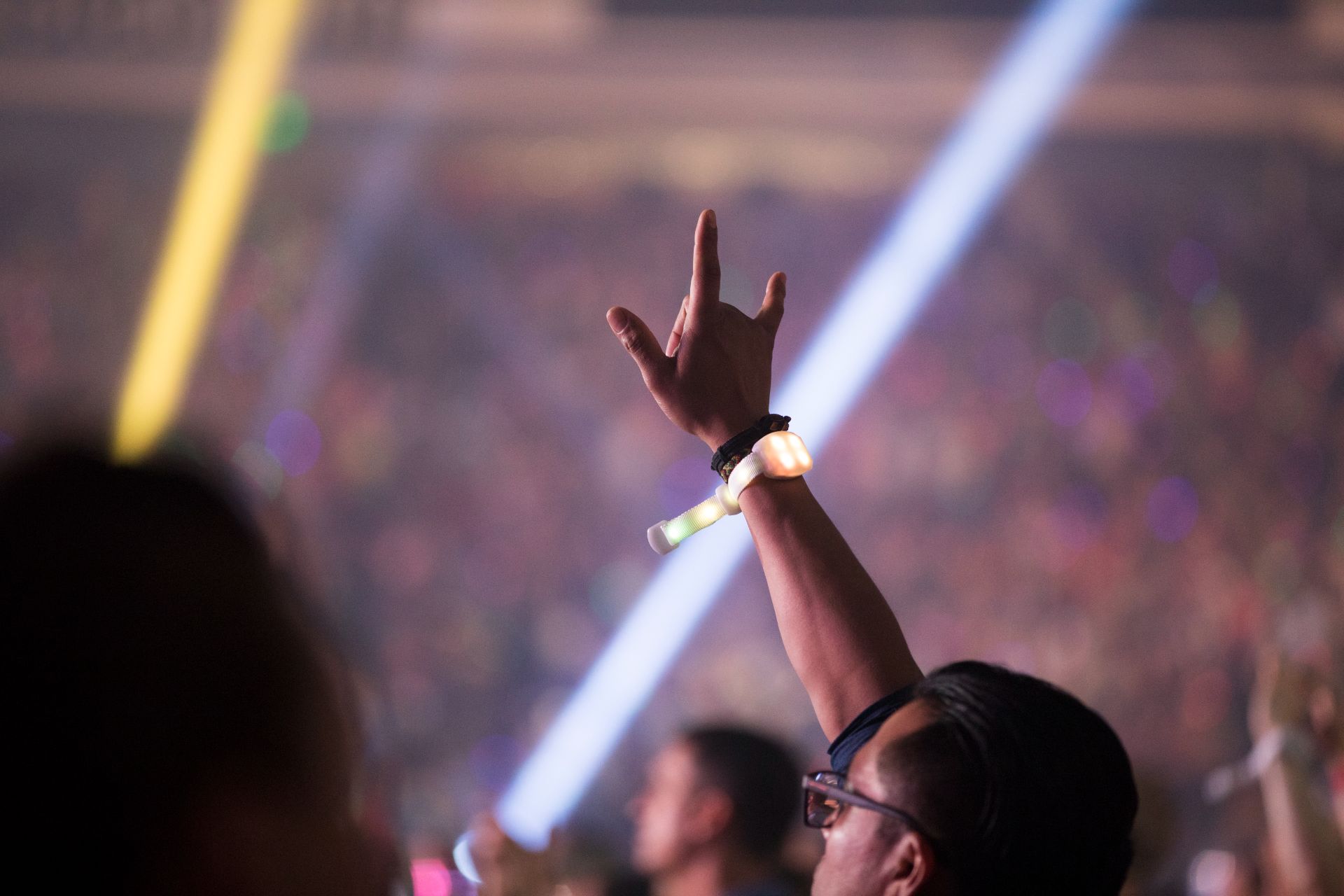
Our long-standing relationship with broadcasters like ITV has provided a masterclass in lighting for the small screen. Shows like ‘Beat The Chasers UK’ aren't just game shows; they are highly polished television products. The studio audience is an integral part of the broadcast, their reactions providing energy and context. Here, our Radio Controlled LED Wristbands are not merely for showmanship. They serve a vital technical purpose.
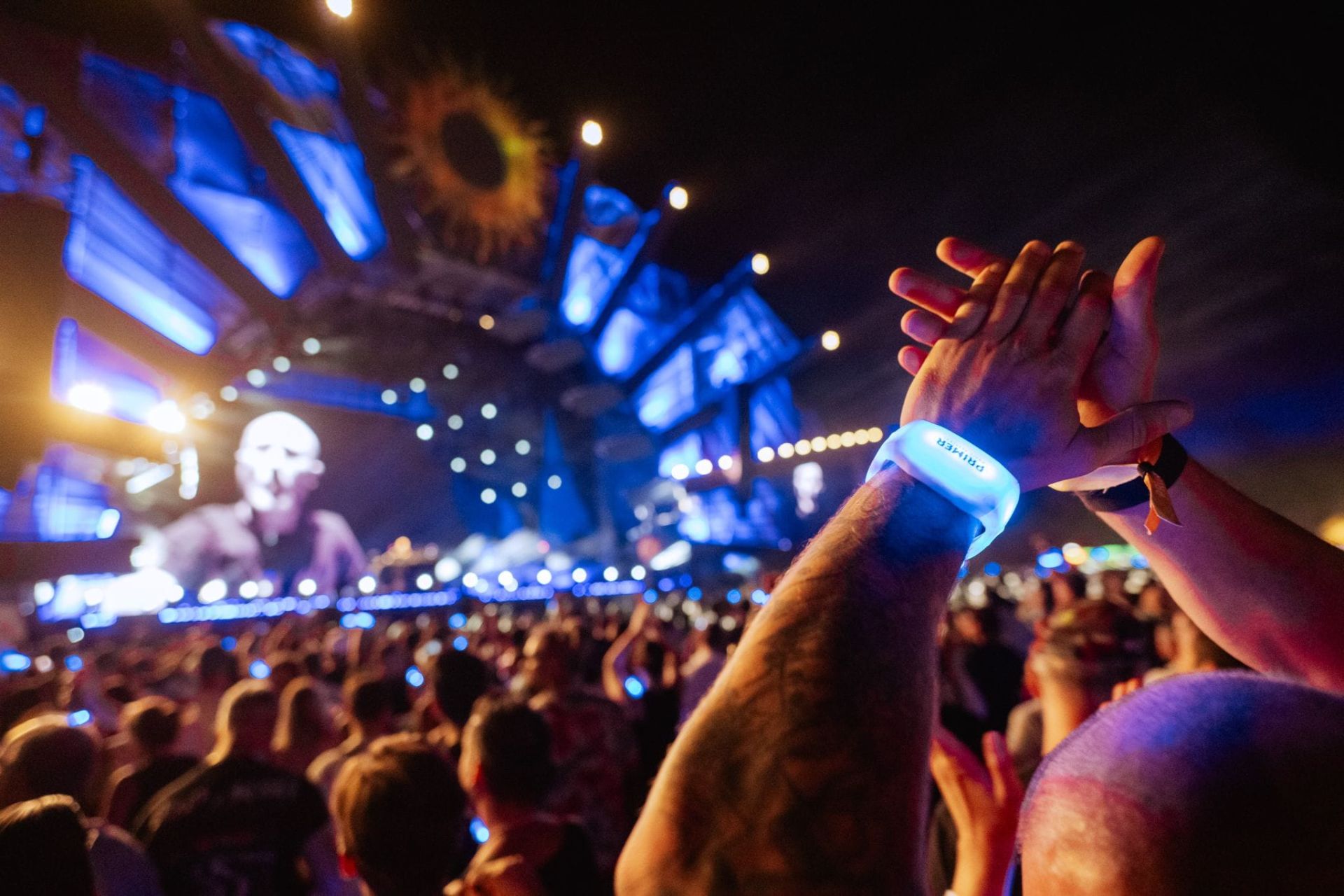
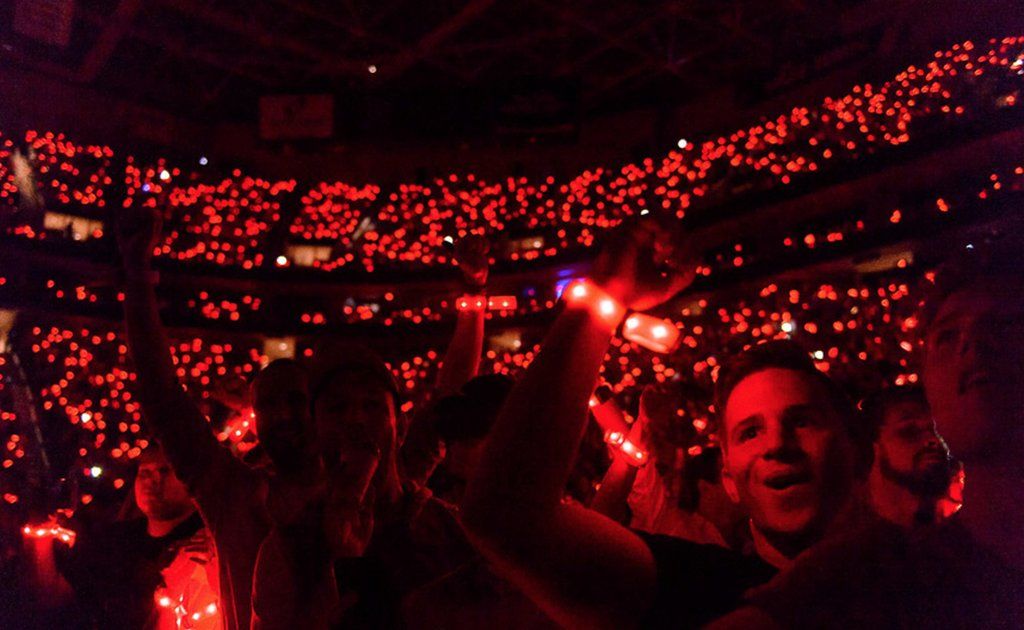
By providing a distributed, controllable source of light within the crowd, we give the lighting director a powerful tool. The wristbands can be pulsed, colored, and dimmed to lift the audience out of the darkness, providing crucial fill light that allows cameras to capture expressive faces without compromising the exposure on the brilliantly lit stage. They transform the crowd from a passive, dark mass into a living, breathing part of the broadcast canvas—an active element of the Immersive Event Technology.
The Crowd as a Light Source
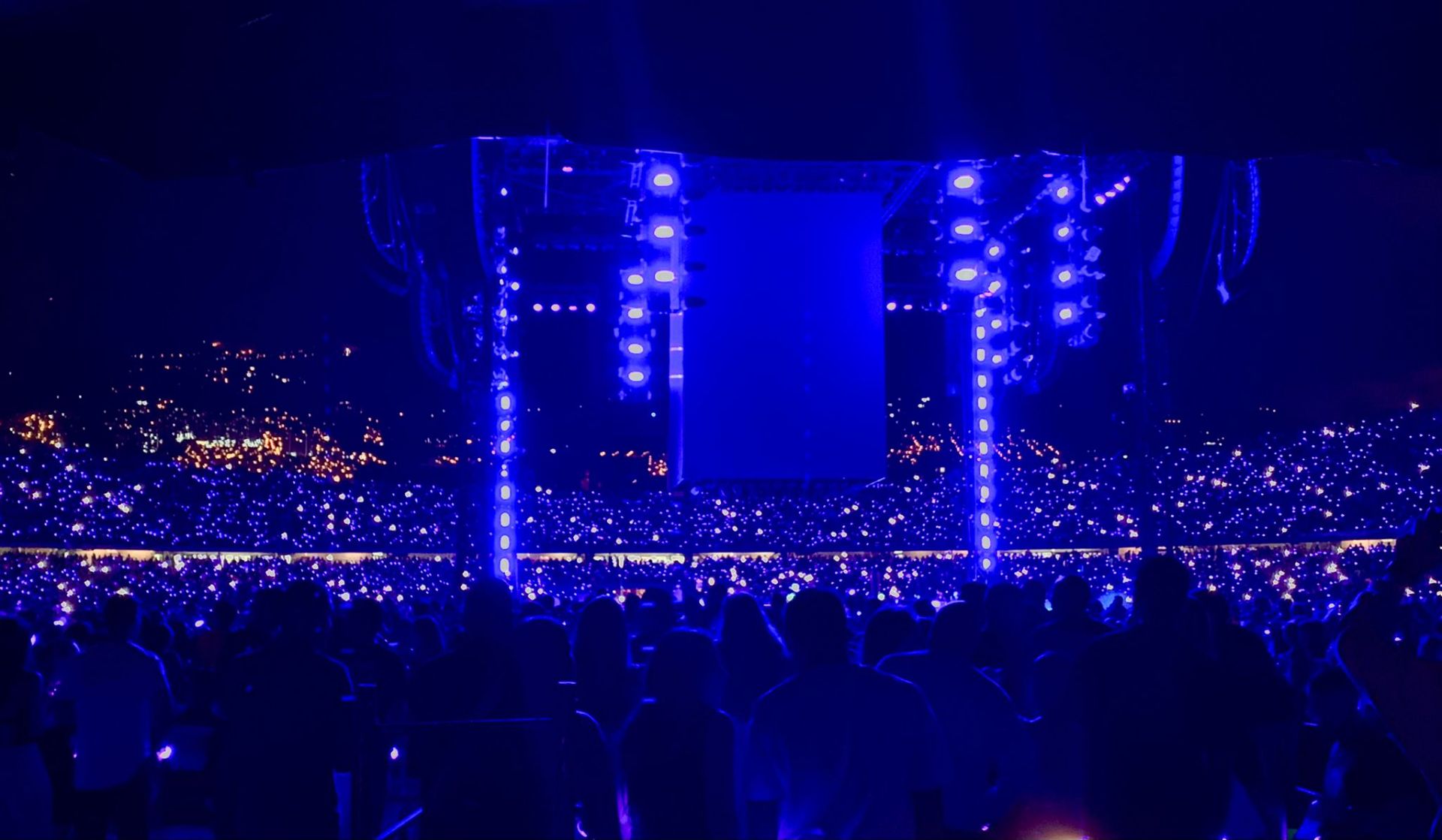
The concept of making the audience part of the show is central to the Xylobands philosophy, born from an idea at a Coldplay concert. When applied to broadcast, this takes on new significance. Whether it’s a stadium show like Maluma’s in Medellín, streamed to over 240 countries, or a high-profile corporate event like the Formula One 75th Anniversary broadcast, the crowd is a key visual element. They are the backdrop, the atmosphere, the human scale against which the spectacle unfolds.
Using Wearable LED Technology like wristbands or lanyards allows a production to paint this backdrop with intention. A director can call for a soft, ambient glow during a quiet moment or a dynamic, strobing chase during a high-energy performance. This turns thousands of individuals into a cohesive visual entity, a sentient canvas that responds to the show’s narrative in real time.
For event producers, this level of control is transformative. It bridges the gap between the in-room experience and the broadcast feed, ensuring that the energy felt by the live audience is successfully translated to the millions watching worldwide. It’s no longer about lighting the stage; it’s about lighting the entire experience. In the broadcast era, the crowd is not just watching the show—they are a fundamental part of the picture.