The Living Algorithm: Crowd Analytics and the New Frontier of Event Safety
The Unseen Pulse of the Crowd
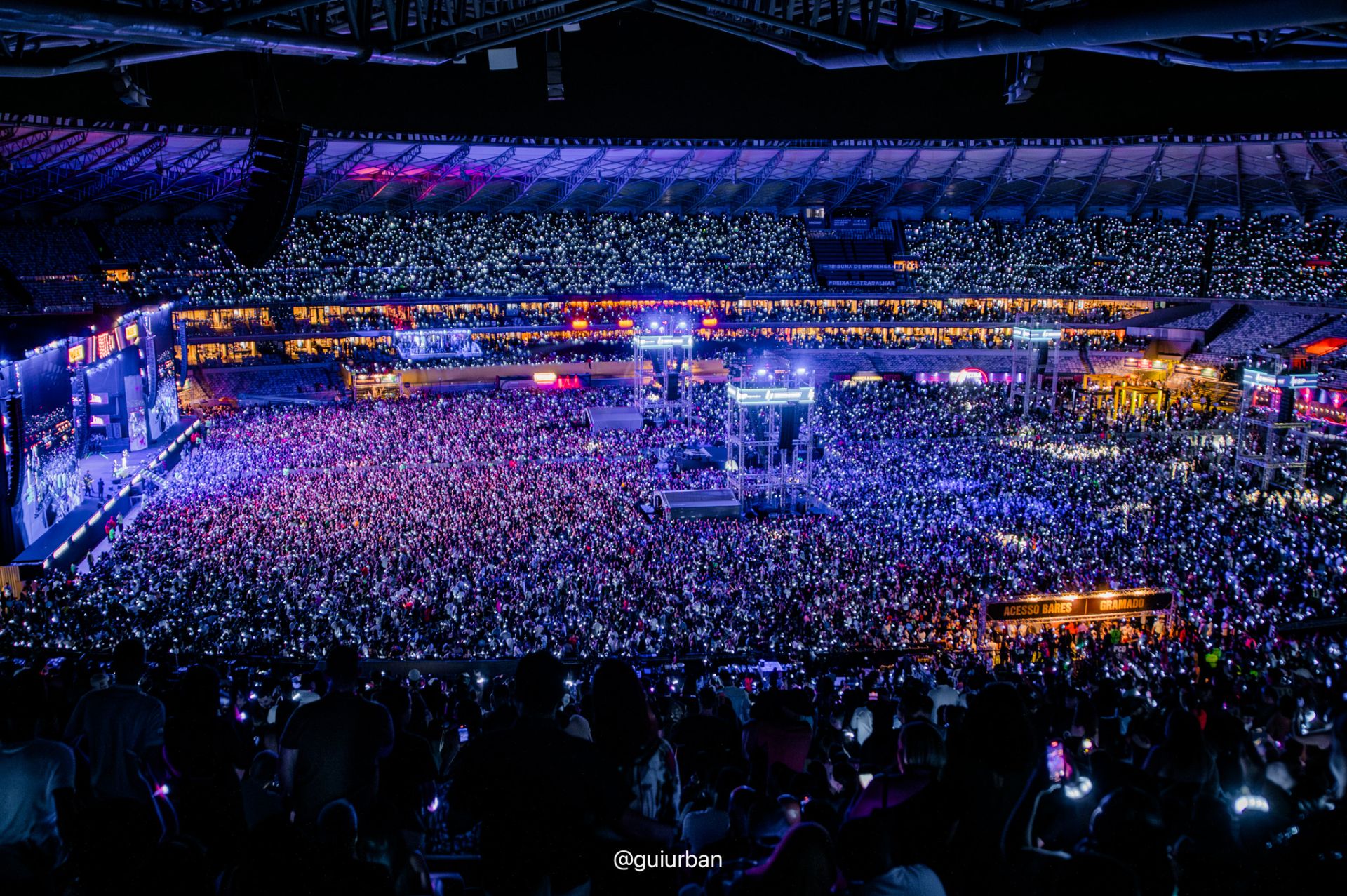
Stand in the heart of a festival, a stadium, or a sold-out arena. There’s a palpable energy, a living current that flows through tens of thousands of people. For decades, event producers have sought to harness this energy, to shape it into a collective experience. But we’ve also been soberly aware of its volatility. A crowd is a complex, dynamic system — a living algorithm whose behavior can shift in an instant. Traditionally, managing this organism has been a reactive art, relying on physical barriers, security sightlines, and historical assumptions. It was about containment, not conversation.
But what if we could listen to the crowd’s silent language? What if we could understand its subtle shifts in density, its organic movements, and its points of friction in real time? This isn’t a futuristic fantasy; it’s the new frontier of event safety and design, powered by data, analytics, and the very same Immersive Event Technology that creates the spectacle itself.
From Spectacle to Sensor: The Evolution of Wearable Tech
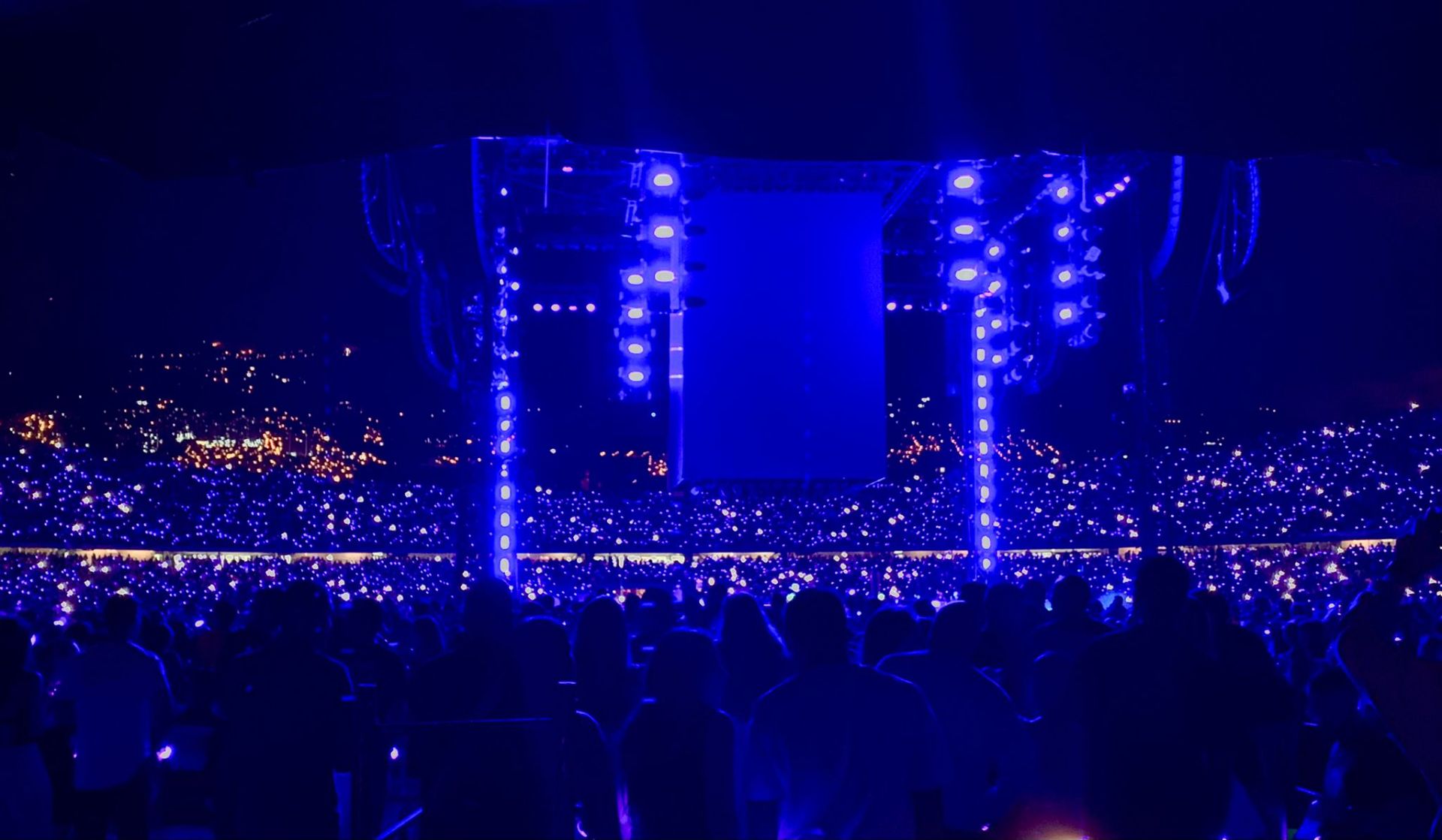
The journey of LED wristbands began with a simple, powerful idea: to turn the audience into a canvas of light. Inspired by the lyrics of Coldplay, our own Xylobands were born from a desire to unify the artist and the audience, creating a shared visual harmony. The effect was immediate and profound, transforming vast, anonymous spaces into intimate, connected environments. These Coldplay Xylobands set a new standard for LED Crowd Experiences.
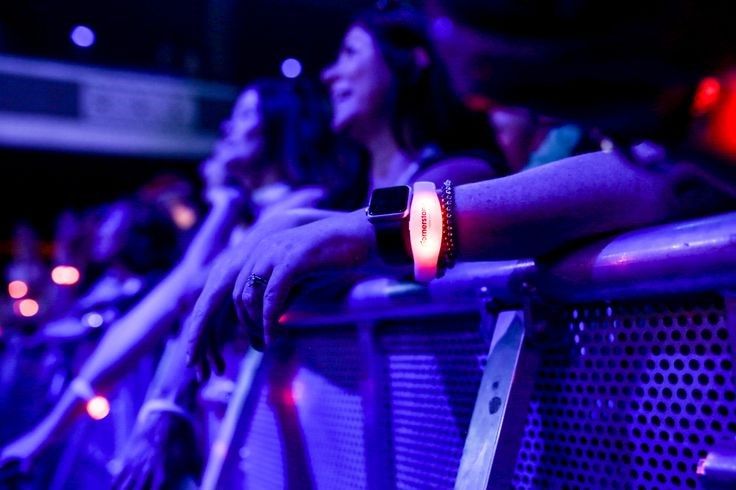
For years, the focus remained on the creative output — the synchronized pulses of light, the sweeping color changes, the sheer visual awe. The technology, primarily relying on Radio Controlled LED Wristbands, was a one-way street: from the control desk to the crowd. But a paradigm shift is underway. We’ve begun to realize that these devices, worn by every single attendee, form a powerful, distributed sensor network. Every wristband is a potential data point. Suddenly, the same wearable LED technology designed for the show has become a critical tool for safety and logistics.
“The technology is no longer just about painting with light. It’s about understanding the canvas itself. When you see the crowd not just as spectators, but as a dynamic, data-rich environment, you unlock an entirely new capability for production and safety.”
The Data-Driven Safety Net
At any mass gathering, the primary concern is the well-being of every attendee. Crowd crush, dangerous surges, and inefficient emergency responses are nightmare scenarios rooted in a lack of real-time information. An operations manager in a production village miles from the main stage often relies on fragmented radio communications to understand crowd conditions. Analytics changes the game.
Imagine a festival site map, not as a static drawing, but as a live heat map. By aggregating anonymized data from thousands of Festival Wristbands, event producers can see crowd density building in specific areas. They can identify bottlenecks near concessions or entryways long before they become critical. This allows for proactive intervention:
- Dynamic Signage: Digital signs can be updated in real time to redirect foot traffic away from congested zones.
- Staff Redeployment: Security and event staff can be moved to areas showing early signs of strain, providing a visible presence and assistance.
- Creative Intervention: In a truly integrated system, lighting and sound cues could even be used to subtly guide a crowd’s attention, drawing them toward less dense areas without causing alarm.
This is the shift from reactive mitigation to predictive, intelligent safety. It’s about seeing the pressure building and releasing the valve before the system fails. When you consider events on the scale of a Formula One celebration, a headline slot at Glastonbury, or a stadium show for an artist like Maluma or Wizkid, the value of this predictive capability cannot be overstated. It provides a layer of unseen, intelligent choreography that keeps the living spectacle safe.
Beyond Safety: A Smarter Experience
The insights gleaned from this living algorithm extend far beyond safety protocols. Crowd analytics offers a powerful tool for enhancing the entire event experience. By understanding how audiences move and where they linger, producers can make smarter decisions about everything from venue layout to sponsor activations.
Are the queues for a particular bar unmanageably long? The data will show it. Is a key Corporate Event Activation being missed because of poor footfall? Analytics can reveal the dead zones. This information is gold for future event planning, enabling a cycle of continuous improvement. It allows designers of immersive events to refine their craft, not based on anecdotes, but on empirical evidence of how thousands of people interact with a space.
The Ethical Consideration
With great data comes great responsibility. The goal of crowd analytics is not to track individuals. It is to understand the collective organism. The data collected from LED Bands and LED Lanyards is aggregated and anonymized, focusing on macro trends—density, flow, and momentum. It’s about the health of the forest, not the position of a single tree. As this technology evolves, transparency and a commitment to privacy are paramount, ensuring the tools of safety do not infringe upon the freedom of the experience.
The Sentient Sea
The future of live events lies in this symbiotic relationship between the spectacle and the spectator. The crowd is no longer a passive recipient of the show; it is an active participant, a source of intelligence, and a partner in its own safety and enjoyment. The technology that makes them a canvas of light also gives them a voice—a collective, data-driven pulse that producers can finally listen to. As pioneers in this space, we at Xylobands are driven by the potential not just to create unforgettable moments of light and unity, but to build a smarter, safer, and more responsive generation of live experiences. The crowd has always been the heart of the show; now, it’s becoming the brain as well.