The Double-Edged Lens: Mastering Light for Live and Broadcast Audiences
The Two-Audience Problem
In the world of live television, every production faces a fundamental challenge: designing an experience that feels electric for the people in the room and translates with the same intensity to the millions watching at home. This is the two-audience problem. The energy of a live studio audience is palpable — their reactions, their applause, their visible engagement are crucial components of the broadcast. Yet, the camera is the final arbiter. A lighting scheme that looks spectacular in person can appear flat, blown-out, or chaotic on screen. Mastering the art of broadcast lighting means walking a technical and creative tightrope, serving two masters with often competing demands.
For decades, production design has grappled with this duality. Traditional stage lighting, designed to sculpt performers and scenery for the human eye, behaves differently for the camera sensor. What feels immersive in the room can become a mess of lens flares and colour balance issues for the broadcast director. This is particularly true for large-scale, audience-inclusive events where the crowd itself is part of the spectacle. How do you light 500 people in a studio without compromising the crisp, polished look required for primetime television? How do you make the viewer at home feel like they are part of the action?
Engineered for the Lens
The solution lies in technology engineered specifically for this dual purpose. It requires a deep understanding of camera sensors, colour science, and the nuances of how light translates from a three-dimensional space to a two-dimensional screen. At Xylobands, we’ve been working with major broadcasters like ITV for years, honing the technology to meet the exacting standards of live television. Our collaboration on shows like Beat The Chasers UK is a testament to this specialised focus.
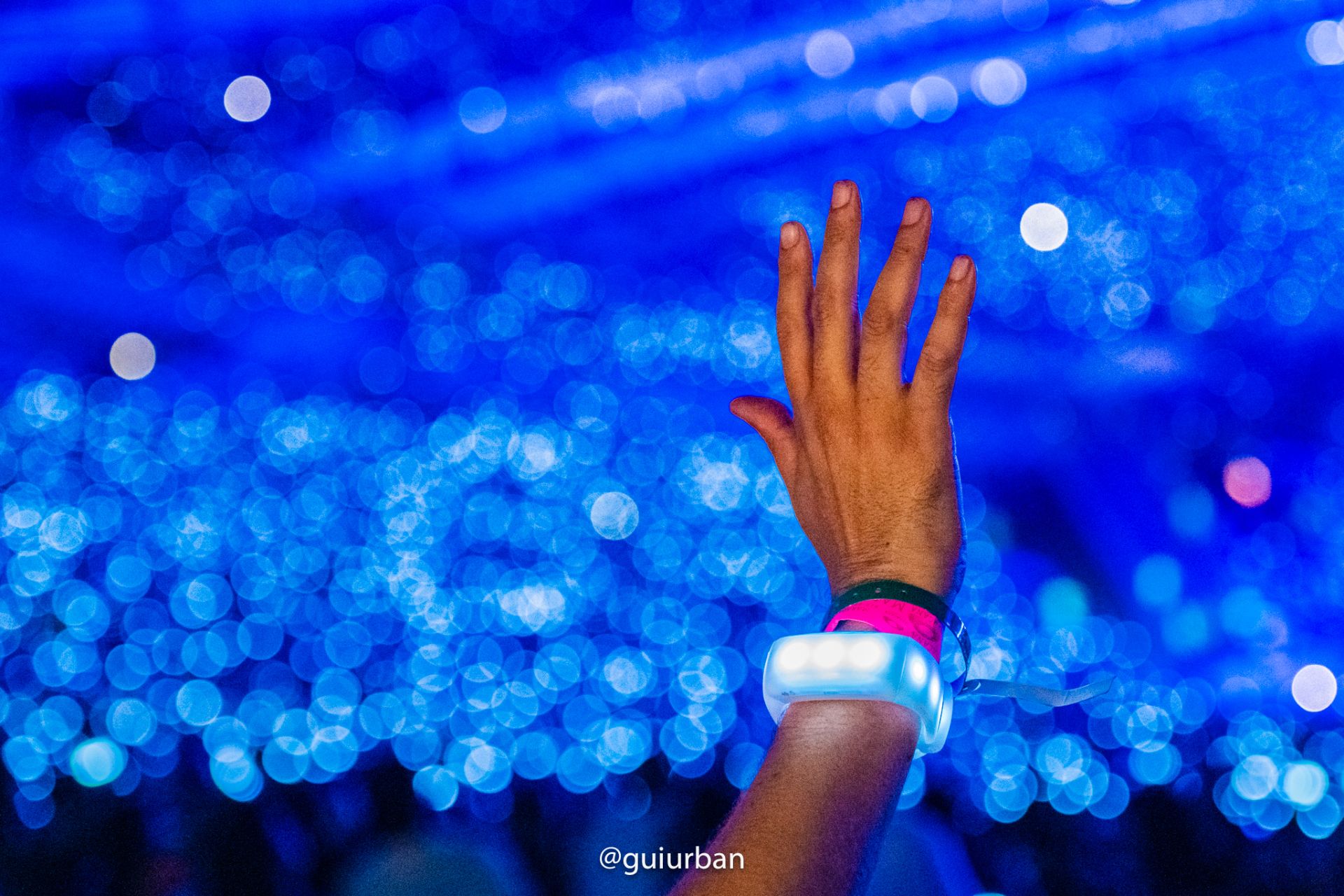
The core of the challenge is control. Broadcast environments demand absolute precision. Every lighting element must be predictable, reliable, and flawlessly integrated into the production workflow. Our radio-controlled LED wristbands and other wearable LED technology are designed with the broadcast lens in mind. We understand that a light source worn by an audience member is not just an ambient effect; it’s a pixel in a larger canvas. Its brightness (luminance), colour temperature, and refresh rate (flicker) must be managed to perfection.
"The camera is the final arbiter. A lighting scheme that looks spectacular in person can appear flat, blown-out, or chaotic on screen."
Key Technical Considerations for Broadcast-Ready LED Experiences:
- Flicker-Free Performance: High camera frame rates can capture the rapid on-off cycle of lower-quality LEDs, resulting in distracting flicker on screen. Professional-grade LED wearables are engineered with high refresh rates to ensure a smooth, solid light source for any camera.
- Precise Colour Rendering: The colour you see in the studio must be the colour that appears on screen. This requires precise calibration and a deep understanding of the Rec. 709 colour space used in broadcasting. Our systems are designed to produce consistent, accurate colour that aligns with the vision of the lighting designer and director.
- Dynamic Range Management: The human eye can handle a much wider range of brightness than a camera sensor. A light effect that seems exciting in person might be a blown-out highlight on screen. Our control software allows for granular control over luminance, enabling designers to create impactful moments without clipping the highlights or crushing the blacks in the video feed.
From Studio Audience to Global Spectacle
This philosophy of designing for the lens extends beyond the controlled environment of a TV studio. Major global events, from the Formula One 75th-anniversary show to Maluma’s historic hometown concert in Medellín, are now broadcast live to hundreds of countries. In these scenarios, the stadium becomes a colossal television studio. The principles remain the same, but the scale is magnified exponentially.
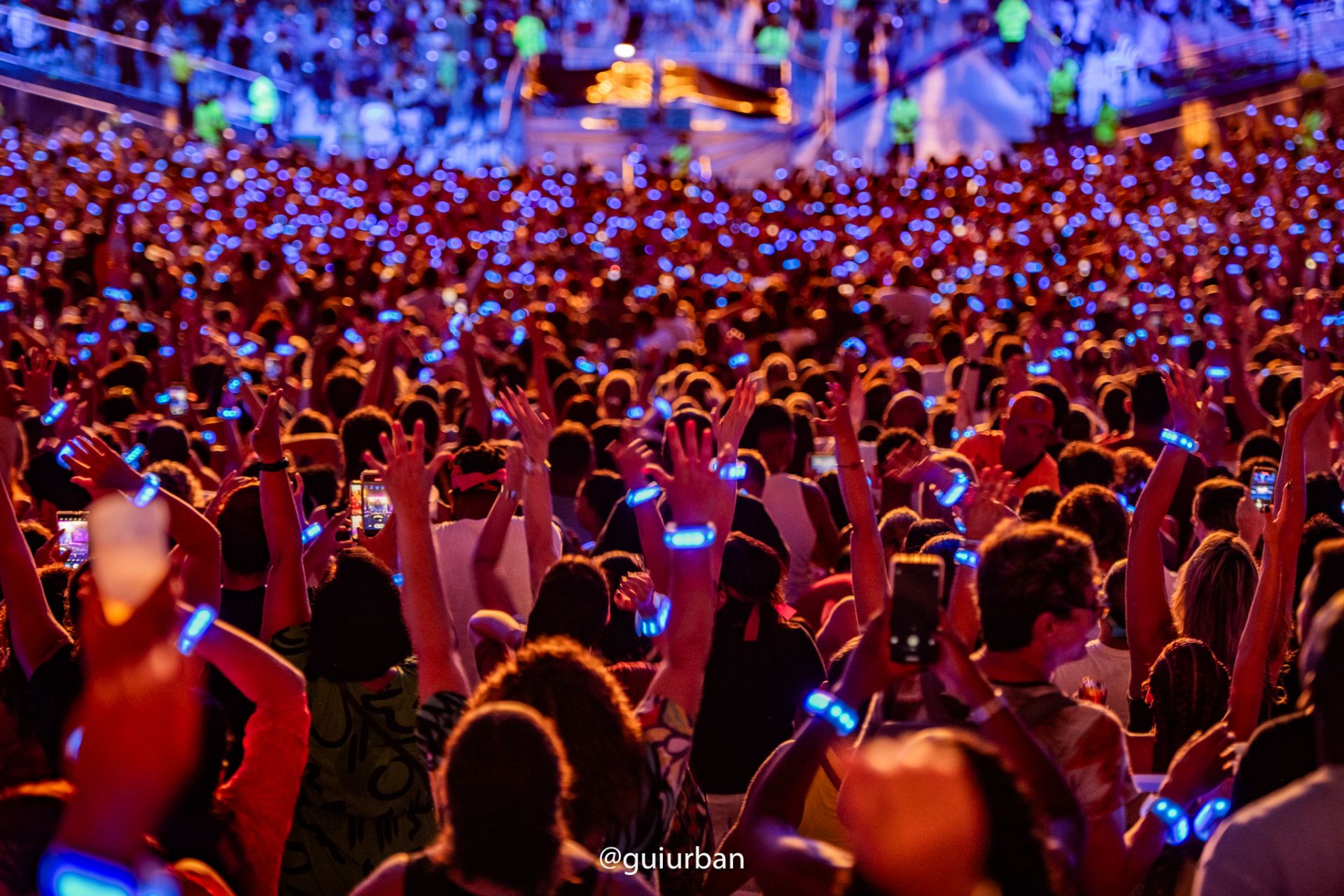
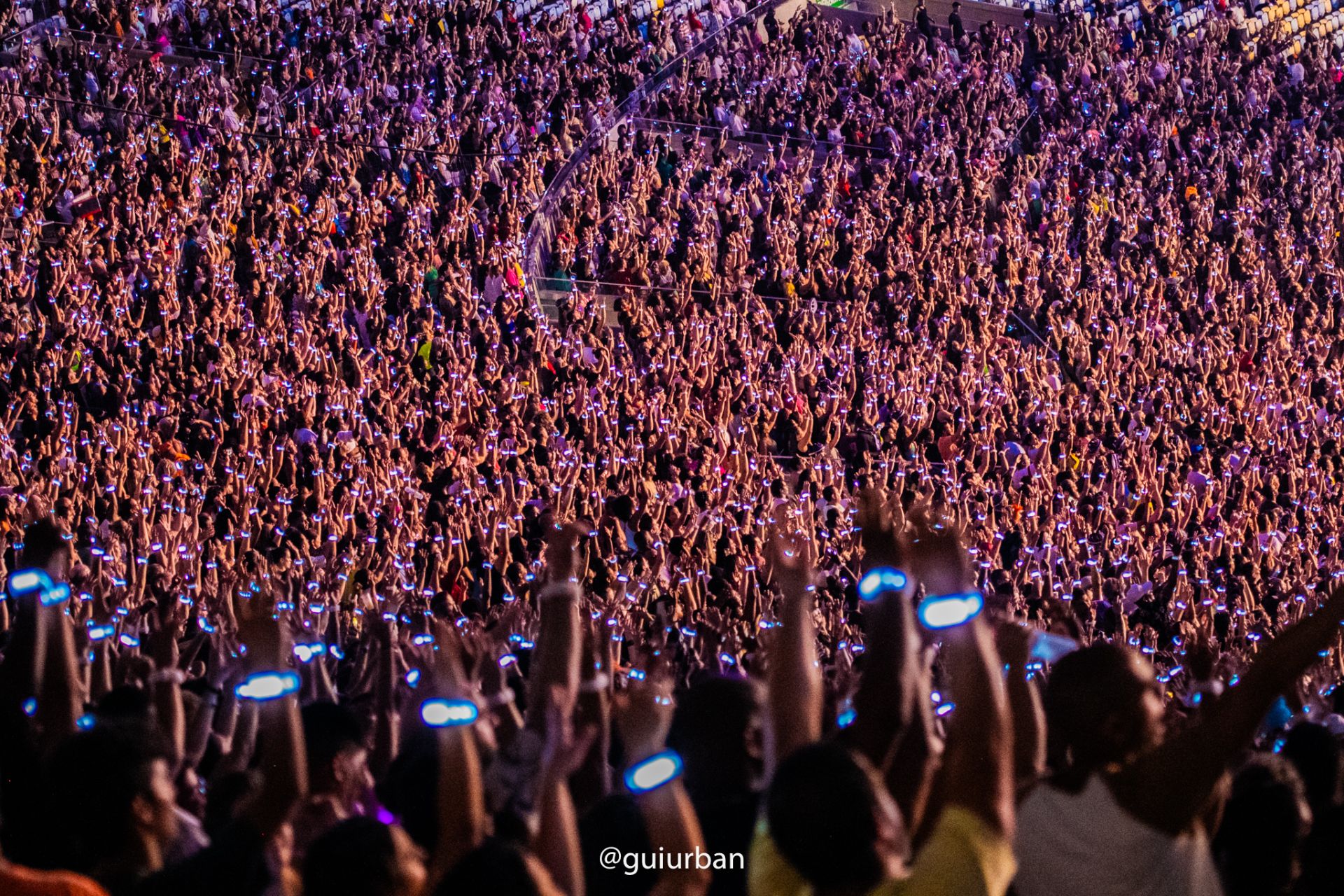
For Maluma’s show, streamed live on Amazon, and the F1 75 event, a live broadcast featuring multiple musical acts, the audience was an integral part of the visual design. Tens of thousands of fans, each wearing a custom LED wristband or pendant, transformed the venue into a sprawling, dynamic light show. This is the essence of creating powerful LED crowd experiences. It’s not just about giving the audience a souvenir; it’s about weaving them into the fabric of the broadcast, making the viewers at home feel the scale and energy of the event.
The Future of Immersive Broadcasting
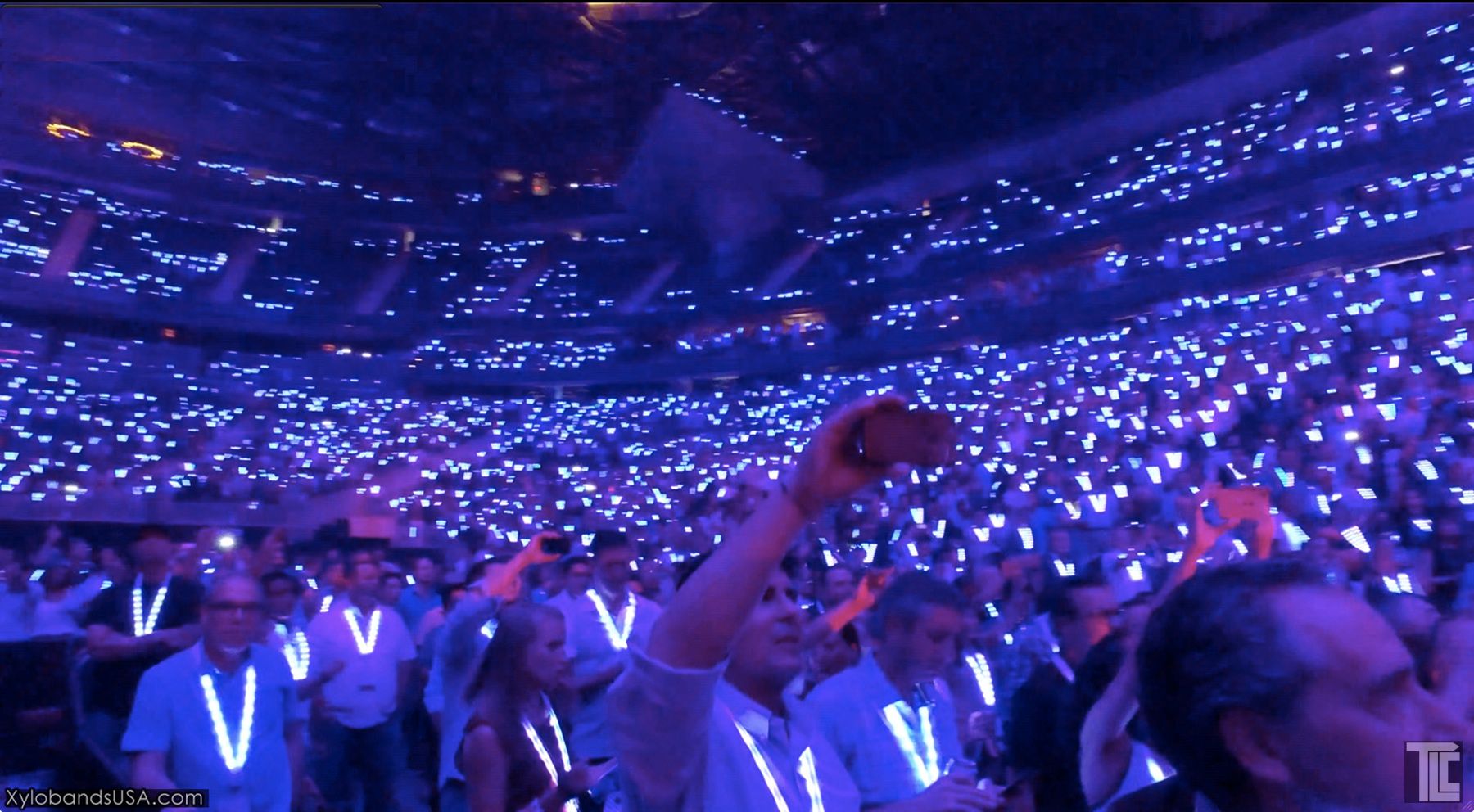
As technology continues to evolve, the line between live event production and broadcast production will further blur. The rise of immersive event technology is empowering creators to design multi-sensory experiences that were previously unimaginable. From festival wristbands that unite a crowd of thousands to LED lanyards that transform a corporate conference into a dynamic networking event, the common thread is the ability to create shared moments of light and energy.
The challenge and the opportunity lie in ensuring these moments are captured authentically for the broadcast audience. It requires a partner who understands the unique pressures and technical demands of lighting for the camera. It requires technology that is not just creative but also controllable, reliable, and engineered for the lens. By solving the two-audience problem, we can create truly immersive events that resonate equally in the front row and the living room, uniting both audiences in a single, spectacular experience.