The Mechanics of the Moment: A Technical Guide to RF, DMX, and Infrared Triggers
From a Sea of People to a Canvas of Light
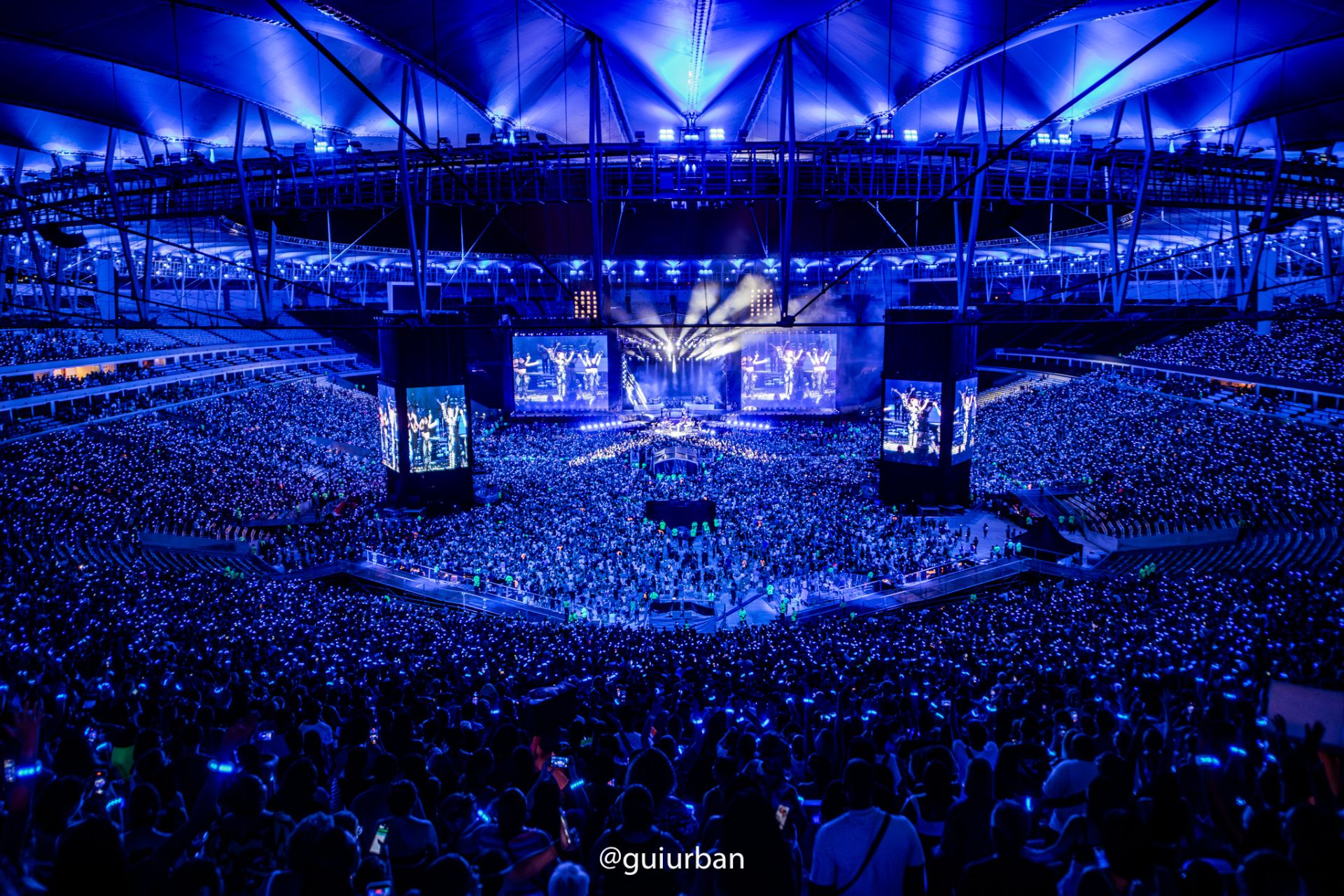
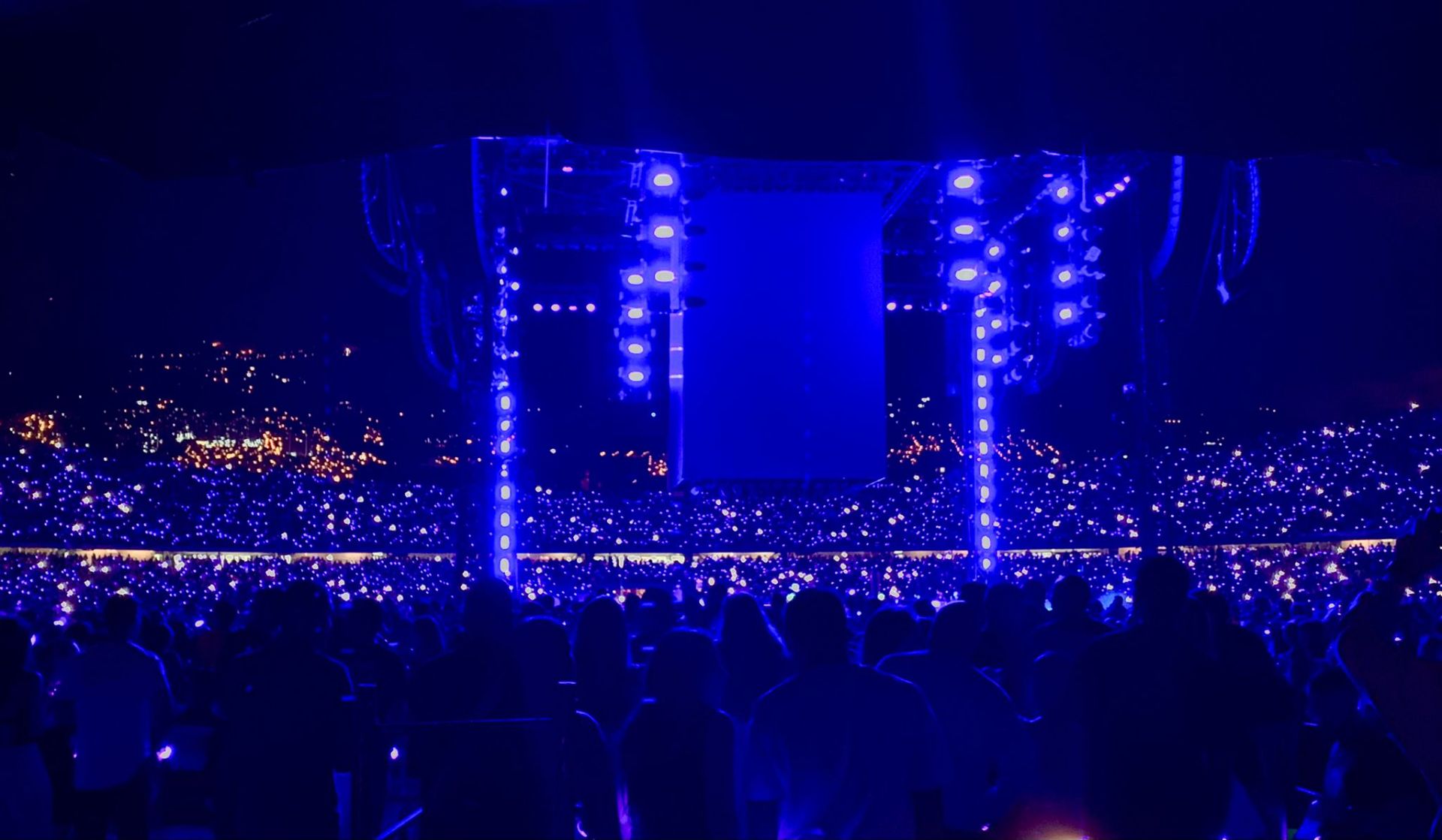
Imagine 50,000 fans at a stadium tour, a sea of individual lights suddenly shifting in unison to trace the arc of a guitar solo. Picture a festival crowd, pulsing with colour that syncs perfectly to a cascading beat drop. Or consider a television studio audience, where light cues ripple across the room, pulling millions of viewers at home deeper into the on-screen drama. These are the moments that define modern live events, transforming a passive crowd into an active, living part of the spectacle. But what is the unseen engine driving this visual symphony? It’s not magic; it’s a sophisticated conversation happening in milliseconds between a control desk and every single LED device in the room.
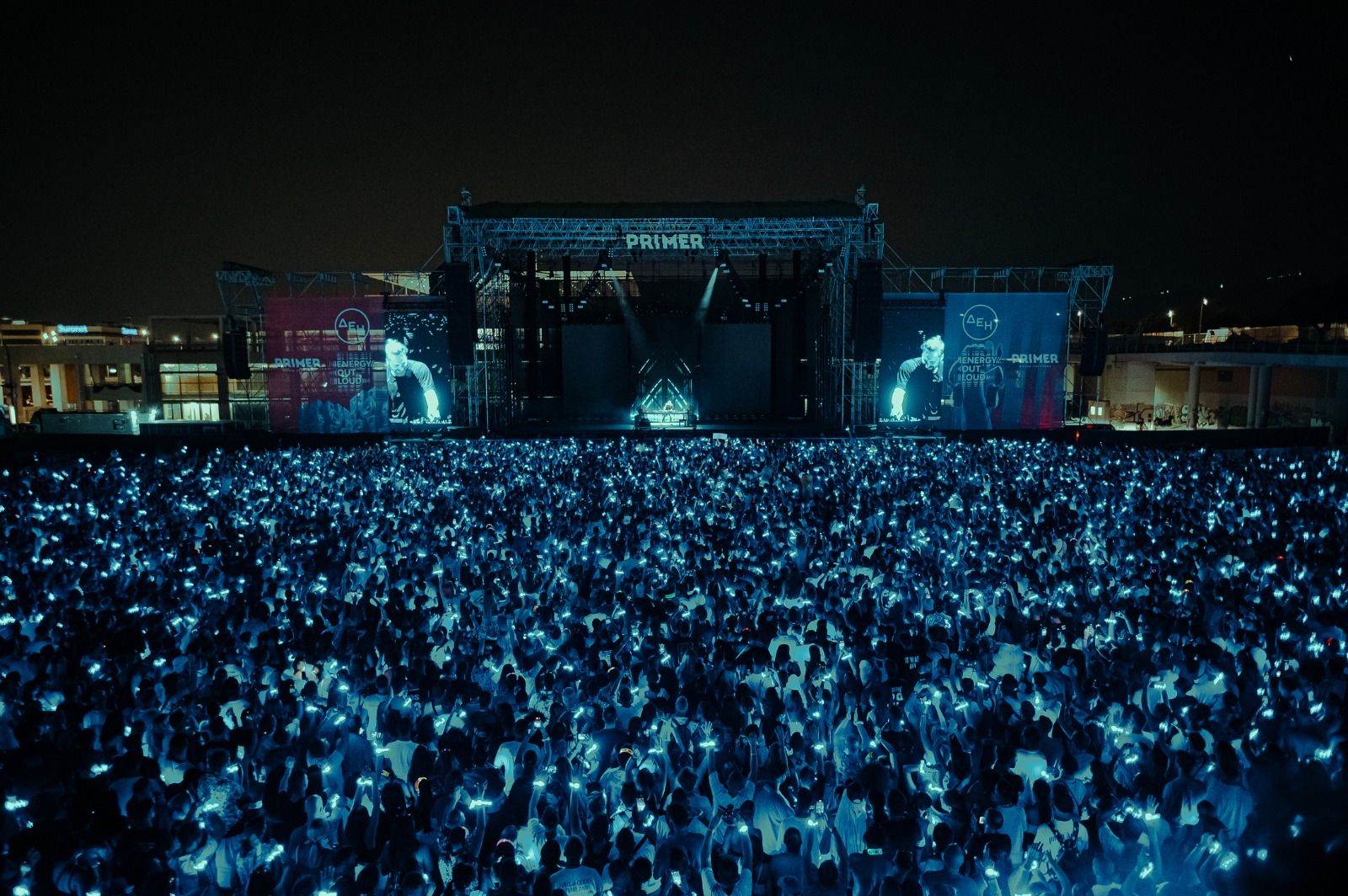
This orchestration is powered by a trinity of communication technologies: Radio Frequency (RF), Digital Multiplex (DMX), and Infrared (IR). Each has its own unique strengths, and understanding them is key to unlocking their full creative potential. As the pioneers behind the original Coldplay Xylo Band, we’ve spent over a decade mastering these languages of light to create unforgettable LED crowd experiences. Whether deploying festival wristbands for events like Greece's PRIMER Music Festival or designing intricate corporate event activations, the choice of technology is foundational. This is the architecture of the glow.
RF: The Power of the Macro-Scale Broadcast
Radio Frequency is the workhorse behind the industry’s most large-scale and iconic moments. It is the technology that allows a single command to reach tens of thousands of LED wristbands simultaneously, making it the go-to for arenas, stadiums, and major festivals.
How It Works
At the heart of an RF system is a powerful central transmitter. This unit, connected to a lighting designer’s control board, sends out data signals across a specific radio frequency. Each Xyloband or other piece of wearable LED technology contains a tiny, low-power radio receiver, programmed to listen for signals on that frequency. When the transmitter sends a command—"turn red," "flash at 120 BPM," "fade to blue"—every wristband receives and executes it instantly. The result is a breathtaking display of unity and scale, turning the entire audience into one cohesive visual entity.
The power of RF lies in its reach and reliability. For global tours like those for Maluma or Wizkid, where audiences can exceed 50,000 people, RF is the only way to ensure every single fan is part of the show, regardless of their position in the venue.
A key advantage of our RF system is the ability to create zones. By pre-programming wristbands into different groups, we can send commands to specific sections of the audience. This allows for complex visual designs, such as colour sweeps across a stadium, checkerboard patterns, or illuminating specific seating blocks to highlight a key moment. This turns the crowd from a monolithic canvas into a dynamic, addressable display.
DMX: The Language of Theatrical Precision
If RF is about scale, DMX is about precision. DMX (Digital Multiplex) is the standard protocol used across the entire professional lighting and stage effects industry. It’s the same language that controls moving head lights, strobes, and fog machines. By integrating LED bands into a DMX-controlled environment, we can achieve an unprecedented level of integration and granular control.
How It Works
Unlike RF’s one-to-many broadcast model, DMX allows for the individual addressing of devices, or small groups of devices, across 512 channels. In a wristband context, a DMX system involves a transmitter that translates DMX commands into our proprietary RF signals. This allows a show’s lighting director to control the wristbands directly from their main lighting console, treating them as just another fixture in their lighting plot. Every fade, colour change, and strobe can be programmed with theatrical-level precision and timed to the millisecond.
This makes it ideal for broadcast events and TV studios, such as our work with ITV on productions like Beat The Chasers. In a broadcast setting, the lighting isn't just for the 500 people in the studio; it’s for the millions watching at home. DMX ensures the LED bracelets on the audience members are perfectly in sync with the wider television lighting design, creating a seamless and polished final product for the camera. This is immersive event technology at its most refined.
Infrared: The Trigger for Interactive Experiences
Where RF and DMX are about broadcasting commands out to the crowd, Infrared (IR) works on a more intimate, localized scale. It’s a trigger-based technology that causes LED wearables to react when they enter a specific, predefined area.
How It Works
Small, discreet IR transmitters are placed at key points throughout a venue—entrances, tunnels, different zones of a corporate campus, or near a specific product display at an exhibition. These transmitters emit a constant, invisible field of infrared light. Each Xyloband is equipped with an IR receiver. When a guest walks through one of these fields, the wristband receives the signal and triggers a pre-programmed lighting effect. It could be a welcome sequence as they enter, a specific brand colour as they approach a sponsor’s booth, or a pulse of light as they enter the main arena.
This technology opens up a world of possibilities for immersive events. At a festival, you could create a "secret woodland rave" where wristbands only light up upon entry. For a corporate product launch, you could use custom LED wristbands or LED lanyards that change colour as attendees move between different product zones, creating a self-guided journey of discovery. IR transforms the experience from a collective spectacle into a personal, interactive journey.
A Symphony of Systems
The true power of this technology lies in its integration. Our systems are designed so that RF, DMX, and IR can work in concert. A wristband can operate on a global RF channel for the main show, be taken over by DMX commands for a moment of high-impact theatricality, and still react to localized IR triggers around the venue. For the Formula One 75th anniversary event, our team deployed custom Xylo Pendants that were strategically positioned to respond to show dynamics, showcasing how different technologies can layer together to build a richer experience.
From the vastness of a Coldplay stadium show to the hyper-controlled environment of a TV studio, the technology is simply the tool. It’s the invisible framework that allows artists, designers, and brands to build deeper connections, tell more compelling stories, and create moments of collective effervescence that stay with an audience long after the lights go down. The canvas is no longer just the stage; it’s every single person in the room.