The Pattern Seekers: How Neurodivergent Thinking Drives Innovation in Business and Tech
The Unseen Advantage: Reframing Neurodiversity in the Creative Industries
In the high-stakes world of business and technology, conformity has long been mistaken for strength. We build teams based on standardised metrics, hire for predictable skill sets, and design workflows that prize linear thinking. But in doing so, we risk overlooking one of the most powerful catalysts for innovation: cognitive diversity. The very neurological traits often labelled as "disorders," such as dyslexia, are frequently the unseen engines behind groundbreaking ideas and disruptive technologies.
Dyslexia is not a deficit; it's a different mode of processing information. While the linear, text-based world can present challenges, dyslexic minds often excel in areas that are critical for modern enterprise: pattern recognition, spatial reasoning, and holistic, big-picture thinking. They are the natural pattern seekers, the ones who see the interconnectedness of complex systems where others see only disparate parts. This ability to synthesise and simplify is not just an asset—it's a creative superpower.
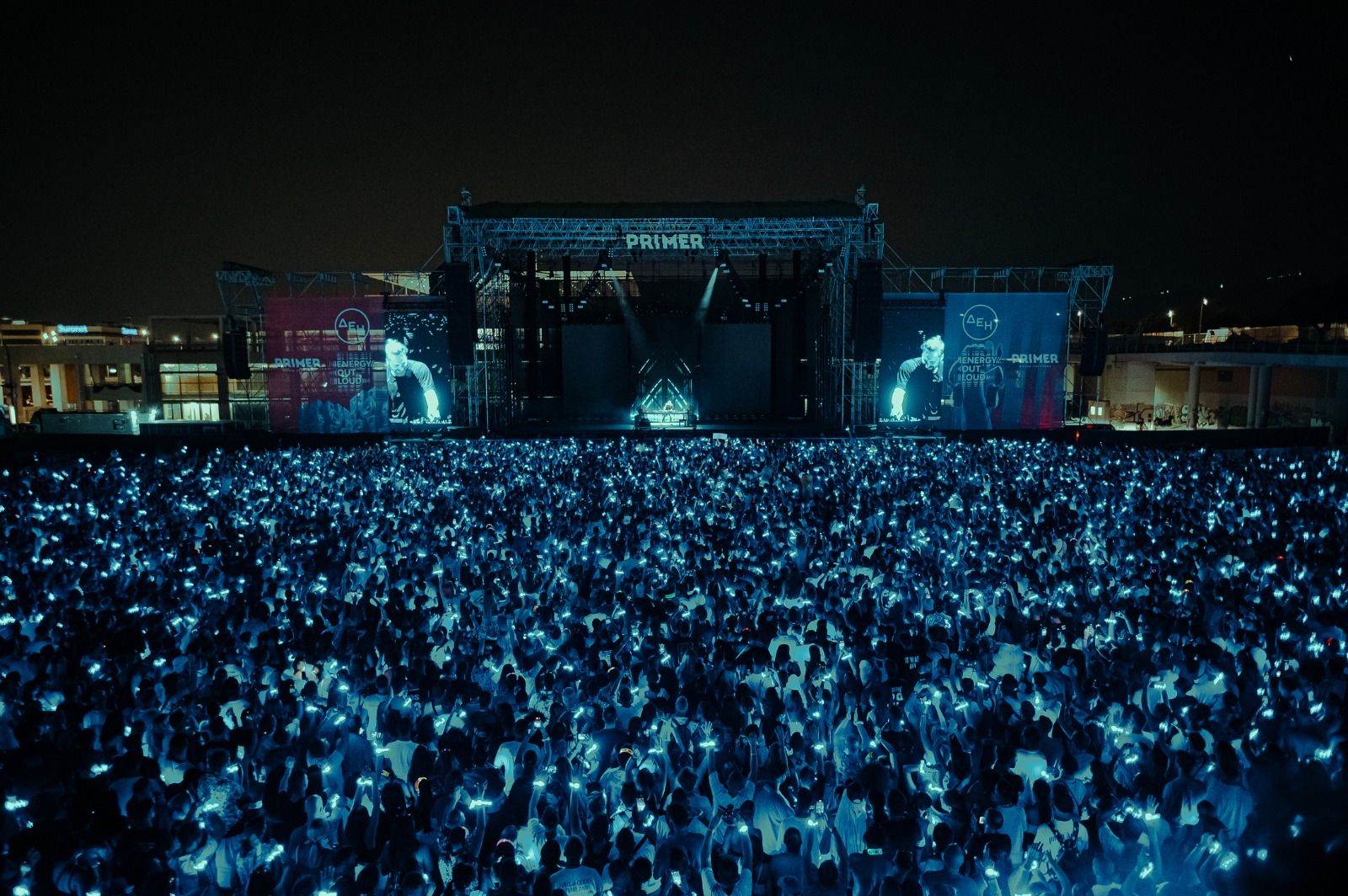
Consider the architecture of a global live event. Success depends on orchestrating countless moving parts: logistics, technology, creative direction, and audience engagement. A linear thinker might approach this task sequentially, tackling one problem at a time. A dyslexic thinker, however, is more likely to see the entire system at once. They can intuitively grasp how a change in lighting design will impact the broadcast feed, or how a logistical bottleneck could affect the audience's emotional journey. It was precisely this kind of thinking that led to the invention of Xylobands—a concept born from seeing a gap in the emotional connection between an artist and a stadium-sized audience and envisioning a technological solution to bridge it.
From Challenge to Catalyst: The Dyslexic Contribution to Tech
Many of the tools and technologies that define our modern world were pioneered by individuals who thought differently. They saw the world not as it was, but as it could be. This is the essence of dyslexic innovation. It’s about challenging assumptions and finding novel solutions to complex problems.
In the realm of immersive event technology, this manifests as a constant drive to break down the barriers between the performer and the crowd. The goal is no longer just to entertain an audience, but to transform them into an active, integral part of the spectacle. This requires a deep understanding of human psychology, a mastery of complex RF and DMX control systems, and a creative vision that can unite tens of thousands of individuals into a single, cohesive canvas of light and energy.
"Dyslexic thinking is often about seeing the connections that others miss. It's about understanding a complex system not by breaking it down into its smallest parts, but by seeing it as a whole. In event technology, that means we're not just thinking about individual LED wristbands; we're thinking about the entire crowd as a single, living organism."
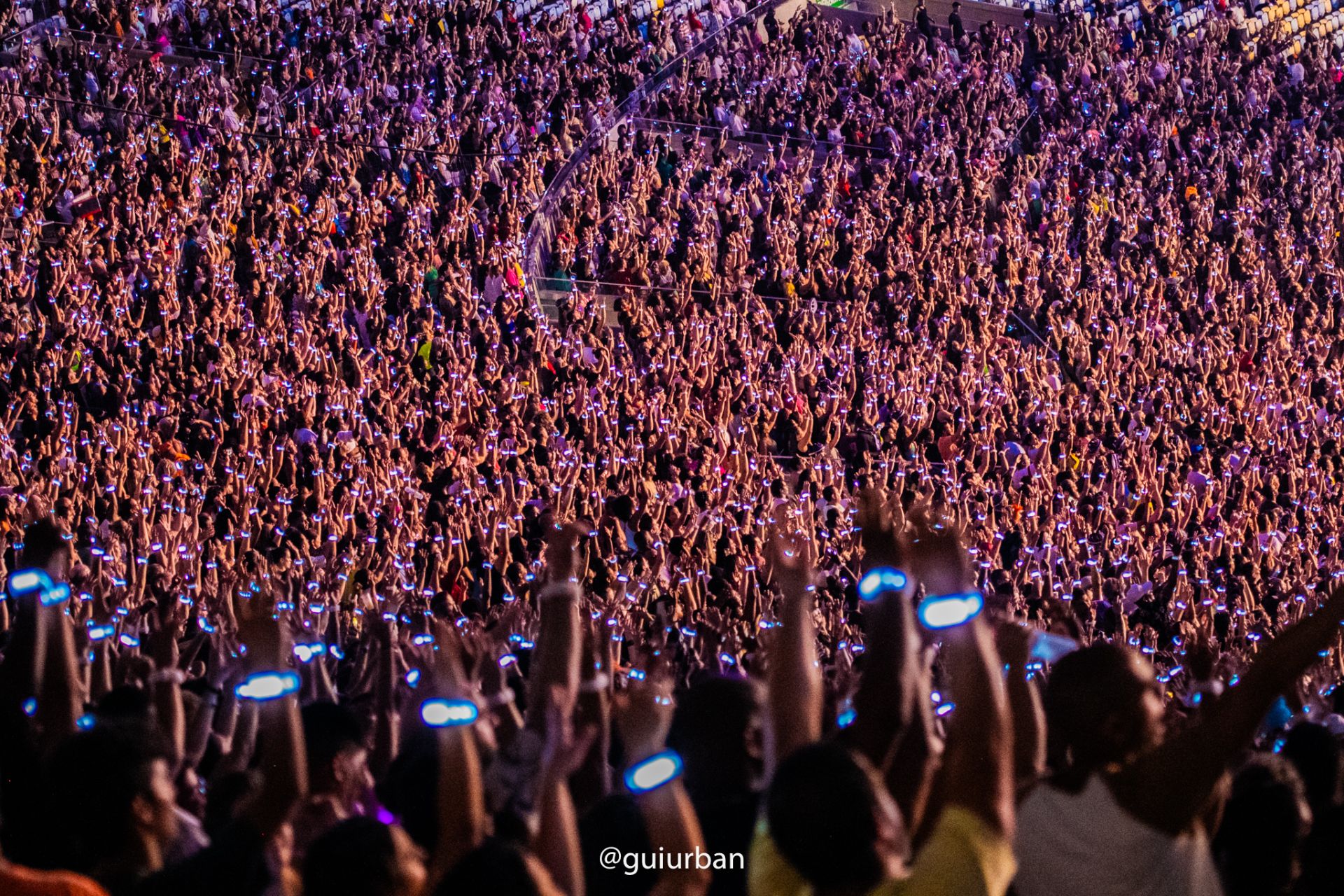
This holistic perspective is invaluable. When designing LED crowd experiences for clients like Formula One or the Eurovision Song Contest, the task is not merely technical. It's about translating a brand’s identity or an artist’s musical vision into a language of light that resonates on a massive scale. It involves choreographing moments of collective euphoria, surprise, and connection—experiences that are felt as much as they are seen.
Building Teams That Embrace Cognitive Diversity
So, how can organisations harness the power of neurodivergent thinking? It begins with a fundamental shift in mindset, moving away from a culture of remediation and towards one of celebration and strategic inclusion.
1. Redefine "Competence"
Traditional recruitment processes, with their heavy reliance on written applications and standardised tests, can inadvertently filter out exceptional talent. Businesses should explore alternative ways for candidates to demonstrate their skills, such as practical assessments, portfolio reviews, and problem-solving workshops. Focus on what a candidate can do, not just how well they can articulate it in a conventional format.
2. Design for Cognitive Accessibility
Creating a work environment that supports neurodiversity is not about making special accommodations; it's about better design for everyone. This can include offering a mix of collaborative and quiet workspaces, using visual tools for project management, and communicating key information through multiple formats (verbal, written, and visual). When we design for the edges, the center benefits too.
3. Foster a Culture of Psychological Safety
Innovative ideas are born from curiosity and experimentation. This requires a culture where people feel safe to ask questions, challenge the status quo, and propose unconventional solutions without fear of judgment. For neurodivergent employees, this sense of psychological safety is paramount. It's the bedrock that allows them to leverage their unique cognitive strengths to their fullest potential.
The success of large-scale productions, from a headline set at Glastonbury to a global broadcast for ITV, hinges on this very principle. Teams composed of diverse thinkers—specialists and generalists, linear and non-linear processors—are more resilient, more creative, and better equipped to solve the complex, multi-layered challenges inherent in creating world-class immersive events.
The Future is Neurodiverse
The next wave of innovation, whether in technology, entertainment, or business, will be driven by those who can see the world differently. The ability to spot hidden patterns, to envision systemic solutions, and to approach challenges with a fresh, unconstrained perspective is a formidable competitive advantage.
For decades, society has tried to fit the square peg of dyslexic thinking into the round hole of conventional education and business. We are now beginning to understand that the goal is not to "fix" the peg, but to recognise the unique value of its shape. By consciously building neurodiverse teams and fostering an inclusive culture, we unlock a new dimension of creativity and problem-solving.
The result is not just better business outcomes, but a more dynamic and innovative world. From corporate event activations that forge lasting brand loyalty to festival wristbands that unite a generation in a shared moment of light, the contribution of neurodivergent minds is all around us. It is the unseen advantage, the quiet catalyst, and the driving force behind the experiences that define our time.