The Hidden Blueprint: How Neurodiversity Architects the Future of Live Events
The Architect in the Shadows
In the world of high-stakes event production, the blueprint for a truly groundbreaking experience is rarely a straight line. It is a complex, layered document of logistics, artistry, and human psychology. It demands a mind that can see not just the individual components, but the intricate, often invisible, connections between them. It requires a knack for spatial reasoning, a comfort with abstraction, and an almost obsessive drive to solve three-dimensional problems. It requires, in many ways, a dyslexic mind.
The traditional narrative of dyslexia focuses on the challenges with linear, text-based processing. But this is a one-dimensional view of a multidimensional cognitive style. For many, dyslexia is not a deficit but a different mode of operating—one that prioritizes holistic, big-picture thinking over granular, sequential processing. It’s a cognitive framework that excels at recognizing patterns, understanding complex systems, and visualizing outcomes in ways that others cannot.
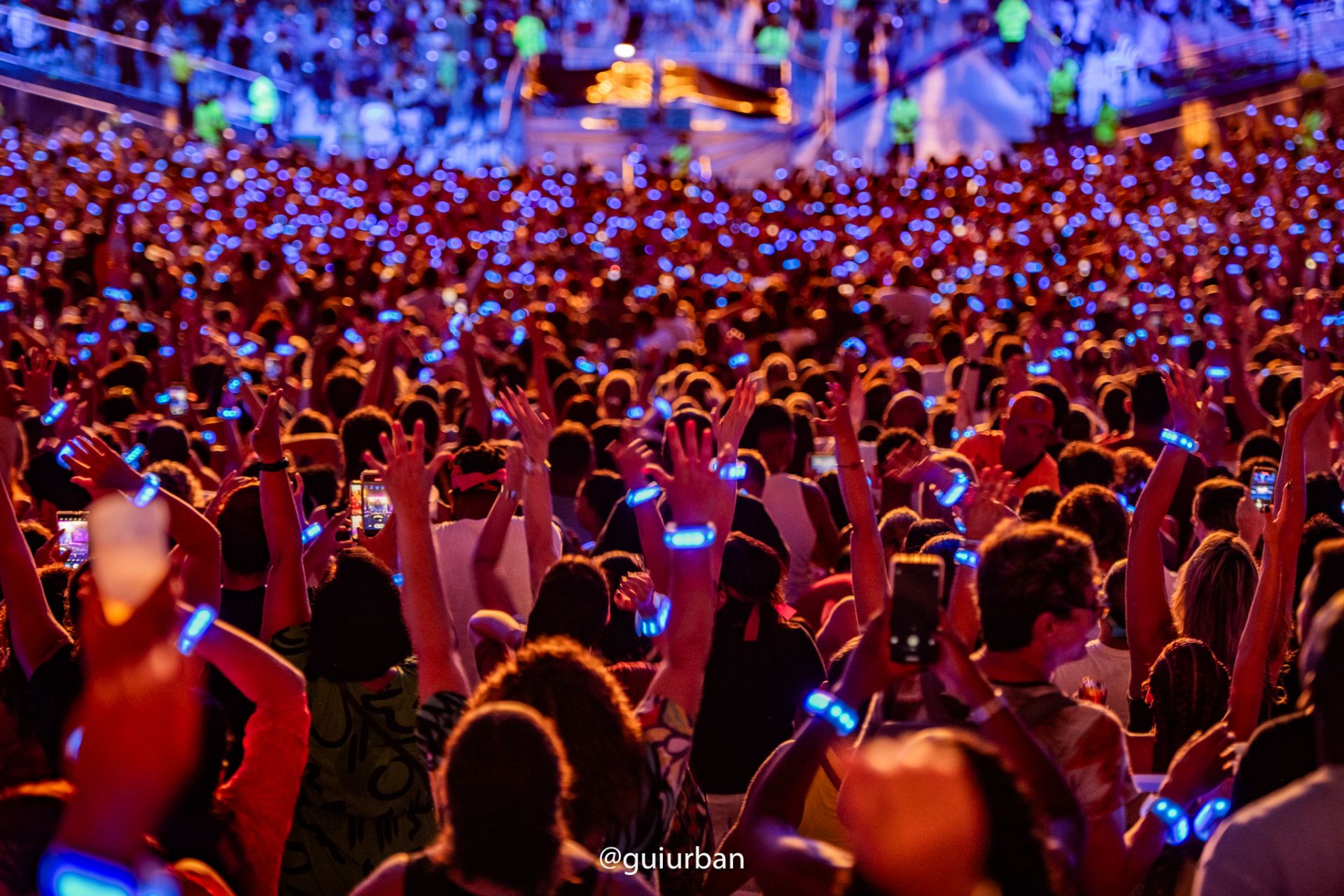
At Xylobands, our founder, Jason Regler, is dyslexic. The very concept of our technology was born from a moment of profound, non-linear connection. Watching Coldplay perform at Glastonbury, he didn’t just hear the lyric "Lights will guide you home"; he saw it. He envisioned an entire stadium of 90,000 individuals transformed into a single, cohesive canvas of light, a living organism of shared experience. This wasn’t a sequential, step-by-step deduction. It was a holistic, intuitive leap—the kind of pattern-seeking that neurodiverse minds are so powerfully adept at.
The Spatial Advantage in a Physical World
Event production is, at its core, an exercise in spatial dynamics. It’s about how people move through a venue, how light and sound travel across a stadium, and how a thousand moving parts—from freight logistics to performer cues—interlock in time and space. While others may get lost in spreadsheets and schedules, the dyslexic thinker often builds a mental model of the entire event ecosystem.
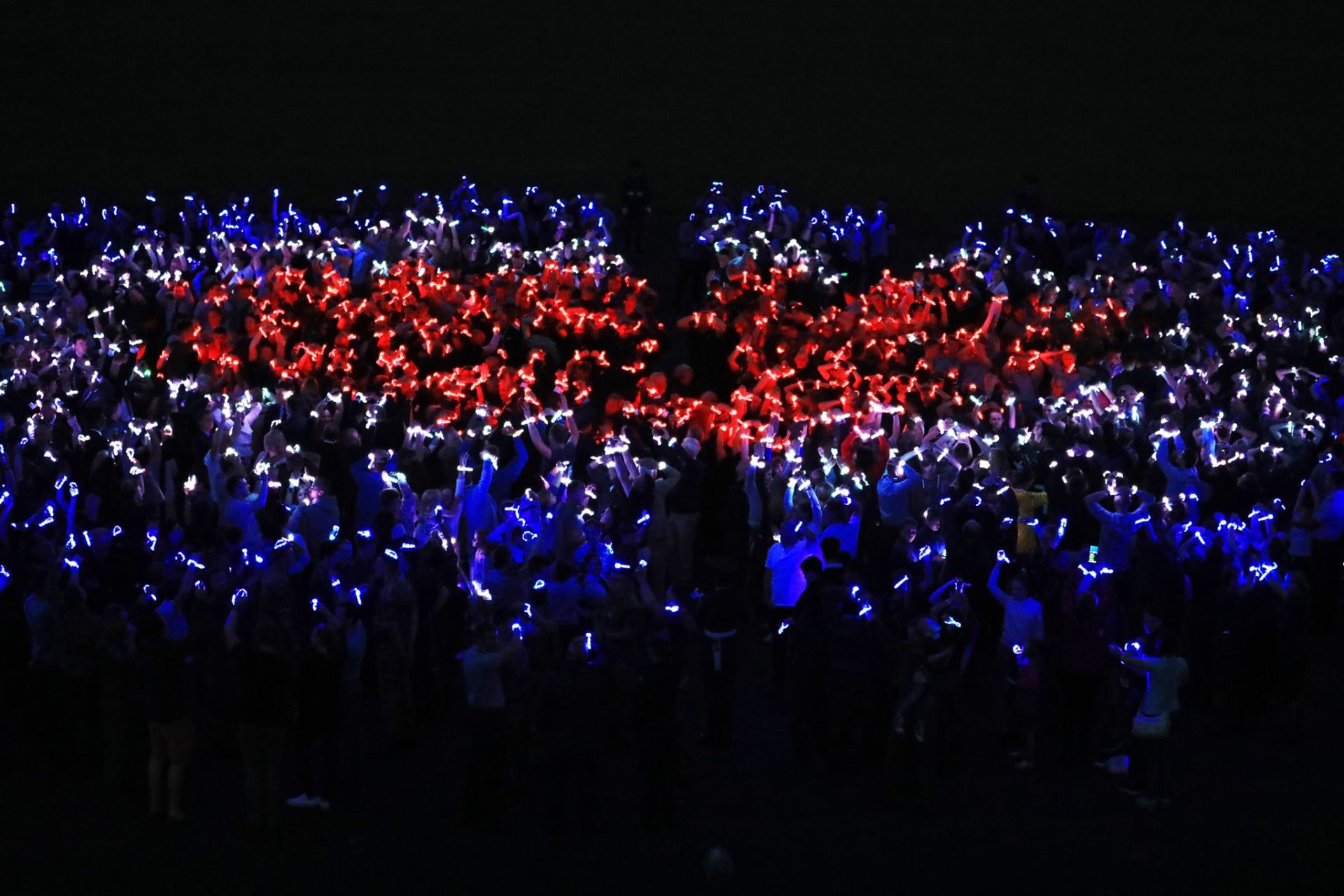
They see the stadium not as a series of zones and seat numbers, but as a fluid, three-dimensional space. They can mentally choreograph the flow of an LED light wave across 50,000 concert wristbands as if they were conducting a symphony. This ability to manipulate complex systems in the mind’s eye is a superpower in an industry where the final product is a live, breathing, and often unpredictable, physical experience. It allows for a more intuitive approach to creating immersive events, where the technology feels less like an overlay and more like an integral part of the environment’s DNA.
Problem-Solving Through a Different Lens
“The dyslexic mind is often wired to seek out the ‘why’ behind the ‘what.’ It’s a relentless curiosity that leads to unconventional solutions for conventional problems.”
When faced with a challenge, the neurotypical approach is often to break it down into smaller, linear steps. The dyslexic approach is often to reframe the problem entirely. This can be a game-changer in a field dominated by logistical hurdles and creative constraints. Where one person sees an obstacle, another sees an opportunity to innovate.
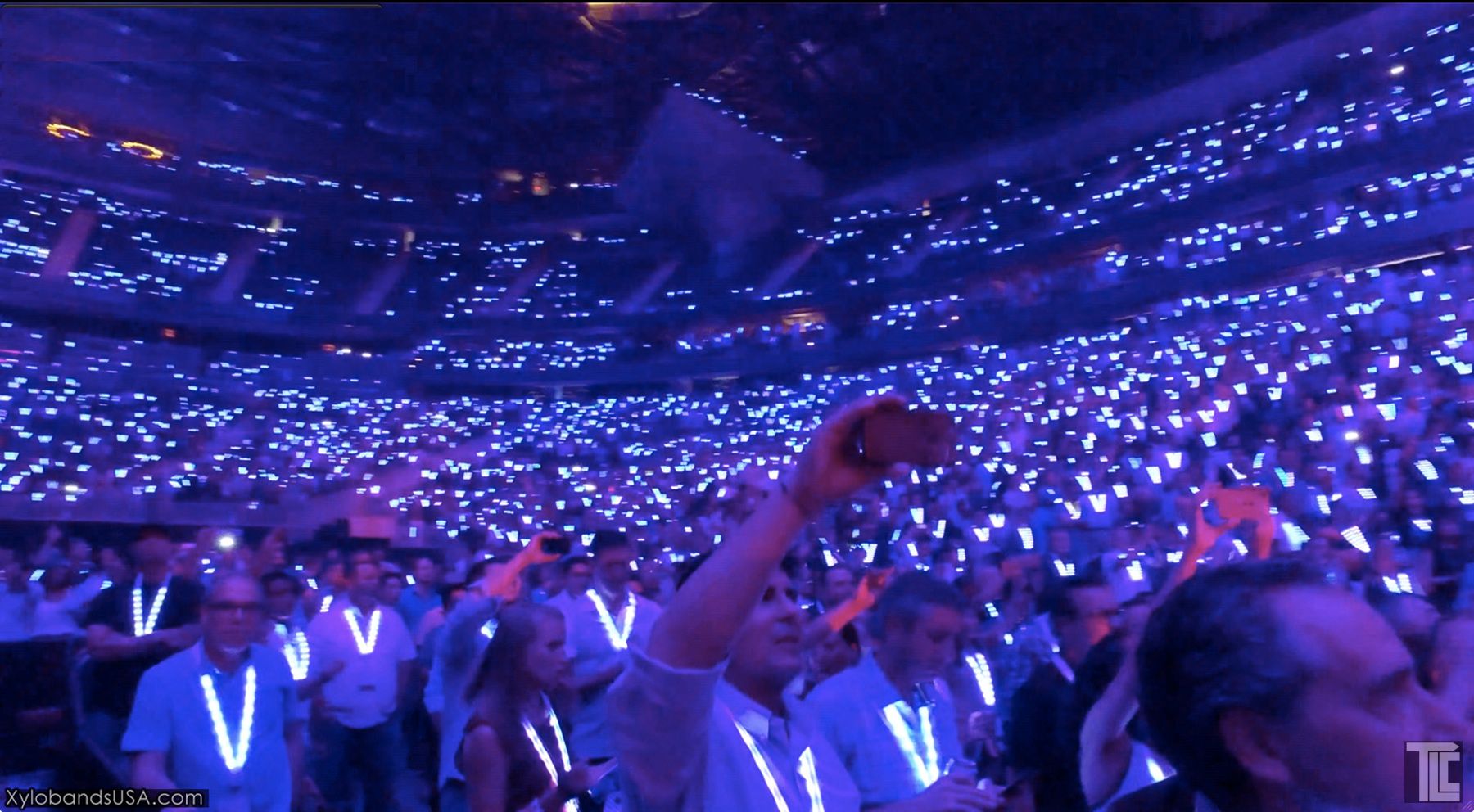
Consider the challenge of creating unique brand activations in a crowded corporate event space. A linear approach might focus on optimizing signage or booth placement. A neurodiverse approach might ask a different question: "How can we turn every attendee into a moving part of the brand story?" This shift in perspective is what leads to innovations like our custom LED Lanyards or pendants, as seen at the Formula One 75th anniversary event. These aren’t just credentials; they are nodes in a network, transforming a static audience into a dynamic, light-filled brand statement. This is systems-level thinking, and it is a hallmark of the dyslexic cognitive advantage.
Building a Culture of Cognitive Diversity
Harnessing the power of neurodiversity is not about simply hiring individuals who think differently. It’s about building a culture where those differences are understood, valued, and integrated. It means creating teams where the pattern-seekers and the detail-oriented specialists can collaborate effectively. It’s about recognizing that the person who struggles with a dense email chain may be the same person who can solve a complex logistical puzzle on a whiteboard in minutes.
The future of immersive event technology and live experiences depends on this cognitive diversity. As events become more complex, more technologically integrated, and more ambitious, we need leaders and creators who can see the whole picture. We need architects who can design not just with steel and concrete, but with light, emotion, and human connection.
The story of Xylobands is a testament to this. It’s a story of how a different way of seeing the world led to a new form of wearable LED technology that has united millions. It proves that the minds that are often misunderstood in traditional settings are the very minds capable of designing the future. In the grand choreography of a live spectacle, the most powerful instrument is not just the light or the sound, but the diversity of thought that brings it all into being.