The New Era of Sports Entertainment: Choreographing the Fan Experience
The Stadium as the Stage
The whistle blows, the halftime clock starts, and for millions around the world, the real show begins. The modern sports event has transcended its athletic origins to become a multi-faceted entertainment spectacle. The halftime show, once a modest interlude featuring marching bands, has evolved into a production of monumental scale and complexity, often commanding as much media attention and cultural currency as the game itself.
For event producers and choreographers, the sports stadium presents a unique and formidable set of challenges. Unlike a traditional theatre with its controlled environment and singular focal point, a stadium is a sprawling, 360-degree arena. The audience isn't just in front of the stage; it surrounds it. The distances are vast, sightlines are complex, and the ambient environment is unpredictable. How do you create moments of intimacy, connection, and cohesive artistic vision when your canvas is measured in acres and your audience in the tens of thousands?
The answer lies in redefining the canvas itself. The most innovative productions are no longer just playing to the crowd; they are playing with it. They are transforming the audience from passive spectators into an integral, dynamic element of the performance itself.
The Crowd as the Choreographic Partner
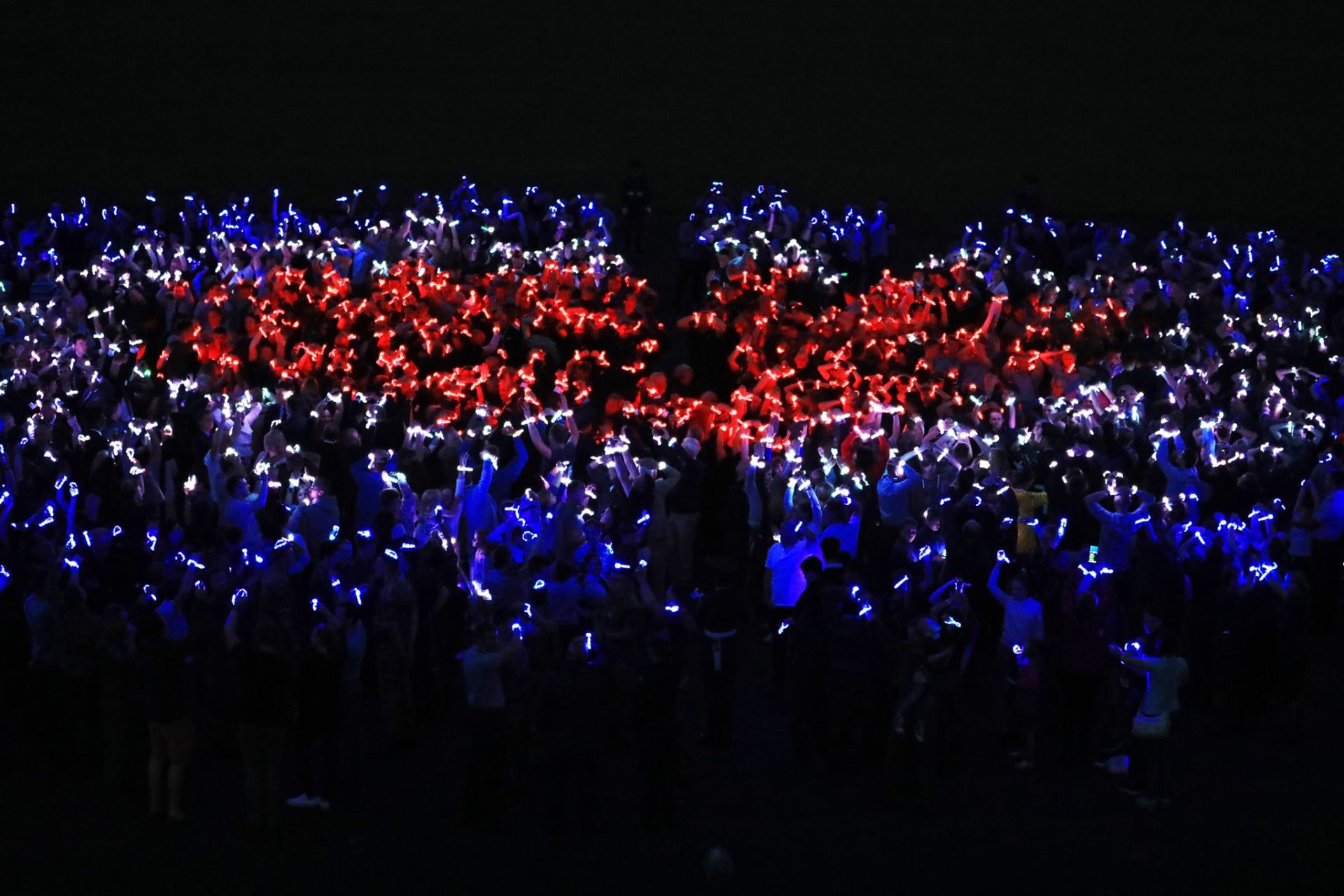
Imagine a stadium plunged into darkness. A solo artist stands on a central stage. As the first notes of a power ballad ring out, it’s not a spotlight that illuminates them, but a soft glow emanating from the crowd itself. As the music swells, waves of color begin to sweep across the stands, perfectly synchronized to the beat. Intricate patterns, team logos, and animated sequences flow across the audience, turning a sea of individuals into a single, living entity of light and energy. This is the power of Immersive Event Technology.
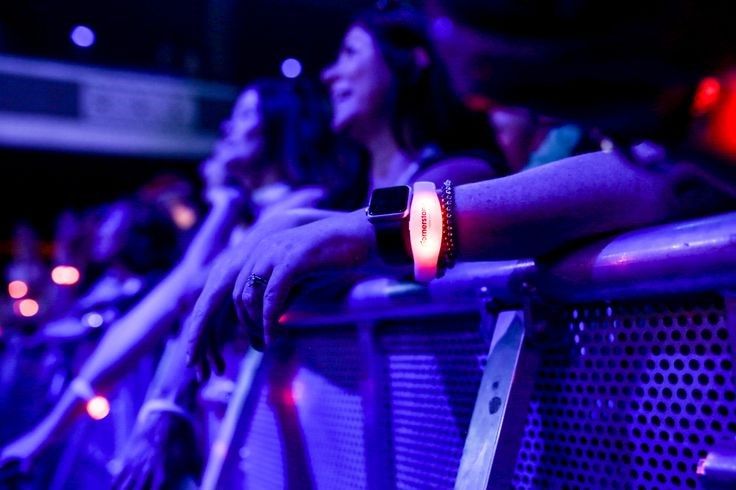
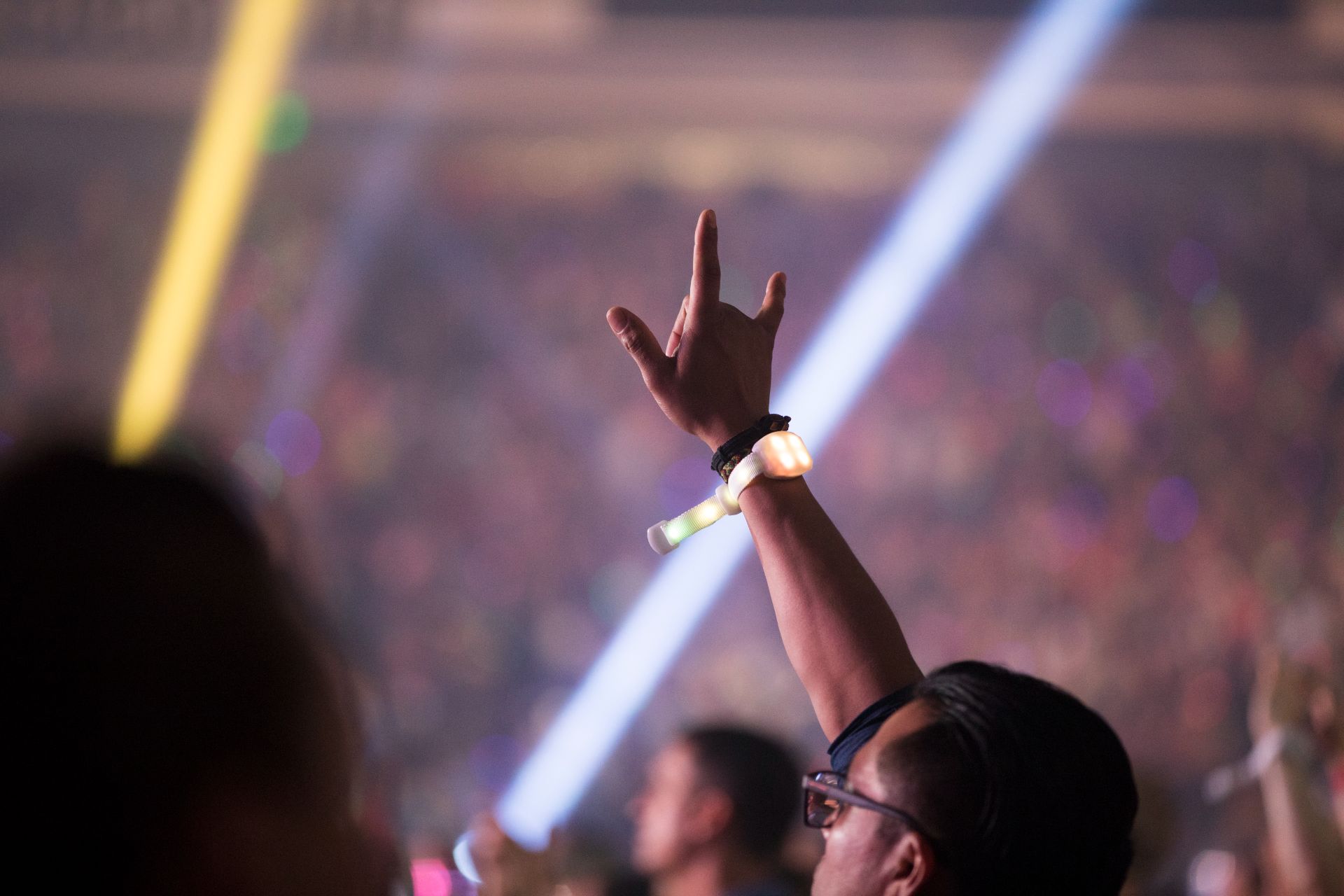
This is where the choreographer's playbook expands into a new dimension. With the advent of Wearable LED Technology like Xylobands, the crowd becomes a new medium for artistic expression. Every single fan, by virtue of wearing a radio-controlled wristband, becomes a pixel in a colossal display. The traditional tools of choreography—movement, timing, and formation—are now applied to light itself, on a scale previously unimaginable.
This creates a powerful feedback loop. The fans are not just watching the show; they are the show. Their collective participation fuels the energy, which in turn elevates the performance on the field. The barrier between performer and observer dissolves, replaced by a shared, communal experience.
The Technical Ballet: Orchestrating the Spectacle
Executing a stadium-wide light show is a technical ballet, a masterful blend of creative vision and precision engineering. It requires a new kind of collaboration between the choreographer, the lighting designer, the broadcast director, and the technology provider. The process begins long before game day, in the digital realm of visualization and pre-programming.
Using sophisticated software, designers can map an entire stadium, assigning a virtual location to every seat. This allows them to design and rehearse complex LED Crowd Experiences, plotting the flow of color and motion across different sections of the arena. This level of granular control is what makes the magic possible. For the Formula One 75th anniversary event, for example, custom LED Lanyards were created with different branding for various hospitality levels, and our teams positioned them around the arena to integrate specific, dynamic effects into the broadcast show.
On the night, a powerful RF transmitter sends signals to the Radio Controlled LED Wristbands, activating them in perfect synchrony with the live performance. A single operator can trigger pre-programmed sequences, respond to live cues, or even create effects on the fly, painting with light across the stadium in real-time. Whether it’s pulsing reds and blues for a rivalry game, creating a shimmering gold effect for a trophy presentation, or blanketing the stadium in a team’s colors after a victory, the technology provides a versatile and powerful tool for storytelling.
Beyond the Halftime Show
While the halftime show may be the pinnacle of this new art form, the technology offers opportunities to enhance the entire fan journey. From the moment a fan enters the stadium, the experience can be curated and elevated.
- Opening Ceremonies: Imagine player introductions where a path of light follows them onto the field, created by fans in the stands.
- In-Game Moments: Key plays, like a touchdown or a goal, can be punctuated by a flash of light erupting from the entire crowd. This turns the entire stadium into a kinetic scoreboard.
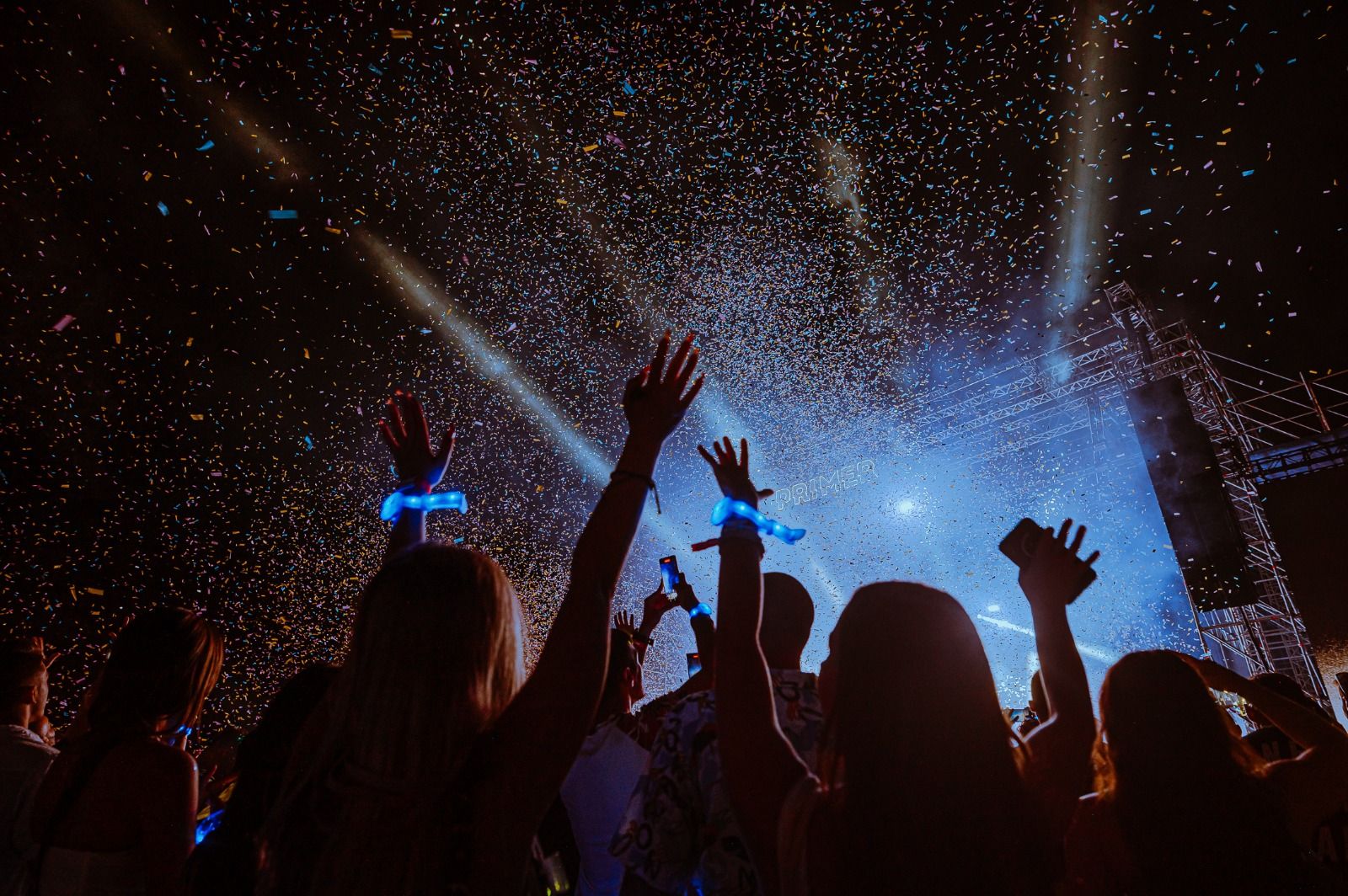
- Victory Celebrations: As confetti rains down, the crowd can become part of the celebration, with LED Bands and LED Bracelets pulsing in a joyous, unified rhythm.
This approach has been used to amplify the atmosphere at a diverse range of premier sporting events, from the historic courts of the Davis Cup to the high-octane energy of the Chicago Blackhawks. It’s a testament to the universal power of light to unify and energize a crowd, regardless of the sport.
The Future of Fandom
The modern sports franchise is no longer just selling tickets to a game; it is curating a multi-platform entertainment experience. In an age of digital distraction, the live event must offer something that cannot be replicated at home. It must be immersive, participatory, and above all, memorable.
By treating the crowd as a creative partner and leveraging technologies that facilitate that partnership, producers and choreographers can close the vast distances of the stadium. They can forge a tangible connection between every single fan and the heart of the action. The result is more than just a light show; it’s a shared spectacle, a moment of profound unity, and the new benchmark for Immersive Events. The game may be the reason they came, but this shared, illuminated experience is what they will remember long after the final score.