The Sentient Sea: Next-Generation Crowd Analytics and the Future of Event Safety
The Unseen Pulse of the Super-Crowd
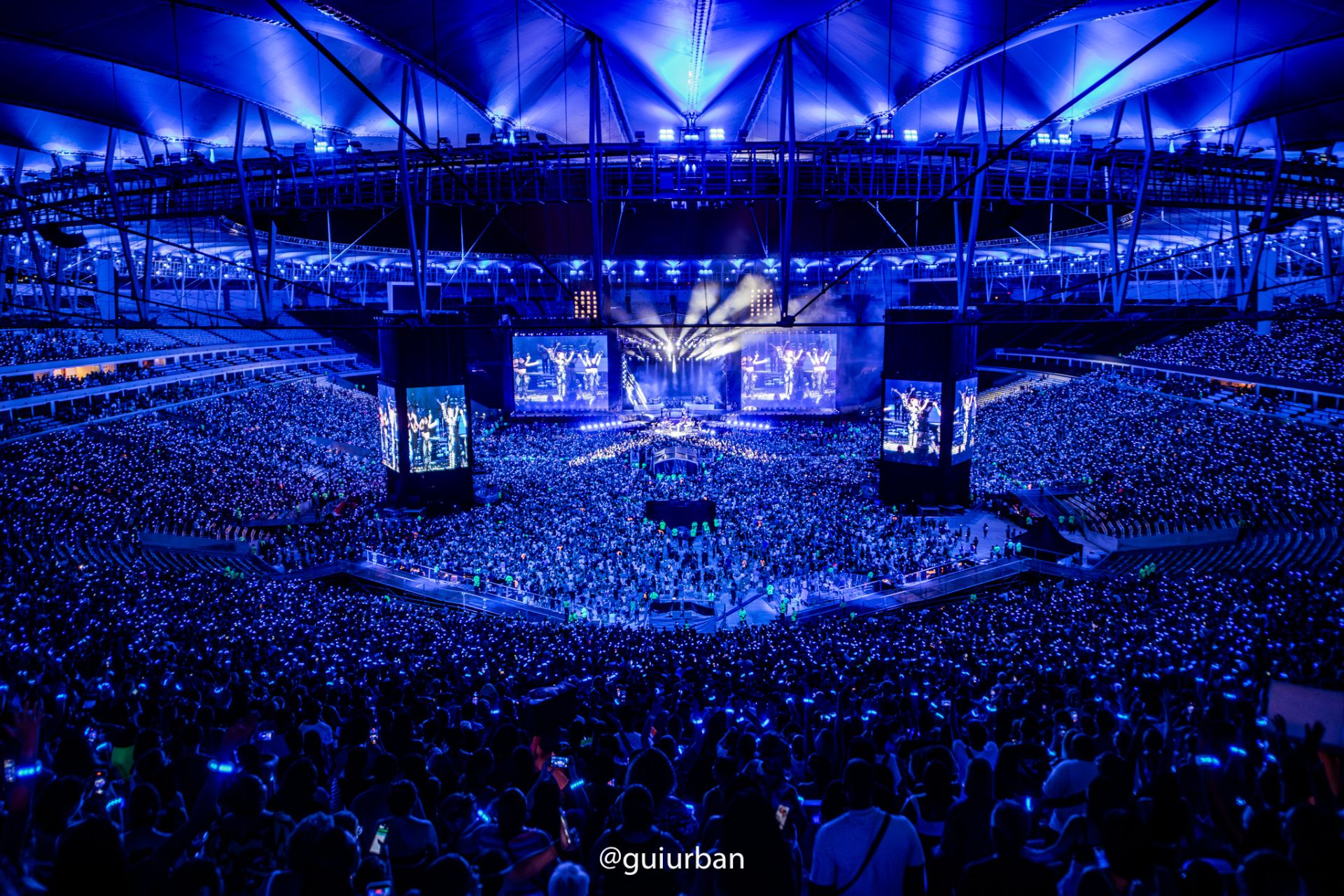
Stand in the heart of a stadium during a headline performance, and you feel it: a living, breathing entity. A crowd of ten, fifty, or seventy thousand people moves with a single, unpredictable pulse. It’s a force of immense energy, the very core of the live experience. For event producers and tour managers, however, this energy presents a monumental challenge. Behind the spectacle and the sound, the highest priority is always the safety and well-being of every single person in that electric sea of humanity. Managing the flow, density, and sentiment of a super-crowd has traditionally been aoliath task, relying on experience, intuition, and a network of eyes on the ground.
But as stadia grow larger and productions become more complex, these analogue methods are reaching their limits. In the modern era of mass gatherings, intuition is no longer enough. We need data.
From Headcounts to Heartbeats: The Limits of the Analogue Model
For decades, crowd management has been a largely reactive discipline. Security staff in fixed positions, observers on elevated platforms, and roaming teams communicate via radio, reporting incidents as they occur. The approach is based on identifying a problem—a bottleneck at an exit, a medical emergency in a dense section, an unsafe surge—and mobilizing a response. The inherent delay in this model, the time between incident, observation, communication, and intervention, is where risk resides.
The core limitation is a lack of real-time, comprehensive insight. You can’t see the pressure building in a crowd until it becomes critical. You can’t predict which pathway audiences will favor after the encore. You are, in essence, trying to map an ocean with a handful of sensors. To truly ensure safety at scale, producers need a new kind of visibility—one that sees the entire crowd, all at once.
The Wearable Revolution: More Than Just a Light Show
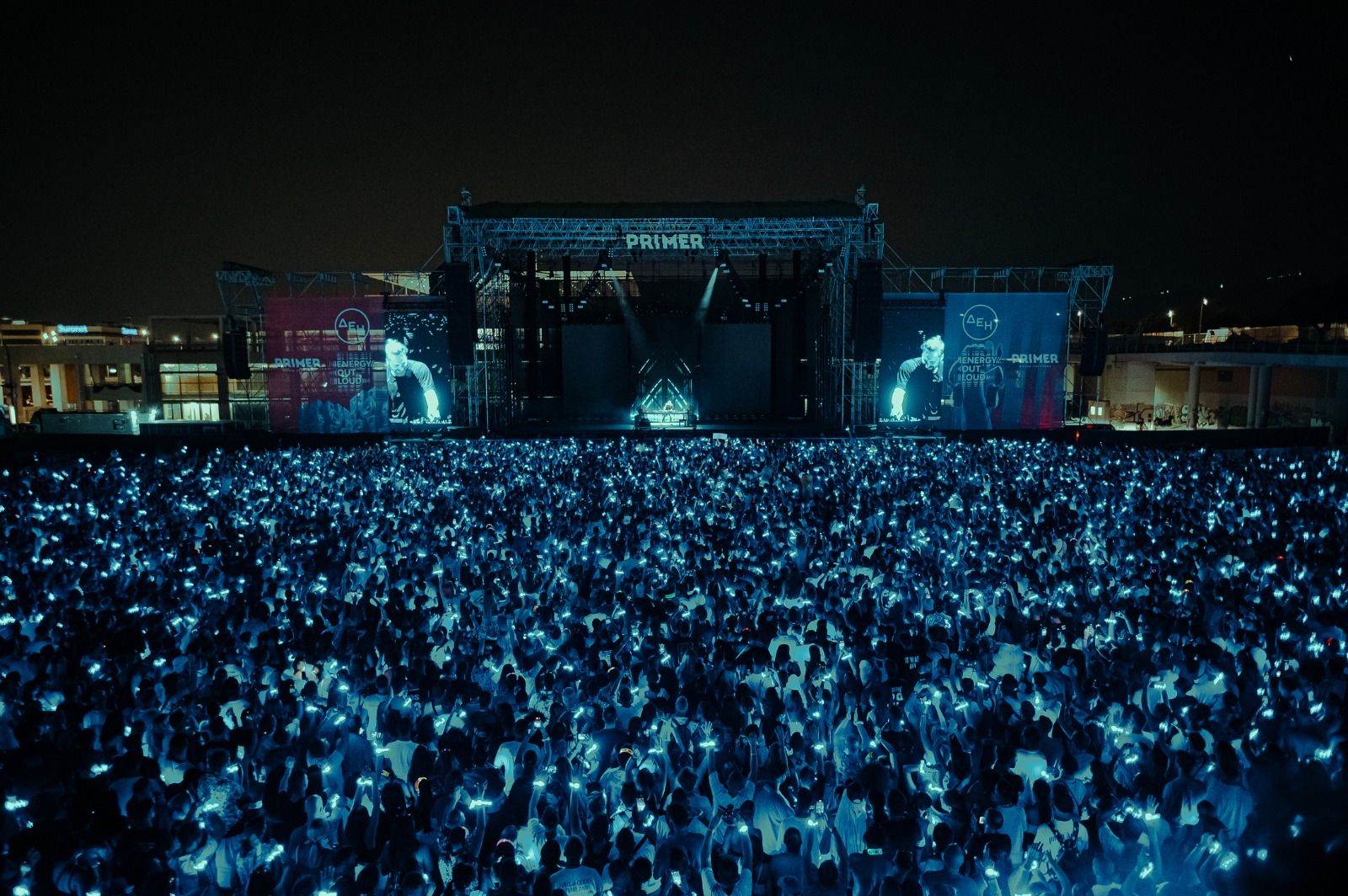
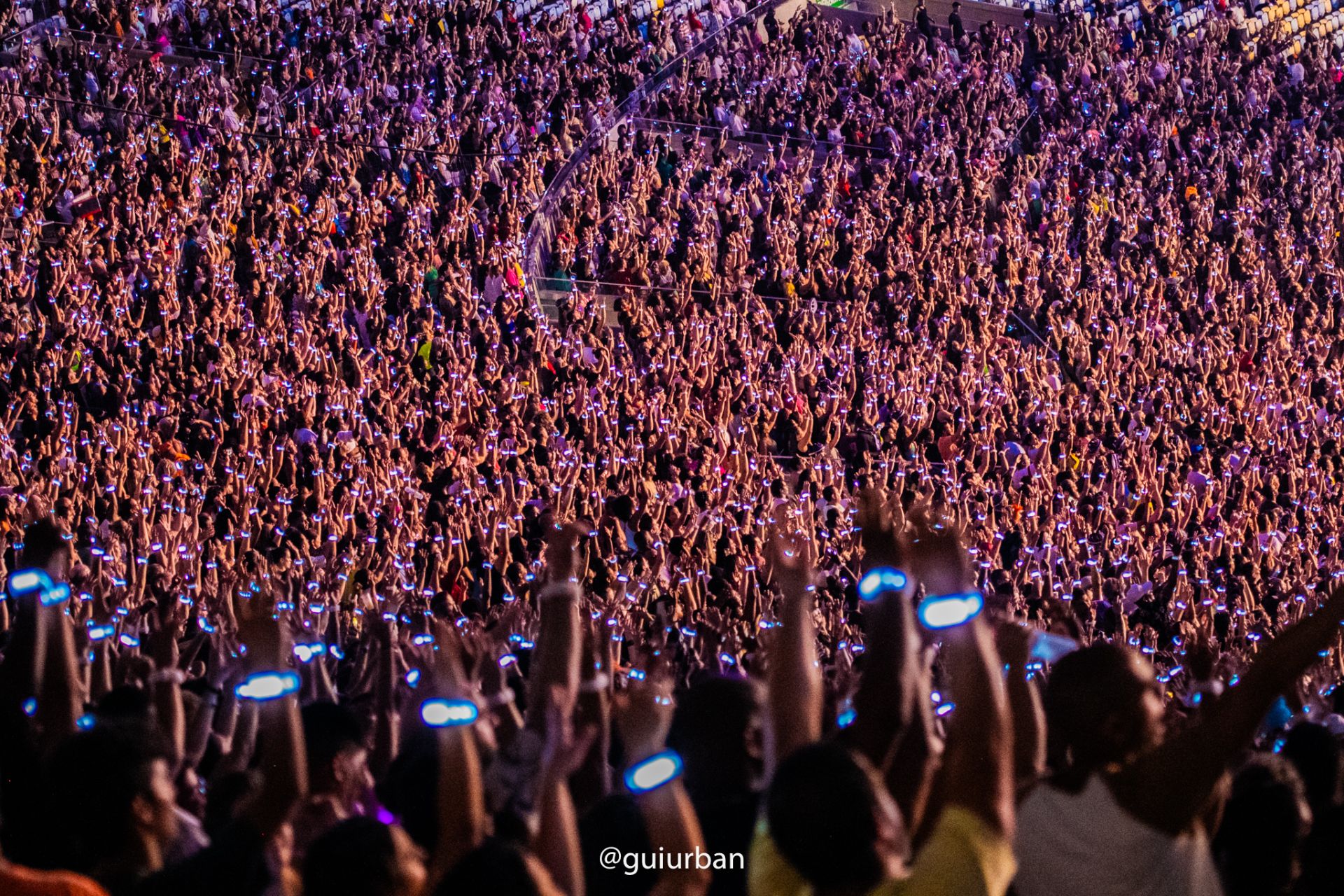
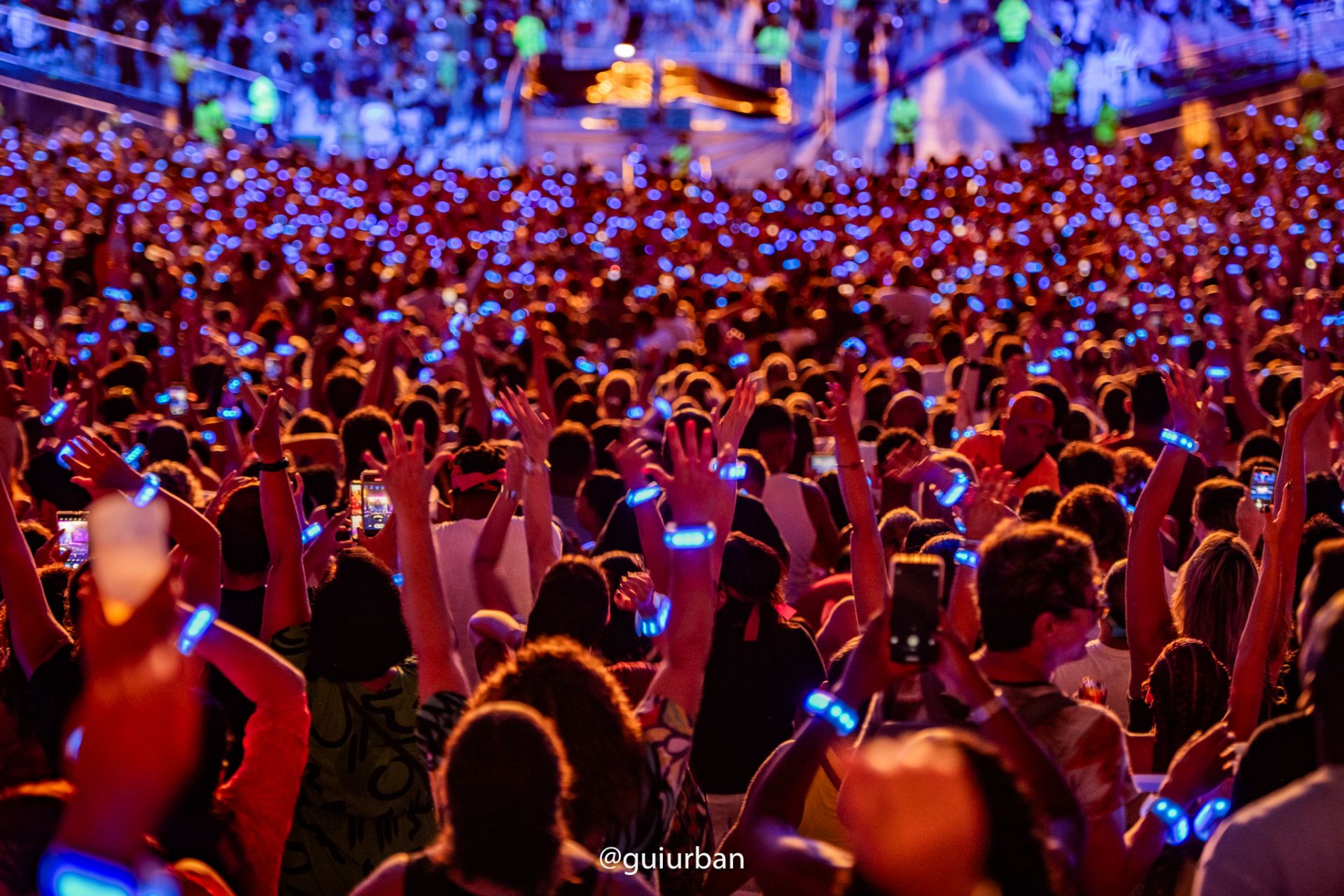
This is where Wearable LED Technology transforms from a spectacular creative tool into a critical component of event infrastructure. A system of Radio Controlled LED Wristbands, like the Xylobands that have illuminated audiences for artists like Coldplay and Maluma, do more than just create a stunning visual symphony. Each wristband is an intelligent, addressable node in a venue-wide network. When thousands of these are distributed throughout an audience, they create a living, dynamic map of the crowd itself.
This network provides a layer of data that was previously unimaginable. Suddenly, the audience is no longer an anonymous mass. It’s a sentient sea of data points, offering real-time insights into the pulse and flow of the entire event space. This is the foundation of a new, proactive approach to safety, turning Immersive Event Technology into an essential operational asset.
Real-Time Analytics: The Crowd as a Living Map
By analyzing the signal strength, location, and density of these LED Bands, a production team can visualize the entire audience as a real-time heat map. Instead of guessing where choke points might form, they can see them developing. They can monitor the dispersal rate from a specific area, identify sections that are dangerously overcrowded, or spot pockets of immobility that might signal a problem.
Imagine a major festival like Primer Music Festival after the final set. The analytics dashboard shows a massive, rapid congregation of attendees moving toward a single, narrow exit path, while two other, wider exits remain underutilized. This is a recipe for a dangerous crush. Before the situation becomes critical, the event control team has the data to act.
A New Language of Light: Directing the Flow
This is where the system closes the loop. The same LED wristbands that provide the data can be used to deliver the solution. In response to the overcrowding scenario, the control team can instantly change the color and pattern of the wristbands. The devices on people heading toward the congested exit could begin to flash a soft, cautionary red. Simultaneously, the wristbands on attendees near the underused exits could pulse with an inviting, directional green or blue.
This creates a subtle, intuitive, and language-agnostic form of mass communication. You are not just telling people where to go; you are guiding them with light. In a more urgent scenario, this same technology can be used to carve a glowing pathway through a dense crowd for medical teams, directing them precisely to an individual in need far faster than would be possible otherwise.
Beyond Safety: Optimizing the Entire Event Ecosystem
The applications for this anoymized aggregate data extend far beyond emergency response. Understanding crowd flow is a powerful tool for optimizing the entire event experience. Analytics might reveal that a certain concession area is consistently overwhelmed while another is under-visited, allowing for better resource allocation at the next event. It can inform the placement of restrooms, merchandise stands, and key Corporate Event Activations to maximize engagement and minimize frustrating queues.
For complex, multi-zone events like the Formula One 75th-anniversary celebration, where different groups of fans, hospitality guests, and teams are in specific areas, this data allows for incredibly granular management of the space, ensuring a seamless and safe experience for everyone. It provides a level of empirical evidence to guide venue design and operational strategy, turning each event into a learning opportunity for the next.
The Future is Sentient
As live experiences continue to push boundaries, the technologies that underpin them must evolve. The management of super-crowds is no longer just a matter of security and logistics; it's becoming a data science. Wearable LED technology is at the absolute forefront of this shift. It represents a move from passive observation to active, real-time analysis and response.
By transforming the audience into a connected, intelligent network, companies like Xylobands are not just engineering unforgettable LED Crowd Experiences; they are building a new frontier of event safety. The result is more than a spectacular light show. It’s a safer, smarter, and more profoundly connected event for everyone, from the front row to the production booth.