Pattern Recognition: The Dyslexic Advantage in Business and Innovation

The Map and the Territory
In the structured world of business, we are taught to read the map. We learn to follow linear paths, to process information sequentially, to build arguments brick by brick. We are graded, judged, and promoted on our ability to navigate this pre-drawn territory. But what if the greatest opportunities aren’t on the map at all? What if they exist in the territory itself—in the complex, non-linear, and often chaotic reality that the map can only approximate?
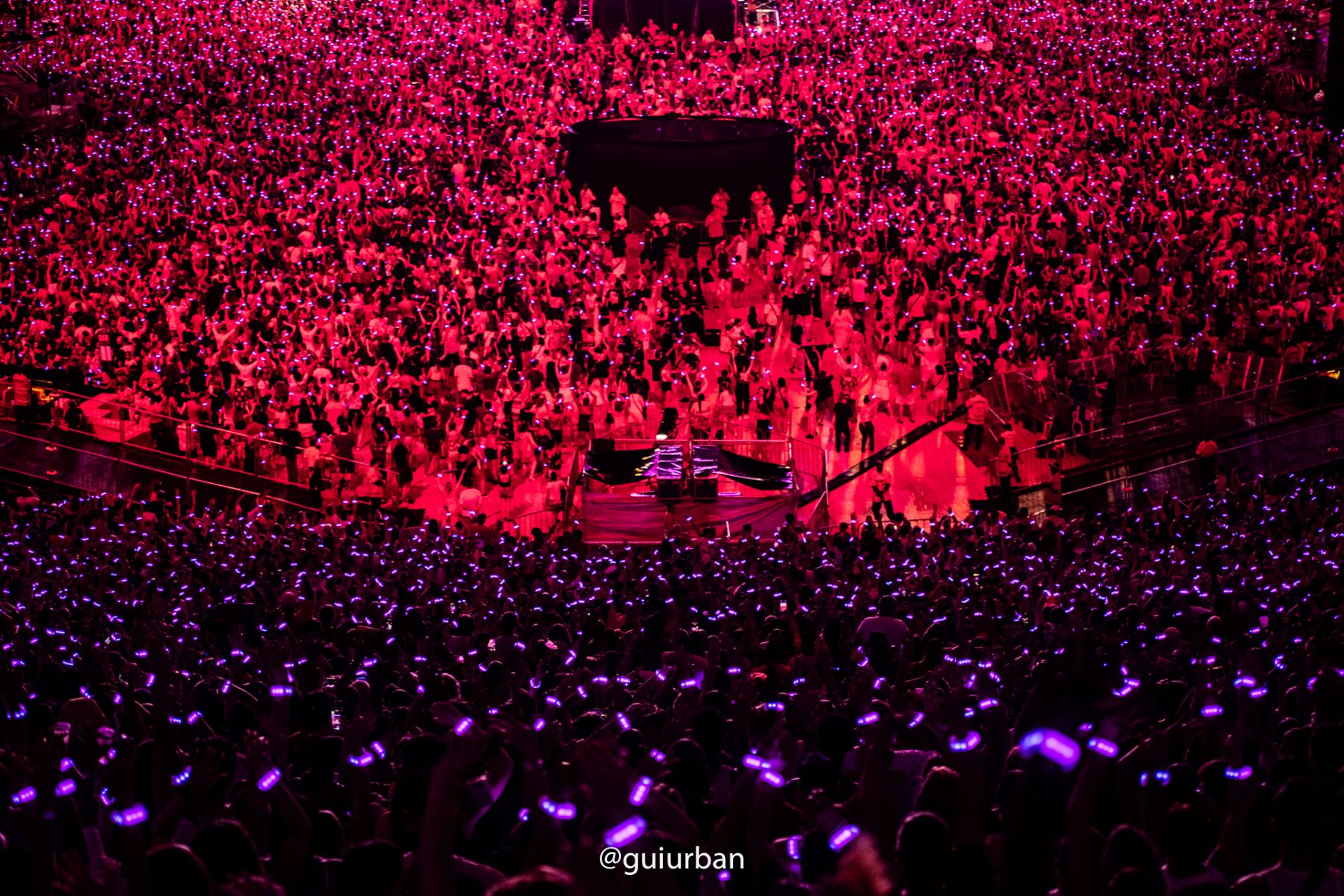
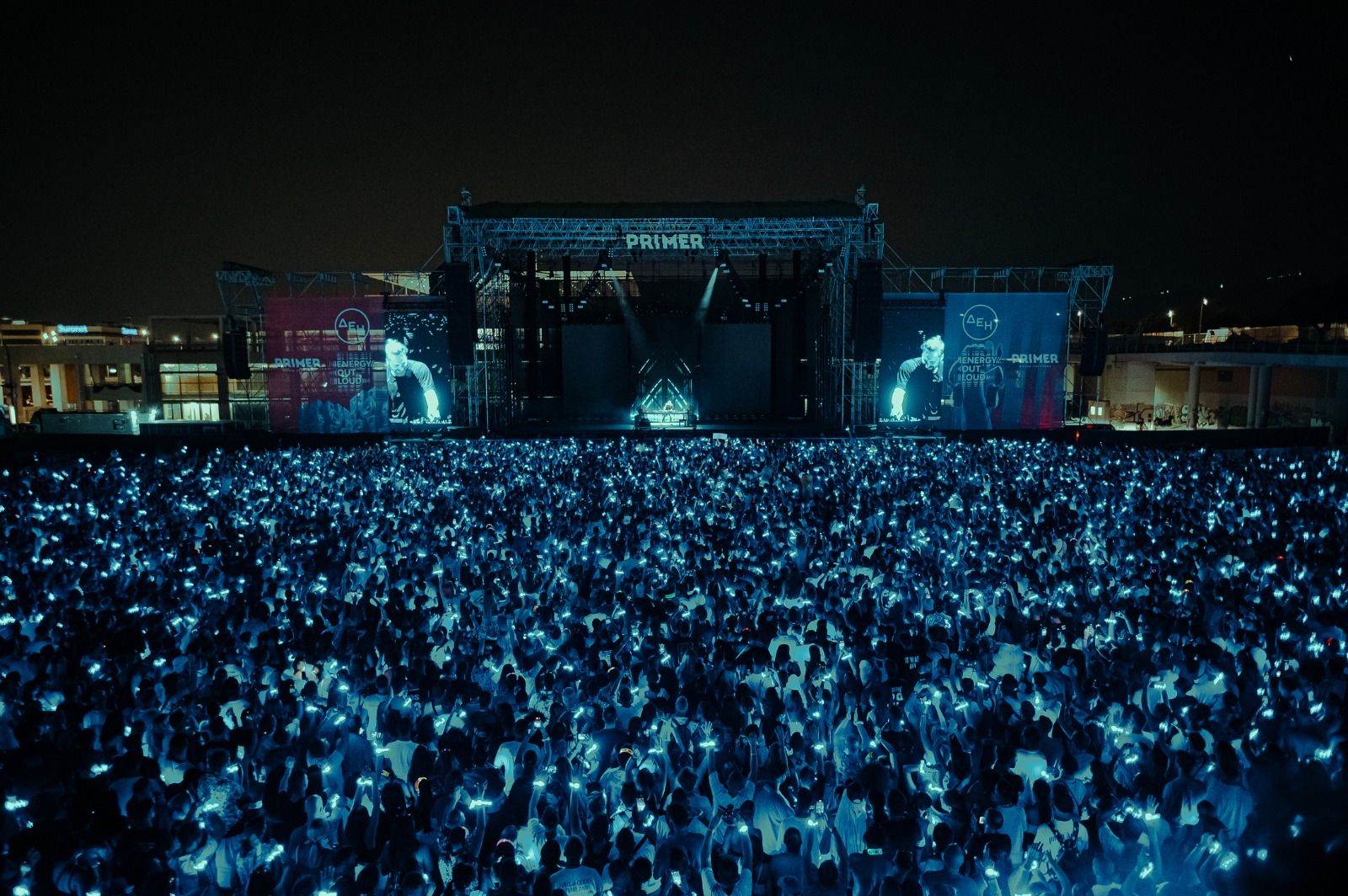
This is the world of the dyslexic mind. Often misunderstood and narrowly defined by its challenges with linear text, dyslexia is not a cognitive deficit but a different processing style. It’s a neurological variance that fosters a unique set of abilities: exceptional spatial reasoning, a gift for spotting connections others miss, and an intuitive grasp of the big picture. In the high-stakes environment of entrepreneurship and innovation, these are not just advantages; they are superpowers. This cognitive framework is precisely what allowed Xylobands founder Jason Regler to see a stadium of 90,000 individuals and imagine a single, connected canvas of light.
Seeing in Systems, Not Sequences
The conventional business environment tends to reward sequential, detail-oriented thinking. Yet, breakthrough innovation rarely arises from simply executing the next logical step. It comes from a holistic understanding of a system—seeing all the moving parts at once and recognizing a latent potential within them. Dyslexic thinkers often excel at this, processing information in a more diffuse, interconnected way.
Think of the origin of Xylobands. It wasn’t born from an incremental improvement on existing lighting technology. It was born from a moment of pure synthesis at a Coldplay show during the song "Fix You." As the lyric “lights will guide you home” filled the air, Jason didn’t just see thousands of individual lighters. He saw a system. He envisioned a network of light, a living organism of shared emotion, with every single person transformed from a spectator into an integral part of the spectacle. He saw the latent potential for immersive events years before it became an industry buzzword.
This ability to perceive the whole—the emotional current of a crowd, the theatrical arc of a performance, the technical feasibility of a wireless network—is a hallmark of the dyslexic advantage. It’s the capacity to connect disparate concepts like radio frequencies, LED technology, and the psychology of collective effervescence to create something entirely new: the world’s first truly interactive LED Crowd Experiences.
The Advantage of Adaptation
When the world isn’t built for how your mind works, you become relentlessly good at finding new ways to make it work. Dyslexic individuals spend their lives developing compensatory strategies, and this constant, low-grade problem-solving builds a powerful muscle for creative thinking. They are less bound by conventional wisdom because conventional wisdom was often a barrier, not a help.
This adaptive mindset is the engine of R&D. It’s the voice that asks, “Why not?” when others are asking, “Why?” It’s what drives the development of immersive event technology that can scale from an intimate TV studio for a show like Beat The Chasers UK to lighting up 54,000 fans at a Maluma concert in Medellín. It’s the creative flexibility required to design Custom LED Wristbands and LED Lanyards that can function as team identifiers at a Formula One anniversary event one night, and then as synchronized instruments in a symphony of light for Wizkid at the O2 Arena the next.
This mode of thinking doesn’t just solve problems; it reframes them. The problem wasn’t “how do we make a brighter wristband?” The problem was “how do we make the audience feel like they are part of the band?” The answer was a system of Radio Controlled LED Wristbands that turned every fan into a pixel in a monumental display of light and unity, forever changing the DNA of live shows.
Building a Neurodiverse Powerhouse
The true power of this cognitive style is unleashed when it’s integrated into a balanced team. While a dyslexic founder might provide the sprawling, 30,000-foot vision, they need a team of diverse thinkers to help engineer that vision into reality. They need the linear, detail-oriented minds to build the operational maps, refine the technical specifications, and manage the complex logistics of deploying millions of pieces of wearable LED technology across more than 70 countries.
The most innovative companies are not built on a monoculture of thought. They are built on a bedrock of cognitive diversity. They are places where the pattern-spotters and the systems-thinkers collaborate with the sequential analysts and the detail-oriented executors. This synergy allows for both radical creativity and flawless execution—a combination that is exceedingly rare and incredibly powerful.
From the first Coldplay Xylo Band on the Mylo Xyloto tour to the iconic Glastonbury Wristbands and dynamic Corporate Event Activations for global brands, the story is the same: a non-linear vision, grounded and executed by a world-class team. It’s a testament to the idea that the people who see the world differently are the ones who ultimately change it. In a world racing toward ever more complex challenges, the ability to see the pattern in the noise, to connect the unconnected, and to imagine a future that isn’t on any map may be the most critical business asset of all.