The Unseen Pull: Decoding the Psychology of Collective Engagement
The Phenomenon of Oneness
It’s a feeling every event producer, tour manager, and artist strives to create, yet it remains one of the most mysterious phenomena in live entertainment. One moment, you have a stadium filled with 50,000 individuals, each with their own thoughts, agendas, and personal space. The next, they are a single, pulsing entity, moving and reacting as one. This is the moment of collective effervescence—a concept coined by sociologist Émile Durkheim—where the boundary between self and group dissolves, replaced by a profound sense of unity and shared emotion.
But what is the psychological mechanism at play? It begins with the fundamental human need for belonging. Live events tap into our deep-seated tribal instincts. Being part of a crowd that shares a common focus—be it a band, a sports team, or a brand message—validates our identity and reinforces our social bonds. However, belonging is only the start. To achieve true engagement, you must transform a passive crowd into an active participant.
From Spectator to Participant: The Power of Agency
The journey from passive viewership to active participation is a delicate one. Historically, this was achieved through simple call-and-response or by encouraging singalongs. The modern audience, however, exists in a sophisticated digital landscape and expects a higher level of interaction. The shift is from watching the show to becoming the show.
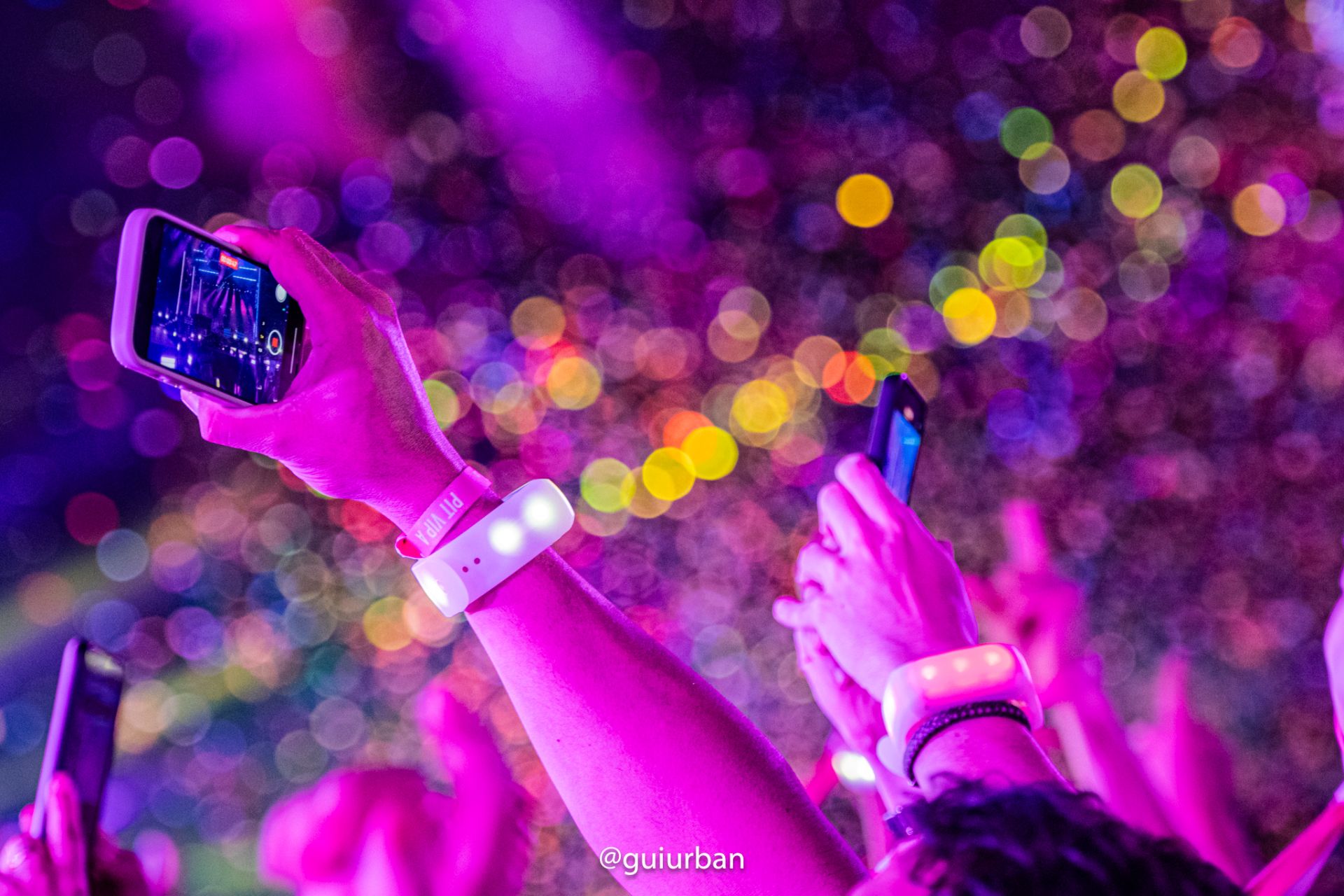
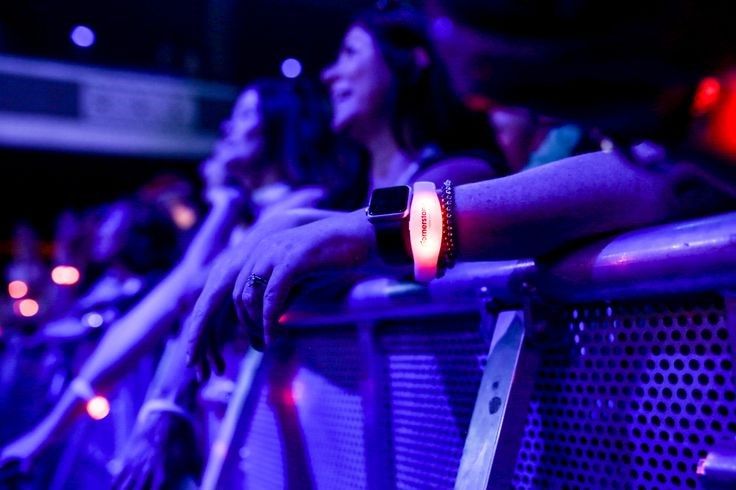
This is where technology, when applied with creative intent, becomes a powerful tool. Giving each audience member an element of control, or the feeling of direct influence over the event’s sensory environment, is a game-changer. When an individual’s action is mirrored and amplified across thousands of others in real-time, it creates a powerful feedback loop. The visual spectacle of thousands of LED Wristbands or LED Lanyards igniting in unison, controlled by the music itself, doesn’t just look spectacular; it provides a tangible link between the individual, the collective, and the artist. It gives the audience agency.
“The most powerful moments in live events occur when the audience is no longer just watching; they are contributing. They feel their presence matters, that they are part of the artistic expression.”
Synchronization and the Brain: The Neuroscience of Unity
The magic of collective engagement has roots in neuroscience. Our brains are wired with ‘mirror neurons,’ which fire not only when we perform an action but also when we observe someone else performing that same action. This neural mimicry is the foundation of empathy and our ability to connect with others.
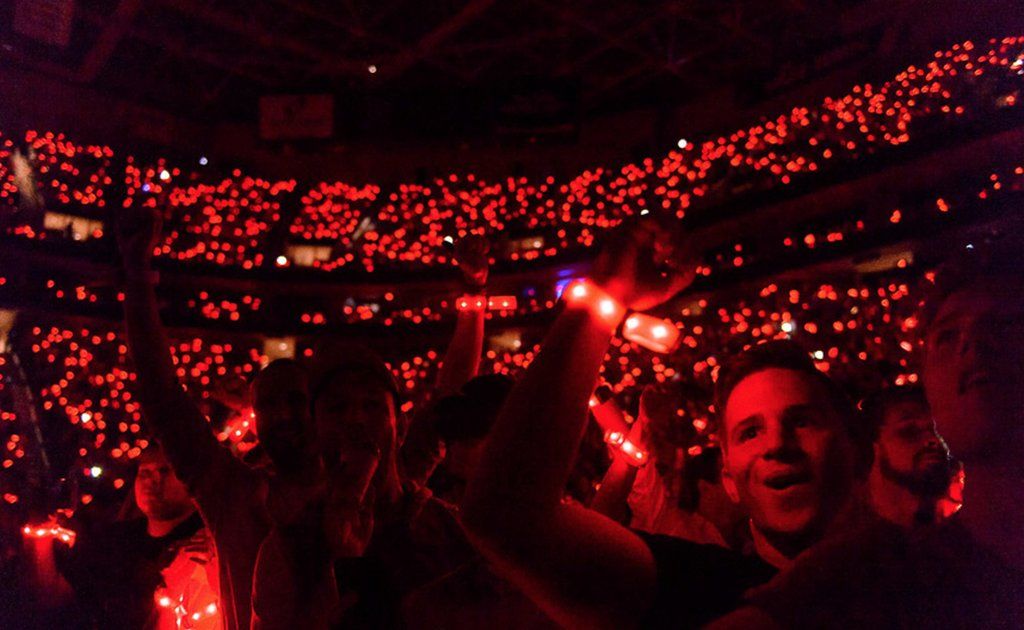
Large-scale LED Crowd Experiences leverage this principle to stunning effect. When thousands of lights pulse in perfect synchrony, it triggers a powerful mirroring effect in the brains of the audience. This synchronised visual stimulus, combined with the audio from the performance, can induce a state of ‘neural coupling,’ where the brainwaves of individuals in the crowd begin to sync up. This is not just a metaphor; it’s a measurable neurological state associated with heightened focus, emotional connection, and a diminished sense of self—a state of total immersion.
The technology we pioneered with Coldplay for their Mylo Xyloto tour was built on this very insight. The goal wasn’t just to create a light show; it was to use Radio Controlled LED Wristbands to turn the entire audience into a single, unified canvas. The resulting Coldplay Xylobands experience became a blueprint for Immersive Event Technology, demonstrating that when you give people a shared visual identity, you deepen their collective emotional investment.
Architecting Moments of Collective Joy
Understanding the psychology is one thing; applying it is another. Crafting these moments requires a blend of artistry, technical precision, and a deep understanding of the event’s narrative arc.
- The Element of Surprise: The first time the wristbands light up is a critical moment. It’s an unexpected reward, a reveal that instantly captures attention and generates a wave of excitement. This breaks the audience out of passive consumption and primes them for interaction.
- Dynamic Storytelling: The lighting effects shouldn’t be random; they must follow the emotional contour of the performance. A soft, slow pulse during a ballad, a chaotic strobe effect during a high-energy anthem, or creating massive visual shapes across the venue—these are all tools for narrative enhancement. The crowd isn’t just wearing a light; they are embodying the music’s emotional journey.
- Creating In-Groups: Technology like our Xylo Pendant, used at the Formula One 75th anniversary event, allows for sophisticated segmentation. Imagine creating visual rivalries in a sports stadium by lighting up different sections in competing team colours, or highlighting specific tiers for Corporate Event Activations. This use of light to define and then unify groups creates a powerful, dynamic narrative within the crowd itself.
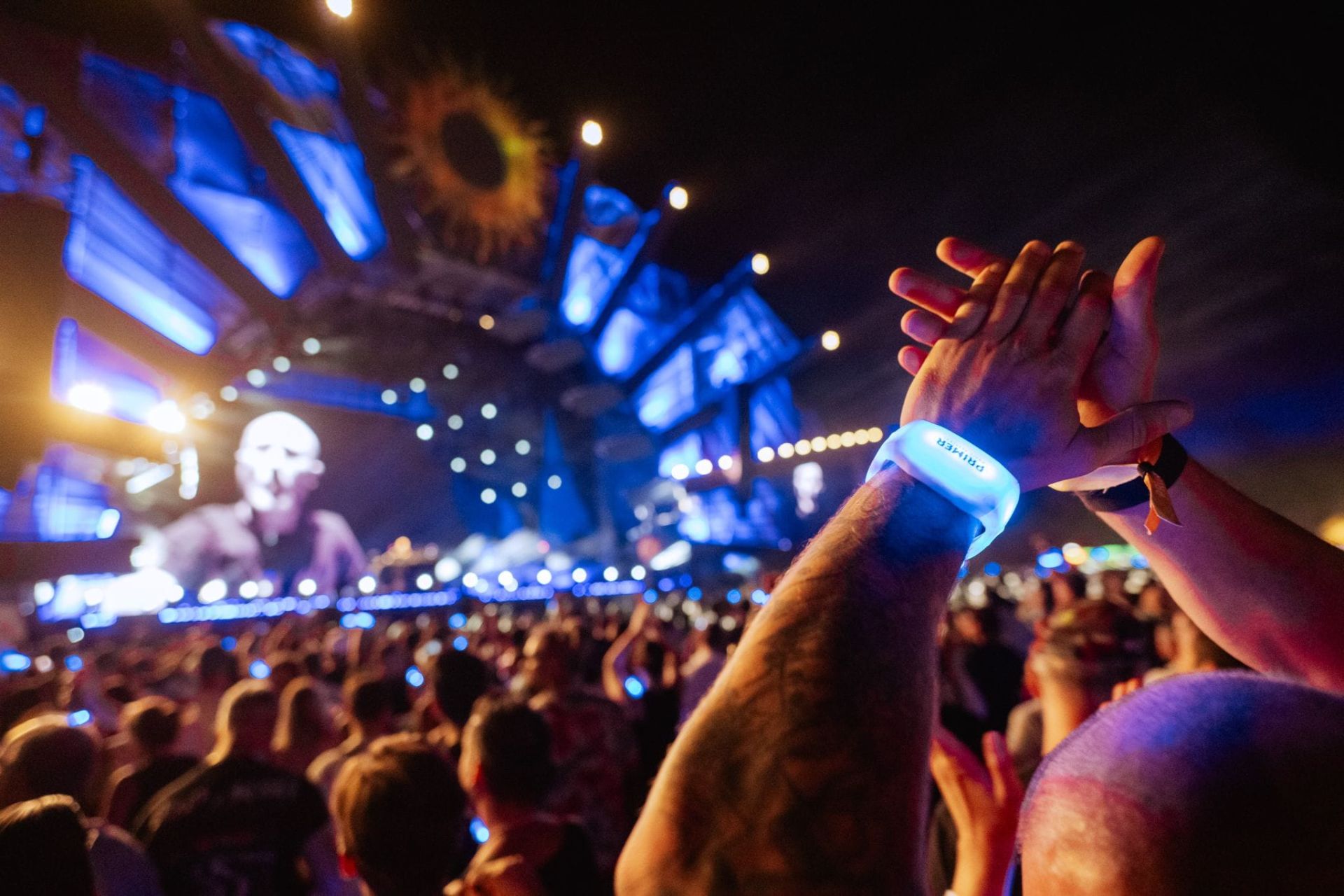
From music festivals like Primer in Greece to massive global broadcasts for brands like ITV, the principle remains the same. Whether it’s Concert Wristbands, Festival Wristbands, or custom LED Wearables, the goal is to bridge the gap between the individual and the collective. By understanding the deep psychological drivers of engagement—the need to belong, the desire for agency, and the neurological power of synchronization—we can move beyond creating mere spectacles and begin to architect truly profound moments of human connection.