From Many, One: The Psychological Alchemy of the Modern Super-Crowd
The Unseen Current
Picture it: a stadium, an arena, a festival field. Seventy thousand individuals, each with their own story, stand shoulder-to-shoulder. The house lights drop. A single, unified roar erupts. For the next two hours, this collection of strangers will move, breathe, and feel as one. They ares no longer just an audience; they have become a single, living organism, a temporary city bound by rhythm and light. What is the invisible current that makes this transformation possible? Is it simple excitement, or something deeper?
For event producers, tour managers, and brand marketers, understanding this alchemy is the key to creating truly resonant moments. The most powerful LED crowd experiences are not happy accidents; they are meticulously engineered journeys into the heart of human connection. They are built on a deep understanding of group psychology, amplified by technologies designed to dissolve the boundaries between the individual and the collective.
The Science of Oneness: Collective Effervescence
More than a century ago, sociologist Émile Durkheim coined the term “collective effervescence” to describe the euphoric energy and sense of unity people feel when they come together for a shared purpose or ritual. Originally used to describe religious ceremonies, the concept perfectly captures the secular ecstasy of a major concert or sporting event. The ritual has changed—from ancient rites to the encore of a global pop star—but the neurological and psychological effect remains the same.
This state isn't just a feeling; it's a measurable phenomenon. Our brains are wired for connection. When we sing in unison, clap to the same beat, or move with a crowd, our brains release oxytocin, the neurochemical famous for its role in social bonding. We feel a profound sense of belonging. The magic of a live event is its ability to manufacture this state on a colossal scale, turning a passive crowd into an active, unified participant.
Synchronization as the Engine of Unity
The primary driver of collective effervescence is synchronization. When people act in unison, the psychological distance between them shrinks. This is where immersive event technology becomes a game-changer. While a great performance can inspire an audience to clap or sing along, modern tools can create canvases of synchronization that were unimaginable a generation ago.
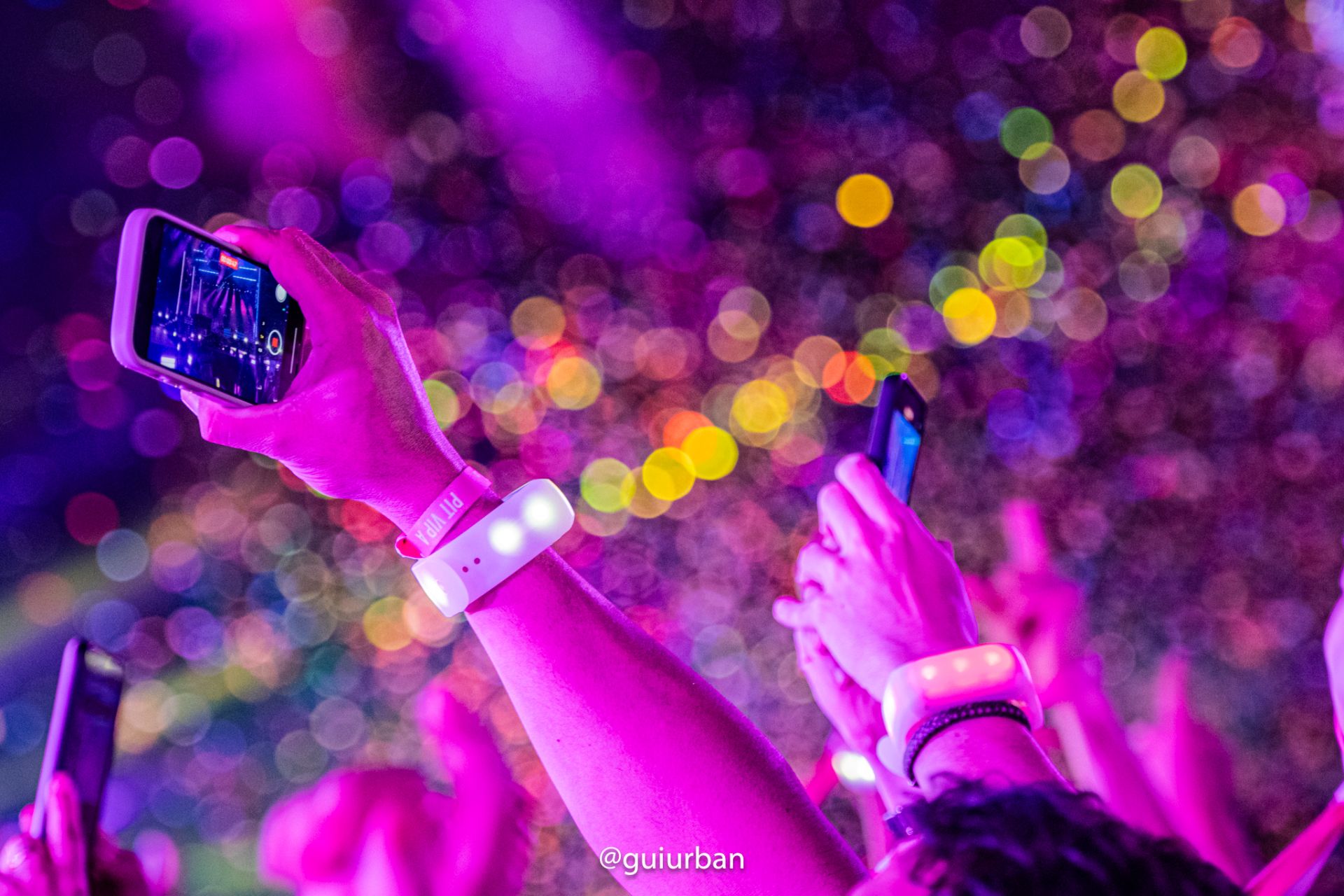
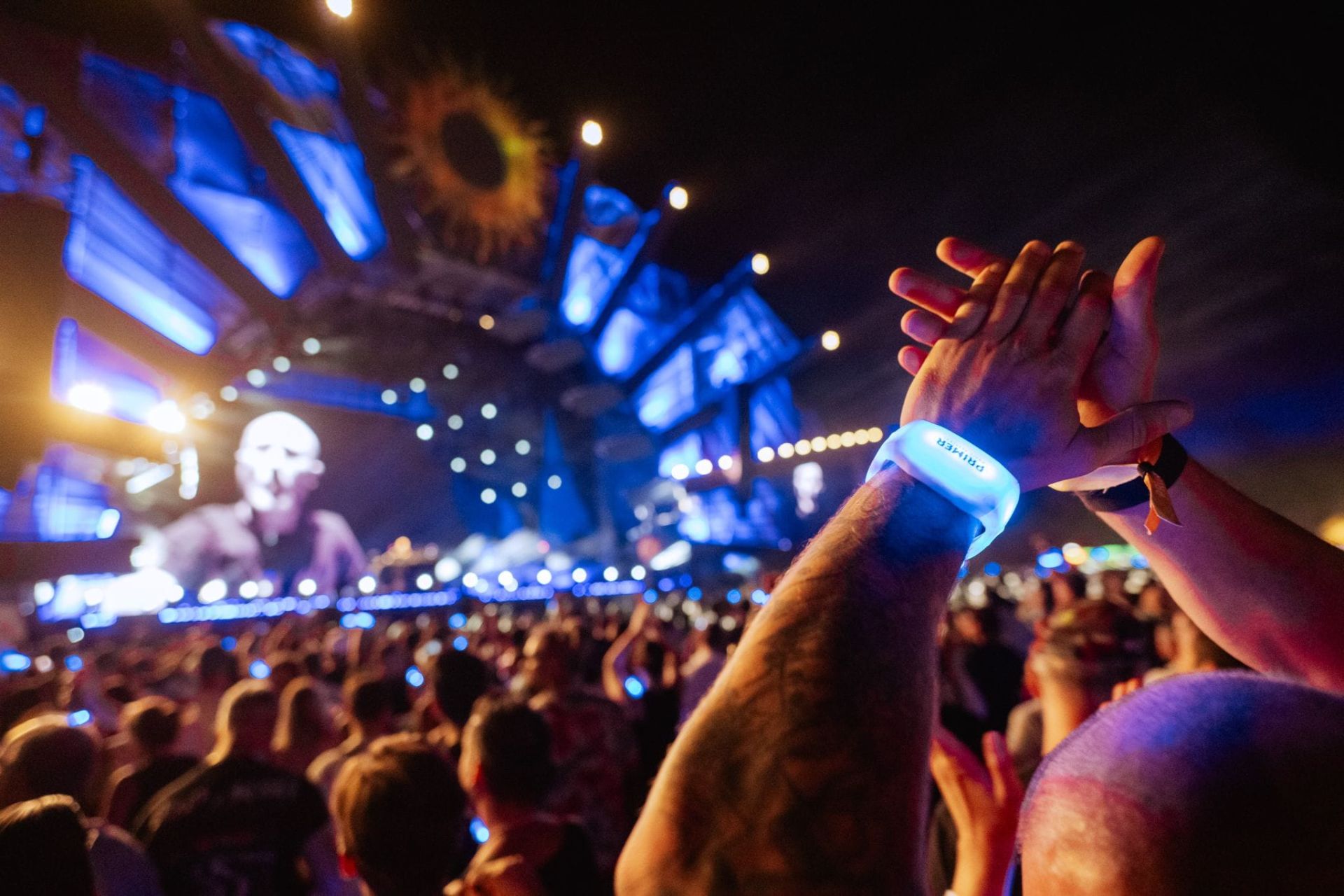
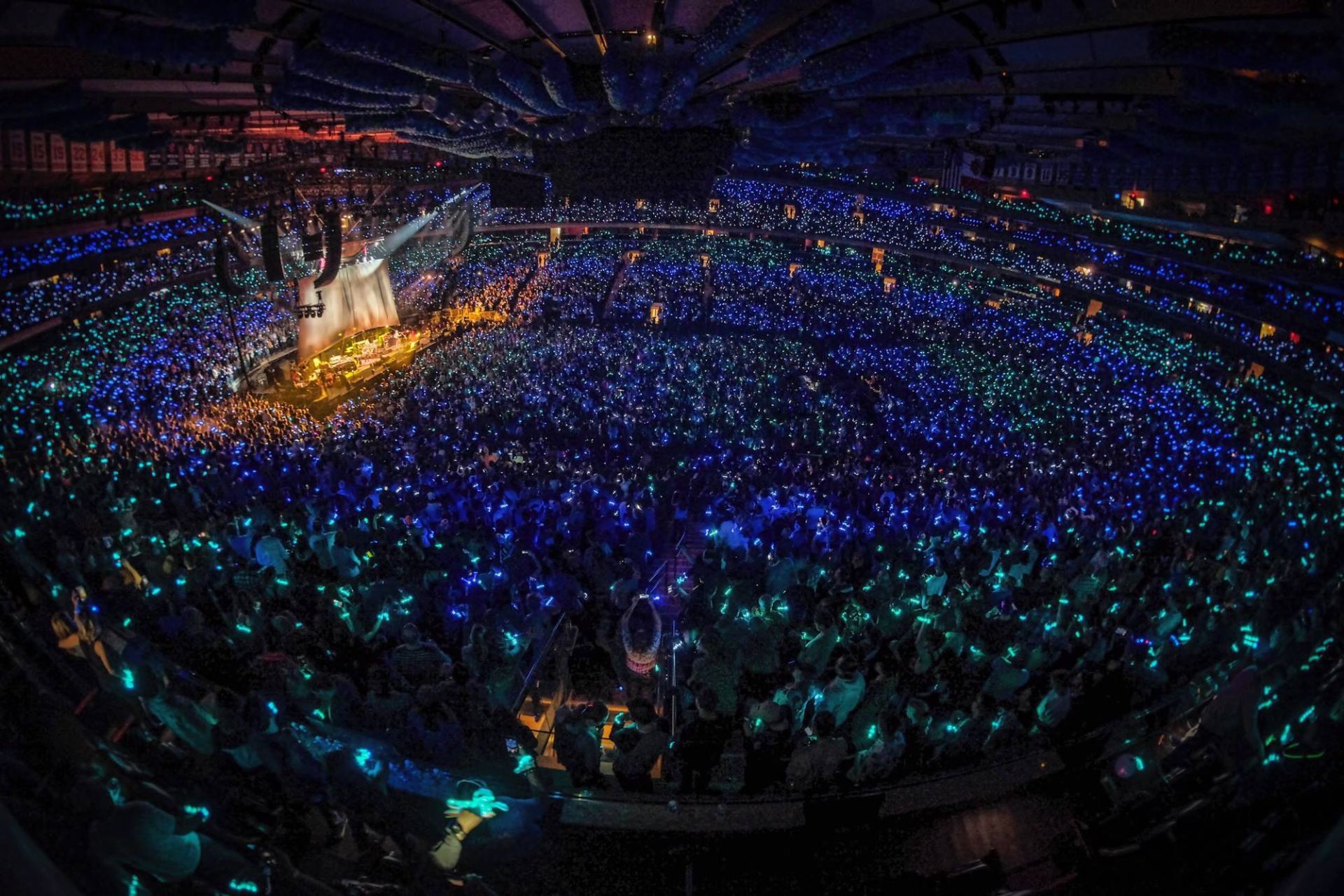
This is the principle that inspired the invention of Xylobands. The sight of 50,000 LED bracelets lighting up in perfect sync with a song's crescendo isn’t just a visual effect; it’s a psychological trigger. It provides instantaneous, large-scale visual feedback that you are part of a whole. Each person wearing one of these LED bands becomes a pixel in a grand, unified picture, seeing their own participation reflected across the entire venue. From the pulsating energy at Greece's PRIMER Music Festival to the historic, three-night sellout for Wizkid at London's O2 arena, this shared visual pulse transforms the crowd into a singular, breathtaking spectacle.
Seeing tens of thousands of lights ignite and change colour in perfect time with the music reinforces a powerful, unspoken message: "We are all in this together."
Blurring the Lines: Identity Fusion in the Super-Crowd
When synchronization reaches a peak, a deeper psychological state can emerge: identity fusion. This is where the boundary between "me" and "we" becomes porous. An individual’s personal identity temporarily merges with the identity of the group. You aren’t just a fan *at* a Maluma concert; you are part of the tidal wave of 54,000 voices singing along in his hometown of Medellín. Your heartbeat feels like the collective heartbeat.
This is the holy grail of audience engagement. It’s the difference between a memorable event and a life-changing one. Creating the conditions for identity fusion requires a seamless blend of world-class performance and flawless technical execution. By using the audience as a canvas of light, radio controlled LED wristbands give artists and show designers a direct line to the crowd's nervous system. It’s a powerful tool, enabling them to guide and shape the emotional arc of the night, unifying tens of thousands of people with a single button press. This transforms a standard concert into one of the truly immersive events that defines an artist's tour.
The Technology of Belonging
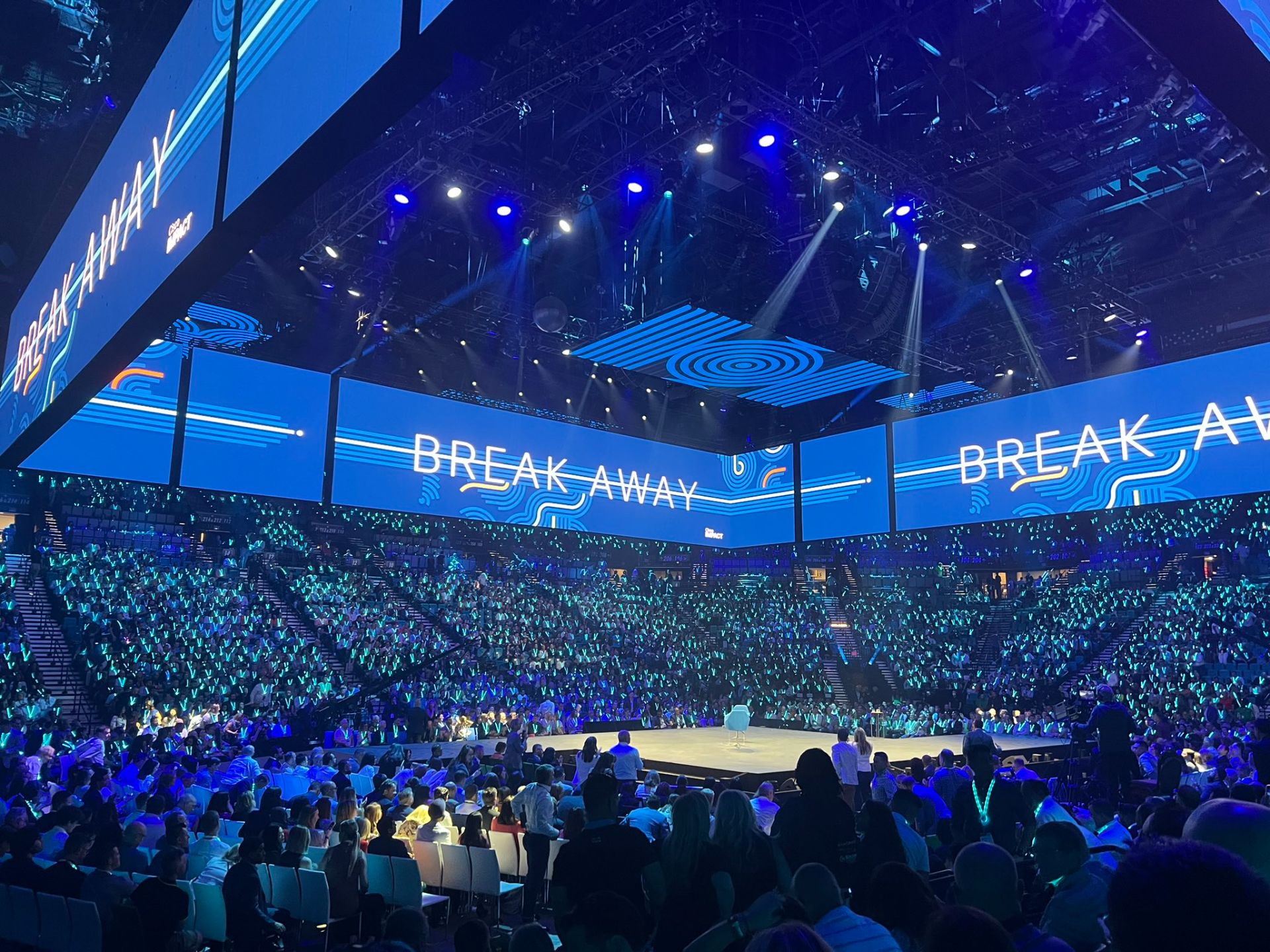
Ultimately, the goal is to make every single person, from the front row to the back of the grandstand, feel seen and included. It’s about creating a sense of universal participation. Today's wearable LED technology offers a versatile palette to achieve this. At a recent Formula One 75th anniversary event, custom LED Lanyards were created and distributed to create specific, branded lighting effects across different sections of the arena, ensuring every fan, regardless of their ticket tier, was a core part of the broadcast.
Whether using concert wristbands, lanyards, or even light-up LED orbs, the principle remains the same. This LED event technology is not a gimmick; it is a sophisticated tool for psychological engagement. It is the conductor's baton for the modern super-crowd, creating moments of profound unity that resonate long after the final note has faded. It’s the art and science of turning "many" into "one."