The Responsible Glow: A New Blueprint for Sustainable Spectacles
The Paradox of Modern Events
As creators of live experiences, we trade in the ephemeral. We craft moments of intense, shared emotion designed to sear themselves into memory. Yet, the physical legacy of these moments—the staging, the consumables, the power draw—can be anything but fleeting. This is the central paradox for today’s event producers: how do we deliver breathtaking, technologically advanced spectacles without an environmental cost that lasts long after the final encore?
The traditional model of single-use, disposable elements is no longer tenable, either environmentally or in the eyes of a new generation of socially conscious artists, brands, and audiences. The future of our industry depends on our collective ability to innovate towards a circular model—one that prioritizes reusability, minimizes waste, and maximizes impact. This isn’t about diminishing the spectacle; it’s about making it smarter, cleaner, and more resonant.
Designing for Disassembly and Reuse
The shift towards sustainability begins at the earliest stages of production design. Instead of asking what we will build, we must start by asking what we can reuse. This applies to every layer of the production, from massive stage structures to the smallest piece of audience-facing technology. At Xylobands, we confronted this challenge head-on by engineering our systems for longevity and reuse.
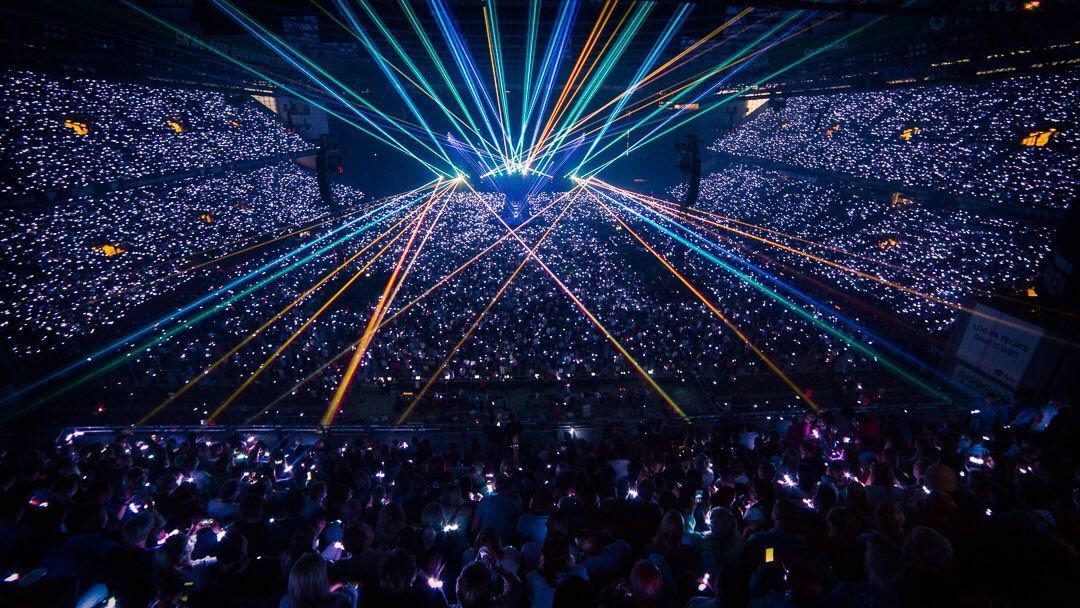
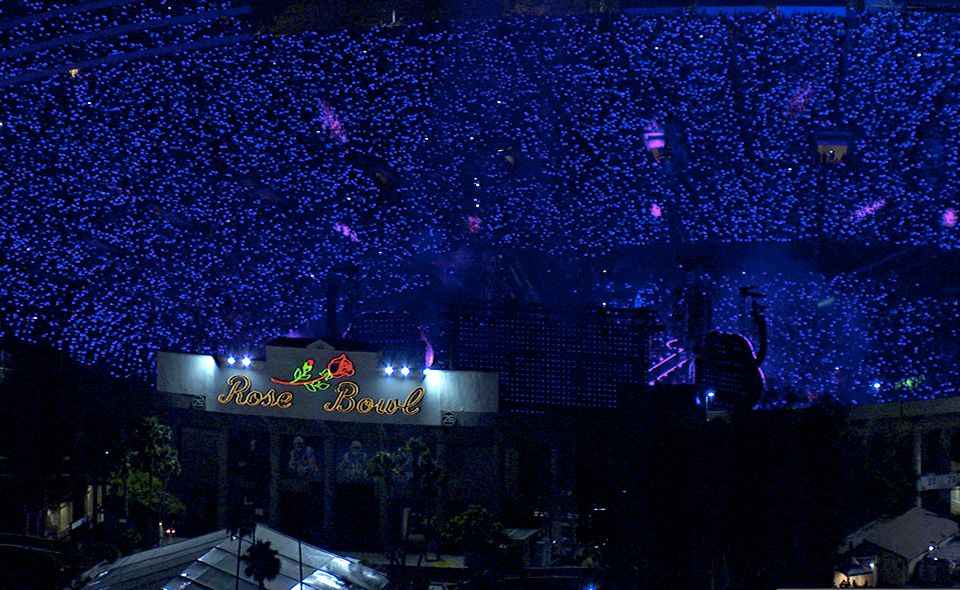
A prime example is our work with Wizkid for his historic, three-night, sold-out run at London's O2 Arena. The brief was to create an electric atmosphere for 60,000 fans while adhering to a strong commitment to responsible production. Our solution involved a robust reuse and recycling program for all LED wristbands. After each show, wristbands were collected, sanitized, and reset for the following night. This not only dramatically reduced the material footprint of the event but also proved that sustainable practices can be integrated into even the largest and most logistically complex tours without compromising the fan experience.
This "design for disassembly" philosophy is a core principle for creating more sustainable immersive events. It’s a model that moves beyond simple recycling and into a more sophisticated ecosystem of collection, refurbishment, and redeployment.
The Lifecycle of Light: More Than Just a Moment
The true measure of immersive event technology is not just its performance on the night, but its entire lifecycle. For products like our LED Bands and LED Lanyards, the journey begins with durable materials and robust engineering, designed to withstand the rigors of multiple global tours and high-energy corporate event activations.
"The future of event production isn't just about creating a memorable show," notes our team. "It's about designing a responsible one. Every piece of technology we deploy has a story that extends far beyond a single event."
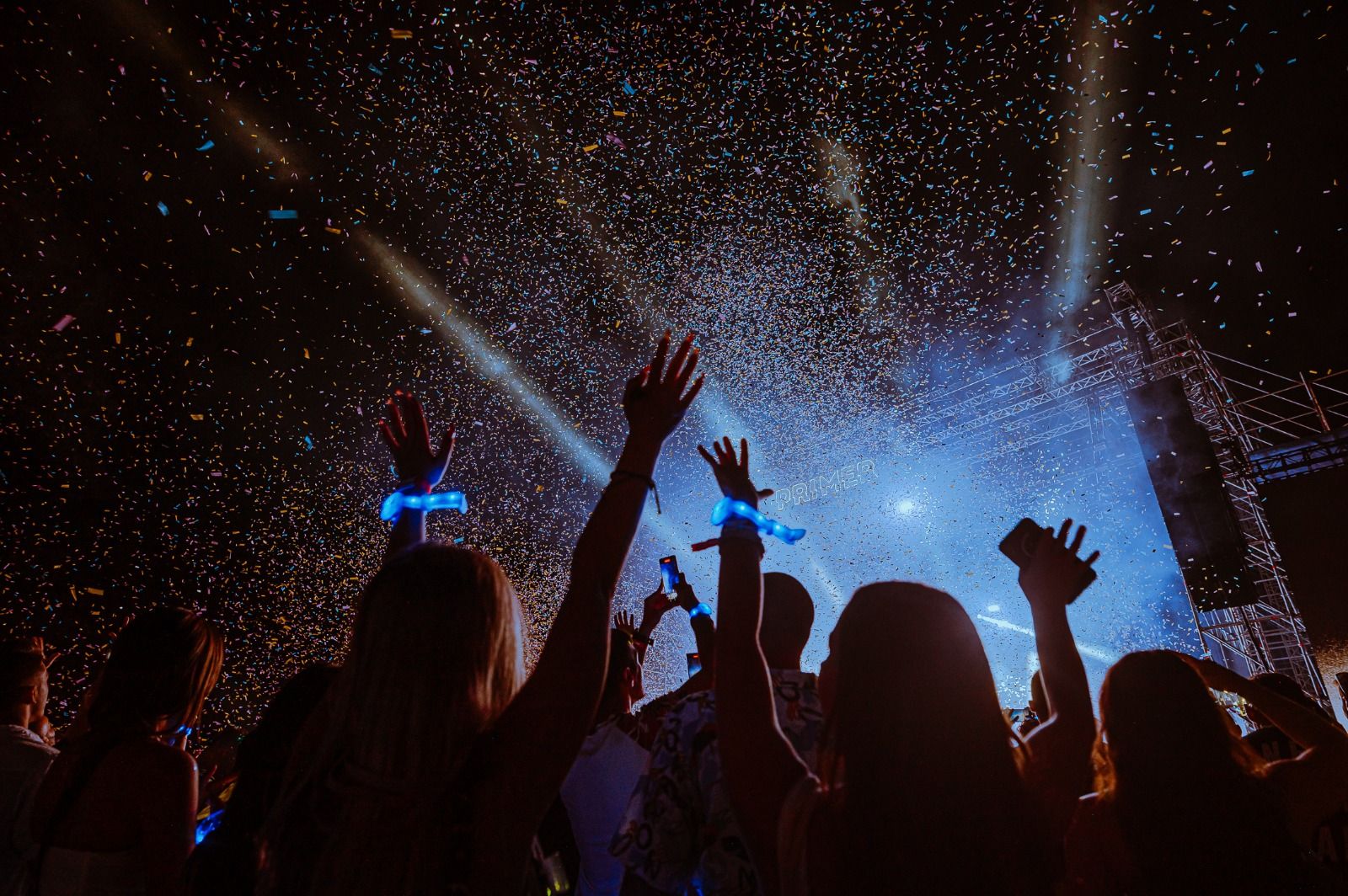
This lifecycle approach requires a significant logistical backbone. It involves meticulous tracking, cleaning, and maintenance protocols to ensure that a wristband used at a music festival like Primer in Greece can be redeployed for a global broadcast event with the same reliability and visual brilliance. It’s about viewing our inventory not as a collection of disposable units, but as a library of assets to be carefully managed and curated over years of service.
Extending the Experience, Eliminating the Waste
Sustainability also presents a creative opportunity. By designing products that guests want to keep, we can extend the life of an event memento and prevent it from becoming immediate waste. The custom Xylo Pendants created for the Formula One 75th anniversary event are a perfect example. These branded LED wearables were not just part of the light show; they were desirable collectibles that connected fans to their favourite teams long after the broadcast ended.
This strategy transforms potential waste into a tangible brand touchpoint. Whether it's concert wristbands that become treasured souvenirs or custom LED wristbands from a brand launch that serve as a lasting reminder of the experience, the goal is to create value that endures. It’s a powerful fusion of marketing impact and environmental responsibility.
The Blueprint for a Responsible Encore
Building a more sustainable event industry is not a solo endeavor; it requires a paradigm shift across the entire supply chain. It demands that producers, artists, and technology partners collaborate to innovate and adopt new standards.
The path forward involves:
- Prioritizing Reusability: Shifting from a single-use mindset to a circular model for all event technology, from lighting rigs to wearable LED technology.
- Educating Stakeholders: Working with venues and production staff to create efficient and effective collection and recycling systems.
- Designing for Longevity: Creating high-quality, durable products that can be kept as mementos rather than discarded.
- Transparent Reporting: Being accountable for our environmental footprint and constantly seeking new ways to reduce it.
The roar of the crowd and the flash of ten thousand lights are powerful forces. As we engineer the future of LED crowd experiences, we have a profound responsibility to ensure the glow we create is not a fleeting spark but a sustainable flame. By embracing a new blueprint for responsible production, we can deliver the awe-inspiring spectacles our audiences demand while protecting the planet for generations to come. The most memorable shows are not just those that look spectacular, but those that are produced with purpose and integrity.