The Sensory Bridge: Designing More Inclusive and Accessible Live Events
The Unseen Audience: Redefining Accessibility in Live Entertainment
For decades, the live event industry has operated on a simple premise: gather people in a physical space for a shared experience. From a sold-out stadium tour to an intimate corporate launch, the model has been built around a largely neurotypical audience with a standard set of sensory abilities. But what about the audience members who experience the world differently? What does a live event feel like for someone with sensory processing disorders, hearing impairments, or other disabilities? These are the questions that forward-thinking producers, artists, and technology partners are now asking.
The conversation is shifting from simple physical access—like ramps and accessible seating—to a much deeper, more nuanced understanding of inclusive design. It’s a move from compliance to true welcome. The goal is no longer just to let people in, but to design experiences that can be genuinely enjoyed by everyone, regardless of their sensory or cognitive makeup. This means creating a “sensory bridge” that allows every individual to connect with the performance in a way that is comfortable and meaningful for them.
Beyond the Visual: A Multi-Sensory Approach to Immersion
The core of a truly inclusive event lies in multi-sensory design. While spectacular lighting and video have long been staples, relying solely on them can alienate guests who are visually impaired, prone to sensory overload, or who simply process information in non-visual ways. The future of event production lies in layering sensory inputs, creating multiple pathways for audiences to engage with the content.
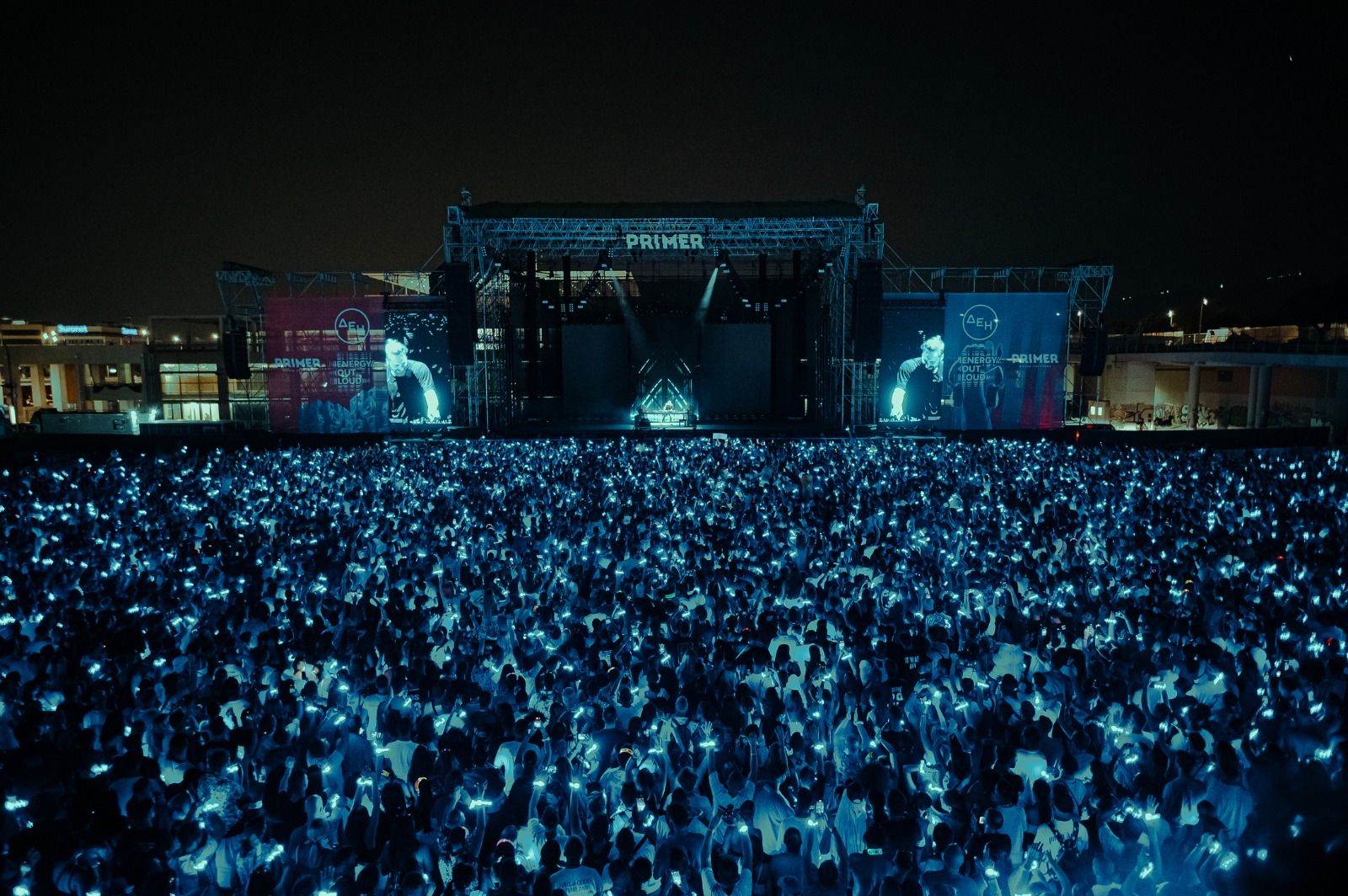
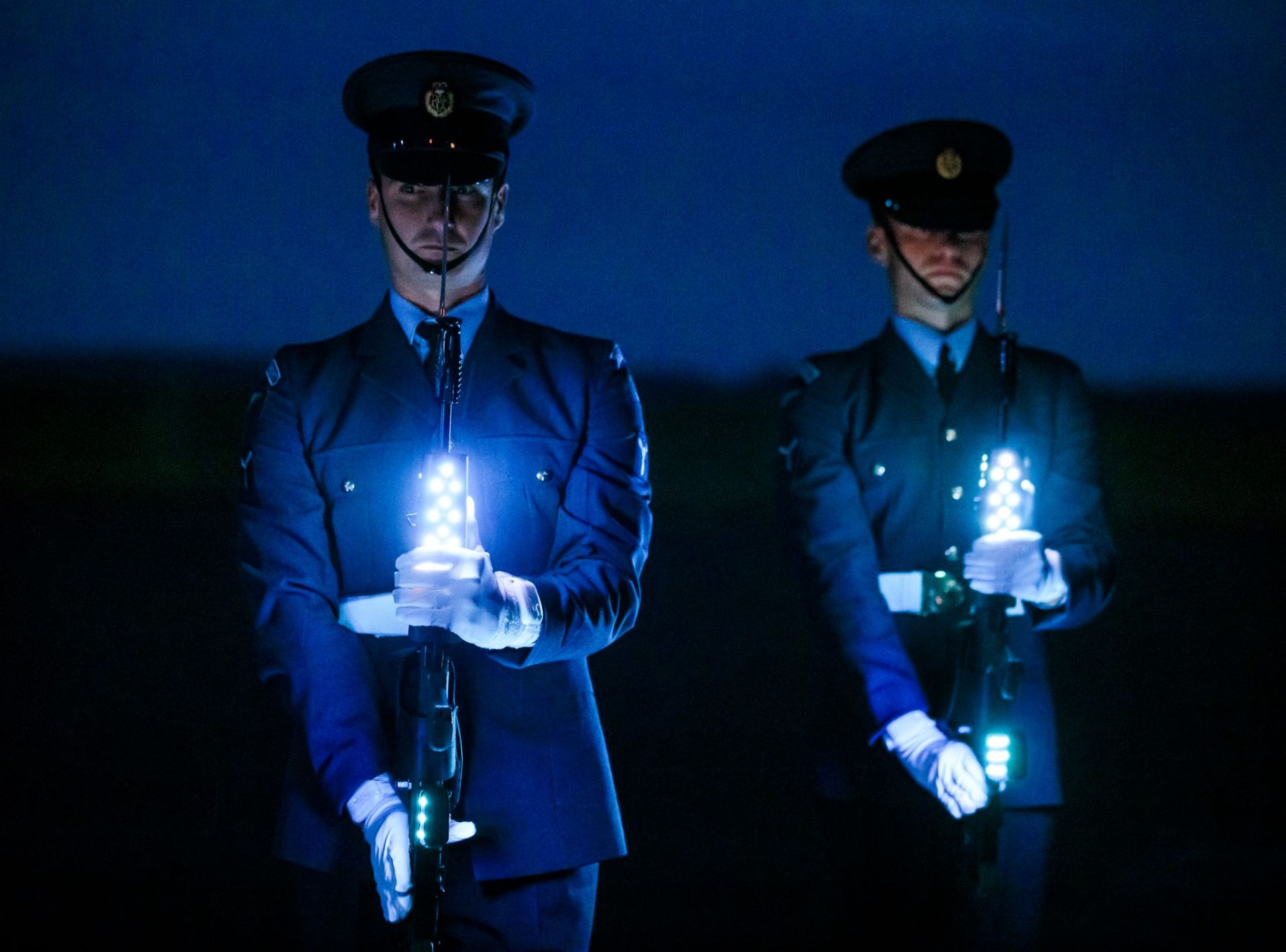
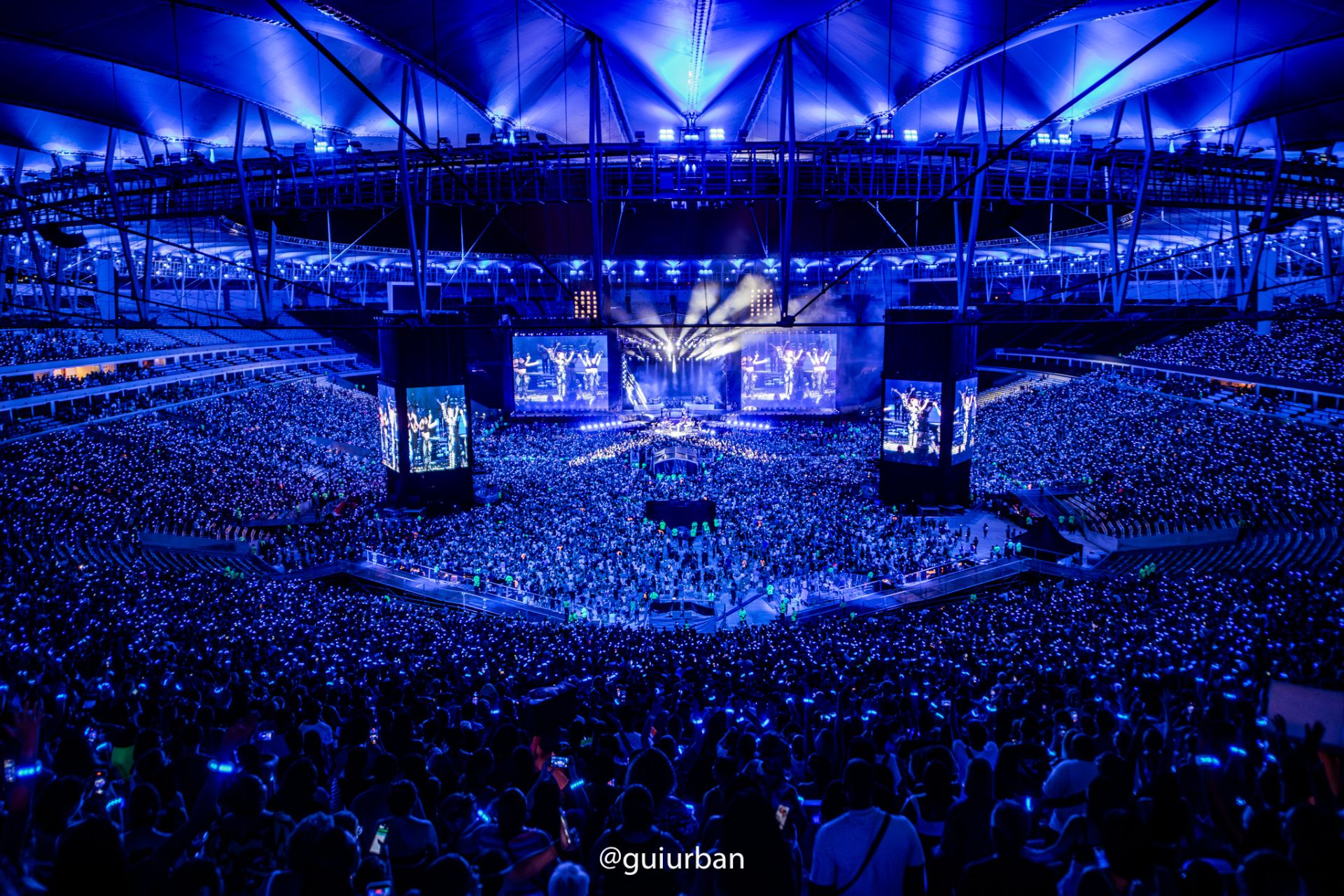
This is where technology like wearable LEDs becomes transformative. While Xylobands are known for creating stunning visual spectacles for clients like Coldplay and Formula One, their potential for inclusive design is just as powerful. Consider the following:
- Haptic Feedback: For guests with hearing impairments, the synchronized pulse of an LED wristband can translate music into a tactile experience. The beat becomes something you can literally feel on your skin, connecting you to the rhythm of the show in a direct, physical way.
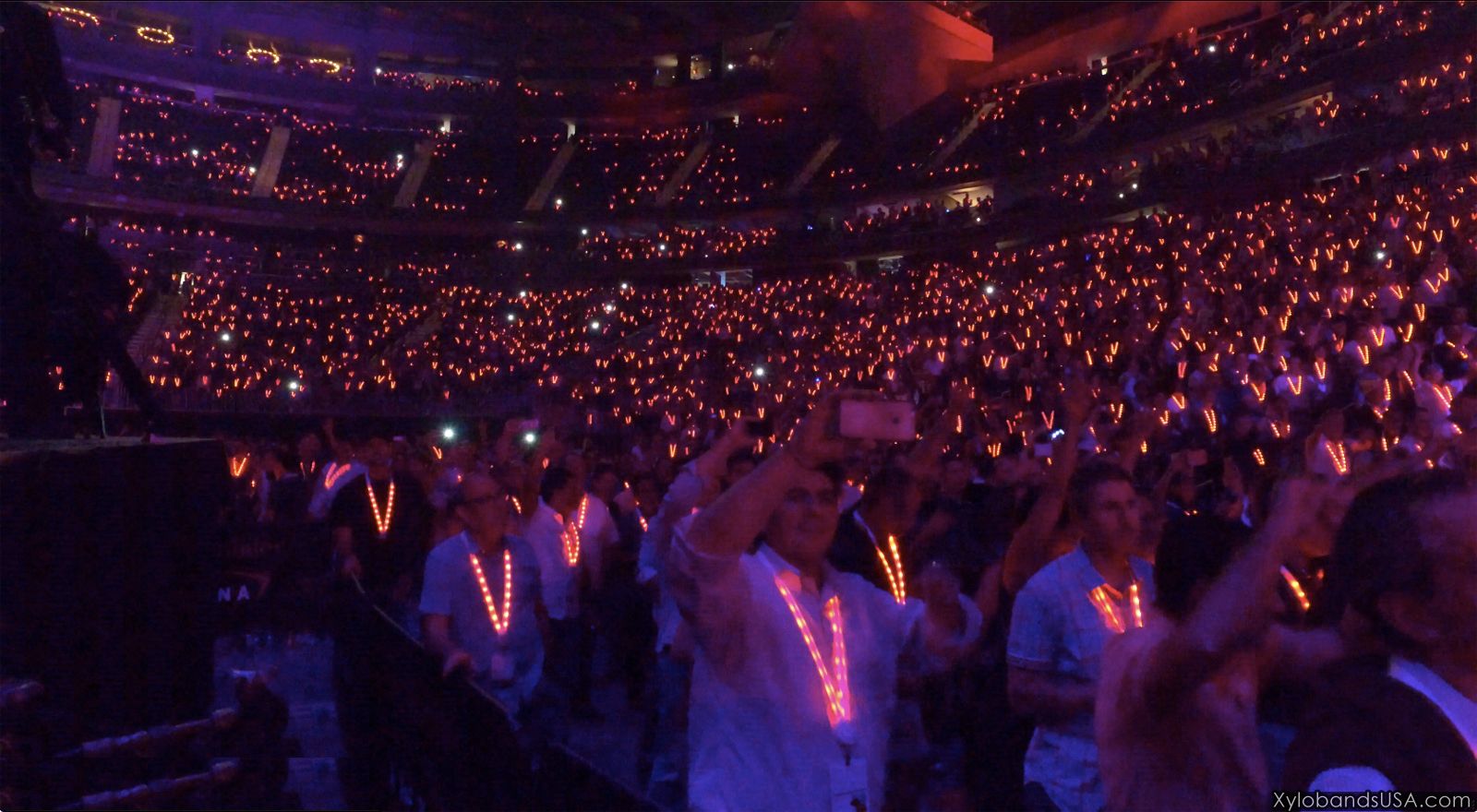
- Color as Communication: Light can be used as a powerful, non-verbal communication tool. For audience members who struggle with auditory processing, color cues from LED Lanyards or wristbands can signal key moments, direct attention, or convey mood shifts without a single word being spoken.
- Controlled Sensory Environments: For guests with autism or sensory processing disorders, the intense, chaotic environment of a live show can be overwhelming. Designated quiet zones, equipped with noise-canceling headphones and softer, ambient lighting controlled via the same central system, can provide a safe space to decompress without having to leave the venue entirely. These spaces can still feature gentler light pulses from LED Orbs or other fixtures, keeping guests connected to the main event in a less intense manner.
Case Study: The Power of Broadcast and Shared Experience
The principle of accessibility also extends beyond the venue walls. Live broadcasts, like those we’ve supported for ITV on shows such as Beat The Chasers, are a powerful tool for inclusion. They bring the energy of a live studio audience to millions of people at home, including those who may be unable to attend in person due to physical disability, chronic illness, or social anxiety. When the in-studio audience is lit up with synchronized LED Bands, that visual energy translates through the screen, making the home viewer feel like part of the collective experience.
This "two-audience" model—serving both the live crowd and the broadcast viewers—is central to modern event design. It ensures that the spectacle is not confined to the few thousand in the room but is shared by a much wider, more diverse audience. Productions for artists like Maluma, whose Medellín concert was streamed to over 240 countries, underscore this global shift. Everyone gets a front-row seat, regardless of their physical location or circumstances.
Practical Steps Toward More Inclusive Events
Integrating inclusive design is not about starting from scratch. It’s about making smarter, more empathetic choices at every stage of the production process. For event producers and brand marketers, here are a few actionable principles:
1. Consult with the Community
Engage with accessibility consultants and community groups from the outset. They provide invaluable insights into the real-world needs of their communities, helping you avoid assumptions and design solutions that have a genuine impact. Their feedback can shape everything from venue layout to the programming of your Immersive Event Technology.
2. Leverage Flexible Technology
Choose technology that can be adapted for multiple purposes. A system of Radio Controlled LED Wristbands can be used for a high-energy light show in one moment and as a subtle, color-coded directional system in the next. This flexibility allows you to cater to different needs without requiring entirely separate systems, making it a more efficient and scalable approach.
3. Communicate Proactively
Provide detailed accessibility information on your event website and communications. This includes information on quiet zones, availability of sensory aids, and descriptions of what to expect in terms of lighting and sound. This transparency allows attendees to prepare for the experience and make informed decisions, reducing anxiety and improving their overall enjoyment.
The Future is a Shared Spectrum
Creating more accessible live events is not just a moral imperative; it’s a creative and commercial one. By embracing inclusive design, we open our doors to a wider audience, foster a deeper sense of community, and unlock new creative possibilities. The tools are already here. Wearable LED Technology and other forms of LED Event Technology give us an unprecedented ability to choreograph not just light, but feeling, connection, and belonging.
The ultimate goal is to build a "shared spectrum" where every member of the audience, with all their unique differences, can share in a singular, unifying experience. It’s about designing events where the only prerequisite for entry is a love for the art, and technology serves as the bridge that brings everyone together.