The Sensory Bridge: Designing More Inclusive Live Experiences
The Unspoken Contract of the Live Experience
We enter a stadium, a festival field, or an arena under an unspoken contract: to share an experience. We agree to be part of a temporary collective, bound by sound, by light, and by the energy of the crowd. For decades, the primary channel for this connection has been auditory — the roar of the music, the voice of the artist, the shared cheers. But what of those who experience these senses differently? What does it mean to be part of the crowd when you are deaf, hard of hearing, neurodivergent, or visually impaired?
Historically, accessibility in live events has been a logistical consideration—ramps, designated seating, perhaps an ASL interpreter. These are critically important, but they are accommodations, not integrations. True inclusivity, however, operates at the level of experiential design. It asks a more profound question: How can we build an experience that is inherently multi-sensory, creating multiple pathways to the same shared emotion? The answer lies in designing a richer, more layered sensory environment. It’s here that technologies like Wearable LED Technology are evolving from spectacle to a powerful tool for connection.
Light as a Universal Language
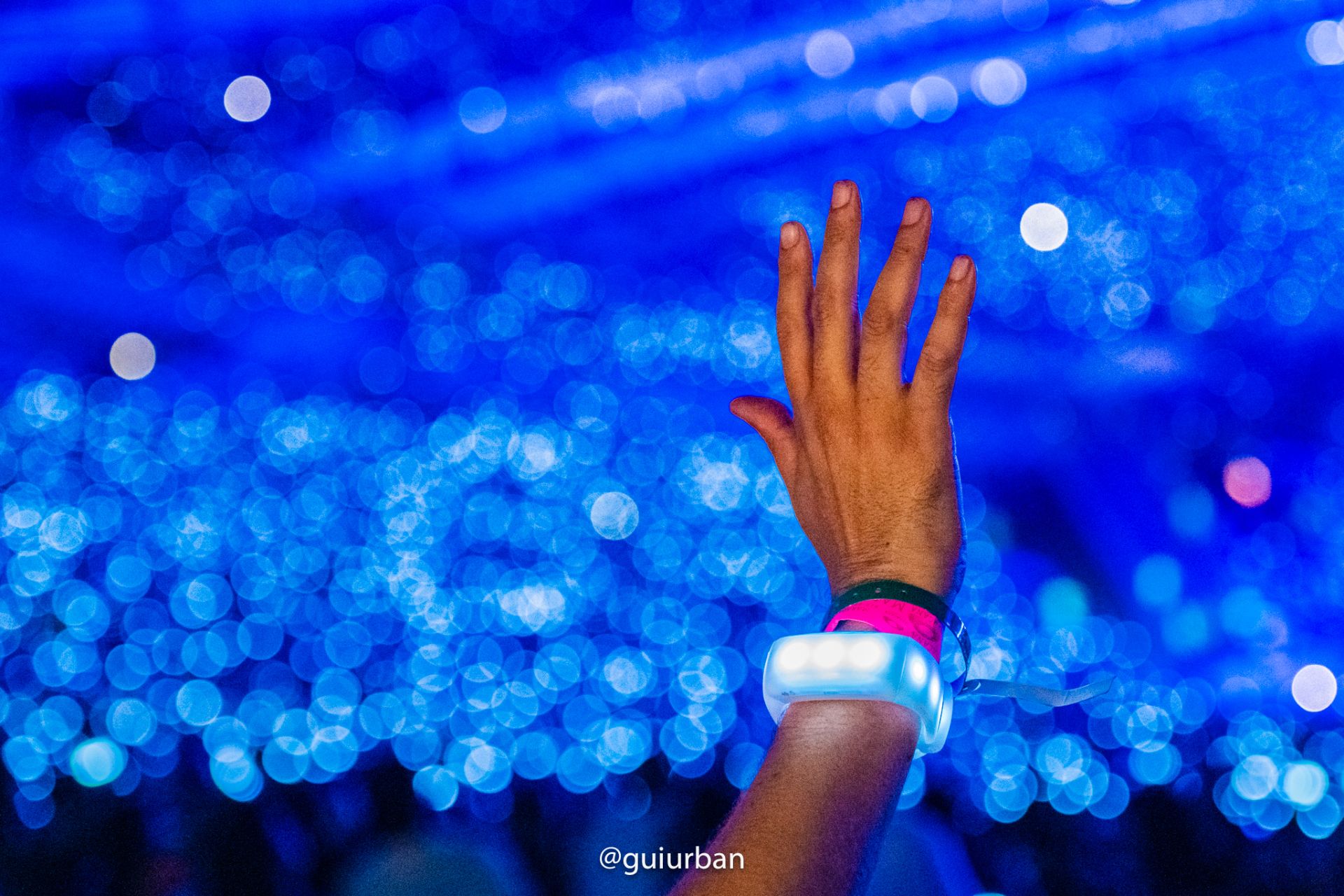
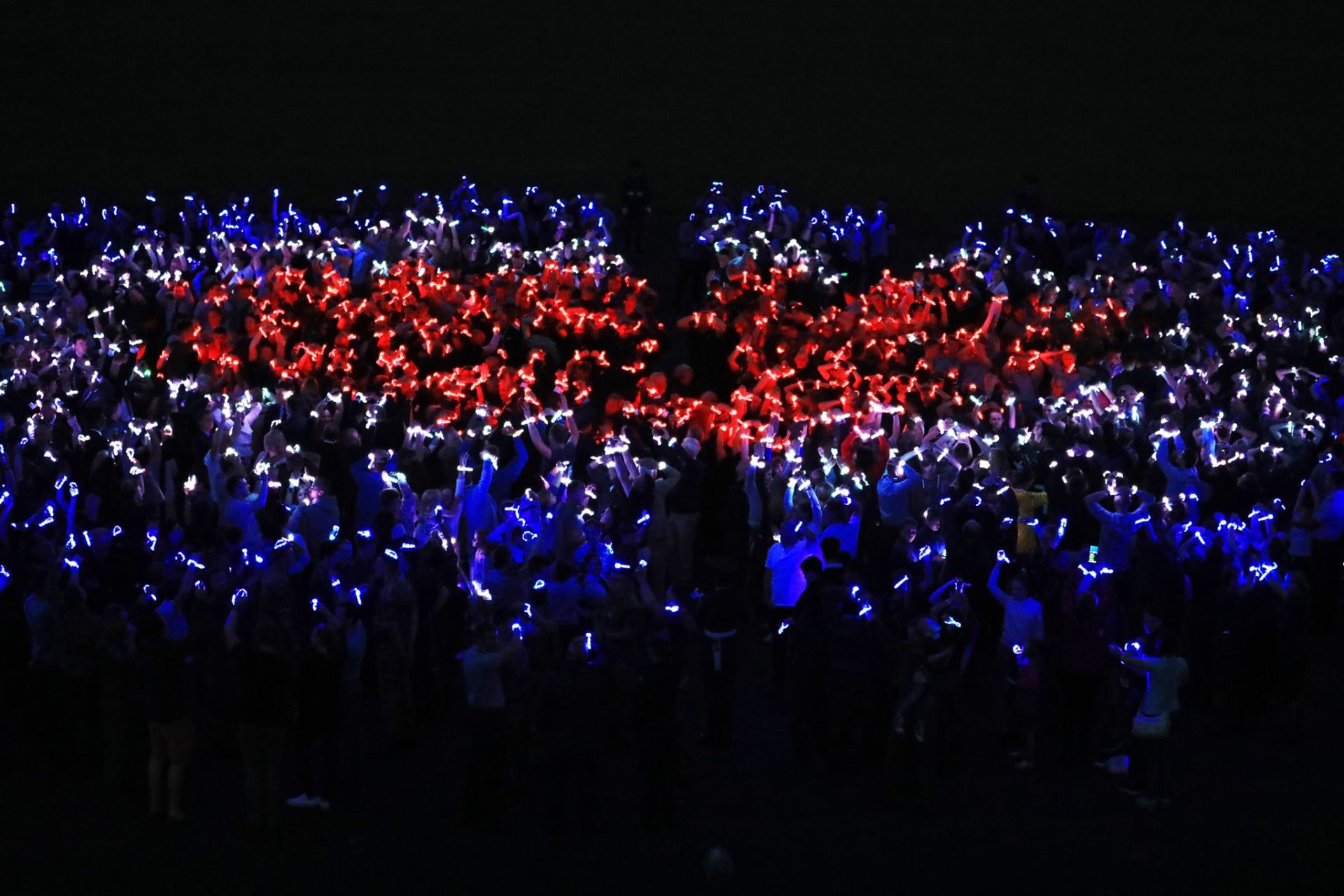
Imagine the opening beat of a headline act. For many, it’s a physical punch of sound. For someone who is D/deaf or hard of hearing, that primary sensory input is absent. But if that same beat triggers a simultaneous pulse of light across 50,000 LED Bracelets, the moment is transformed. It becomes a shared visual and kinetic event. The rhythm is no longer just heard; it is seen and felt. This is the new frontier of Immersive Event Technology.
This principle was famously scaled with Coldplay Xylobands, turning entire stadiums into a canvas of light, perfectly synchronized to the music. While breathtakingly cinematic, the underlying function is one of translation. The technology converts the auditory narrative of the show—the tempo, the crescendos, the emotional shifts—into a visual language that everyone can understand instinctively. It doesn’t replace the sound but harmonizes with it, creating a richer, more robust experience for all.
“Light communicates emotion, energy, and rhythm in a way that transcends hearing. When an entire crowd becomes a single, pulsating organism of light, it creates a profound sense of unity that every single member can be a part of.”
Designing for Neurodiversity: The Art of Predictable Magic
For many neurodivergent individuals, particularly those with sensory processing sensitivities, the chaotic environment of a large-scale event can be overwhelming. The barrage of disconnected sounds, strobing lights, and unpredictable crowd movements can create anxiety, detracting from the very experience they came to enjoy. Yet, this is where controlled LED Crowd Experiences can offer an unexpected solution.
The key is the difference between chaos and orchestrated spectacle. The synchronized nature of a system like Xylobands provides a predictable, unified visual rhythm. Instead of a dozen different light sources competing for attention, a single, cohesive pulse guides the experience. This visual anchor can be incredibly grounding, creating a sense of order within the exhilarating scale of the event. It allows attendees to feel part of the energy without feeling assaulted by it. The magic is still there, but it’s delivered within a framework that’s more inclusive and comfortable for a wider range of sensory profiles.
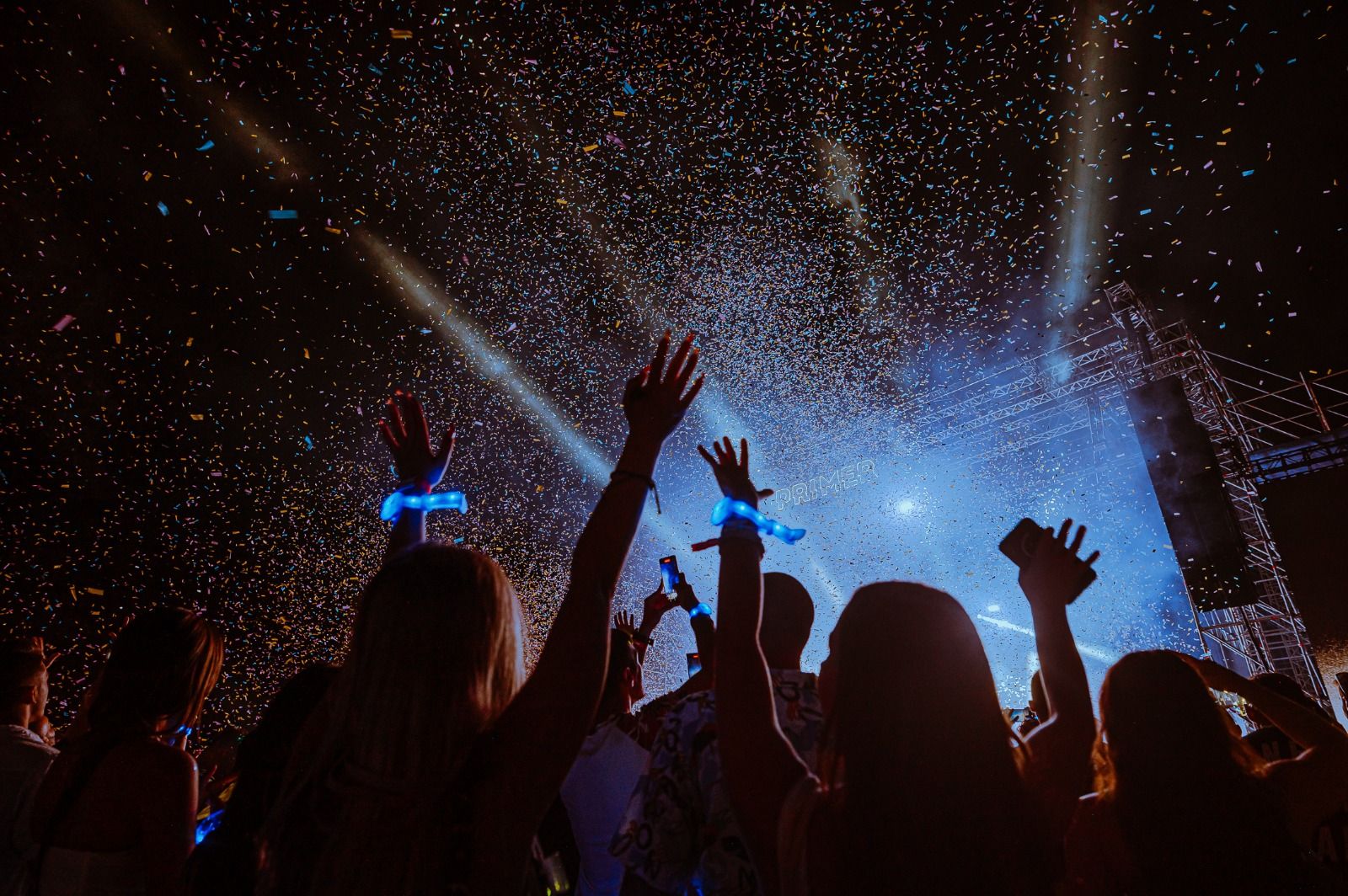
This approach has proven effective in diverse settings, from high-energy Festival Wristbands at events like Greece’s PRIMER Music Festival to the focused energy of major sporting events like the Davis Cup or Formula One, where guiding the audience’s attention is paramount. The goal is the same: to use light to create a shared framework for excitement.
The Tactile Future: Experiencing Sound Through Touch
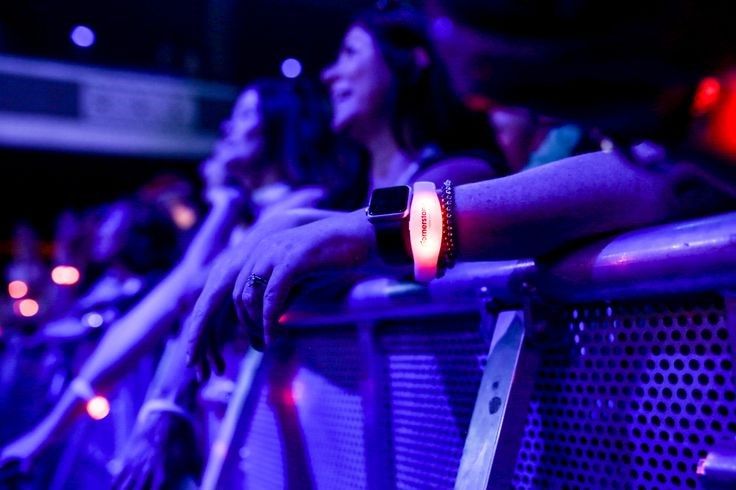
The next evolution of this sensory bridge is the integration of haptics. The same Radio Controlled LED Wristbands that light up in sync with the music can be engineered to vibrate, translating bass frequencies and percussive hits into tangible pulses on the skin. For a person who is profoundly deaf, this isn’t just an enhancement; it’s a revelation. It allows them to feel the rhythm of the music in a direct, personal way.
This isn’t science fiction; it is the near-future of LED Experiences. By layering a tactile experience onto the visual and auditory ones, we can create a show that is not just seen or heard, but felt. Form factors can be adapted to the need, from Custom LED Wristbands and LED Lanyards for brand activations to other wearables, each serving as a personal conduit to the heart of the performance. This multi-modal approach ensures that no matter how an individual processes the world, they have a pathway to the core emotional experience.
A More Inclusive Collective
True innovation in the live events industry isn’t just about making the show bigger or brighter. It’s about making the connection deeper and more universal. The ultimate goal is to erase the lines between the artist, the production, and the audience, creating one unified body. But for this to be truly collective, it must be accessible to all.
By embracing a design philosophy rooted in multi-sensory engagement, we move beyond mere accommodation. We begin to build Immersive Events that are fundamentally more inclusive. Technologies like Xylo Bands are no longer just tools for creating a spectacle; they are instruments for building empathy, fostering connection, and ensuring that the unforgettable feeling of being part of something bigger is an experience truly shared by everyone.