The Sentient Festival: How Light and Data are Shaping the Next Wave of Crowd Participation
From Passive Audience to Active Environment
The modern festival is a far cry from its analog ancestors. What was once a largely one-way broadcast—artist on stage, crowd on grass—has morphed into a dynamic, two-way conversation. The line between spectator and spectacle has not just blurred; it has been intentionally and creatively erased. Today’s festival-goer doesn’t just watch the show; they are the show. This profound shift is powered by a new wave of event production, where technology and data are used not just to entertain, but to create truly sentient environments.
At the heart of this evolution is a change in expectation. Audiences, conditioned by the personalised and interactive nature of the digital world, now crave deeper forms of engagement. They seek to be more than passive consumers of a performance; they want to be participants in its creation. For event producers and tour managers, this presents both a challenge and an incredible opportunity: how to harness the energy of tens of thousands of individuals and weave it into the fabric of the live experience itself.
The Rise of Immersive Event Technology
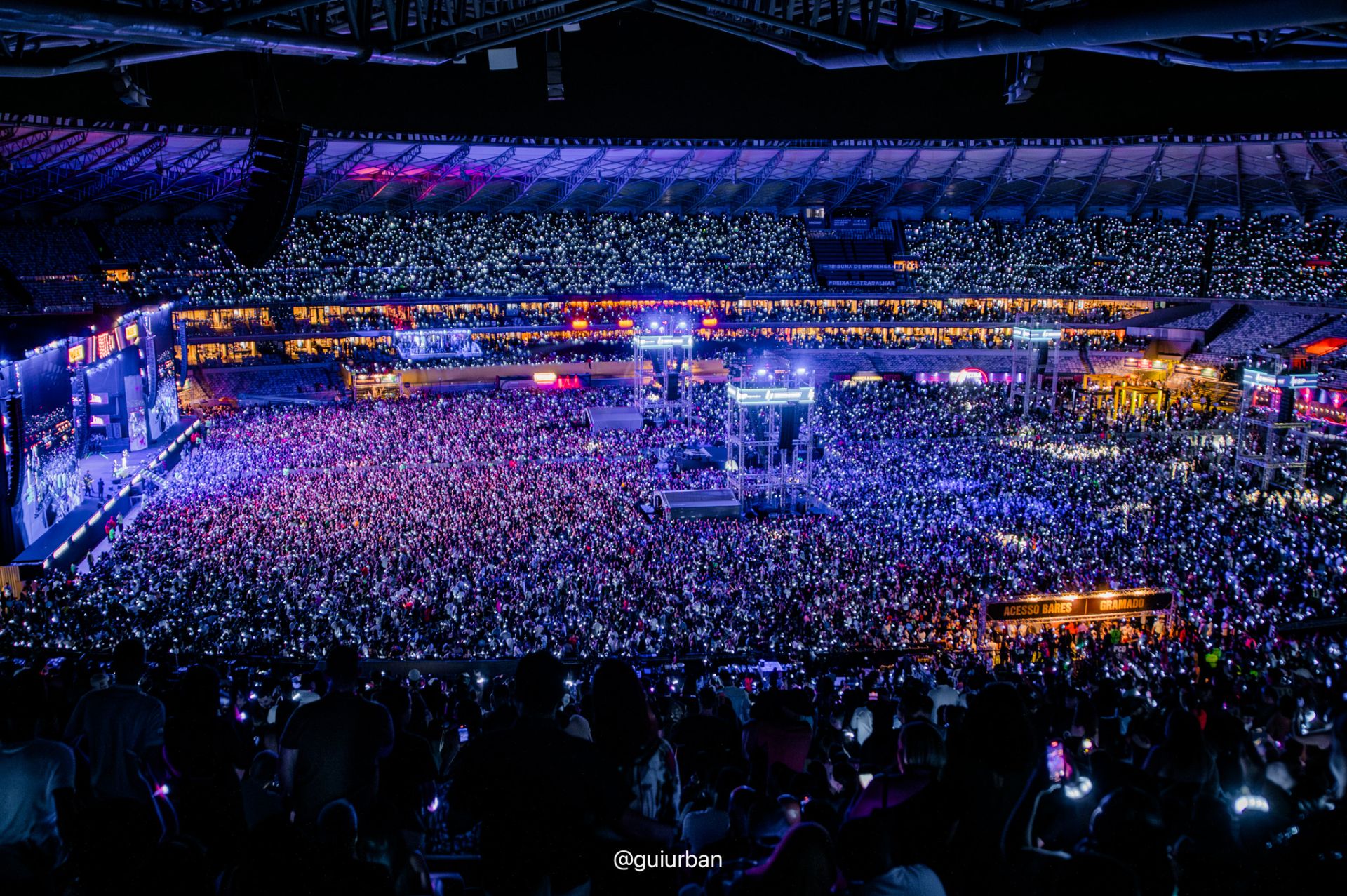
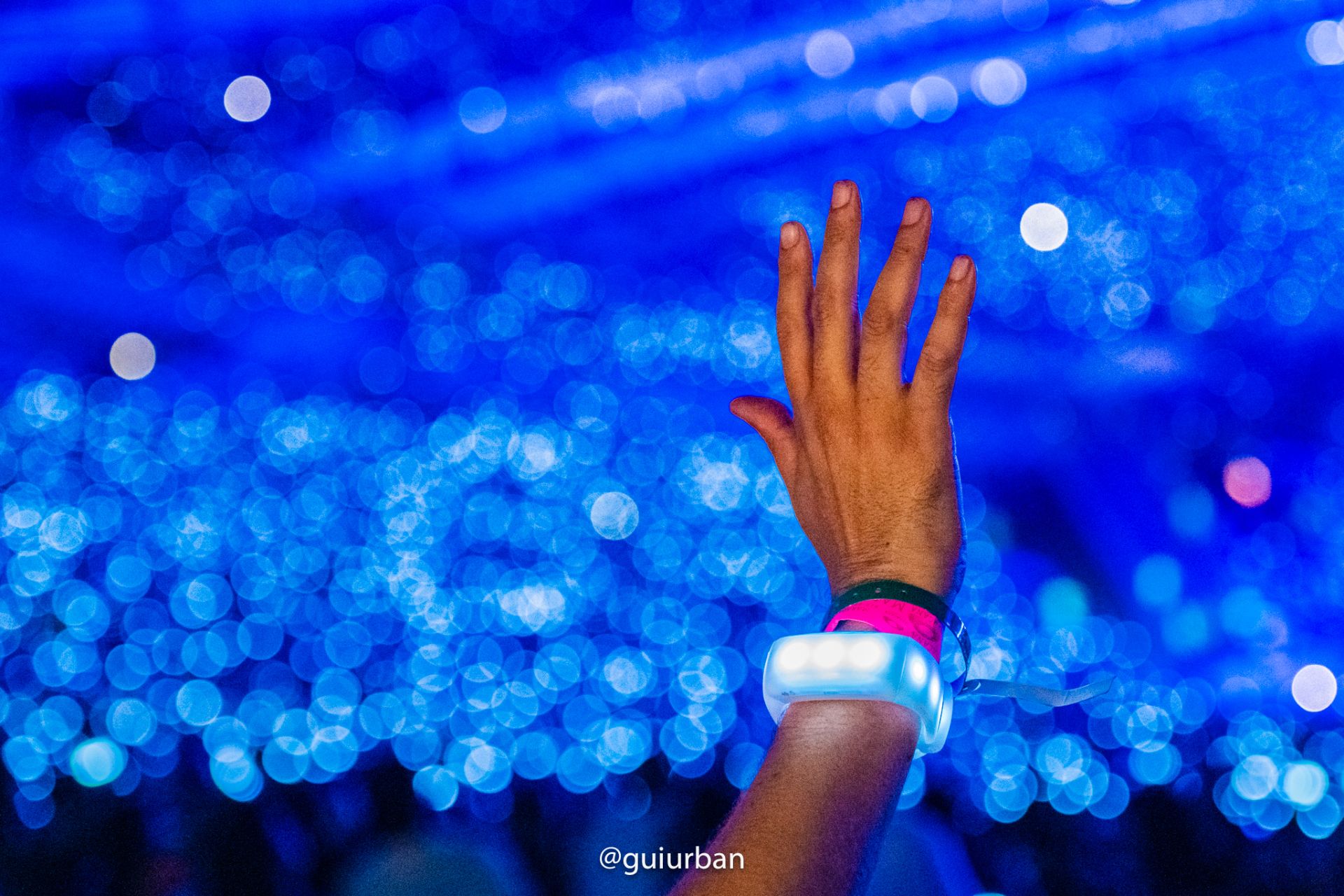
The first wave of this change came with the introduction of mobile phones, their flashlights and screens creating a sea of disconnected, individual lights. While a step towards participation, it was a fragmented one. The true revolution began when that light could be unified and controlled. Enter wearable LED technology. First introduced to the world on Coldplay’s Mylo Xyloto tour, our own Xylobands transformed every audience member into a pixel in a vast, moving canvas. This was a pivotal moment, proving that the crowd itself could become a core component of the lighting design.
This technology has since become a staple of large-scale productions. From the high-energy beats of PRIMER Music Festival in Greece to the historic, sold-out Wizkid shows at The O2, LED wristbands have provided a powerful tool for visual storytelling. By syncing tens of thousands of lights to the music, pyrotechnics, and video content, producers can create overwhelming moments of unity and spectacle. It’s a sensory dialogue between the stage and the crowd, where every beat drop and soaring chorus is reflected in a synchronized wave of light, turning a collection of individuals into a single, pulsating organism.
The Data-Driven Festival: Beyond the Light Show
While LED crowd experiences are the most visible aspect of this new era, an equally significant transformation is happening behind the scenes. The same radio-frequency technology that powers our radio controlled LED wristbands also opens the door to a more sophisticated, data-driven approach to festival production.
Imagine a festival site not as a static field, but as a living network. Every wristband is a potential data point. By understanding crowd density and flow in real-time, event organizers can make smarter, faster decisions. They can identify and alleviate bottlenecks before they become safety concerns, dynamically reroute foot traffic, and optimize the placement of facilities like food stalls, water stations, and medical tents. This isn’t just about efficiency; it’s about creating a safer, more enjoyable, and ultimately more human-centric experience for everyone on site.
“The future of festival production lies in creating responsive environments. We’re moving towards a model where the site itself can feel and react to the needs of the crowd, enhancing safety and improving the overall experience without ever breaking the immersion.”
The Choreography of the Crowd
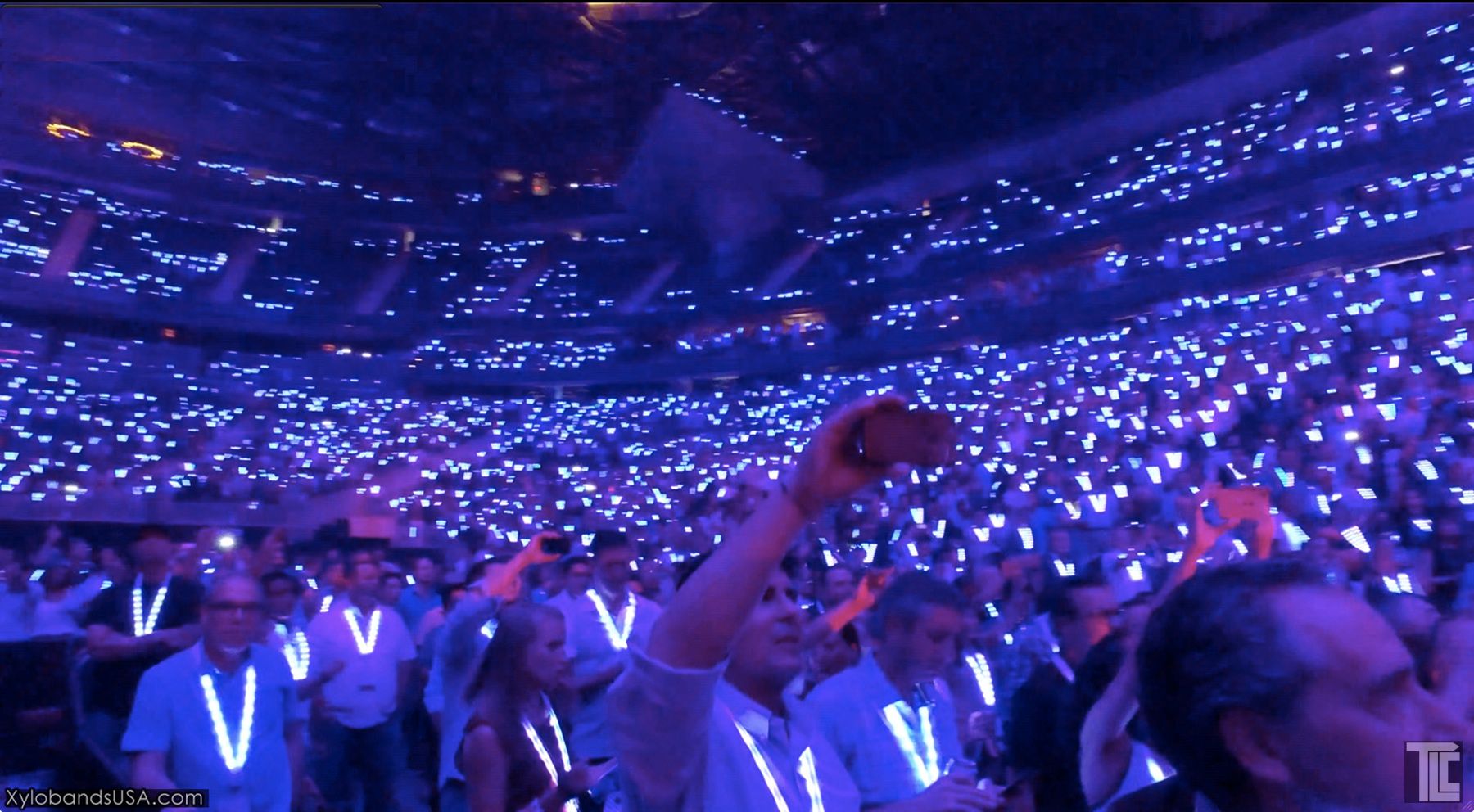
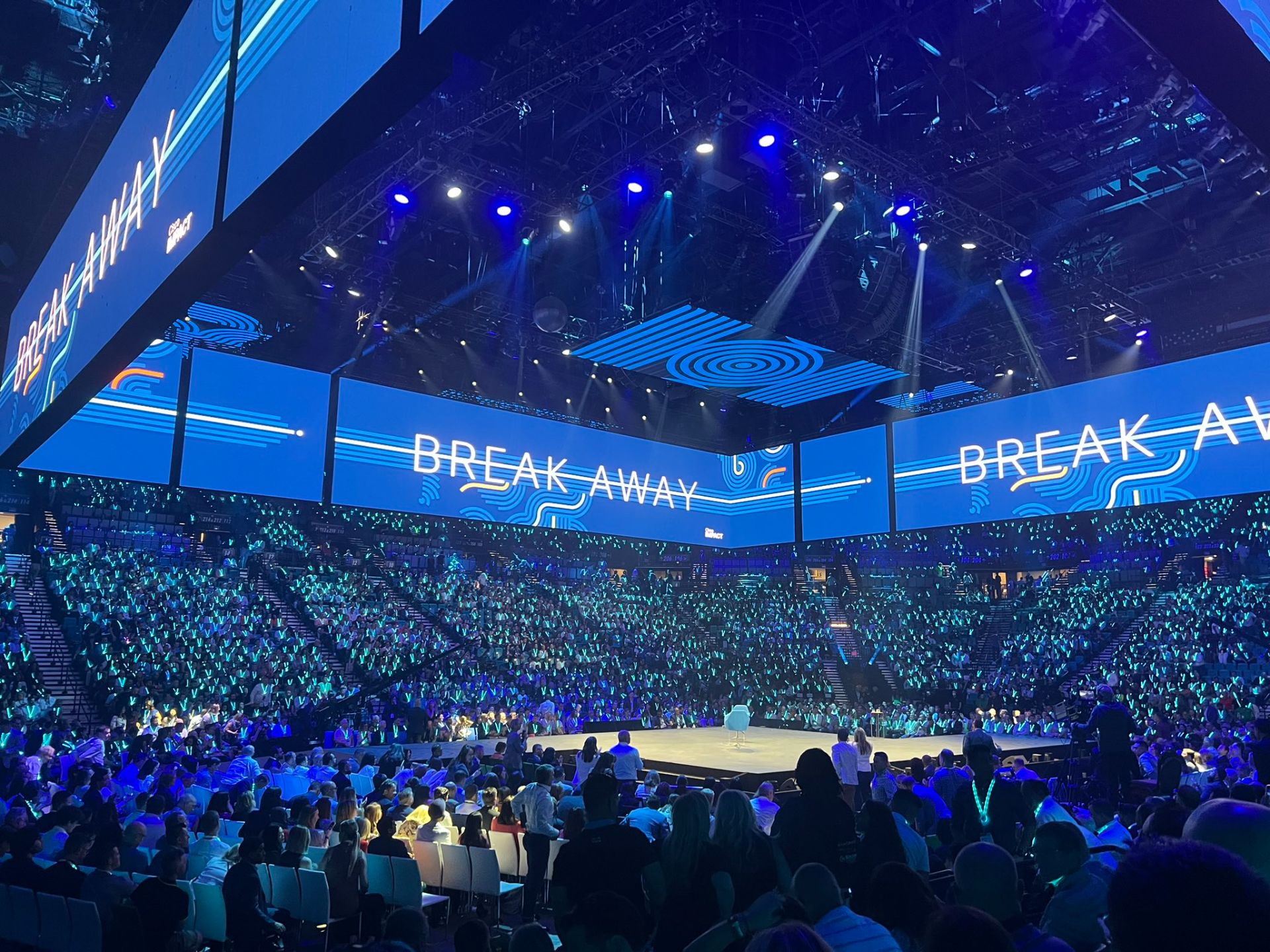
The creative implications of this technology are just as profound. When you can segment an audience and control light with surgical precision, the creative possibilities expand exponentially. For the F1 75 anniversary event, for instance, we created custom LED Lanyards that could be controlled based on where the guest was sitting or their hospitality level. This allowed the creative team to design dynamic effects that swept across the arena, highlighting different sections and making the entire crowd a key player in the broadcast spectacle.
This level of control allows for a new kind of choreography—the choreography of the crowd. Lighting designers are no longer limited to the stage rig. They can paint with light across the entire stadium, creating patterns, chases, and color-sweeps that flow through the audience. This turns the crowd into an active participant in the visual design, a living, breathing extension of the artist’s vision. Whether it's spelling out a message, creating a national flag during an anthem, or simply amplifying the energy of a breakdown, these immersive events forge a powerful connection between the fan and the performance.
The Future is Sentient
As we look to the future, the trend is clear: festivals will become increasingly intelligent and interactive. The integration of immersive event technology with real-time data analytics will give rise to truly sentient event spaces. The humble festival wristband, once a simple credential for entry, has become a key piece of LED event technology—a tool for creating spectacle, ensuring safety, and fostering a deeper sense of community.
From the fields of Glastonbury to the global stages of artists like Maluma and Coldplay, the nature of crowd participation is being fundamentally rewritten. The audience is no longer just listening; they are illuminating, they are participating, and they are co-creating the unforgettable moments that define the live experience. For producers, designers, and artists, the mandate is no longer just to build a stage, but to build a world—a responsive, interactive, and sentient world where every single person is part of the light.