The Spectacle of Sport: Choreographing the Modern Half-Time Show
The Fifteen-Minute Spectacle
It’s one of the most-watched, highest-stakes performance slots on Earth. The Super Bowl half-time show, a mere fifteen minutes of choreographed spectacle, is a cultural phenomenon that demands military-grade precision and boundless creativity. It’s a world where sport, music, and technology collide, creating a canvas not for a few thousand fans in a stadium, but for a global broadcast audience of hundreds of millions. For producers and choreographers, the challenge is monumental: how do you command a space the size of an arena, captivate a global audience, and leave an indelible mark in less time than a coffee break?
The Arena as a Living Stage
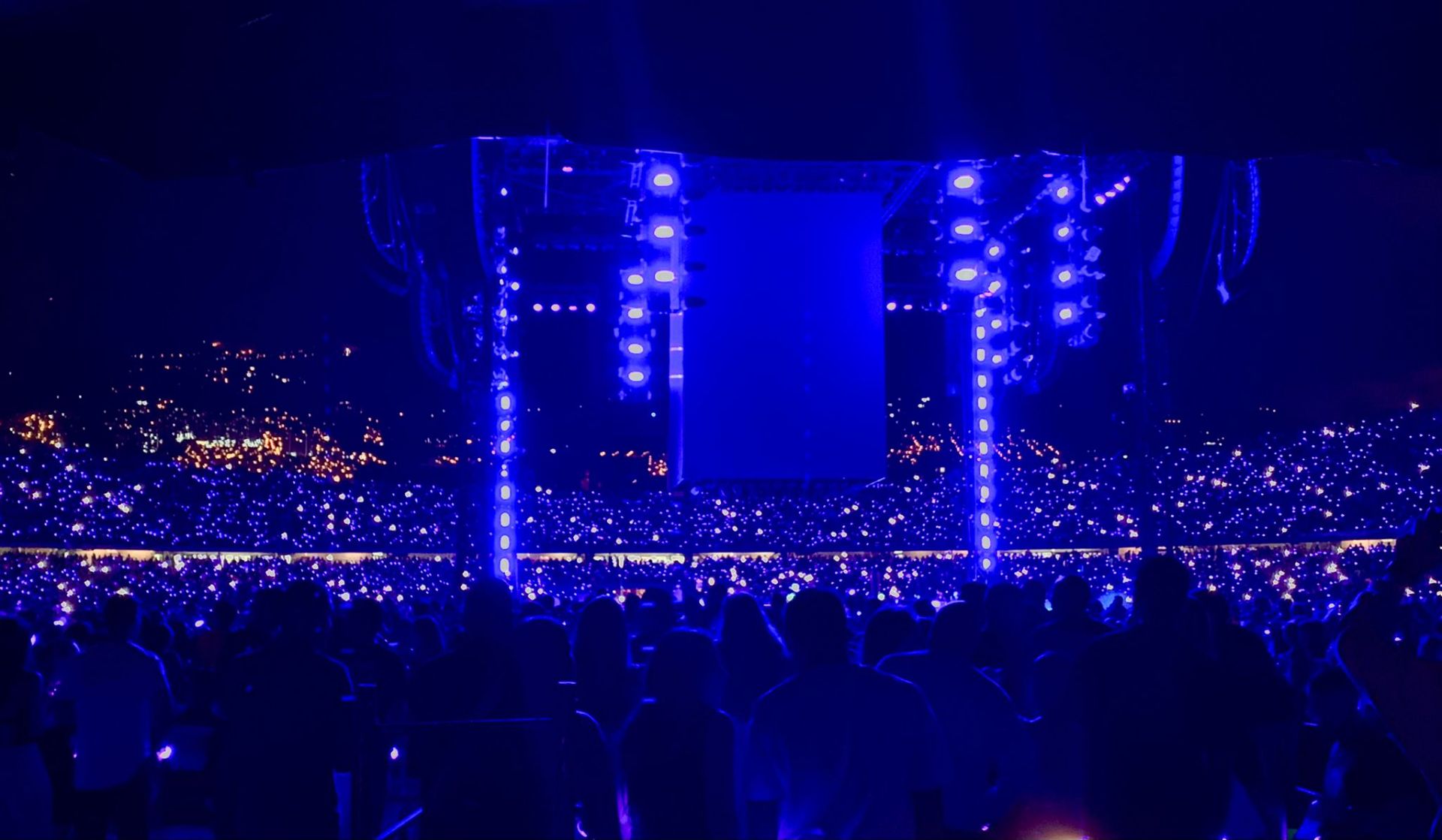
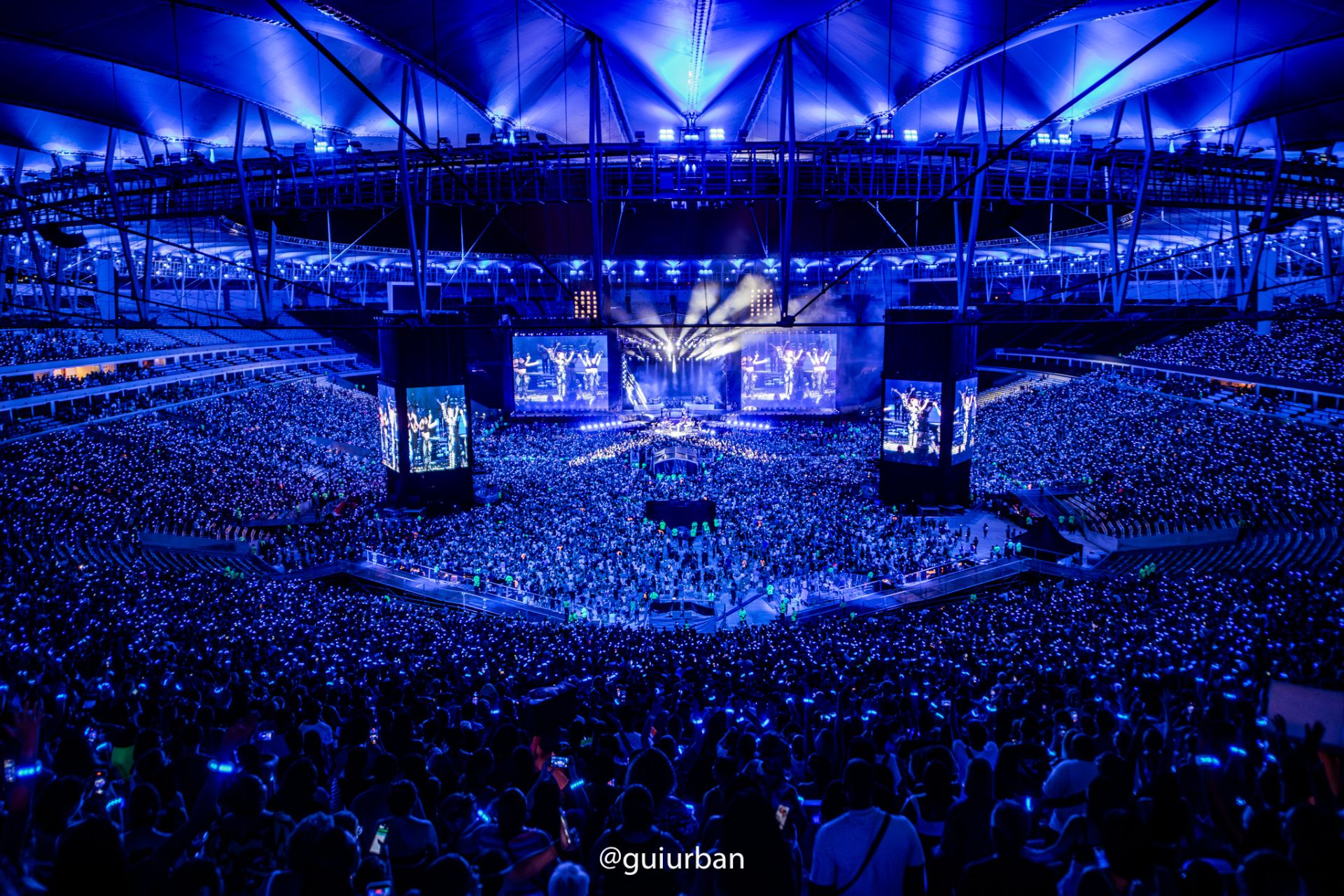
The field of play is no longer just turf; it’s a dynamic, 360-degree stage. The modern half-time show is a masterclass in spatial choreography, blending artist performance, hundreds of dancers, and complex stage mechanics. But the true evolution in recent years has been the integration of the crowd itself into the performance. The audience is no longer a passive observer but an active and essential component of the visual design.
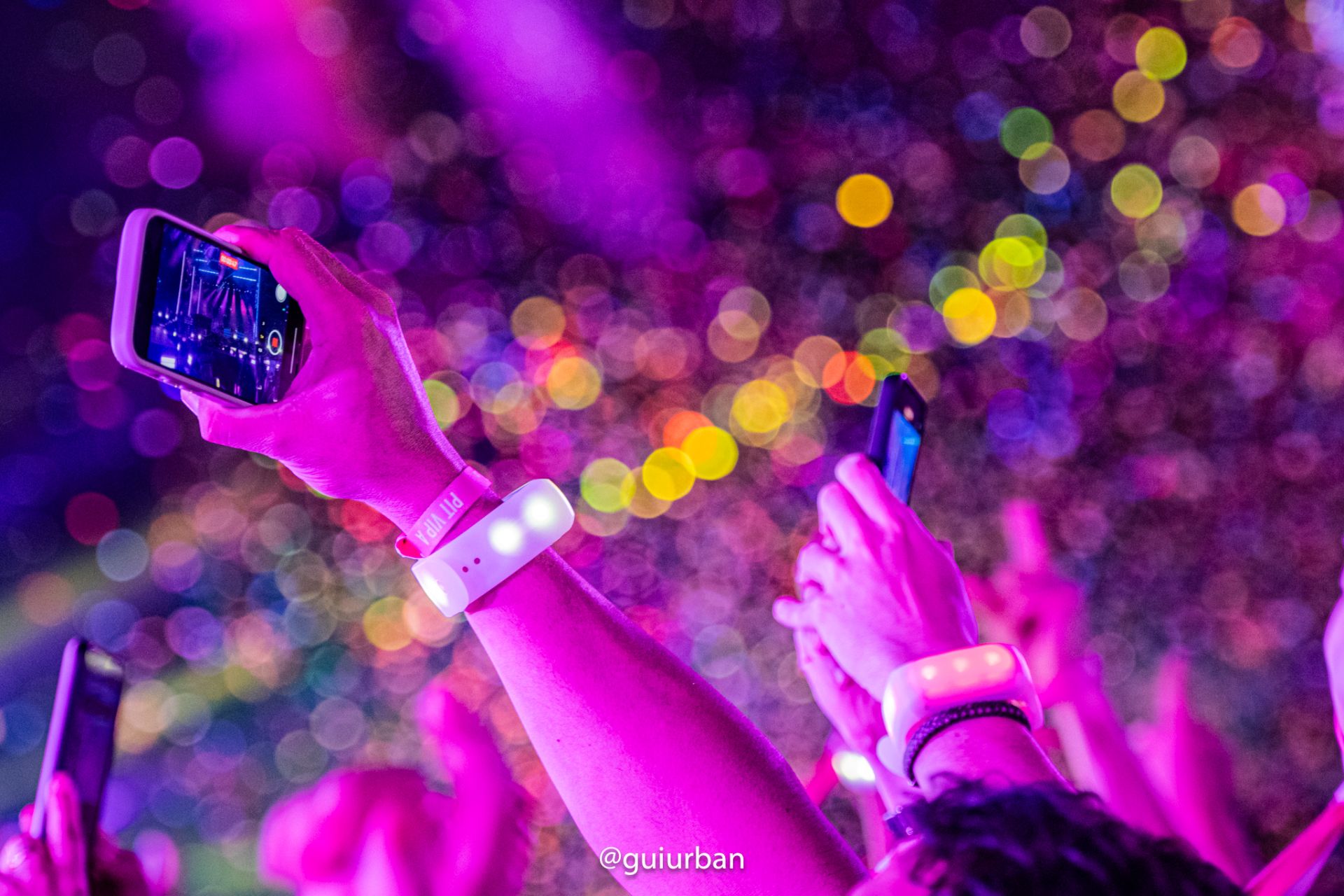
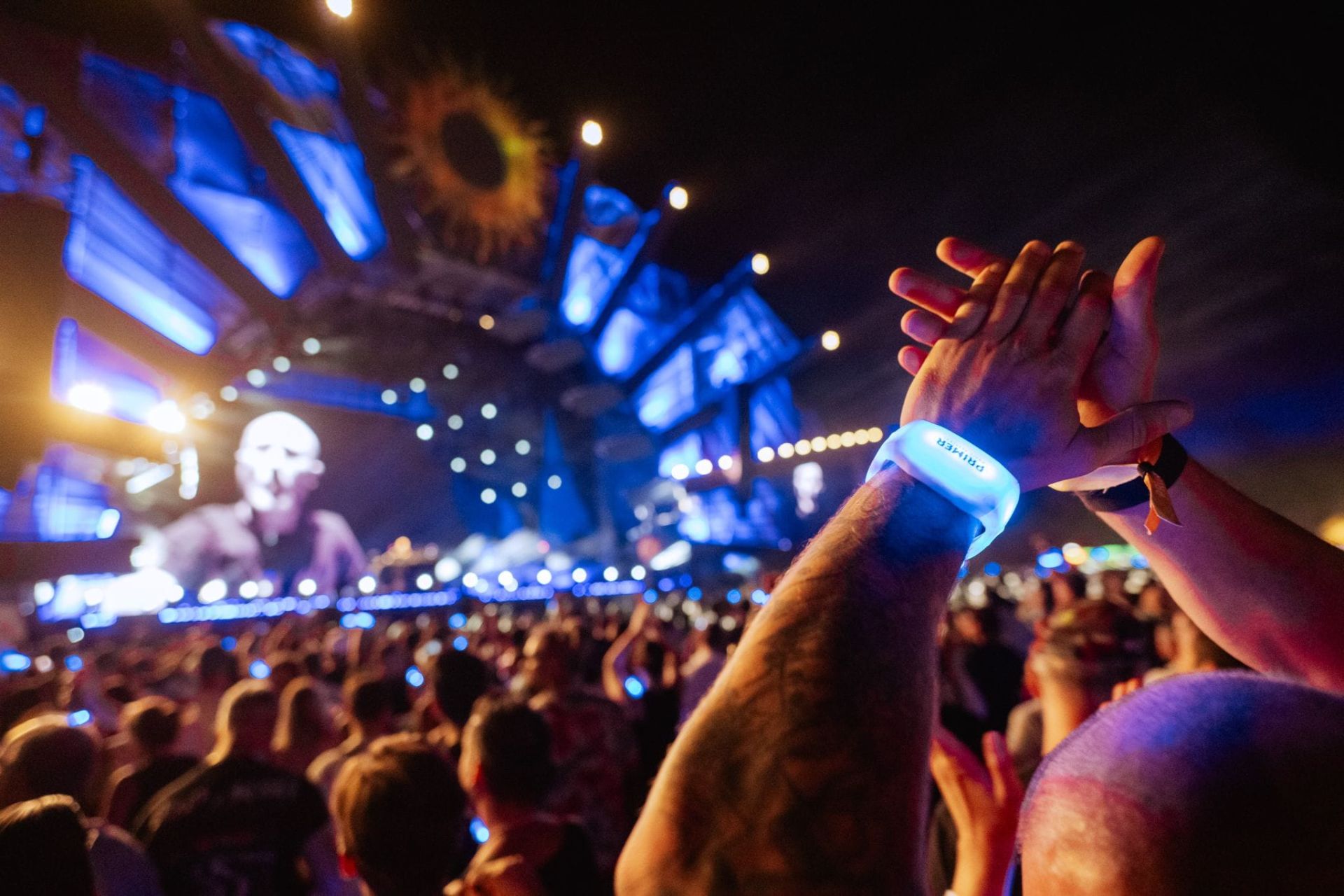
This is where Immersive Event Technology comes into play. By equipping the audience with radio-controlled LED wristbands, choreographers gain thousands of new, synchronized pixels to paint with. Suddenly, the entire stadium bowl can pulse with light, mirroring the beat of the music or washing over the crowd in massive, coordinated waves of color. It transforms tens of thousands of individuals into a single, living canvas, a technique Xylobands pioneered with Coldplay and has since deployed for major sporting clients like the Davis Cup, Formula One, and the FIFA World Cup.
Choreographing Light and Humanity
Integrating the crowd as a visual element requires a unique approach to choreography. It’s not just about directing dancers on a stage; it’s about programming light across a vast architectural space filled with people.
- Zoning and Sectionality: Lighting designers can segment the stadium into zones, creating contrasting colors, strobing patterns, or cascading effects that ripple from one section to another. This turns the static architecture of the arena into a dynamic and responsive environment.
- Rhythmic Precision: The ability to sync every single wristband to the musical track allows for unparalleled rhythmic precision. A sudden blackout can be punctuated by a single, stadium-wide flash of light on a specific beat, creating moments of dramatic impact that feel both vast and intimate.
- Emotional Resonance: Color theory plays a crucial role. A slow, gentle fade in a soft blue or white can create a moment of collective calm and unity, reminiscent of the lighters-in-the-air moments of past decades. In contrast, rapid-fire flashes of red and gold can amplify the energy of a high-tempo track, driving crowd excitement. These are the tools that create powerful LED Crowd Experiences.
Lighting for the Lens
While the in-stadium experience is paramount, the half-time show is fundamentally a broadcast event. Every decision is made with the camera in mind. The integration of Wearable LED Technology provides a spectacular visual feast for viewers at home. Drone shots and sweeping high-angle camera work can capture the full scale of the stadium-wide light show, creating a visual spectacle that would be impossible to appreciate from a single seat in the arena.
“You are no longer just lighting an artist or a stage. You are lighting an entire stadium and the millions of people watching from home. The crowd becomes a vital part of the broadcast, a living, breathing backdrop that makes the show feel truly immense.”
This dual-audience focus is critical. The energy generated by the live, illuminated crowd translates through the screen, making the broadcast feel more vibrant and alive. It’s the difference between watching a performance and feeling like you are part of it, even from thousands of miles away.
The Legacy of the Light-Up Crowd
From the Davis Cup to Formula One events, the principle remains the same: transforming a sporting event’s intermission into a landmark cultural moment. The modern half-time show is a testament to the power of creative collaboration—between artist, producer, choreographer, and technologist. It demonstrates a new understanding of what a crowd can be: not just spectators, but the very fabric of the spectacle itself.
As technology continues to evolve, so will the art of the half-time show. What was once an empty field is now a fully immersive, interactive environment. Through the strategic choreography of light and people, these fifteen-minute windows don’t just entertain; they unite, creating shared moments of awe that resonate long after the final whistle blows.
'''