The Spectrum of Belonging: How Immersive Light is Building a More Inclusive Live Experience
The Unspoken Contract of the Crowd
At its core, a live event is a promise: a promise of a shared experience. Whether in a roaring stadium, a packed festival field, or an intimate corporate auditorium, we gather to be part of something larger than ourselves. For decades, the architecture of that experience has been built with a common denominator in mind. But as our understanding of the human experience deepens, so too does our responsibility to question who that "common denominator" truly represents. The future of live production isn't just about creating bigger, louder, or brighter spectacles. It's about engineering a deeper sense of belonging for every single person in the audience.
This requires us to expand our definition of accessibility beyond the physical—beyond ramps, railings, and designated seating. It demands we venture into the sensory and cognitive realms, acknowledging that the very elements designed to generate excitement for one person can be overwhelming and exclusionary for another. The challenge for event producers, tour managers, and brand marketers is no longer just to captivate the crowd, but to create a space where everyone feels not just accommodated, but truly welcome.
Light as a Language, Not Just a Spectacle
Light is the primary medium of the modern live spectacle. It directs focus, builds tension, and triggers emotional release. In the wrong hands, it can be a blunt instrument—a barrage of strobes and chaotic effects that can create a significant barrier for individuals with sensory processing disorders, PTSD, or other sensitivities. But when wielded with intention and empathy, light becomes a powerful, non-verbal language capable of fostering profound inclusion.
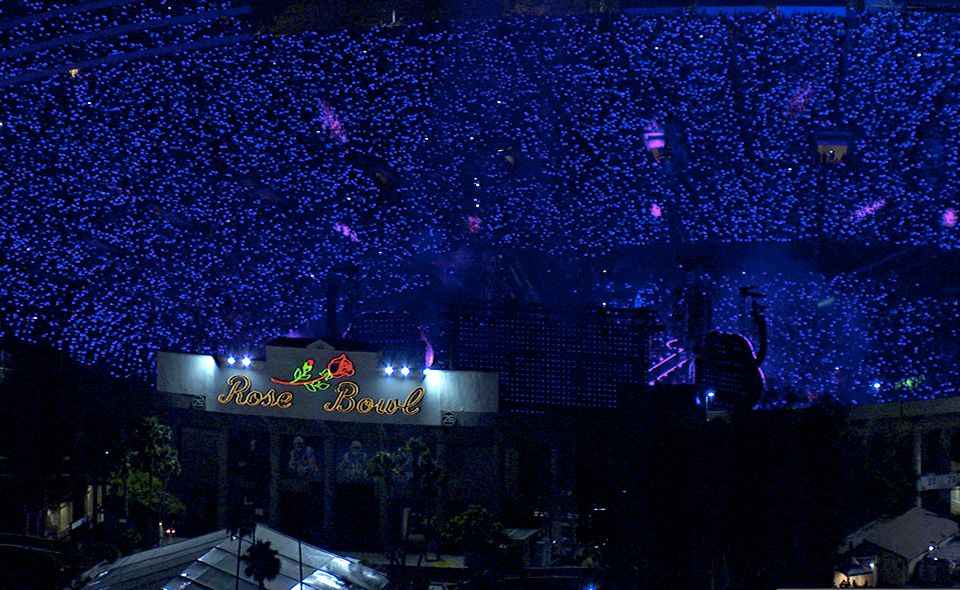
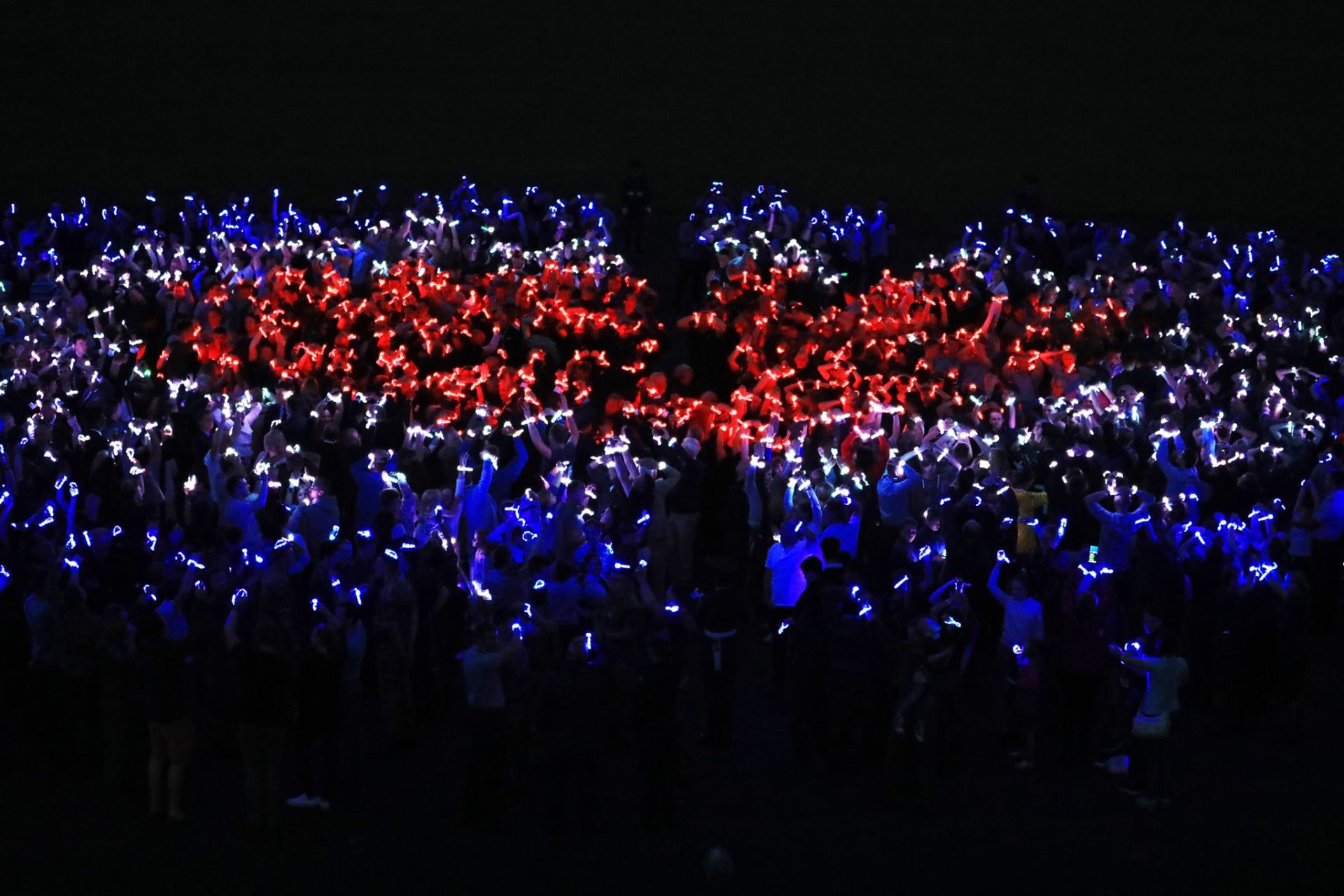
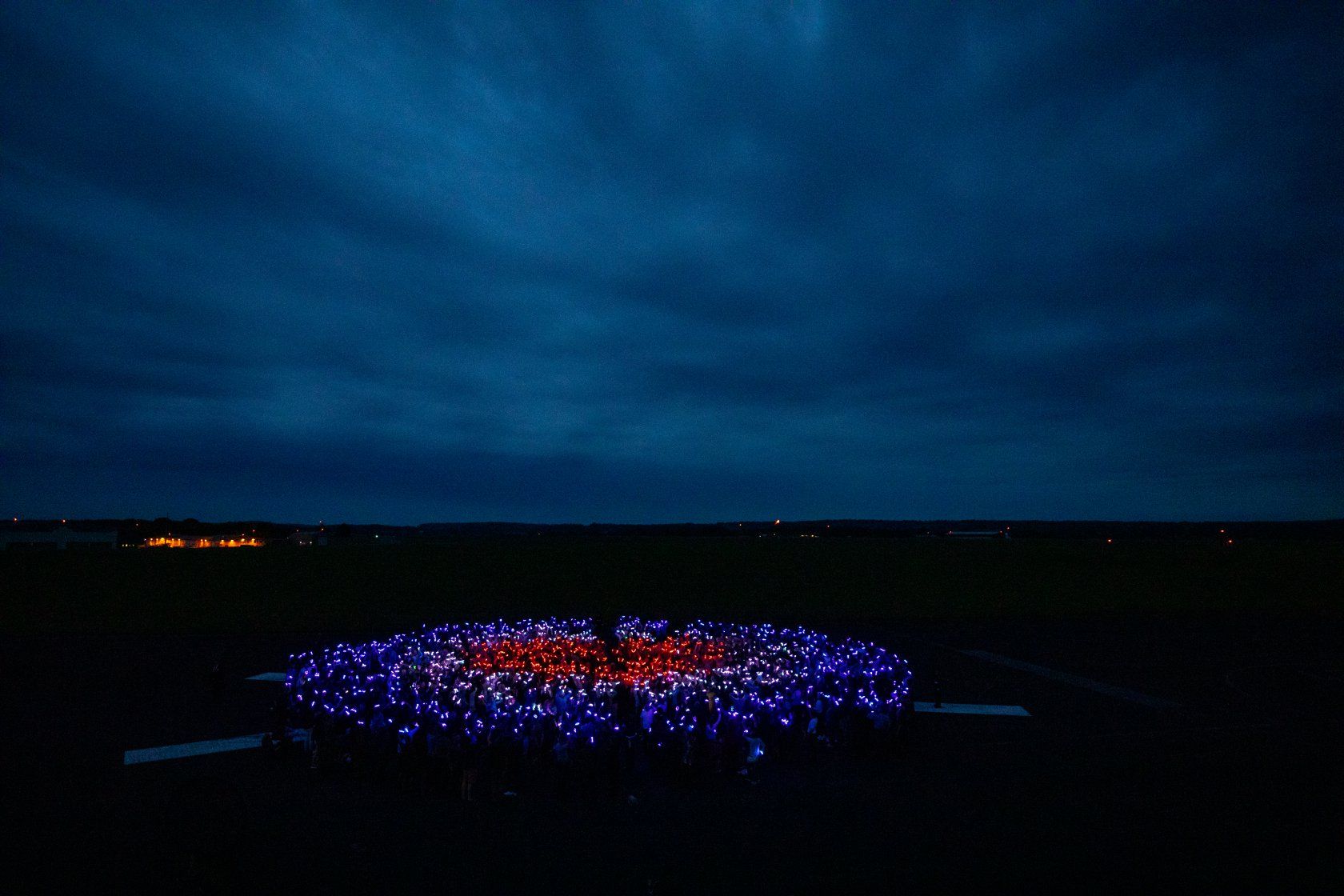
This is where wearable LED technology transforms from a novelty into a sophisticated tool for inclusive design. Imagine an entire audience illuminated, each person a pixel in a grand, unified canvas. This is the foundation of Xylobands, but its potential extends far beyond pure visual amplification. Synchronized light offers a communication channel that transcends hearing. For d/Deaf or hard-of-hearing attendees, a sudden shift in colour or a pulsing rhythm that ripples through thousands of LED bracelets can translate a critical beat drop, a key change, or a moment of audience-wide participation. It’s an auditory cue made visible and communal, ensuring a shared experience that might otherwise be missed.
Engineering Sensory-Friendly Spaces Within the Spectacle
Inclusion doesn’t mean dilution. The goal is not to eliminate high-energy moments but to provide a more nuanced, controllable, and accessible environment. Radio-controlled systems allow for a level of granular control that was previously unimaginable. Producers can now design with a multi-layered approach, creating different lighting experiences for different sections of a venue.
Imagine a designated sensory-friendly zone where the LED bands glow with softer, slower-fading colours, while the main floor erupts in high-energy patterns. This allows attendees who need a less stimulating environment to remain visually connected to the show and the crowd, participating in their own way without feeling overwhelmed or segregated.
This same principle applies to corporate event activations. Rather than a one-size-fits-all approach, custom LED wristbands or LED lanyards can be programmed to create different experiences for different attendee groups. As seen in complex events like the Formula One 75th-anniversary show, where custom pendants were designed for various teams and hospitality levels, the technology allows for sophisticated audience segmentation. This capability can be repurposed for accessibility, providing a calmer experience for some, guided visual cues for others, or simply fostering a sense of group identity that enhances comfort and belonging.
The Psychology of a Unified Crowd
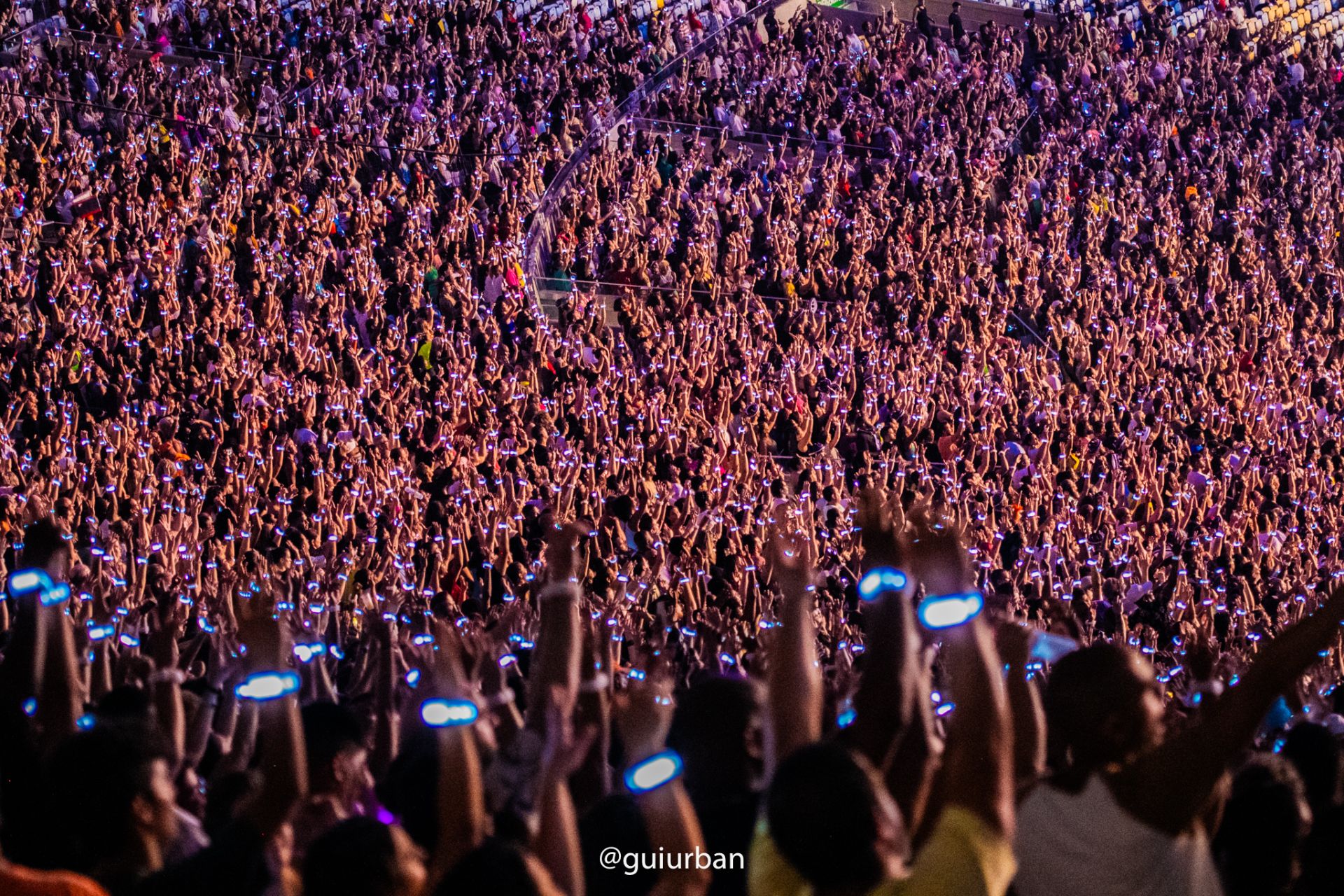
Beyond sensory considerations, the psychological impact of shared light is a powerful force for inclusion. In a crowd of thousands, it’s easy to feel anonymous or disconnected. But when a sea of individual lights becomes a single, pulsing entity, a profound sense of unity is forged. This visual bond instantly breaks down social barriers and creates a shared identity, however temporary. Everyone is part of the show; everyone is contributing to the spectacle.
This was the very inspiration behind Xylobands: the idea of turning a passive audience into an active, illuminated community. This shared visual language makes people feel seen and acknowledged, creating a more welcoming atmosphere for those who might otherwise feel anxious or on the periphery of a large crowd. From massive music events like Greece’s PRIMER Festival to global concert tours, this sense of connection is universal. These are no longer just concert wristbands; they are instruments of connection, creating LED crowd experiences that are inherently more communal.
The Widening Beam: A More Thoughtful Future for Live Events
The next frontier for immersive event technology is not just to dazzle, but to connect. The tools are already here. The systems that power the world’s biggest light shows have the capacity to create more thoughtful, empathetic, and inclusive environments. It requires a shift in mindset from producers and designers—a commitment to seeing the audience not as a monolith, but as a diverse collection of individuals, each with a unique way of experiencing the world.
By harnessing the power of technologies like radio controlled LED wristbands, we can build immersive events that offer layers of experience, catering to different needs without sacrificing the power and energy that make live events so magical. We can use light to guide, to translate, and to unify. We can create a spectrum of belonging, ensuring that when the lights go down and the show begins, it truly is a light for every fan.