The Spectrum of Connection: Accessibility and the Future of Live Events
The Unspoken Contract of the Crowd
Every live event, from a global broadcast to an arena tour, begins with an unspoken contract. The audience agrees to bring their attention, their energy, and their passion. The producers, in turn, agree to deliver a spectacle worthy of that investment—a moment of collective effervescence, a temporary world built of light and sound. But what happens when that world, however spectacular, is not built for everyone?
For too long, the conversation around accessibility in live entertainment began and ended with physical access. Ramps, railings, and designated seating areas are a vital and non-negotiable foundation, but they are just that: the foundation. True, deep inclusion requires us to look beyond the physical and consider the entire sensory and cognitive experience of the audience. It demands we ask a more profound question: How do we build a spectacle that connects with, rather than excludes, the full spectrum of human experience?
Beyond the Physical: Designing for the Senses
The modern live event is an unapologetic assault on the senses. Strobe lights, pyrotechnics, and audio levels that shake the very foundations of the venue are all standard tools in the producer’s arsenal. For the majority of the audience, this is the very fabric of the exhilaration they came for. For others, however, it can be a significant barrier to entry.
Consider audience members with sensory sensitivities, such as those on the autism spectrum or individuals with PTSD. The same intense, unpredictable flashes of light and sound that electrify one person can be overwhelming and distressing for another. Consider the hearing impaired, for whom a purely auditory spectacle can feel isolating, or the visually impaired, for whom a show reliant on complex screen content can be difficult to follow. Inclusive design is the art and science of acknowledging these different realities and engineering solutions that bridge the gaps.
“The goal of immersive design shouldn’t be just to overwhelm the senses, but to engage them with purpose and precision. It’s about creating layers of experience, so that every individual can find their own connection to the moment.”
Light as a Universal, Controllable Language
This is where the new generation of Immersive Event Technology offers a transformative toolkit. Light, when wielded with intention, is a universal language. It transcends auditory barriers and, when properly controlled, can create powerful emotional textures without contributing to sensory overload. The key is control and synchronicity.
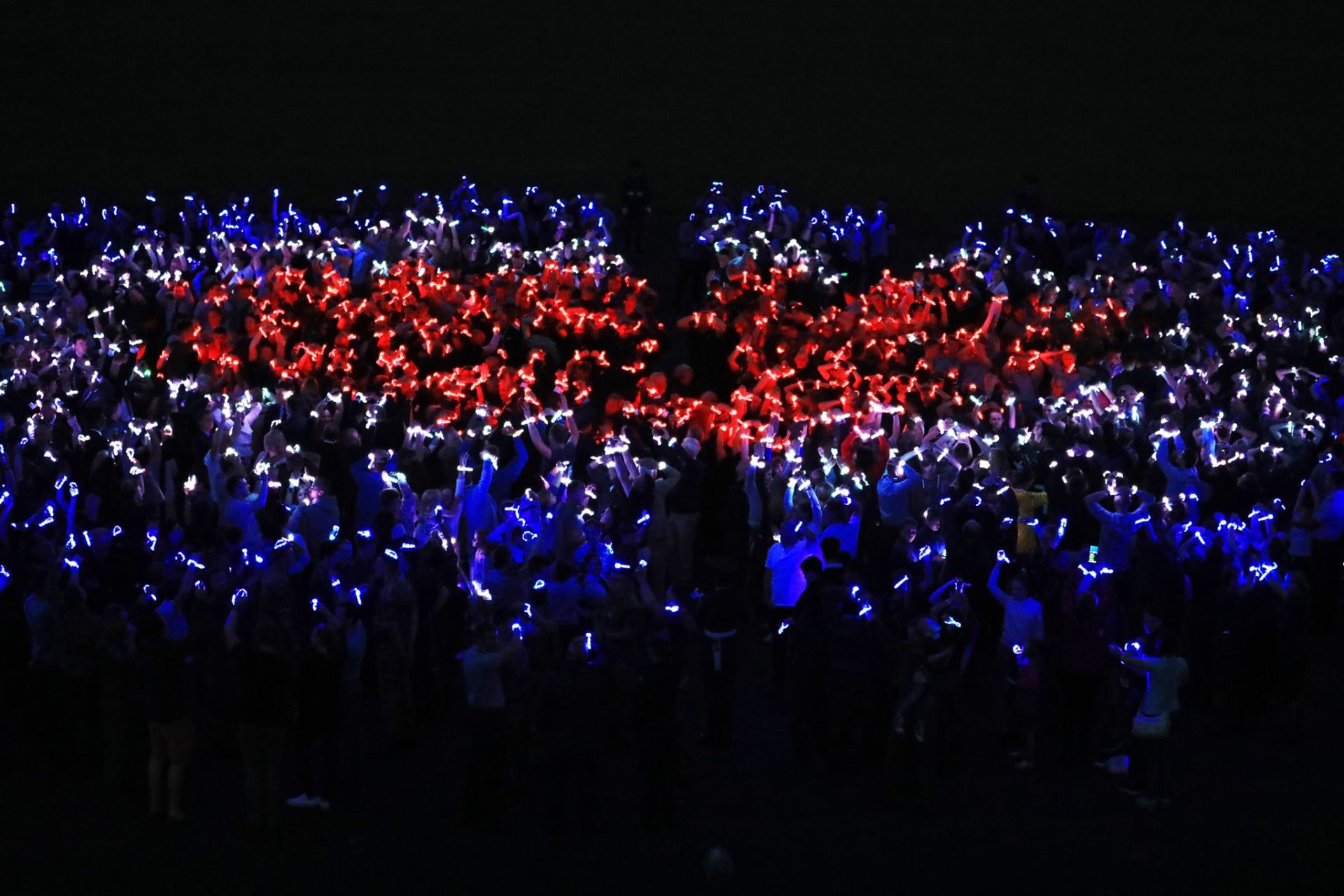
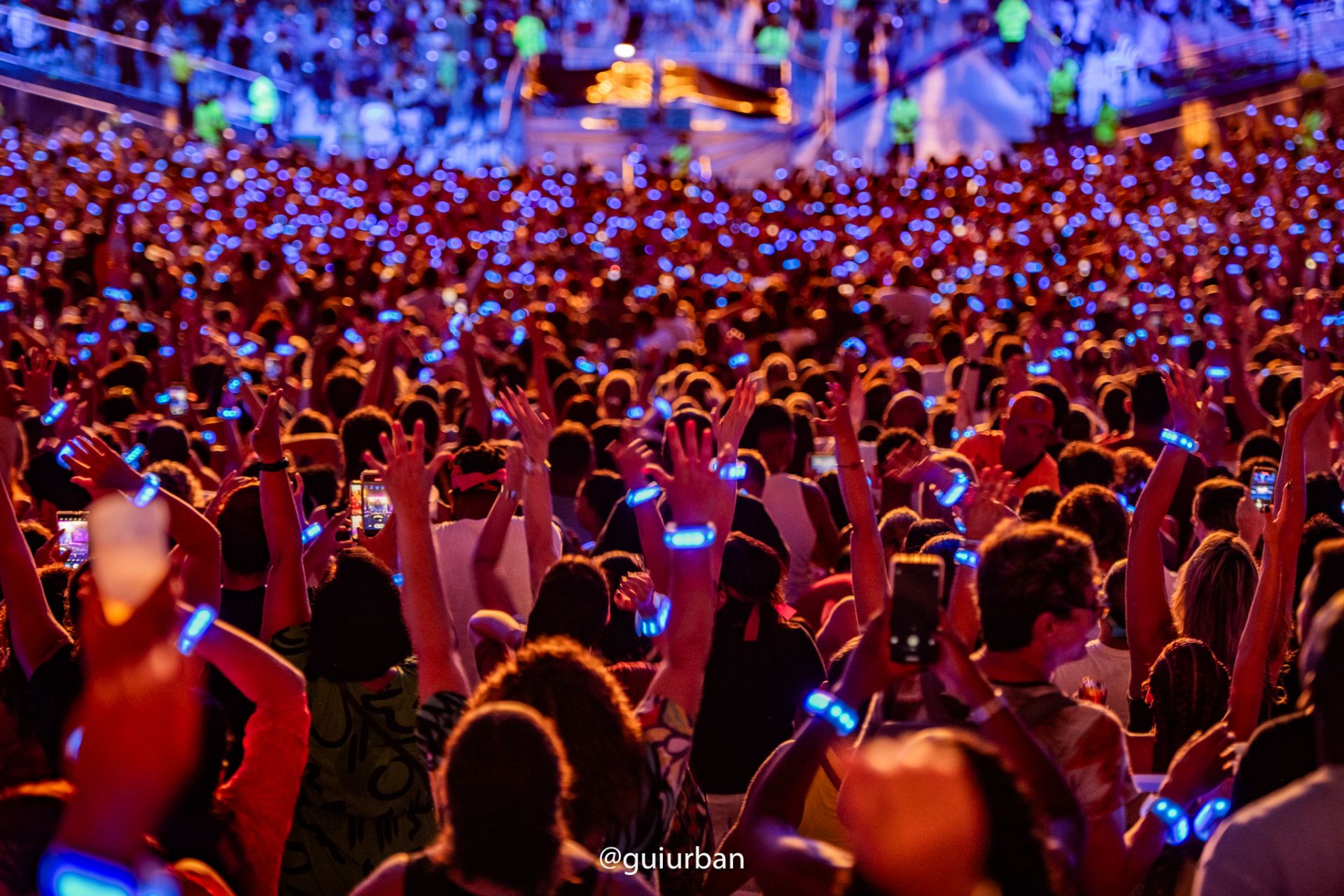
Technologies like Radio Controlled LED Wristbands turn the audience itself into a cohesive canvas of light. This is fundamentally different from the chaotic wash of strobes or lasers. It’s a shared visual experience, a silent symphony that every member of the audience helps to create. For an audience member who is deaf or hard of hearing, a sudden pulse of red light sweeping across 20,000 wrists can communicate a dramatic beat drop with more immediacy than the vibration they feel through the floor. It’s a direct translation of sound into a powerful visual cue.
For those with sensory sensitivities, this controlled approach is equally revolutionary. The light is ambient, synchronized, and part of a cohesive whole, not a series of jarring, unpredictable flashes. The experience becomes more immersive and less alarming, allowing for participation without the anxiety. This is the core of what well-executed LED Crowd Experiences can achieve.
A Case Study in Unity: The Visual Language of the Arena
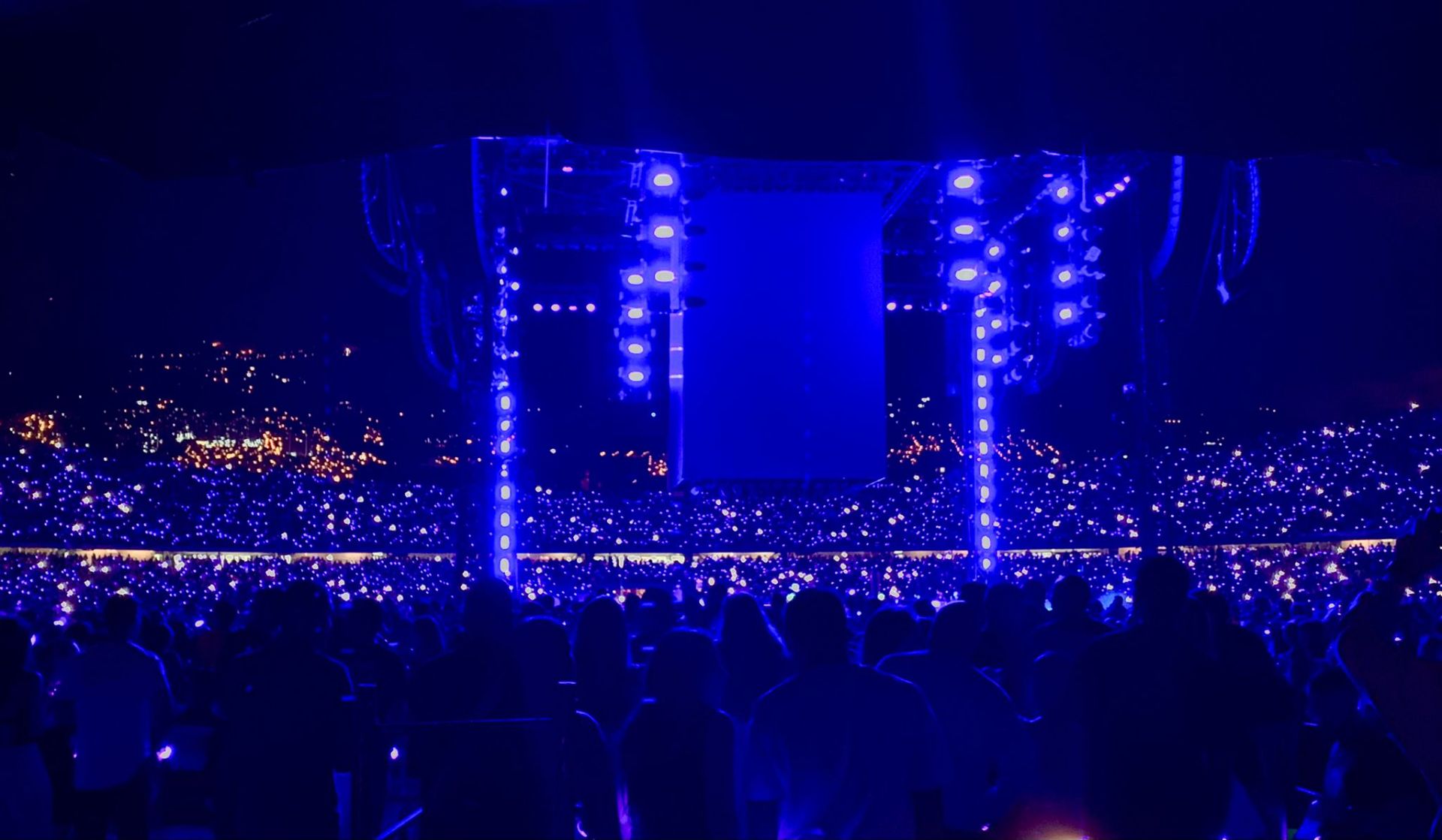
When Wizkid became the first African artist to sell out three consecutive nights at London’s O2 Arena, it was a landmark cultural moment. The energy was, by all accounts, electric. For those three nights, 32,000 Xylobands were deployed, uniting every single fan in a shared visual spectacle. While not explicitly billed as an accessibility feature, the effect was profound. A fan in the back row, a guest in a corporate suite, a person with hearing impairment—all were connected by the same pulses of light. They were all, literally, part of the show’s design.
This demonstrates a core principle of inclusive design: universality. By creating a powerful, non-verbal layer of communication, the experience was deepened for everyone. The synchronized LED Bands provided a visual anchor to the music, a unified rhythm that bound the entire arena together. It’s a powerful example of how Wearable LED Technology can foster connection on a mass scale.
The Future is Intentionally Inclusive
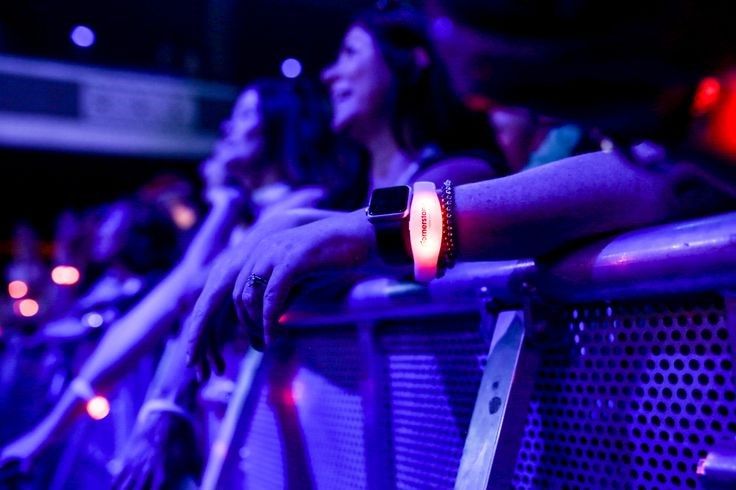
The next frontier of live events lies in leveraging this technology with even greater intention. Imagine a future where event apps allow attendees to opt into a “low-sensory” mode, subtly adjusting the behavior of their personal LED Wearables to be less intense. Imagine designated quiet zones where the roar of the main stage is dampened, but the visual story told by the sea of lights remains perfectly visible through glass. Custom LED Wristbands and lanyards can even be programmed with different behaviors for different sections, creating tailored experiences within the mass spectacle.
This level of granular control is no longer theoretical. It is the new toolkit for experience designers and tour producers. It allows for advanced audience segmentation that goes beyond ticketing tiers and into the realm of personal comfort and preference. Building these choices into the architecture of an event doesn’t dilute the spectacle; it strengthens it by welcoming a wider audience to participate fully.
Ultimately, a truly immersive event is one where no one feels left out. It’s a spectacle that speaks in multiple languages—auditory, visual, and emotional. As technology providers, artists, and producers, we have a collective responsibility to use the powerful tools at our disposal to build these more thoughtful, more accessible, and more profoundly unified worlds. The future of live entertainment is not just about being bigger and louder; it’s about being smarter, more empathetic, and open to all. It's about using light not just to illuminate a stage, but to illuminate the connections between every single person sharing the experience.