The Spectrum of Connection: A New Vision for Accessible Live Events
Beyond the Ramp: A New Vision for Accessible Live Events
For too long, the conversation around accessibility in live entertainment has been narrowly focused. We've rightly concentrated on physical access—ramps, accessible seating, and clear pathways. These are the foundational, non-negotiable elements of any modern venue. But what if we expanded our definition of access? What if we began to design experiences that are not just physically accessible, but sensorially inclusive?
The future of live events lies in creating rich, multi-sensory environments that welcome and engage every single audience member, regardless of their sensory abilities. It’s a design philosophy that moves beyond compliance and into connection, leveraging technology to build bridges where traditional production might create barriers.
The Limitations of a Sight-First, Sound-First World
The conventional live event is an assault on two senses: sight and sound. Towering speaker stacks and dazzling video walls dominate the landscape. For most, this is the very definition of a spectacular show. But for audience members who are Deaf, hard of hearing, blind, have low vision, or are neurodivergent, this two-pronged approach can create an exclusionary experience. An incredible guitar solo is lost on someone who cannot hear it; a stunning lighting sequence is meaningless to someone who cannot see it.
This is not a niche problem. Millions of potential fans are being underserved by a production model that assumes a uniform way of experiencing the world. True innovation doesn't just mean louder sound systems or higher-resolution screens. It means creating more pathways to the same emotional core. It means using every tool at our disposal to translate the energy and narrative of a performance into a language everyone can understand.
By designing for the senses, not just for sight and sound, we can create a more equitable and powerful form of shared experience.
Light as a Universal Language
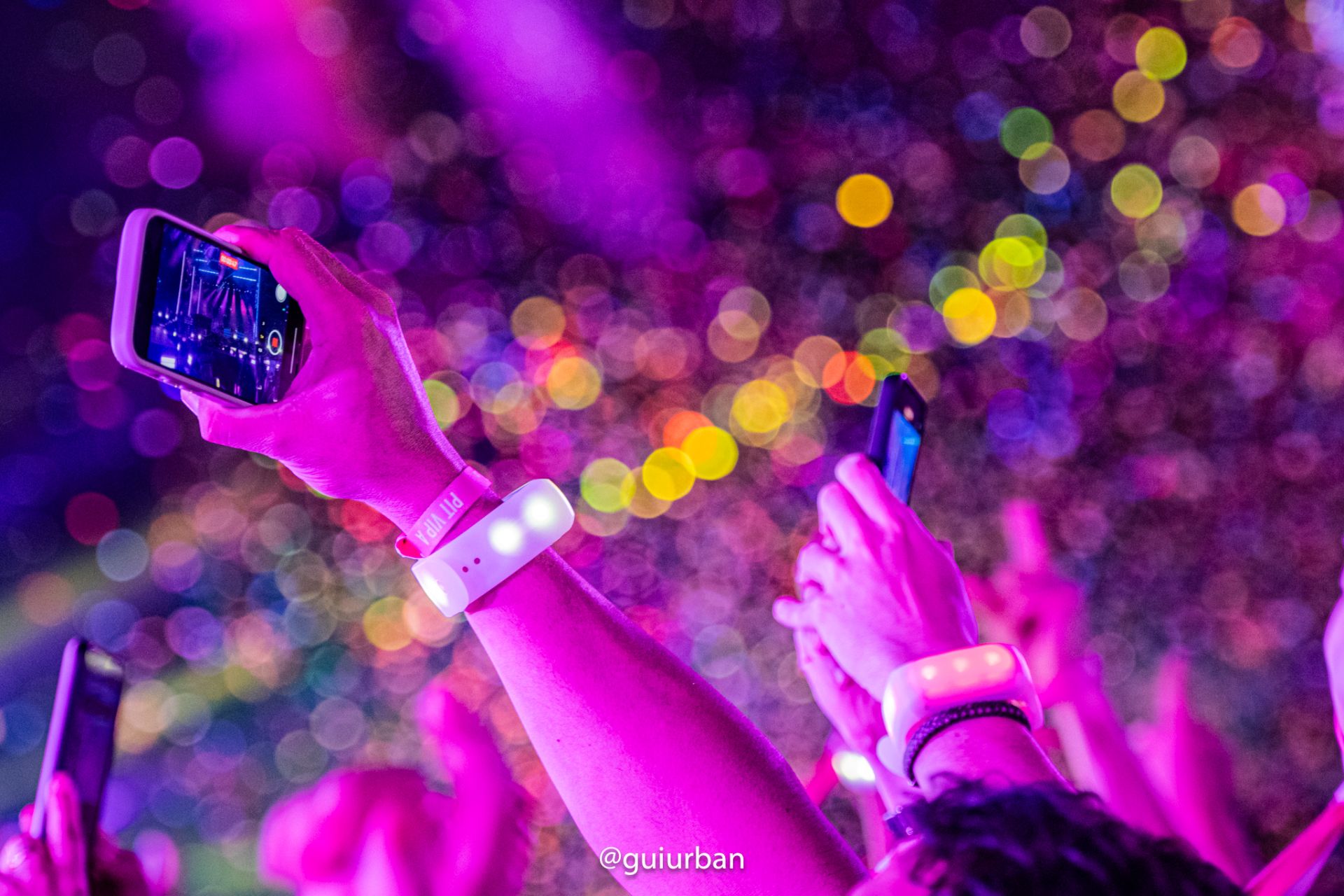
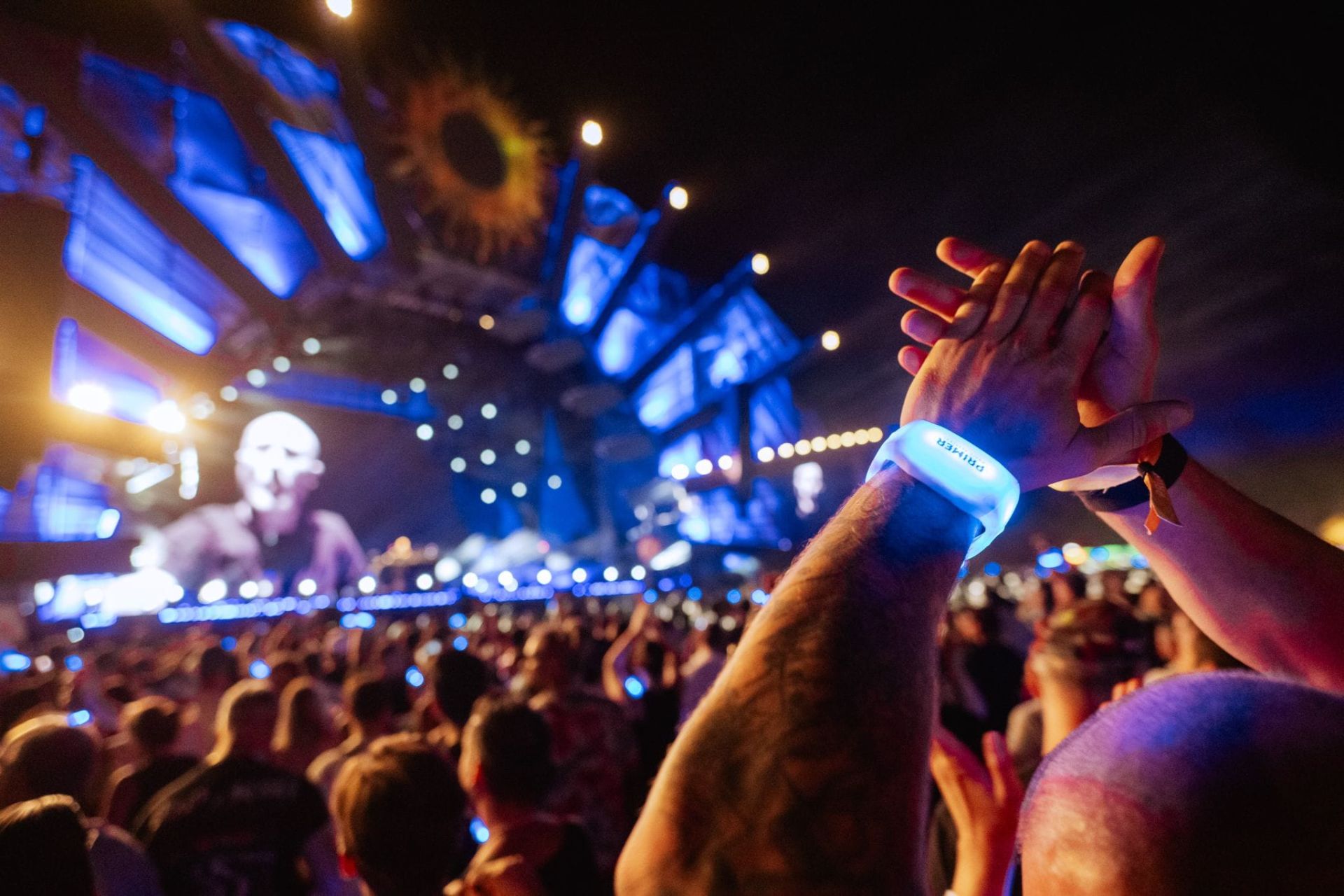
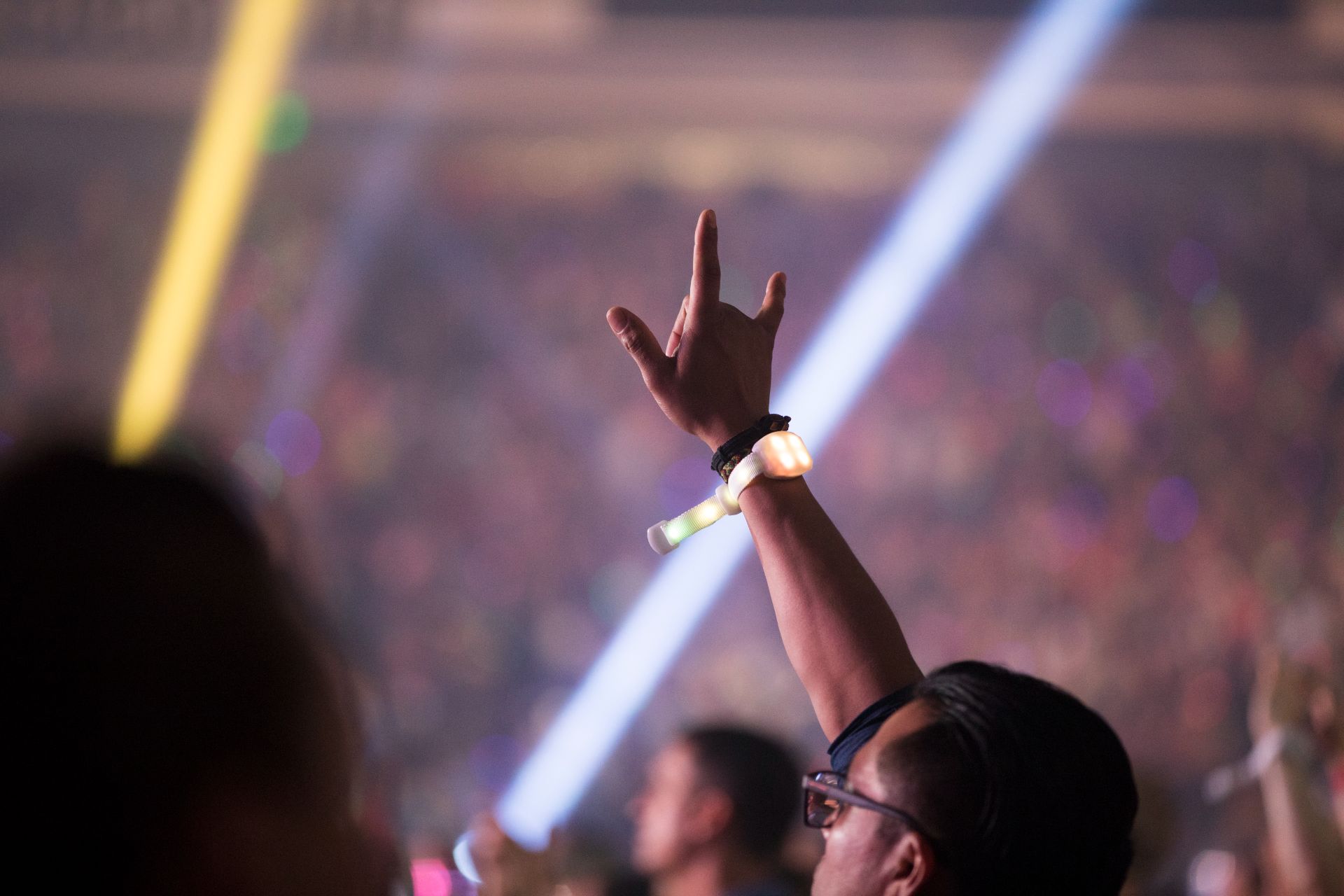
This is where immersive light technology comes into its own. When light is decoupled from being purely a visual spectacle and is instead treated as a tactile, kinetic medium, it becomes a powerful tool for inclusion. Technologies like radio-controlled LED wristbands transform every audience member into a node in a living, breathing light show. This isn’t just about creating a stunning visual for the cameras; it’s about creating a felt experience.
Consider the possibilities:
- For Deaf or Hard-of-Hearing Audiences: Imagine a ballad where the entire stadium softly pulses with a gentle, blue light, the rhythm synchronized to the song's heartbeat. Or a drum solo where sharp, percussive flashes of white light emanate from every wrist. The music becomes a tactile, visible phenomenon. The rhythm is not just heard; it's felt and seen, creating a direct physical connection to the performance that transcends sound. This is wearable LED technology used not as a gimmick, but as a translator.
- For Neurodivergent Audiences: For individuals with sensory processing sensitivities, the intense, unpredictable nature of traditional event lighting can be overwhelming. But with synchronized LED crowd experiences, the environment becomes more predictable and harmonious. The shared, unified pulses of light can create a calming, grounding effect, transforming potential overstimulation into a feeling of connection and belonging. It smooths the sensory edges of the live experience.
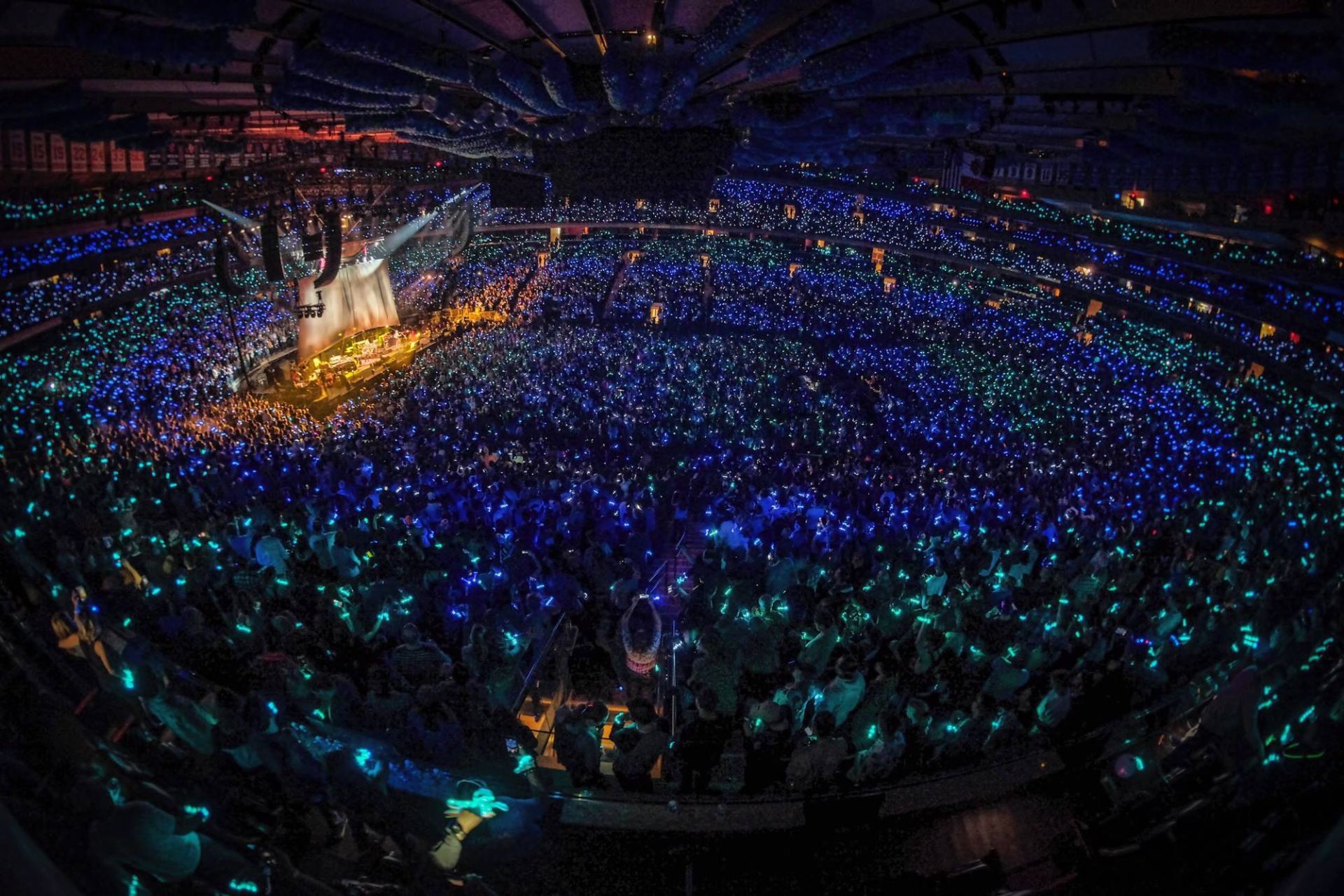
- For Blind or Low-Vision Audiences: While it may seem counterintuitive, light can play a role here, too. The collective gasp or cheer of a crowd as 50,000 Xylobands ignite in unison is a powerful audio cue. It signals a key moment, a drop, a chorus. Furthermore, for those with partial sight, the intense, high-contrast glow of an entire stadium changing colour offers a macro-level visual cue that is far more discernible than complex stage lighting.
Putting Theory into Practice
This isn’t just theoretical. Across the industry, we're seeing pockets of innovation that point toward this more inclusive future. At large-scale events, from music festivals like Primer to major sporting spectacles like the Davis Cup or Formula One, the core technology is already in place. The same radio controlled LED wristbands that unify tens of thousands of fans can be programmed with greater nuance and intention.
Imagine a designated "sensory-friendly" section where the wristband patterns are softer and less frenetic. Or consider how LED lanyards, often used in corporate event activations, could be programmed to vibrate with the bass, providing a discreet tactile feed for those who need it. The technology is flexible; it is the creative and operational application that needs to evolve.
As creators of immersive event technology, we at Xylobands have seen firsthand how shared light experiences can break down barriers. The moment an entire arena is united in a single pulse of light—as we’ve seen with artists from Coldplay to Wizkid—is a moment of pure connection. It bypasses demographics, language, and, increasingly, sensory barriers. It taps into something deeper: the human need to belong.
The Blueprint for a More Inclusive Future
Building truly accessible live experiences requires a paradigm shift. It requires production teams, artists, and technology partners to collaborate from the earliest stages of tour design, asking not just "How will this look?" but "How will this feel?"
- Design with a Multi-Sensory Palette: Think beyond light and sound. Consider vibration, temperature, and even scent. How can the core emotional beats of a show be translated across different sensory inputs?
- Leverage Technology as an Empathy Engine: Use tools like custom LED wristbands and other LED wearables as more than just visual effects. Program them to be translators, providing rhythmic and emotional cues for everyone.
- Collaborate with Accessibility Experts: Involve community representatives and accessibility consultants in the creative process. Their lived experience is the most valuable data you can have.
- Offer Choice and Control: Where possible, allow for personalization. Could future LED bands have user-adjustable intensity settings? Can venues offer "sensory packs" with noise-dampening headphones and other tools?
The ultimate goal is not to create a separate experience for those with different needs, but to create a richer, more layered single experience that has multiple entry points. The true magic of live events is the feeling of being part of something larger than yourself. By embracing a more expansive, empathetic approach to design, we can ensure that "everyone" truly means everyone.