The Canvas of Giants: A Modern Guide to Stadium and Arena Tour Lighting
The Architecture of an Echo
A stadium is more than steel and concrete; it’s an acoustic and visual vessel. Before a single fixture is hung, a lighting designer must understand this vessel. The throw distances are vast, the ambient light from house fixtures and emergency signage is a constant battle, and the sheer volume of space can swallow light if not directed with intent. Designing for an arena or stadium tour is not merely about illumination; it’s about conquering scale.
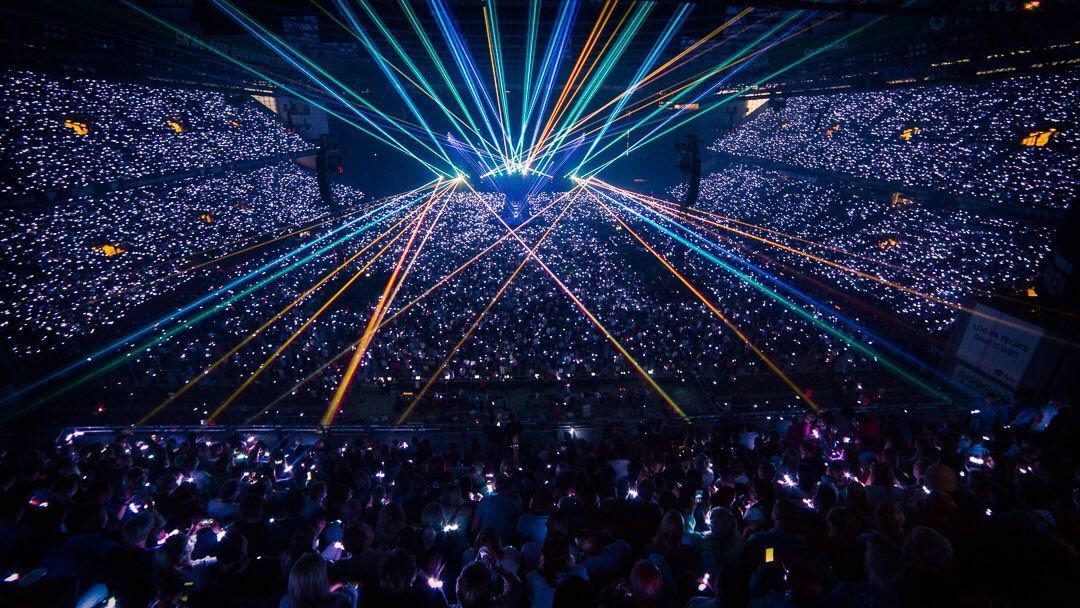
The first principle is to think in layers. Traditional stage lighting—key light, fill light, backlight—forms the base layer, ensuring the artist is the focal point. But in a venue holding 50,000 people, the stage is only one part of the story. The real challenge, and opportunity, is to extend the visual narrative to the furthest seat in the upper deck. This requires a second and third layer of design: atmospheric effects and audience lighting. Haze and smoke capture beams of light, turning empty space into a three-dimensional canvas. This is where the architecture of the light show truly takes shape, with powerful beams carving through the air, creating dynamic structures and defining the geometry of the performance space.
The Audience as a Medium
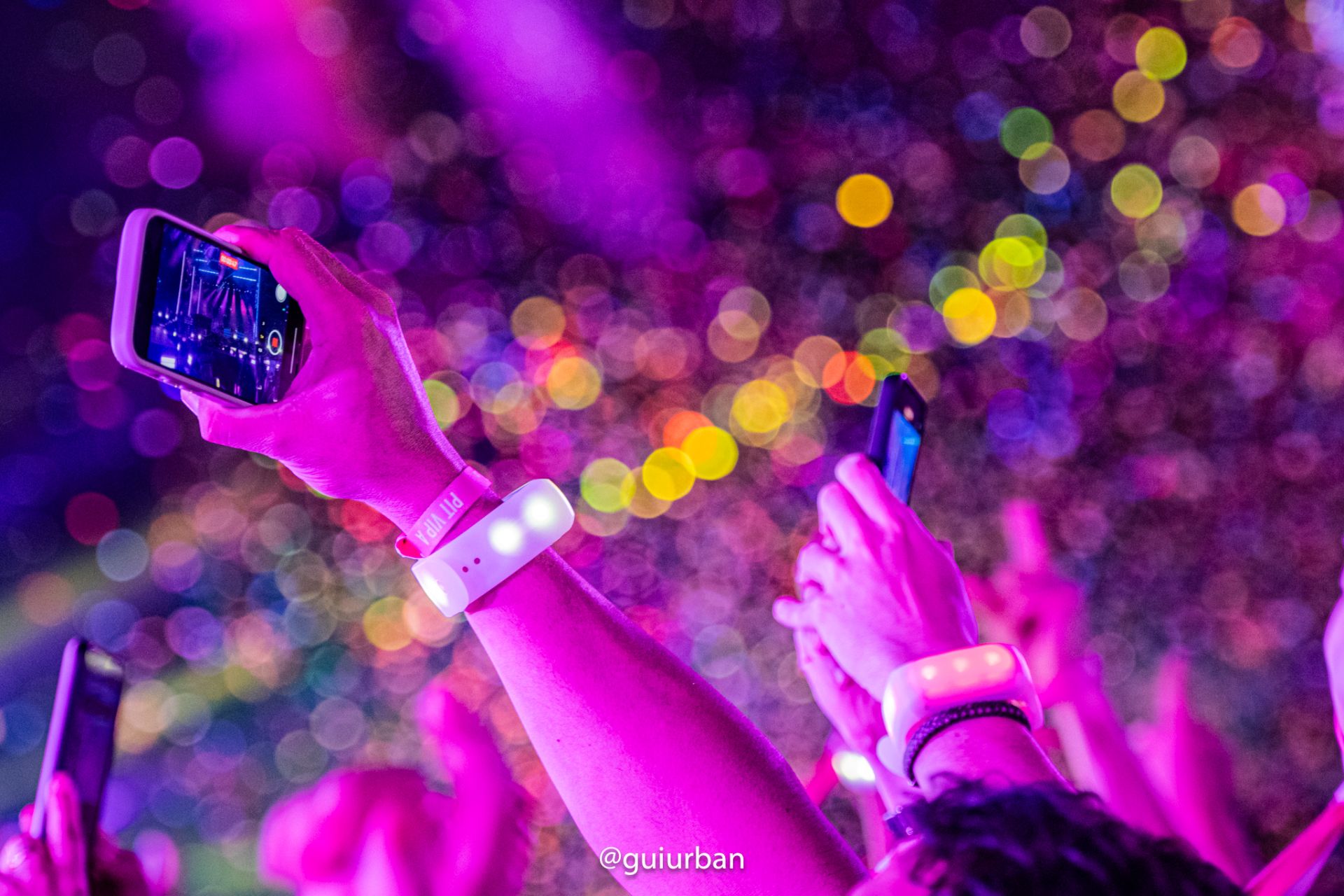
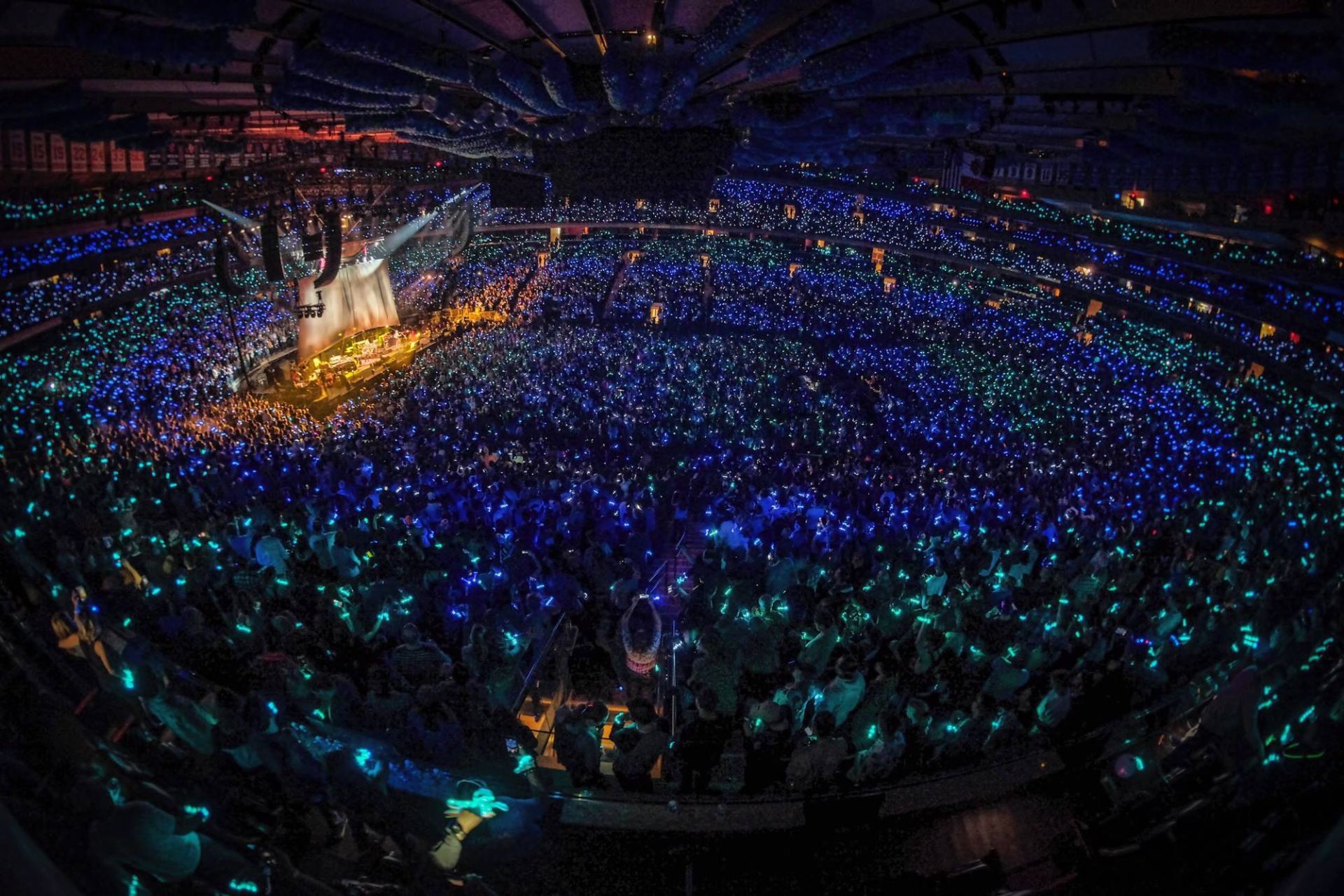
For decades, the audience was a passive observer, shrouded in darkness. The modern tour designer, however, sees the crowd as the most dynamic medium available. This is where Immersive Event Technology comes into play. By turning tens of thousands of individuals into synchronized pixels, the entire venue becomes a living, breathing extension of the performance.
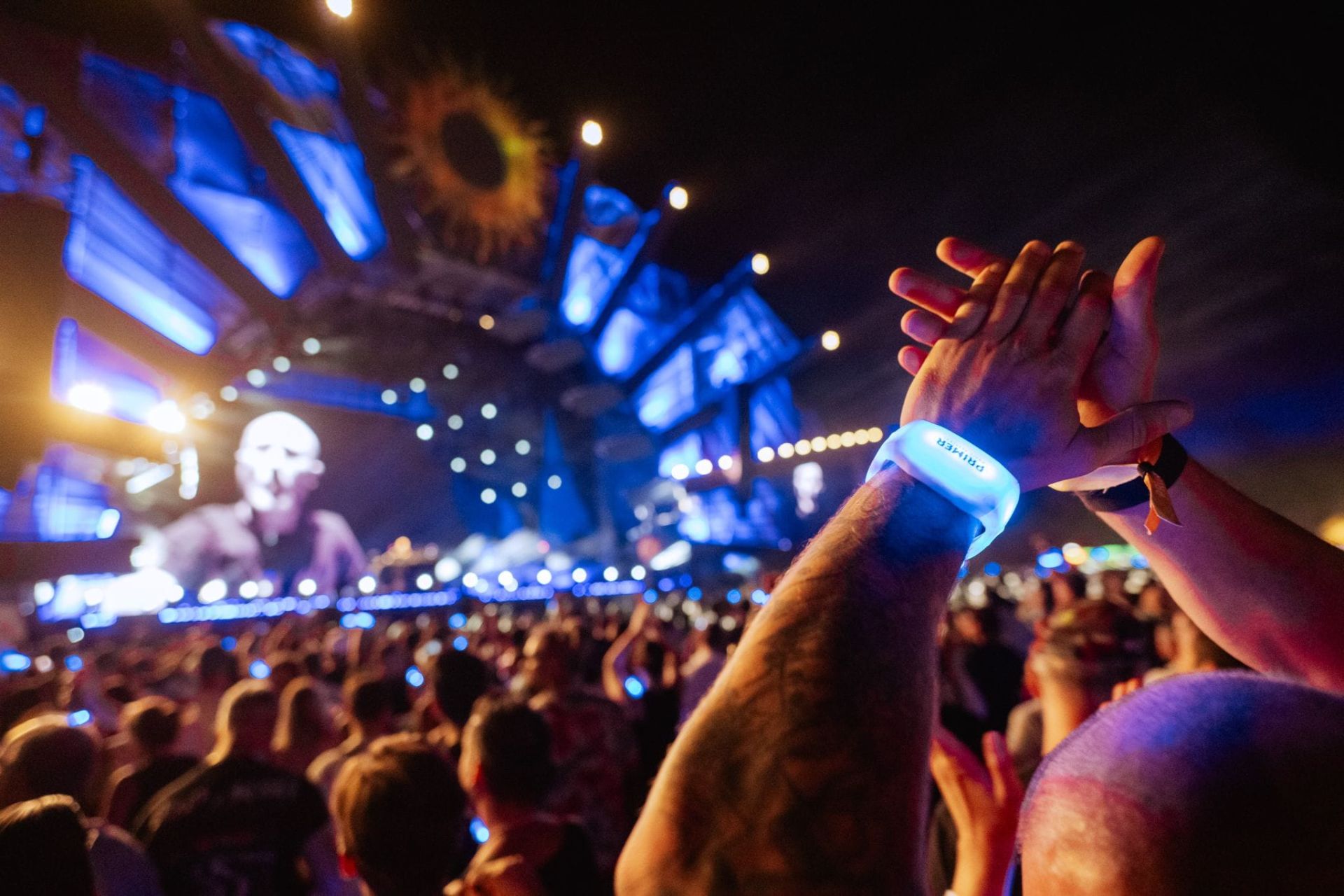
This is a principle we at Xylobands have helped pioneer since our technology first lit up Coldplay’s Mylo Xyloto tour. The concept of Radio Controlled LED Wristbands transforms every audience member into a part of the show. Suddenly, a lighting designer’s canvas expands from the stage to the entire bowl of the stadium. Sweeping waves of color, strobing pulses of energy, and intricate patterns can flow through the crowd, mirroring the action on stage and creating a powerful sense of unity and participation.
This isn’t just about creating a spectacle. It’s about building a feedback loop between the artist and the audience. When Maluma played to a hometown crowd of 54,000 in Medellín, or when Wizkid sold out three nights at London’s O2 Arena, the energy is electric. Using LED Bands to reflect that energy back, to make the crowd’s excitement visible, amplifies the emotional core of the event. It’s a powerful tool for crafting LED Crowd Experiences that resonate on a massive scale.
Designing for Two Audiences: The Lens and the Eye
Modern stadium tours are rarely just for the people in the room. As we saw with Maluma’s show streaming live to 240 countries, or the F1 75th Anniversary event broadcast globally from The O2, today’s lighting designer must serve two audiences simultaneously: the live attendees and the millions watching at home. These two audiences have very different needs.
The human eye is remarkably forgiving. It can process immense dynamic range, from the blinding intensity of a strobe to the subtle glow of a gobo on the stage floor. A camera sensor cannot. What looks spectacular in person can appear as a blown-out, incoherent mess on screen. Therefore, a core principle of modern design is balancing for the lens.
This involves careful management of brightness (luminance), color temperature, and contrast ratios. It means working hand-in-hand with the video director to understand how fixtures will render on camera. Key lighting must be precise and consistent, even as the artist moves across a massive stage. Atmospheric effects must be dense enough to create texture on screen without obscuring the action. It is a technical and artistic tightrope walk. You are creating a spectacle for the naked eye while simultaneously painting a balanced, compelling picture for the camera.
The Narrative Arc of Light
A great lighting design tells a story. It’s not a random sequence of flashy effects; it’s a choreographed journey with a beginning, a middle, and an end. The design should follow the emotional arc of the setlist, building tension, creating moments of intimacy, and delivering explosive crescendos.
This principle governs the deployment of your most powerful assets. You don’t fire all your cannons in the first song. The design might start subtly, perhaps with a tight focus on the artist, slowly revealing the scale of the production over the first few numbers. The introduction of Wearable LED Technology like Xylobands might be saved for a pivotal moment—a chorus drop or a fan-favorite anthem—to maximize its impact.
This narrative approach extends to the encore, which serves as the final chapter. It’s the last word, the lasting impression. By holding back a unique lighting state or a final, all-encompassing audience-wide effect, the design provides a sense of finality and catharsis, sending the audience home with a singular, unforgettable memory burned into their minds.
From the grand sweep of a stadium-wide color wave to the intimate glow on a lead singer’s face, modern tour lighting is an art of immense scale and minute detail. It’s about technology, psychology, and narrative, all working in concert to create a shared moment of awe.
Key Principles for Modern Arena & Stadium Lighting:
- Mastering Scale with Layers: Build upon a foundation of key lighting with atmospheric and audience-level effects to give the show dimension and depth.
- The Audience as the Canvas: Utilize Immersive Events technology like Custom LED Wristbands and Concert Wristbands to transform the crowd into an active part of the visual experience.
- Design for the Dual Lens: Meticulously balance brightness, contrast, and color for both the live human eye and the broadcast camera to serve the in-venue and at-home audiences.
- Follow the Narrative Arc: Structure the lighting design to mirror the show’s emotional journey, creating a cohesive and impactful story through light.