Beyond the Final Curtain: A New Blueprint for Sustainable Event Tech
The Unseen Encore: What Happens After the Show?
The magic of a live event is ephemeral. It’s a carefully constructed universe of light, sound, and shared emotion that exists for a few precious hours. For producers, designers, and artists, the goal is to create a peak experience — an unforgettable moment in time. But in an industry built on grand gestures and temporary installations, a critical question is often overlooked: what happens to the vast infrastructure of an event when the crowds go home?
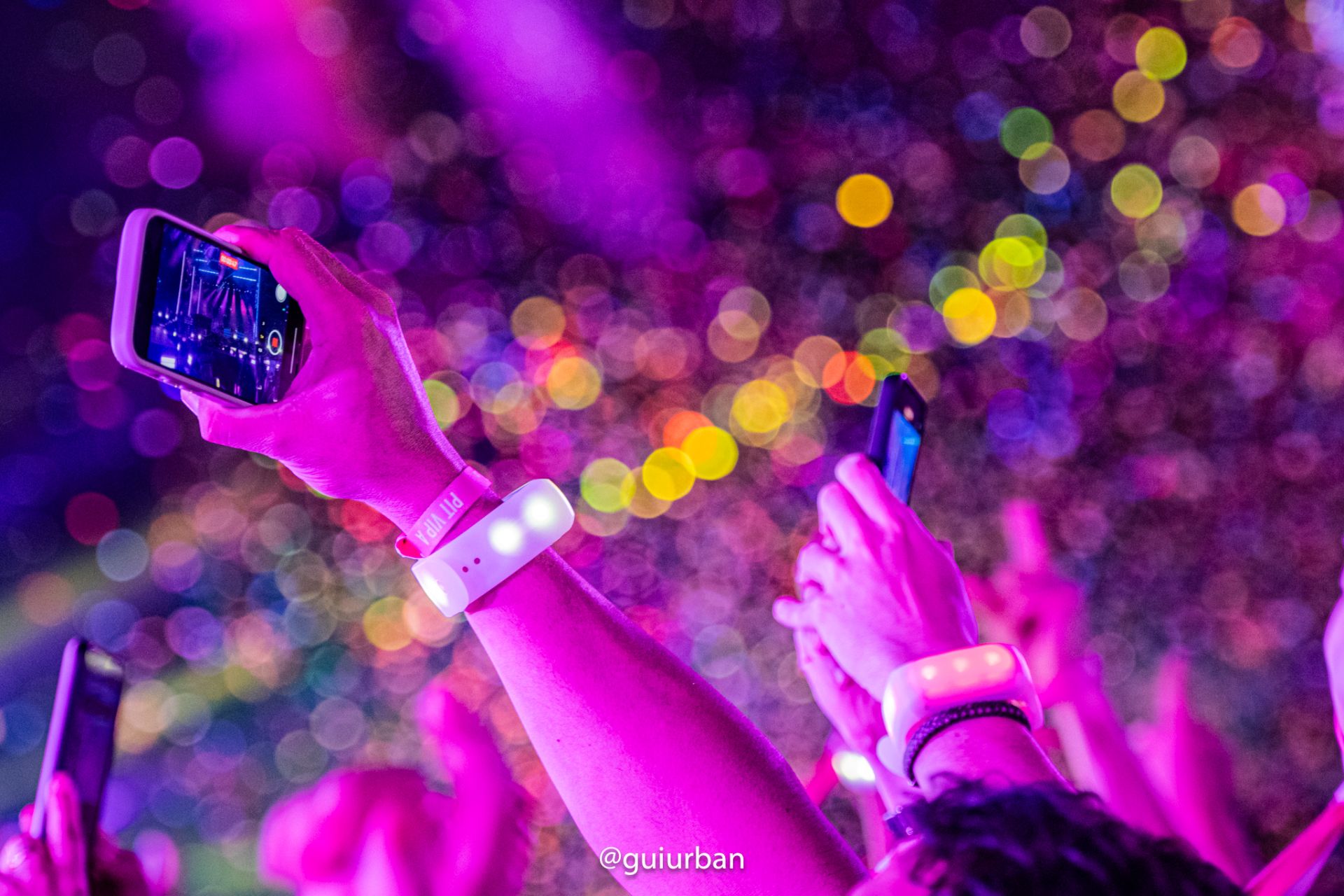
From staging and lighting rigs to the intricate pieces of Wearable LED Technology in the hands of every fan, the production footprint is significant. The traditional model often treats these components as single-use assets, particularly audience-facing items. This linear “take-make-dispose” approach is no longer tenable. As audiences and corporate partners become more environmentally conscious, the demand for sustainable practice has moved from a peripheral concern to a central pillar of responsible event production. The challenge isn’t to diminish the spectacle, but to build it on a foundation of circularity and reuse.
From Disposable to Durable: Redefining the Lifecycle of Event Technology
The prevailing mindset has often relegated items like Concert Wristbands and lanyards to the category of disposable swag. They are souvenirs of a moment, but also contributors to a growing waste problem. To change this, we must shift the paradigm at the point of origin: design and engineering. Instead of creating something for a single night, we must create for a lifetime of nights.
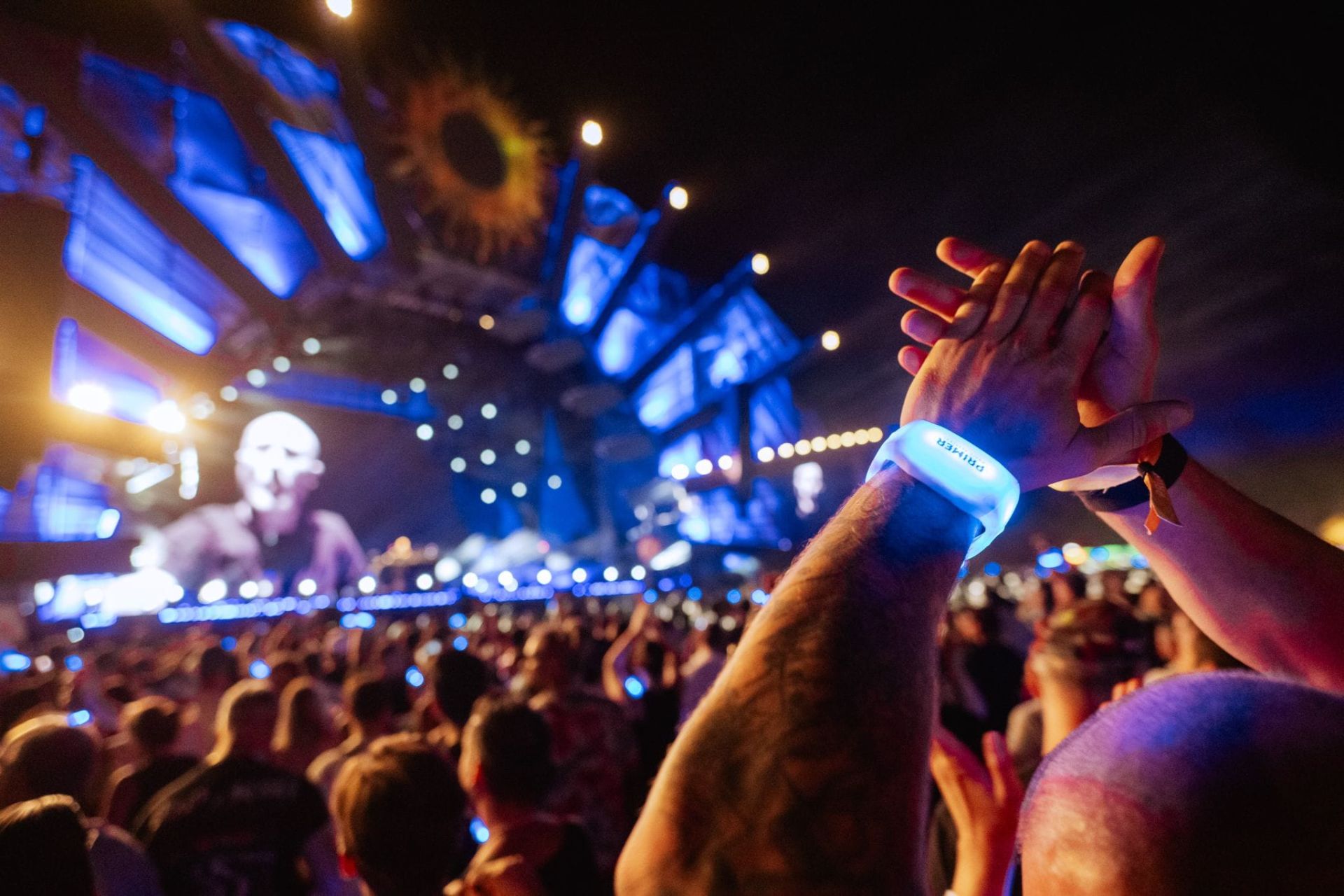
This philosophy is at the core of how we approach our own technology. Our LED Bands and LED Bracelets are not fragile, single-use items. They are robust, tour-grade hardware, engineered to withstand the rigours of multiple global events. The internal electronics, the RF receivers, and the LED modules are designed for longevity, housed in durable casings that can be cleaned, refurbished, and redeployed time and time again.
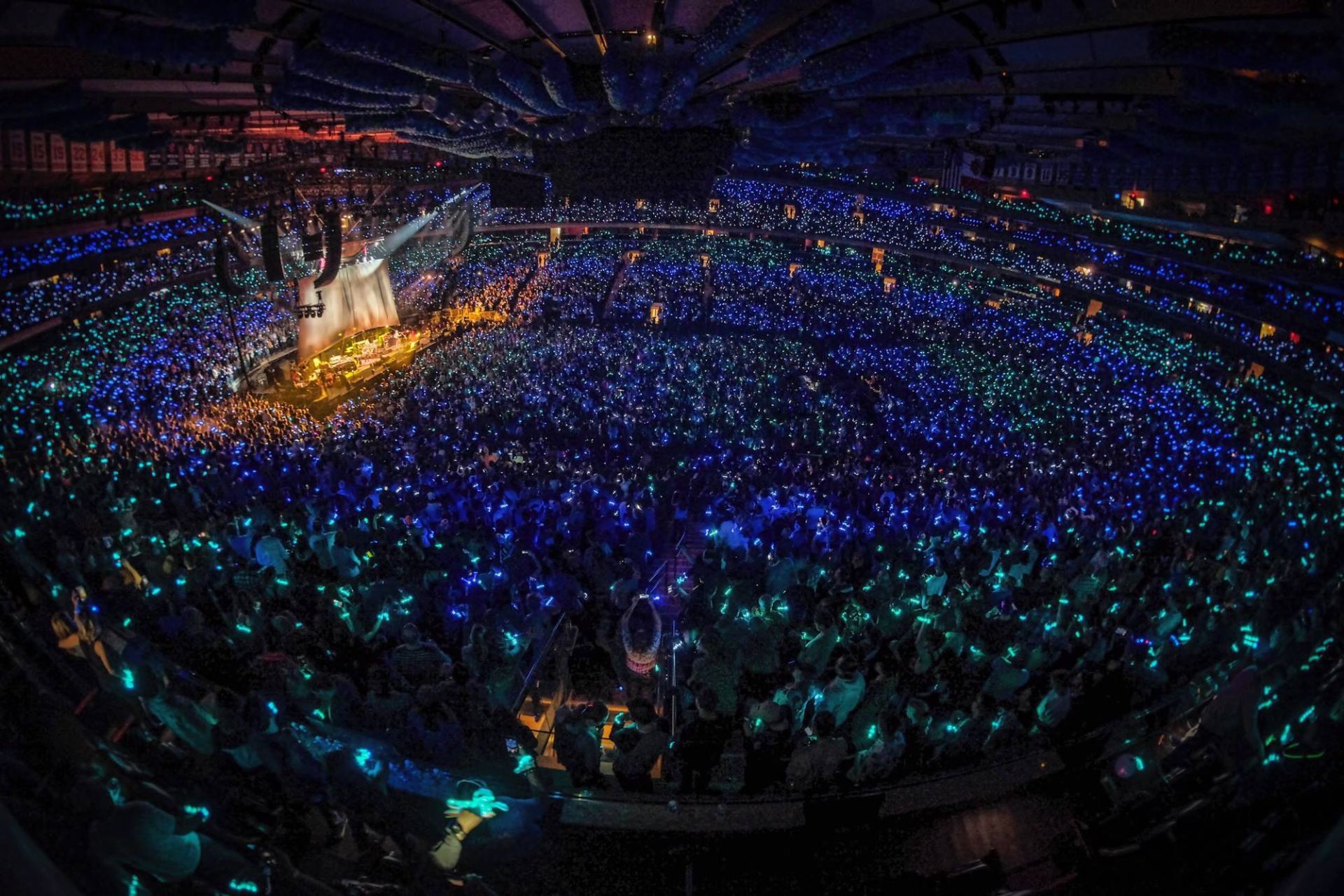
This isn’t just a theoretical concept; it’s a proven logistical model. When Wizkid made history with a three-night, sold-out run at London’s O2 Arena, our team was there to provide one of the most memorable LED Crowd Experiences the venue had ever seen. Crucially, the Xylobands used on the first night were not discarded. They were collected, sanitized, and prepared for the next night’s audience, and the night after that. At the end of the run, any units that had reached the end of their operational life were responsibly recycled. This simple but powerful process demonstrates that spectacular Immersive Events and sustainability can coexist.
The Blueprint for a Circular System
Implementing a reusable system for Immersive Event Technology requires more than just a durable product. It demands a sophisticated, circular logistical framework. This is the blueprint we’ve honed over a decade of powering global tours and one-off spectaculars.
1. Strategic Deployment and Collection
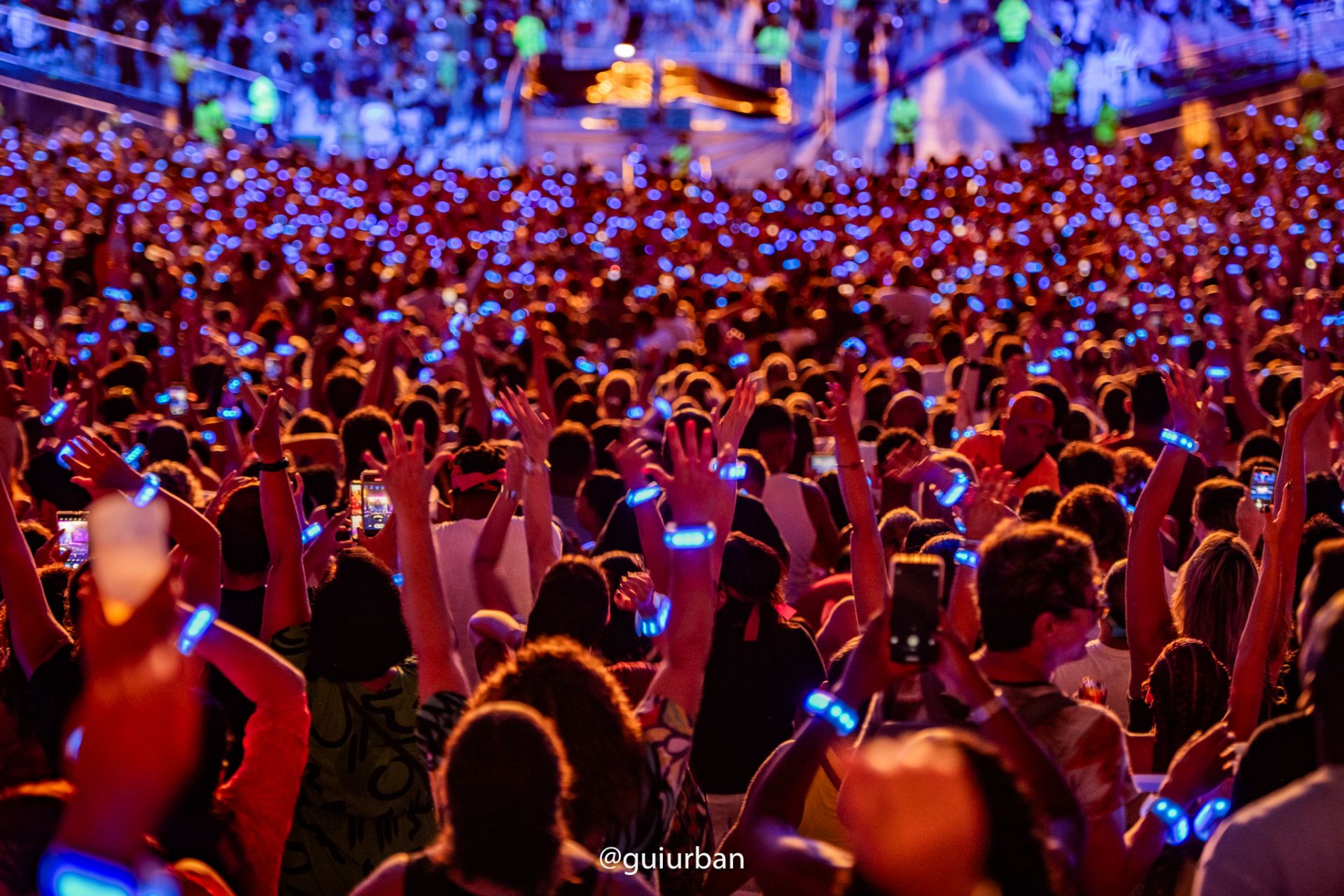
The lifecycle begins with a plan. Before an event, hardware is programmed and distributed not just for the best creative effect, but also with end-of-show collection in mind. Clear signage, designated drop-off points, and staff messaging are essential to maximizing return rates. The goal is to reframe the wristband not as a piece of merchandise to be taken home, but as a temporary key that unlocks the full, immersive experience.
2. Refurbishment and Redeployment
Once collected, the units undergo a rigorous refurbishment process. This includes:
- Sanitization: Thorough cleaning to ensure every unit is pristine for its next use.
- Testing: Each unit is tested to confirm battery life, LED function, and RF receiver performance.
- Reprogramming: The wristbands are wiped of their previous show data and reprogrammed for the next event, an arena tour, a festival, or one of many Corporate Event Activations.
3. Expanding the Ecosystem
A sustainable model shouldn’t be limited to a single product. The same principles of durability and reusability can be applied across an entire family of LED Event Technology. At a recent landmark event for Formula One, we deployed custom LED Lanyards — our Xylo Pendants — to create a stunning, immersive light show for 13,000 attendees. These pendants, just like our wristbands, are designed to be collected, refurbished, and integrated back into our global inventory, ready for the next major brand activation or global broadcast.
The New Bottom Line: Why Sustainability is a Strategic Advantage
Adopting a circular model is more than an ethical obligation; it’s a powerful strategic advantage. In an era of conscious consumerism, brands and artists are judged not only on the quality of their product or performance but also on their values. Aligning with sustainable partners demonstrates a commitment to responsible leadership that resonates with modern audiences and stakeholders.
Furthermore, this approach fundamentally redefines the value of event technology. It ceases to be a sunk cost for a single engagement and becomes a long-term, reusable asset. It transforms the audience from passive spectators into active participants in a more sustainable event ecosystem. The light show they are a part of is powered by technology that might have lit up a Coldplay concert, a headline DJ set, or a global product launch just weeks before.
The future of event production will be defined by those who can deliver breathtaking spectacle with minimal environmental impact. The roar of the crowd is the immediate reward, but the lasting legacy is in what we leave behind. By designing for durability, planning for reuse, and committing to a circular economy, we can ensure that the only footprint we leave is the indelible memory of an extraordinary shared experience.