The Afterglow: A New Model for Reusable Event Technology
The End of the Night: Rethinking the Event Lifecycle
The house lights come up. The last note fades. The crowd, buzzing with the energy of a shared experience, begins to disperse. For attendees, it’s the end of the show. For event producers, it marks the beginning of a logistical challenge with significant environmental implications: cleanup. For decades, the live event model has been largely linear: produce, consume, discard. From disposable cups and single-use decorations to the vast array of materials that build and brand a live experience, the industry has long wrestled with its environmental footprint. But what if we could fundamentally reshape this model? What if the very technology used to create breathtaking, immersive events was designed not for a single night of glory, but for a lifetime of reuse?
From Disposable to Durable: The Case for Circularity
The concept of a circular economy—where resources are kept in use for as long as possible, extracting the maximum value from them whilst in use, then recovering and regenerating products and materials at the end of each service life—is not new. Yet its application within the high-stakes, deadline-driven world of live events has been slow. The prevailing logic often favors the convenience of the disposable. However, a shift is underway, driven by both corporate responsibility and audience expectation. Today’s event-goers are more environmentally conscious than ever, and brands are seeking partners who can deliver spectacular results without the ecological price tag.
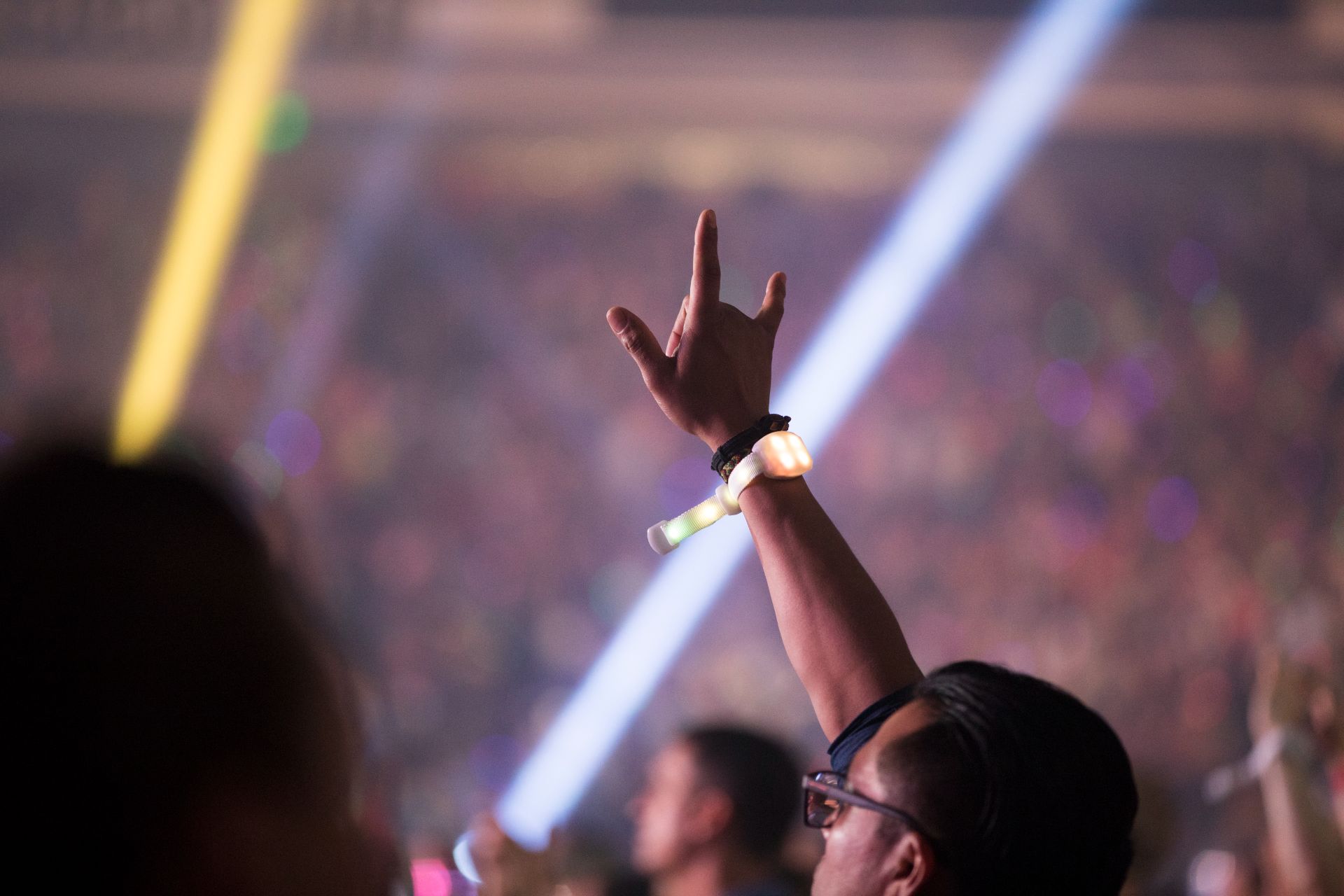
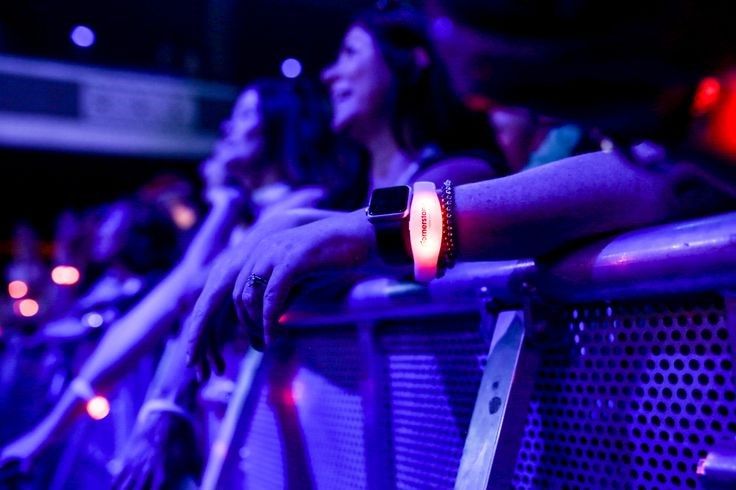
This is where intelligent, reusable technology comes in. Consider the evolution of audience lighting. What began with lighters held aloft, then mobile phone screens, has transformed into sophisticated LED crowd experiences. At Xylobands, we’ve been at the forefront of this evolution, but our innovation isn’t just about the brightness of the light or the complexity of the programming; it’s about the longevity of the hardware itself. Our systems, including our iconic LED wristbands and LED lanyards, are engineered from the ground up for recovery, refurbishment, and redeployment.
The Blueprint for Reusability: A Logistical Deep Dive
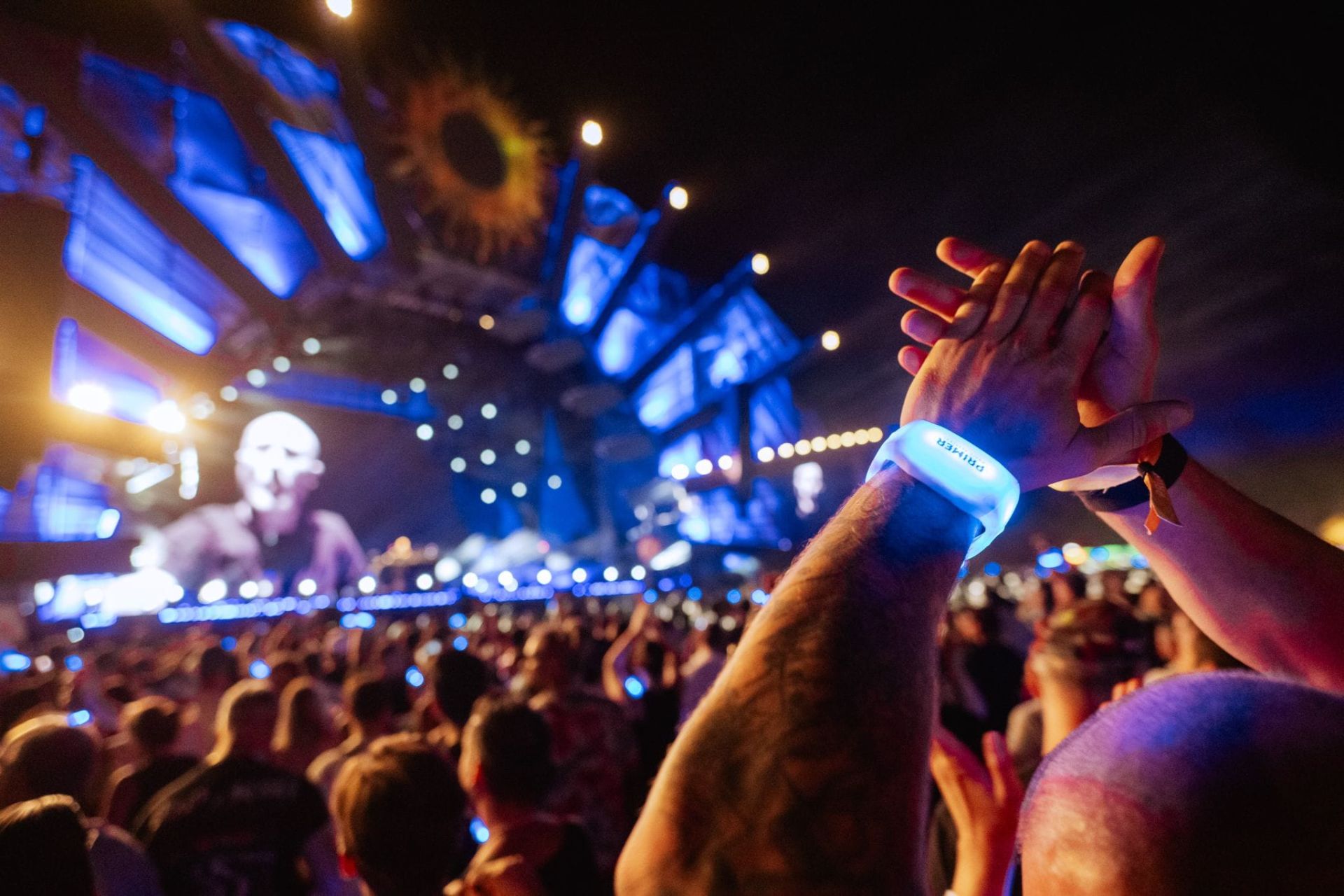
Creating a truly reusable technology ecosystem requires a radical rethinking of event logistics. It’s a process we’ve refined over a decade and more than 10,000 events, from massive festival wristbands at Primer Music Festival to high-stakes corporate event activations.
1. Design for Durability
The first step is product design. Our wearable LED technology is built to withstand the rigors of a live show—dancing, cheering, and the occasional spilled drink. The casings are robust, the electronics are securely housed, and the batteries are designed for long life and efficient recharging. This is not disposable tech; it’s tour-grade hardware intended for a long service life.
2. The Art of Recovery
The most critical phase of a reusable model is recovery. Simply asking guests to return items is a start, but it’s not a strategy. A successful recovery operation is a masterclass in logistics and human psychology. It involves:
- Strategic Collection Points: Clearly marked, well-lit, and conveniently located bins are placed at all exit points, staffed by trained personnel.
- Clear Communication: On-screen graphics, announcer prompts, and signage all communicate a simple, unified message: "Help us recycle for the next show."
- Incentivization (Optional): For some events, tying wristband returns to a small incentive, like a charitable donation or a discount on merchandise, can further boost return rates.
A powerful example of this in action was during Wizkid’s historic three-night, sold-out run at London’s O2 Arena. For all three nights, the Xylobands were collected, topped up as needed, and reused, demonstrating that a circular model is not just possible but efficient at a massive scale. By designing the entire system—from the wristbands themselves to the collection strategy—around reusability, we achieved a near-perfect loop.
3. Refurbishment and Redeployment
Once collected, the journey isn’t over. Our wristbands are returned to our facilities where they undergo a rigorous process of sorting, cleaning, battery replacement, and reprogramming. Every single unit is tested to ensure it meets the same zero-failure standard as a brand-new device. This meticulous process ensures that the LED bands used at a corporate launch one week are just as bright and reliable as those lighting up a stadium concert the next. This circular flow of inventory is the unseen engine that makes large-scale immersive events sustainable.
Beyond Wristbands: A System-Wide Philosophy
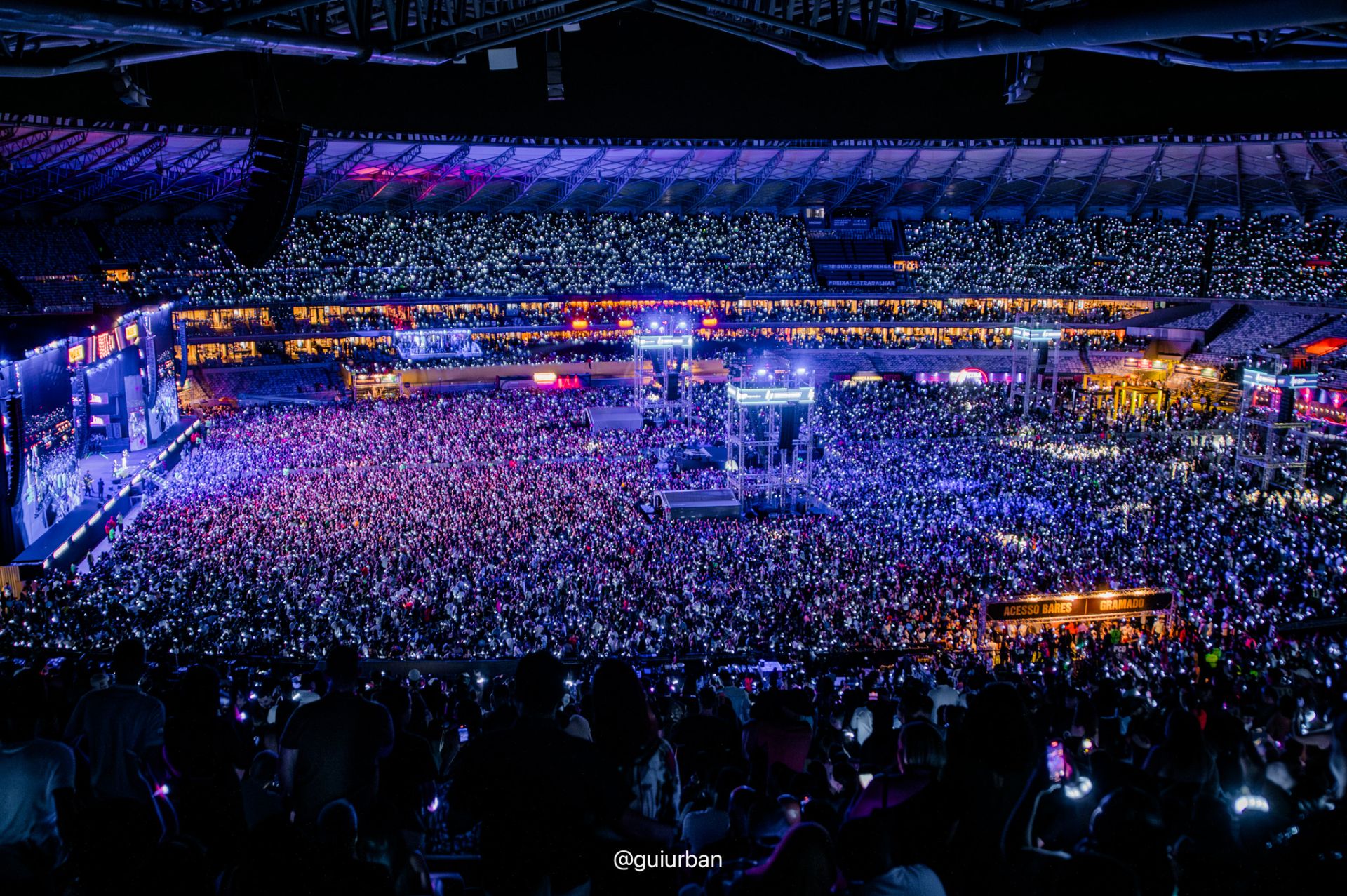
This philosophy extends across our entire product range. Whether it’s the custom LED wristbands for a global brand like Formula One or the versatile LED Orbs used to transform a venue, the principle is the same: build for the long haul. Our radio-controlled systems are designed for modularity and scalability, allowing us to service an intimate corporate gathering like ITV’s events or a 54,000-person stadium show for an artist like Maluma with equal reliability. The core infrastructure—the transmitters, the software, the charging stations—is all part of this robust, reusable ecosystem.
Embracing a sustainable, circular model is no longer a choice; it’s an imperative. It demonstrates a commitment to responsible production that resonates with artists, brands, and audiences alike. It proves that the most breathtaking moments in live entertainment don’t have to leave a trace of waste, only a lasting glow. The future of immersive event technology is not just about creating a single, brilliant spectacle; it’s about engineering an enduring light that can be shared, again and again.