The Alchemy of 'What If': Nurturing an R&D Culture That Powers the Spectacle
The Alchemy of 'What If': Nurturing an R&D Culture That Powers the Spectacle
There is a moment at every great live show that defies easy description. It’s not just a song or a lighting cue; it’s a sudden, collective intake of breath. A flash of light, a surge of colour, and tens of thousands of individuals become one. The barrier between spectator and spectacle dissolves. For a few perfect seconds, the audience is the show. This is the magic that event producers and artists chase. But it isn't magic. It's the product of a relentless, often unseen, engine of innovation—a culture of research and development that lives and breathes the question, "What if?"
At Xylobands, that question is our origin story. It was born from a “What if?” moment watching Coldplay at Glastonbury, imagining the crowd not just observing the light show, but becoming it. That initial spark led to the creation of the first radio controlled LED wristbands, debuting on the Mylo Xyloto tour. But a single great idea doesn't sustain a revolution in live events. The real work lies in building a culture that can repeatedly turn audacious ideas into robust, road-worthy reality. It's about moving beyond the lightbulb moment to build a sustainable innovation engine.
The Unbreakable Canvas: Reliability as a Creative Pre-Requisite
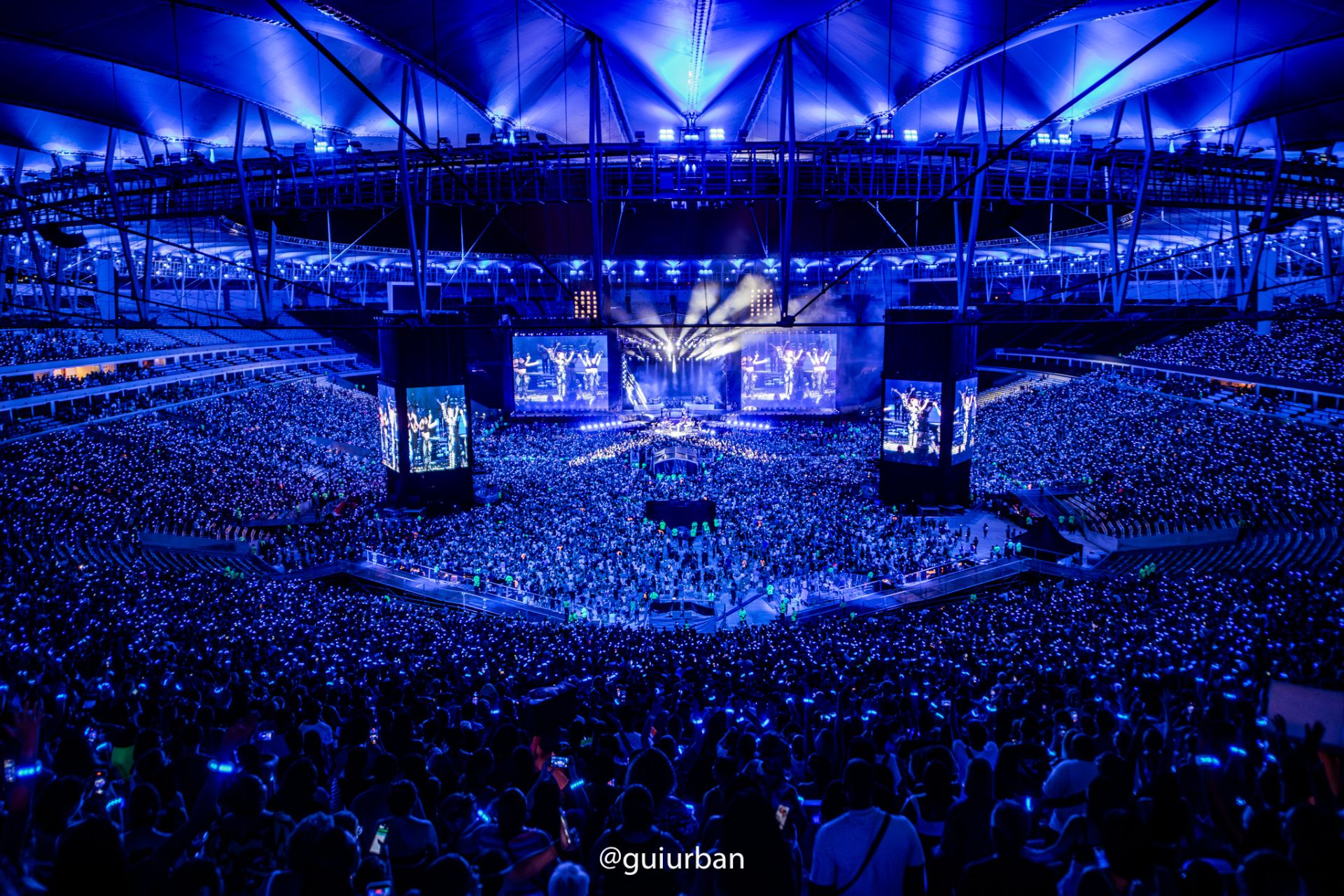
Before you can paint with light, you must first build an unbreakable canvas. In the world of live events, that canvas is a flawless technical infrastructure. There are no second chances. A software bug can’t be patched in the middle of a stadium encore; a signal failure in front of 50,000 fans, like at Maluma’s historic Medellín concert, is not an option. This is why our R&D priority has always been absolute reliability.
Our work is grounded in mastering the invisible forces of RF, DMX, and Infrared control. It’s a constant process of refinement: extending signal range, hardening against interference from the sea of mobile phones and broadcast equipment, and programming complex commands that execute without fail. This obsessive focus on the technical fundamentals isn't a limitation on creativity; it's the very thing that enables it. When a creative director knows the technology is bulletproof, they are free to dream on a grander scale. They can stop worrying if the system will work and start exploring the incredible possibilities of what it can do. This is the bedrock of all compelling LED crowd experiences.
The Expanding Palette: From Wristband to Wearable Ecosystem
True innovation doesn't just refine existing products; it imagines entirely new ones. A successful R&D culture listens intently to the needs of its partners—the tour managers, brand marketers, and show designers—and co-creates solutions. The original Xyloband redefined the concert wristband, but the canvas of the human body and the event space is far larger.
This collaborative approach has pushed our R&D to develop an entire ecosystem of wearable LED technology. We’ve been challenged to create custom form factors for unique environments, like the LED Lanyards and bespoke Xylo Pendants we engineered for Formula One's 75th-anniversary show. Each of the 13,000 pendants was designed to integrate brand identities while allowing show designers to paint with light across the entire arena, turning sections of the crowd into vibrant, team-coloured blocks. This evolution from a single product into a versatile palette of LED wearables—including LED Orbs and other interactive shapes—transforms every attendee into a potential pixel in a larger, immersive masterpiece. It’s how world-class corporate event activations and global tours achieve their signature visual moments.
The Global Blueprint: Engineering for Logistical Reality
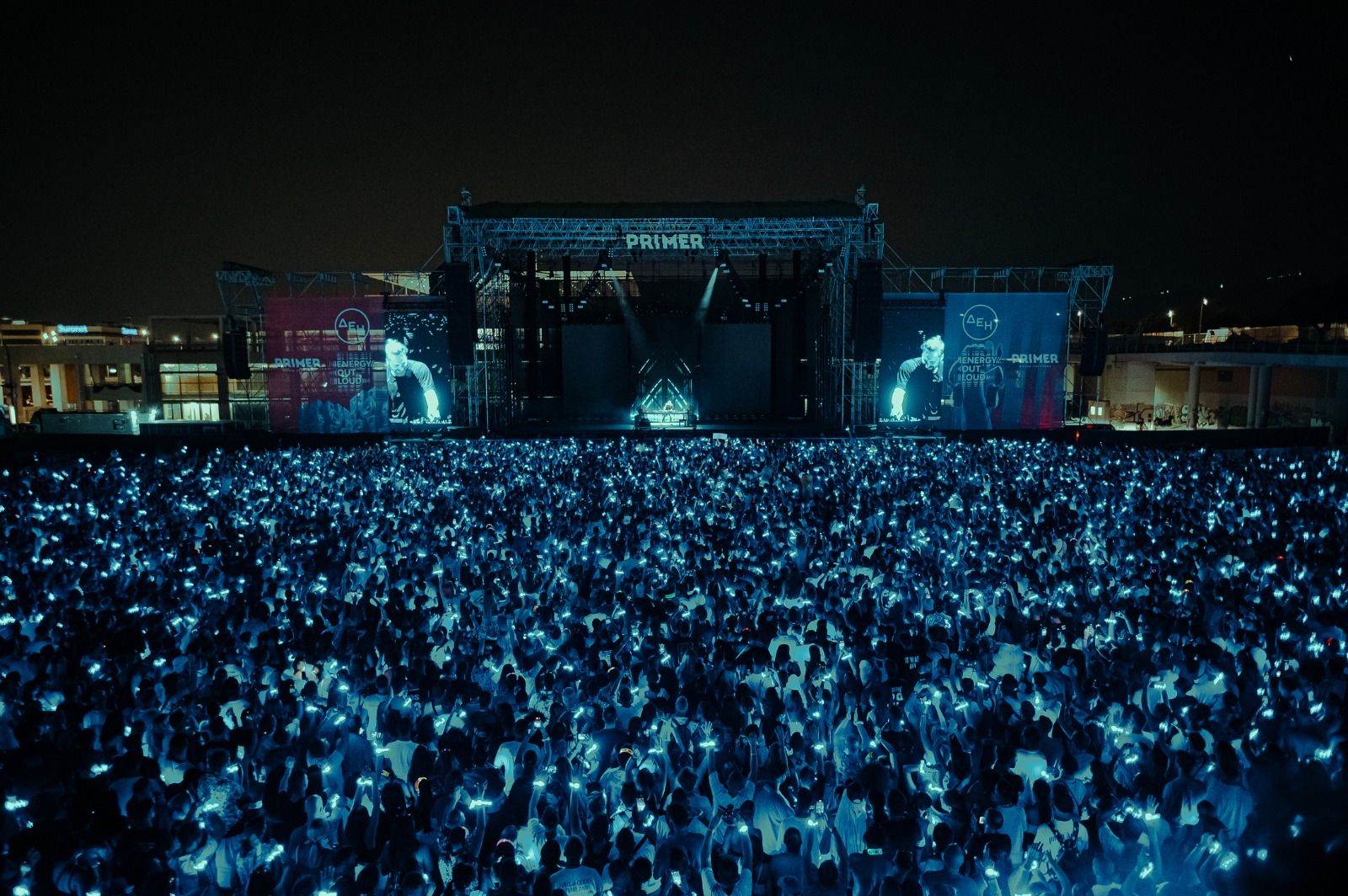
The most brilliant piece of immersive event technology is useless if it can't be deployed reliably on a global scale. The final, and perhaps most overlooked, pillar of our R&D culture is an obsession with logistics. A world tour or a multi-day festival series like PRIMER in Greece demands technology that is not only effective but also efficient to ship, distribute, activate, and collect.
Our R&D extends far beyond the circuitry. We test for battery longevity to ensure a wristband shines brightly from the first note to the final encore. We design packaging and distribution systems that allow a small team to deploy tens of thousands of units in a matter of hours. And critically, we engineer for the full lifecycle. For Wizkid’s historic three-night, sold-out run at The O2, our wristbands were collected, topped up, and reused each night, demonstrating a commitment to sustainability that is now a core part of our design process. This logistical foresight is what allows our partners to integrate ambitious LED experiences into their productions without adding an impossible burden to their already complex operations.
Conclusion: The Human Element in a World of Technology
Ultimately, a culture of innovation isn't about hardware or software. It’s about people. It’s about creating an environment where engineers, designers, and on-the-ground technicians are empowered to stay curious. It’s a place where every event serves as a laboratory and every challenge from a client is seen as an opportunity to ask "What if?" once more.
From those first Glastonbury wristbands of the imagination to a full suite of LED event technology illuminating stages in over 70 countries, the goal has remained unchanged. The endless cycles of design, testing, and refinement are all in service of a single, profoundly human moment: the instant a crowd becomes a community, bound together by a shared experience and a symphony of light. The technology is the means, but the connection is the end.