The Architecture of Light: Tracing the Evolution of Audience Participation Technology
The Architecture of the Void
For over a century, live event design operated under an unspoken contract: performance occupied the illuminated platform, while the audience occupied the dark. From opera houses to 20th-century arenas, the divide was absolute. Audience participation was acoustic and chaotic—measured in applause, shouts, foot-stomping, and occasional sing-alongs. The crowd was a receptor, reacting to spectacle rather than shaping it.
When mass gatherings shifted into mid-century rock concerts, audience behaviour naturally sought tangible ways to punctuate emotion. The flickering flame of disposable lighters during acoustic ballads became the earliest vernacular of crowd-generated light. Yet, this gesture was fundamentally uncoordinated, analog, and erratic. It demonstrated a profound human impulse: spectators did not want to remain anonymous shadows in the dark; they wanted to signal presence and belonging back to the performer.
The Mobile Interregnum: When Screens Fragmented Mass Emotion
By the turn of the millennium, pocket-sized consumer electronics displaced the butane flame. As mobile phones evolved from monochromatic keypads into illuminated LCD screens and smartphones with rear-facing camera flashes, crowds raised rectangular glow panels into the air. While this expanded the visual field, it created an unintended experiential friction.
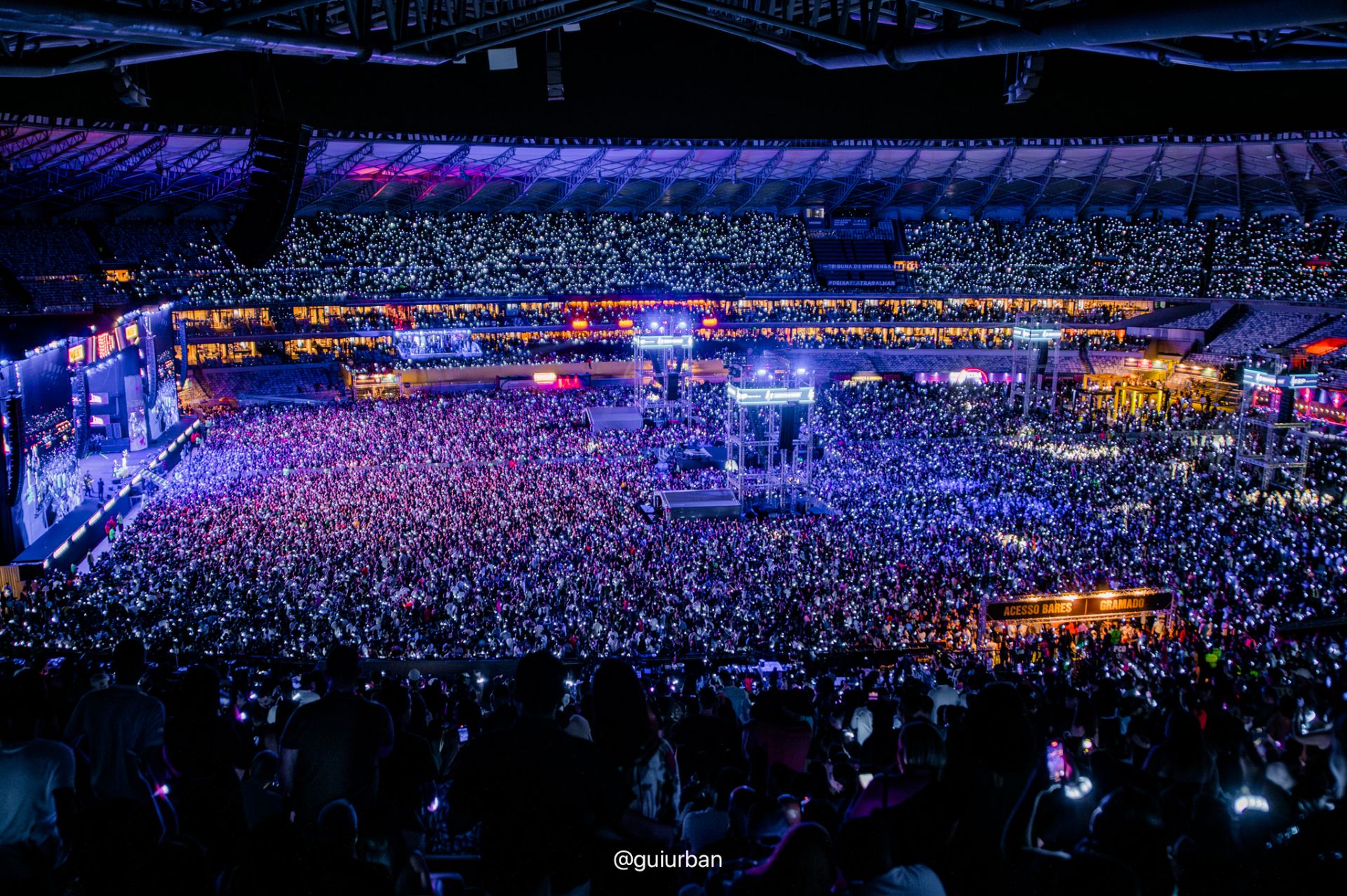
Instead of unifying the stadium, mobile screens introduced disengagement. Attendees viewed monumental collective moments through four-inch digital viewfinders. The light produced was utilitarian, stark, and disjointed. More importantly, it could not be orchestrated. Creative directors and lighting designers had developed cutting-edge automated fixtures, laser arrays, and ultra-high-definition video walls on stage, yet the stadium bowl itself remained a fragmented, visually incoherent void.
The industry faced a critical engineering challenge: how could production teams convert thousands of passive, distracted attendees into a unified, coherent visual canvas without stripping away their spontaneity?
The Paradigm Shift: From Passive Light to Distributed Pixels
The turning point arrived not through incremental lighting software updates, but through a conceptual leap in wearable wireless engineering. In 2011, inspired while standing among the crowd as Coldplay headlined Glastonbury Festival, inventor Jason Regler conceived a method to bridge the chasm between stage and audience. Listening to the lyric "Lights will guide you home," he envisioned transforming every spectator into an active light source synchronized to the music.
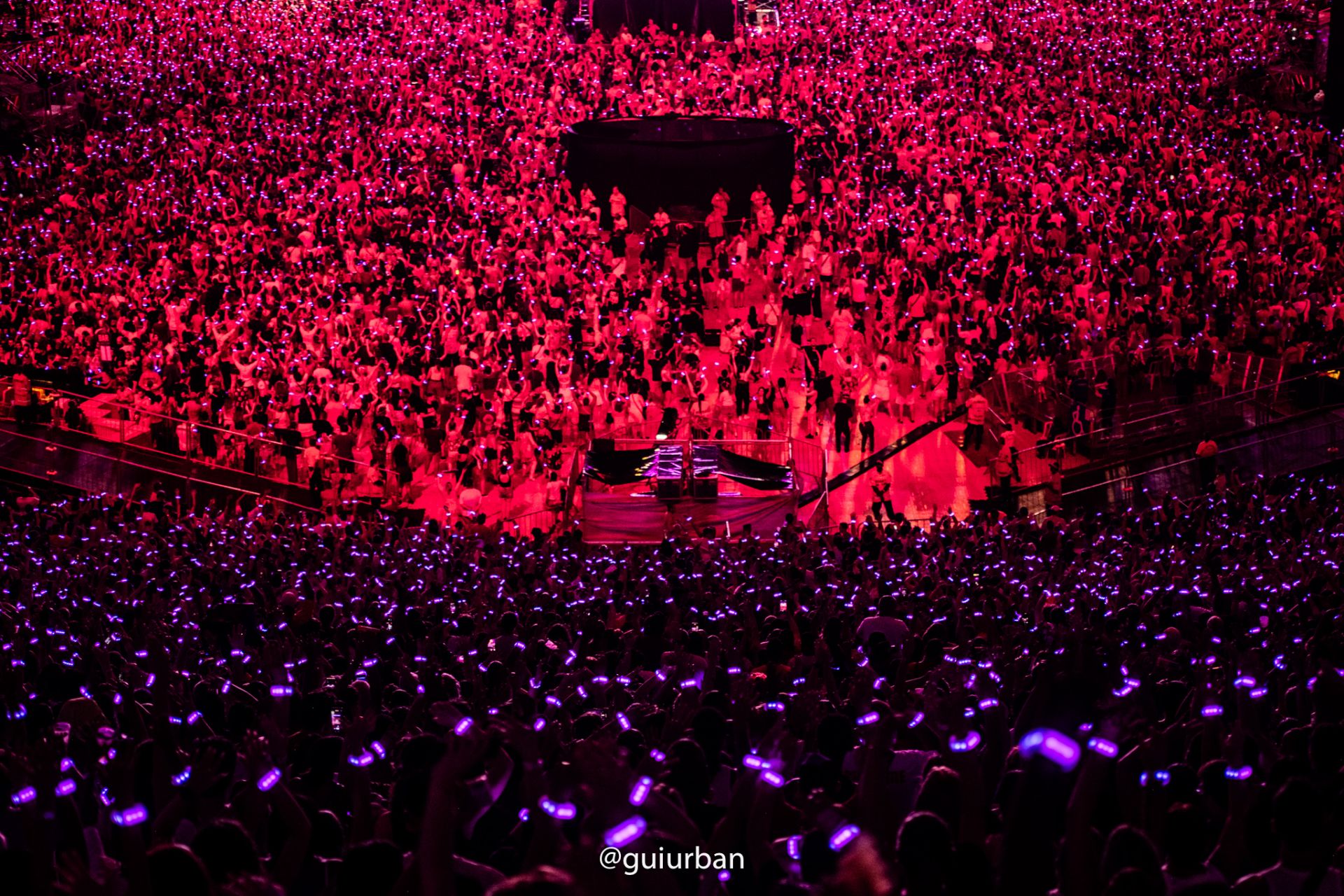
This vision sparked the creation of Xylobands, the world’s first scalable, radio controlled LED wristbands. Debuting internationally on Coldplay's landmark 2012 Mylo Xyloto World Tour, the original Coldplay Xylobands completely disrupted live entertainment architecture. For the first time in touring history, the grandstand ceased to be a passive viewing gallery; it became an active low-resolution video display composed of tens of thousands of human nodes.
The Engineering Evolution of Radio Controlled Hardware
Pioneering audience participation technology required solving harsh physical realities. Venues like soccer stadiums, subterranean arenas, and massive greenfield festivals represent brutal radio frequency (RF) environments. Tens of thousands of human bodies—essentially mobile bags of salt water—absorb RF energy, while venue concrete, steel superstructures, and thousands of cellular devices create immense signal interference.
Early iterations of wearable LED technology relied on basic multi-channel sub-GHz proprietary RF protocols. Over the subsequent decade, this hardware evolved exponentially:
- Zone Mapping and Spatial Addressing: Modern LED bands and custom LED wristbands transitioned from simple stadium-wide flashes to sophisticated multi-zone mapping. Operators can segment an arena into quadrants, rings, or individual seating tiers, sweeping gradients of chromatic light across 80,000 people at the speed of sound.
- Multi-Parameter DMX Integration: Rather than running on standalone proprietary consoles, current LED event technology integrates natively into standard theatrical control desks via Art-Net and sACN. A stadium’s audience-worn pixels can now be triggered by timecode right alongside moving heads, pyro, and laser rigs.
- Form Factor Versatility: What began strictly as concert wristbands expanded across product categories—from festival wristbands to LED lanyards, illuminated credentials, and aerial LED orbs, tailoring the physical footprint to different audience profiles.
"Turning the crowd into an active light fixture reshapes human connection. The audience stops watching the spectacle from afar and suddenly realizes they are inside the performance."
Diversifying Applications: Beyond the Stadium Stage
While arena tours solidified the medium, the evolution of audience participation technology quickly spilled across cultural disciplines. Today, immersive event technology drives engagement across diverse sectors:
- Broadcast Television: Major networks like ITV harness audience wearables to dissolve the separation between live studio audiences and television viewers at home. By illuminating audience seating dynamically in shows like Beat The Chasers, live-action game show tension translates instantly to broadcast cameras.
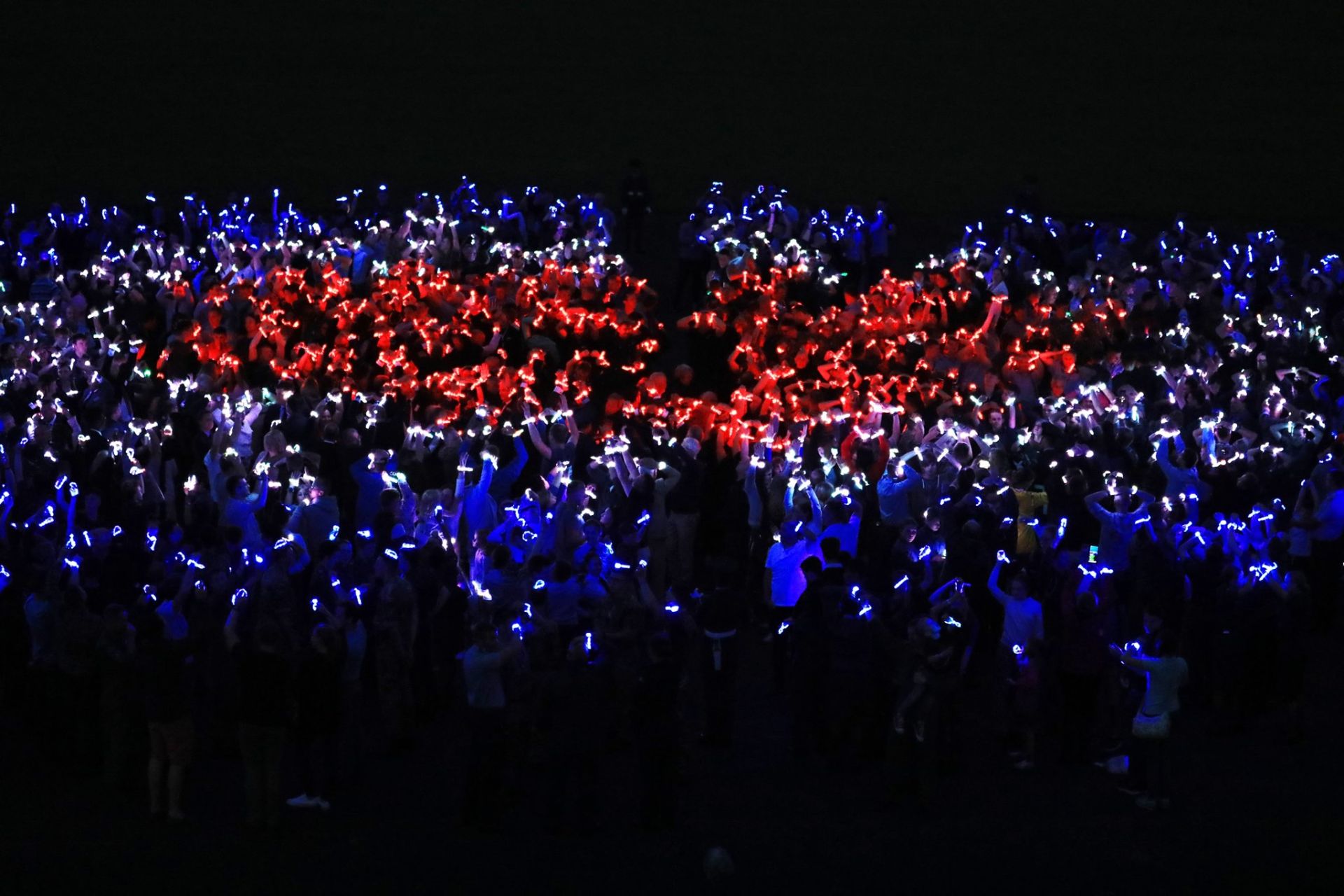
- Global Sporting Events: World-class athletic showcases—including Formula One's 75th Anniversary celebration at London's The O2—employ wearable devices like the custom Xylo Pendant to color-code team alliances across grandstands, turning neutral spectator bowls into vibrant club colors.
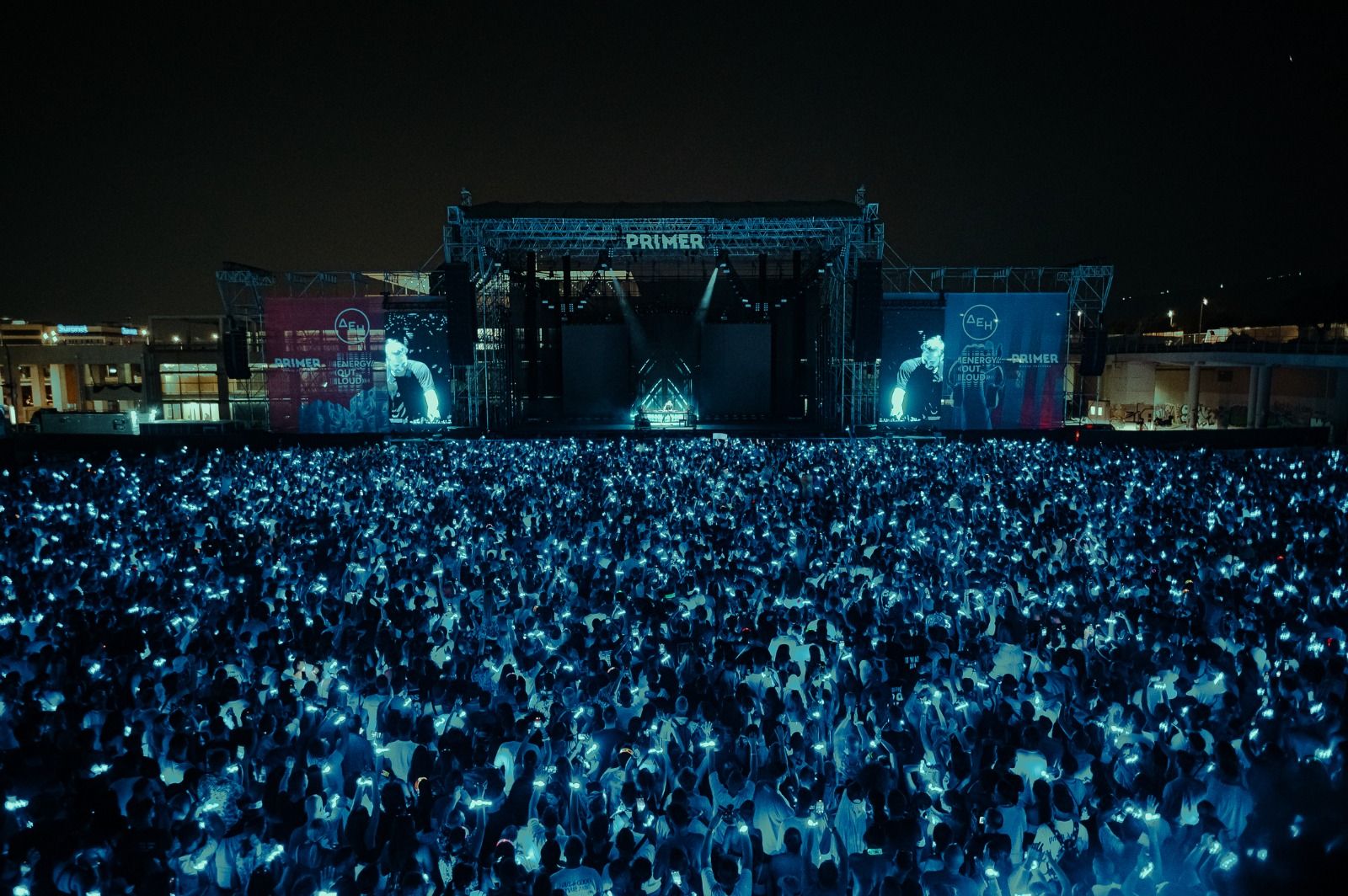
- High-Energy Electronic Festivals: Gatherings such as Greece’s PRIMER Music Festival deploy dynamic wristbands to visually accentuate four-on-the-floor kick drums, translating the kinetic audio wave of headline DJ sets into pulsating fields of light.
- Corporate Event Activations: Brand events and keynotes utilize LED wearables to visualize audience polling, gamify breakout sessions, and unify remote product rollouts into unforgettable communal benchmarks.
The Ecological Frontier: Closed Loops and Reusability
As participation hardware advanced from rudimentary transmitters to complex microcontrollers, the industry confronted its environmental responsibility. Deploying tens of thousands of electronic devices per evening created an unsustainable throwaway model.
The modern era of crowd technology is defined by closed-loop engineering. Shows like Wizkid’s historic three-night sellout at The O2 Arena for the Made in Lagos tour demonstrated modern operational sustainability in practice. Tens of thousands of Xylo Bands were deployed, collected via reverse-logistics collection bins at exits, sanitized, tested, recharged, and redeployed night after night, before being responsibly recycled.
Audience participation technology is no longer an ephemeral gimmick of plastic and silicone. It is an established branch of experiential stagecraft—a fusion of advanced radio engineering, sustainable industrial design, and profound social psychology. By handing agency and light directly back to the spectator, modern productions have permanently erased the barrier of the dark, turning every crowd into the beating heart of the show.