The Art of the Spectacle: Redefining the Modern Halftime Show
From Intermission to Main Event
For decades, the halftime show was little more than an intermission — a brief pause in the action for fans to grab a snack and for teams to regroup. It was a functional break, often filled by local marching bands or drill teams. Fast forward to today, and the script has been completely rewritten. The modern halftime show is a full-blown production, a multimillion-dollar spectacle engineered to captivate a global broadcast audience and create indelible, shareable moments. It’s a genre in itself, blending the raw energy of a live concert with the high-stakes precision of a military operation.
This evolution didn't happen overnight. It’s the result of a convergence of forces: shifting fan expectations, the demands of broadcast television, and the relentless advancement of immersive event technology. Today’s sports marketers and event producers are no longer just filling time; they are creating marquee entertainment properties that, in some cases, draw more viewers than the game itself. The field of play is now a stage, and the audience is part of the cast.
The Choreography of Light and Sound
At the core of this transformation is a new understanding of the stadium environment. It’s not just a venue; it’s a 360-degree canvas. The choreography of a modern halftime show extends far beyond the performers on the field. It involves a symphony of lighting, video, special effects, and, increasingly, the crowd itself. The goal is to create a total sensory experience that envelops every person in the arena.
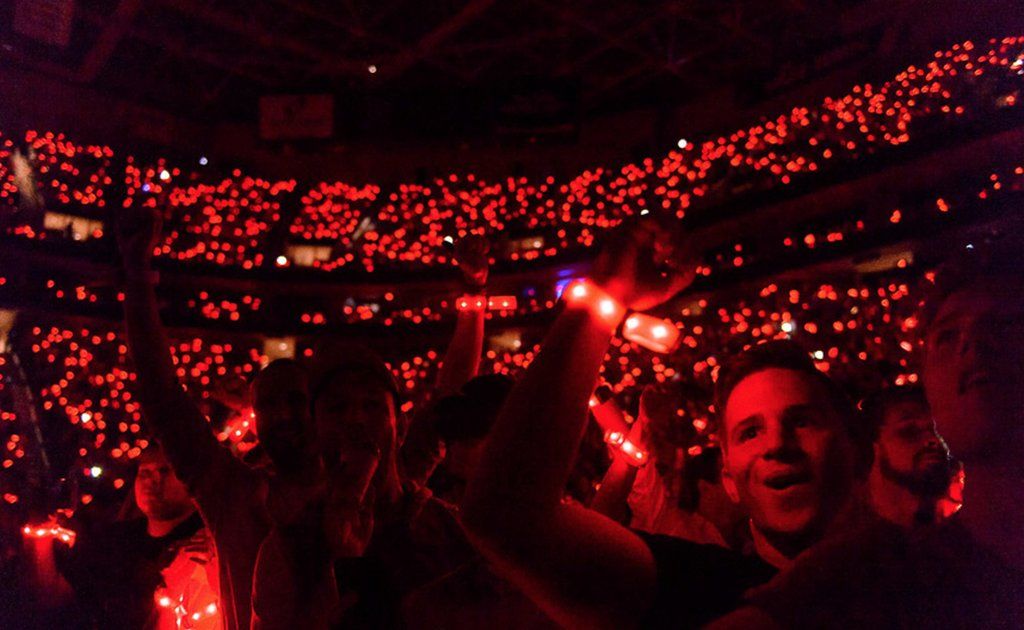
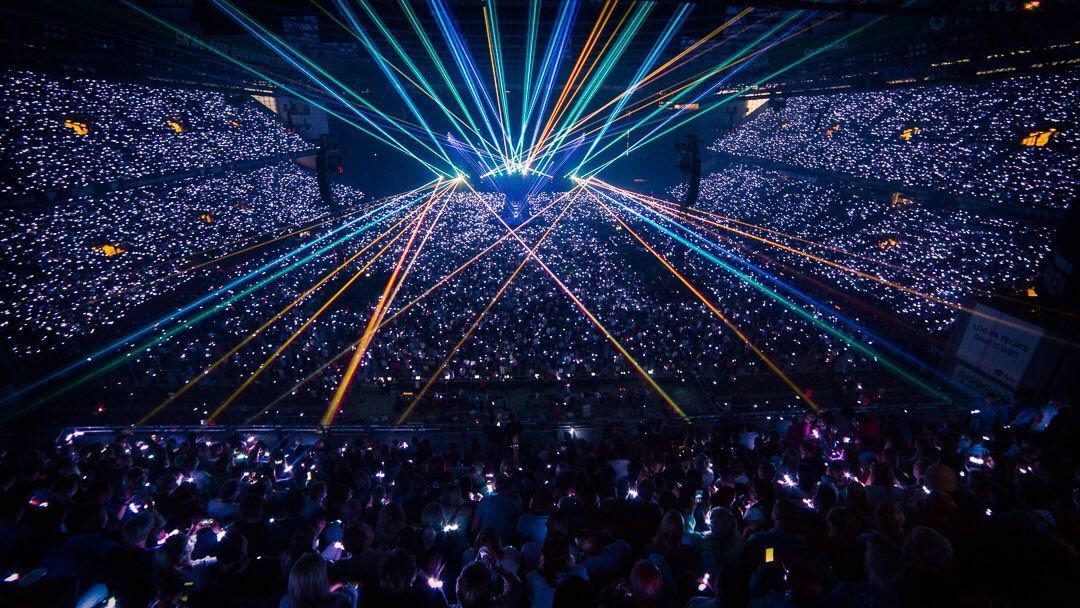
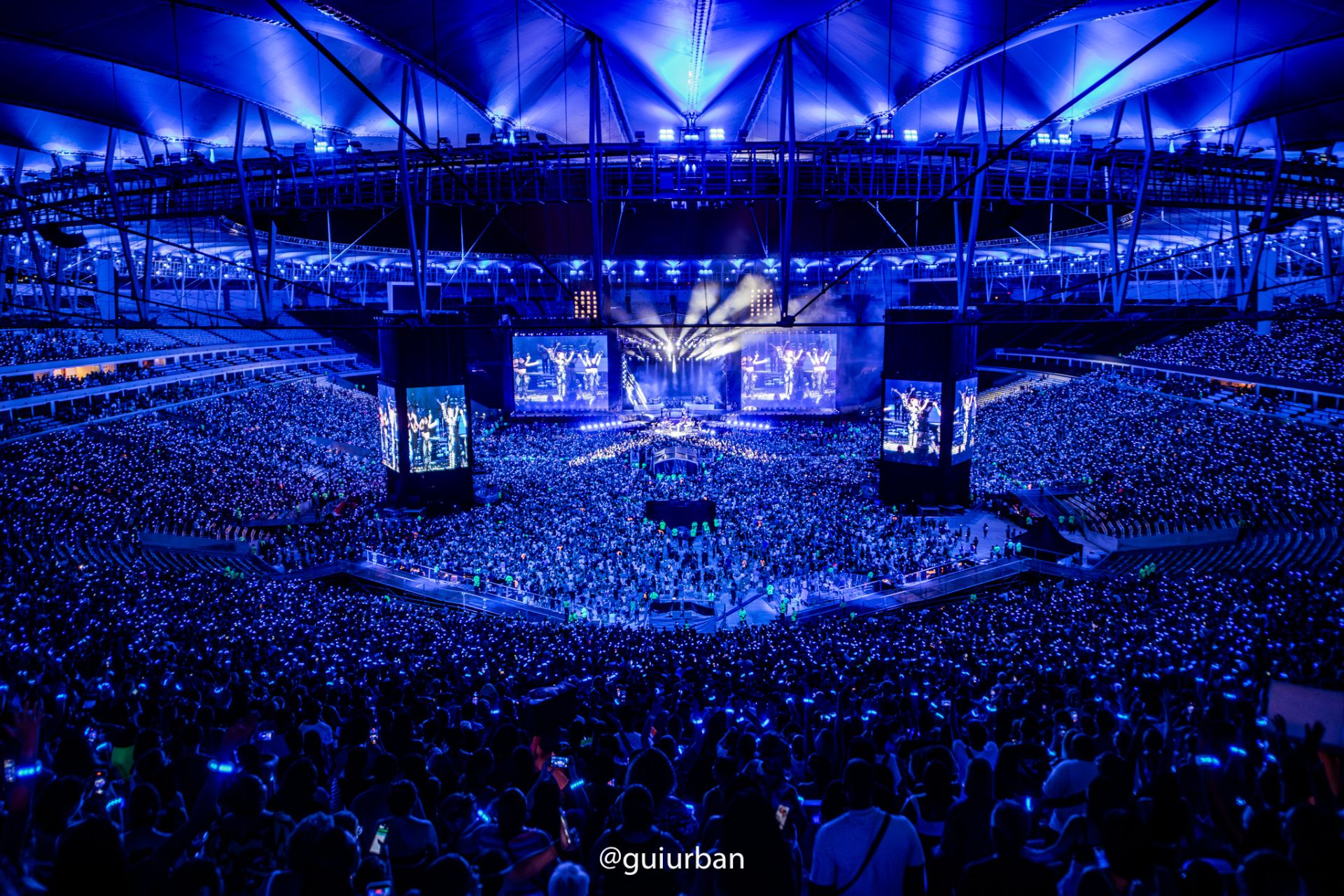
This is where wearable LED technology comes into play. Systems like Xylobands turn every fan into a pixel in a vast, moving display. Imagine tens of thousands of lights pulsing in unison with a drum beat, changing color to match a team’s logo, or creating sweeping patterns that flow across the stands. This is no longer a passive viewing experience. Radio controlled LED wristbands transform the crowd from spectators into an integral part of the show’s design. The effect is twofold: it creates a stunning visual for the broadcast cameras and fosters a profound sense of unity and participation among the fans in the stadium.
“By making the audience part of the lighting design, you’re not just putting on a show for them; you’re creating a show with them. That shift in perspective is the key to truly immersive events.”
Case Study: The Global Stage
The principles of audience immersion are universal, scaling from league championships to global tournaments. Whether it’s the Davis Cup, the FIFA World Cup, or the opening ceremony of a major international competition, the challenge is the same: how do you unite a diverse, global audience in a single, shared experience? The answer lies in creating a visual language that transcends culture and language. Light is that language.
For events like the Formula One 75th-anniversary celebration, the concept was taken a step further. Custom LED lanyards were distributed, with specific programming for different sections of the arena. This allowed for complex, layered visual effects that corresponded with the unveiling of new car liveries and performances by major artists. It’s a testament to the level of detail and control now possible, turning a massive venue like The O2 Arena into an intimate, dynamic environment.
Beyond the Field: Engineering for Broadcast
While the in-stadium experience is paramount, the broadcast audience is a massive part of the equation. A modern halftime show is a made-for-television event, designed to be consumed by millions of people on screens around the world. This requires a different kind of choreography — one that considers camera angles, shot composition, and how light and color translate to the lens.
Using the crowd as a canvas offers a unique advantage for broadcast. It provides a dynamic, glittering backdrop that makes every shot more vibrant and exciting. It adds scale and depth, turning wide shots of the stadium into breathtaking panoramas of light. For broadcasters like ITV, who are masters of live entertainment, this kind of integrated LED event technology provides immense production value. It elevates the visual narrative, ensuring the show is just as compelling for someone watching at home as it is for a fan in the front row.
The New Frontier of Fan Engagement
As technology continues to evolve, so too will the art of the spectacle. We are moving toward a future of even more personalized and interactive experiences. The same LED bracelets that create a unified light show could one day respond to an individual’s cheers, or light up to signal a winning moment for their specific team within a multi-team event. The possibilities for targeted, data-driven fan engagement are only just beginning to be explored.
What remains constant is the human element. The most effective halftime shows are not just displays of technical wizardry; they are powerful acts of storytelling. They tap into our primal need for connection and shared celebration. By turning the entire stadium into a sentient, responsive environment, we are not just entertaining fans — we are creating a collective memory. We are choreographing unity on a mass scale, and in the world of sports, that is the ultimate victory.