The Atlas, the Artist, and the Unseen Army: A Modern Leadership Playbook for Live Experiences
The Unseen Command Structure
In the world of major tours, festival productions, and global brand campaigns, the final product is a spectacle of light, sound, and emotion. But behind every flawless execution is an unseen command structure—a network of leaders navigating immense pressure, logistical complexity, and creative ambitions. This is leadership in its most dynamic form, where tour managers, production heads, and creative directors operate as the architects of experience, translating an artist’s or brand’s vision into a tangible, breathtaking reality.
Exceptional leadership in this high-stakes environment is not about a single person dictating orders from the top. It’s a distributed model built on trust, expertise, and a shared commitment to a singular vision. From the global scale of a Formula One anniversary event to the focused energy of a primetime broadcast for a client like ITV, the principles remain the same: align multidisciplinary teams, empower specialists to excel, and maintain a clear, unwavering vision of the final goal.
The Choreography of Trust
At the heart of successful live production is what can be called the choreography of trust. A creative director must trust the production manager to handle the physics of the spectacle. The production manager must trust the lighting director to paint the arena with emotion. The lighting director must trust their technology partners to deliver flawless, responsive tools that can keep up with the show’s demands. This chain of reliance is the backbone of the entire industry.
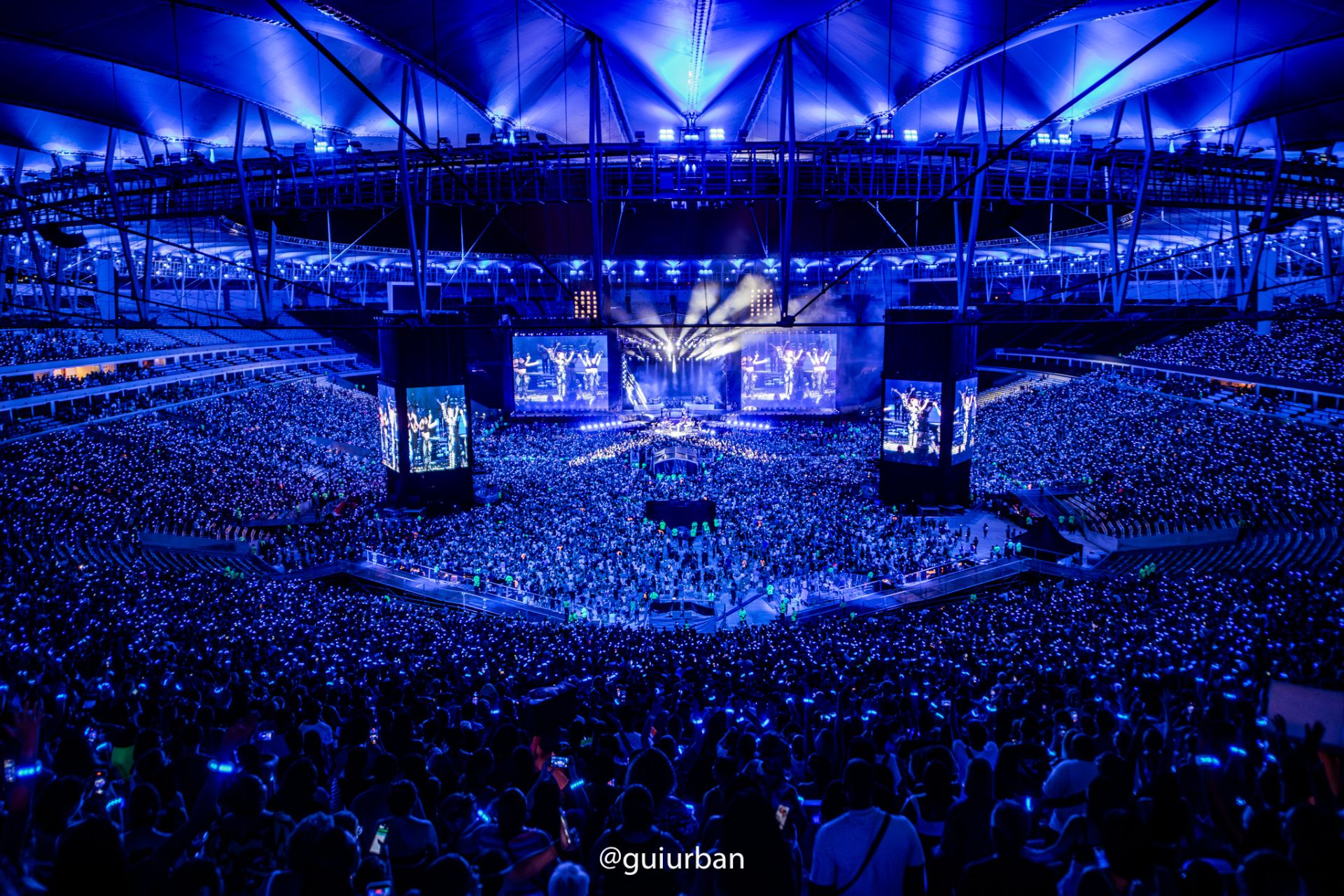
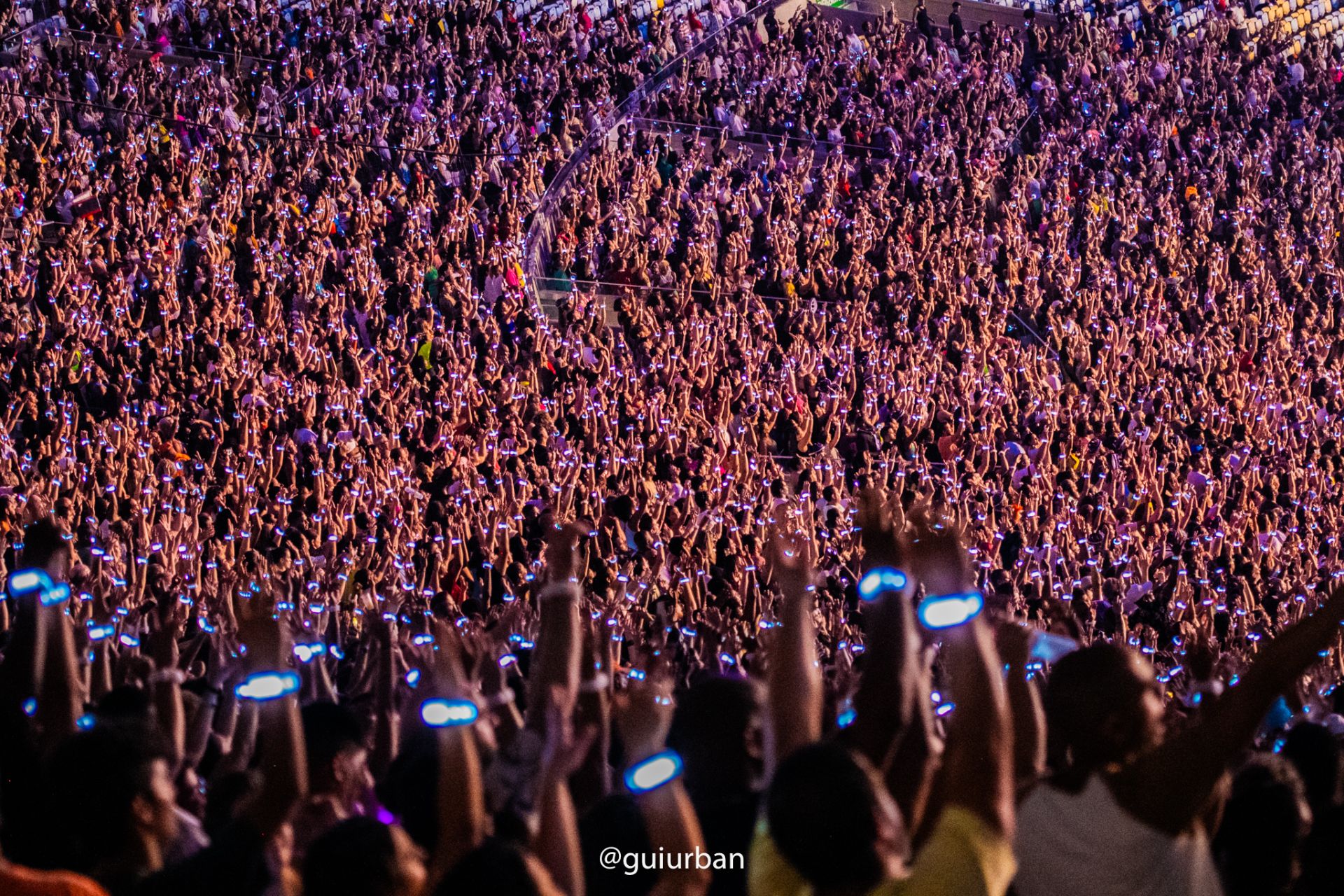
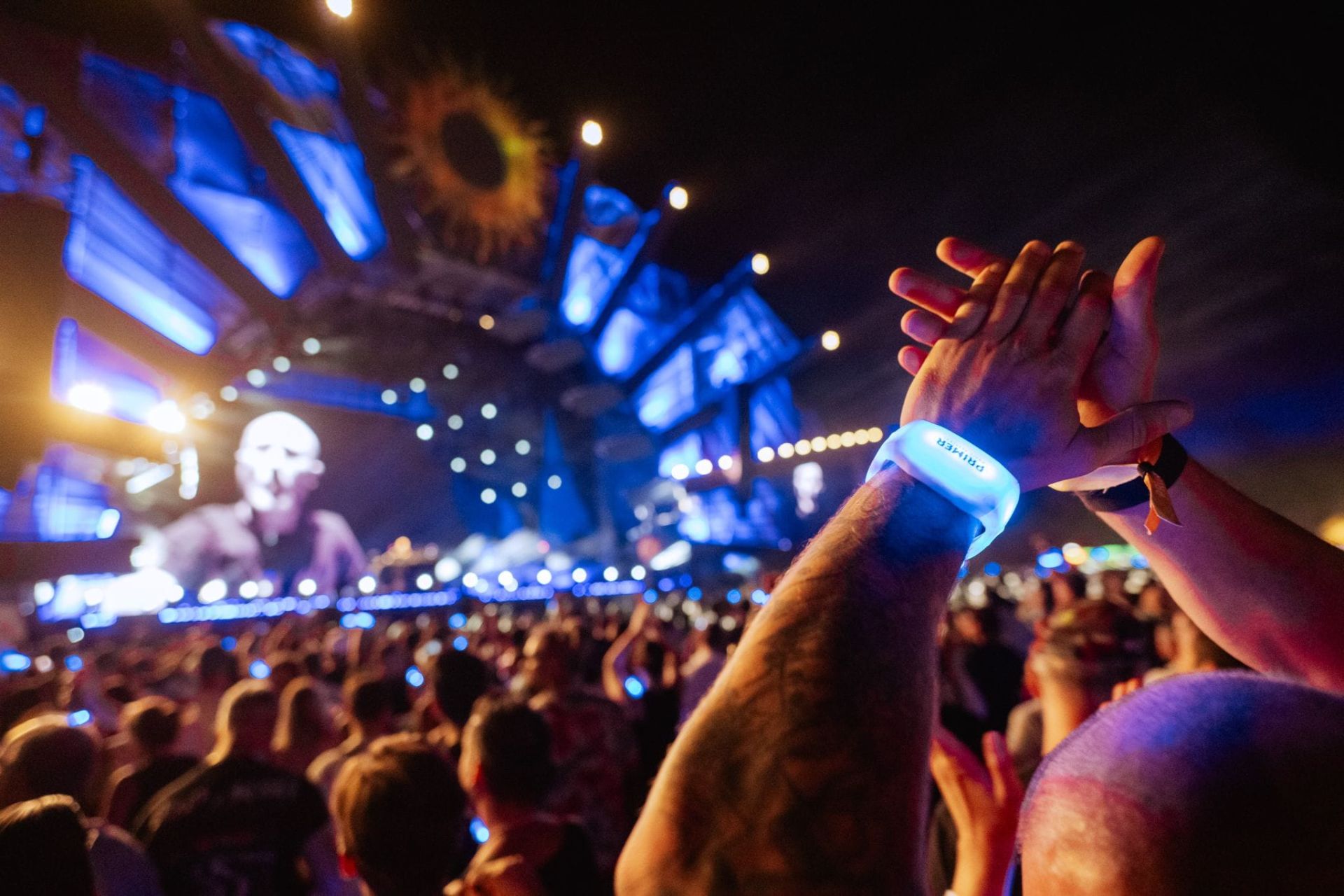
Consider the intricate planning for a global tour for an artist like Maluma or Wizkid. Leadership involves creating a framework where every department—from lighting and sound to logistics and local crew management—understands their role and is empowered to execute it. When we at Xylobands collaborate on these productions, we become a vital node in this network. The show’s creative team trusts our wearable LED technology to integrate seamlessly, turning tens of thousands of individuals into a single, cohesive canvas of light. This isn’t just a technical handover; it’s a partnership built on a proven track record and a shared understanding of the creative stakes.
Vision-Led, Detail-Obsessed
Effective leaders in this space are masters of duality. They must hold the 30,000-foot view—the core story, the emotional arc, the brand message—while simultaneously being obsessed with the details on the ground. They are the guardians of the "why" behind the "what." This means ensuring that every technical choice, from the type of pyrotechnics to the colour palette of the LED wristbands, serves the central creative purpose.
The leader's role is to articulate the vision so clearly that it becomes a filter through which every subsequent decision is made. Is this lighting cue amplifying the chorus? Does this activation for a corporate client resonate with their core values? Does this moment of audience interaction feel authentic to the artist?
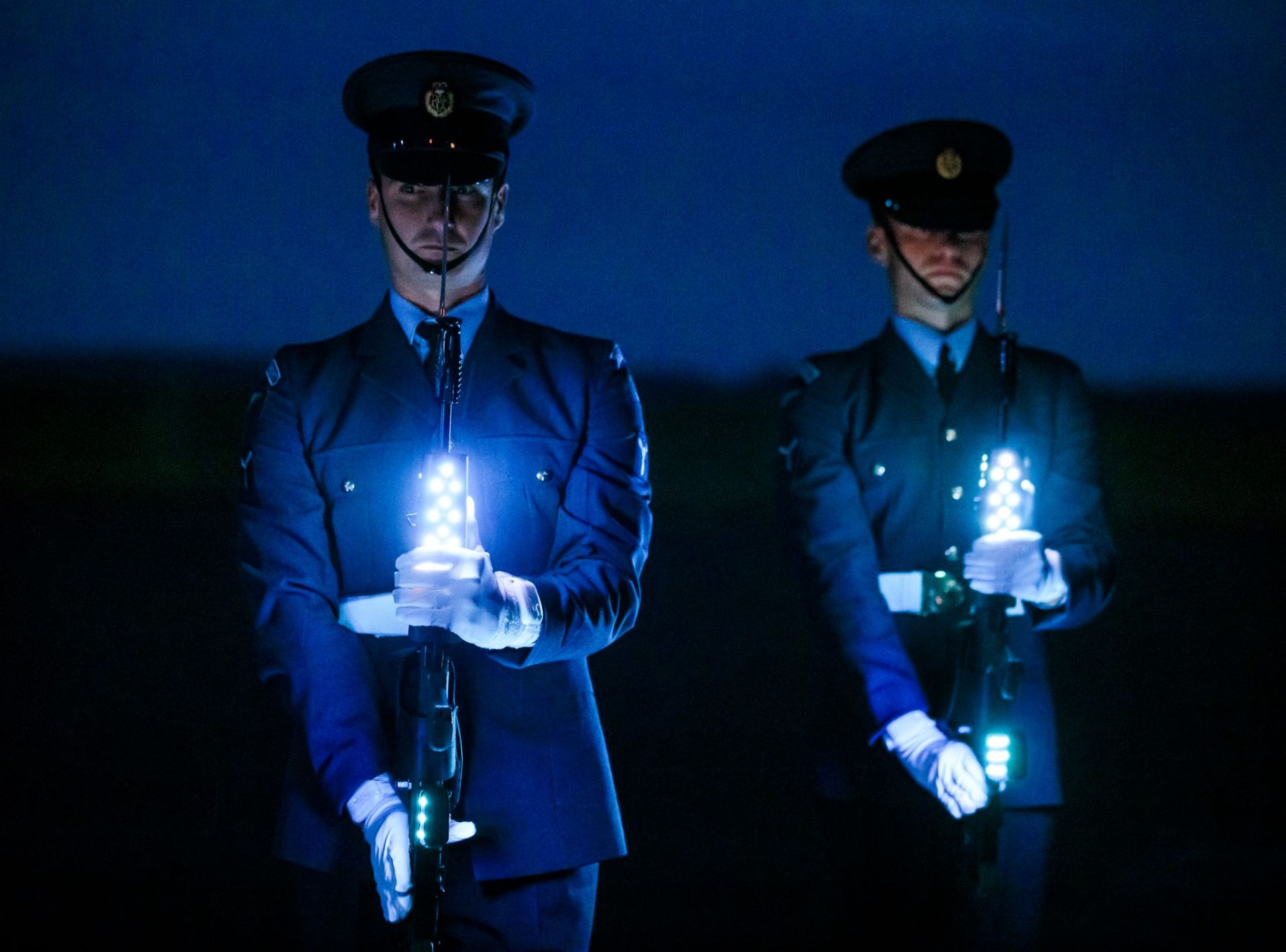
This approach transforms a collection of technical elements into a singular, resonant narrative. Whether it’s crafting custom LED Lanyards for a Formula One celebration or deploying concert wristbands for a stadium tour, the guiding principle is always how the technology serves the story. The result is a more powerful and memorable experience for everyone involved.
Leading Through Complexity: The Modern Production Environment
Today’s live productions are more complex than ever. They are multimedia, multi-platform experiences, often designed for both the in-person audience and a global broadcast stream. This dual-reality production requires a new level of leadership sophistication.
A leader must now consider:
- The In-Venue Experience: How does the show feel for the 50,000 fans in the stadium? How can technology create moments of collective joy and participation, turning passive spectators into an active part of the show?
- The Broadcast Experience: How does that same show translate to a screen? How can lighting, camera angles, and immersive elements like LED crowd experiences be optimised for viewers at home, as seen in broadcasts from the Davis Cup to major music festivals?
Navigating this requires a leader who can think like a theatre director, a filmmaker, and a logistician all at once. They must foster a culture of collaboration where the lighting designer is in constant dialogue with the broadcast director, and the special effects team understands the camera plot. It is in this synthesis that truly modern and immersive events are born.
The Human Element: Building Resilient Teams
Ultimately, leadership in production is about people. The gruelling schedules, immense pressure, and technical challenges of life on the road or in the studio demand resilient, motivated, and cohesive teams. The best leaders understand that their primary role is to create an environment where talented people can do their best work.
This means championing clear communication, providing unwavering support, and celebrating the contributions of every individual—from the artist on stage to the technician meticulously placing thousands of Xylobands on seats before the doors open. They build a culture of shared ownership, where every member of the "unseen army" feels a personal stake in the success of the show.
In the final analysis, the spectacle that an audience witnesses is the direct result of the leadership that guided it into existence. It is a testament to the quiet, decisive, and visionary work that happens long before the house lights go down—the unseen architecture that makes the unforgettable possible.