The Choreography of Trust: A Leadership Blueprint for Live Production
The Unseen Structure of Success
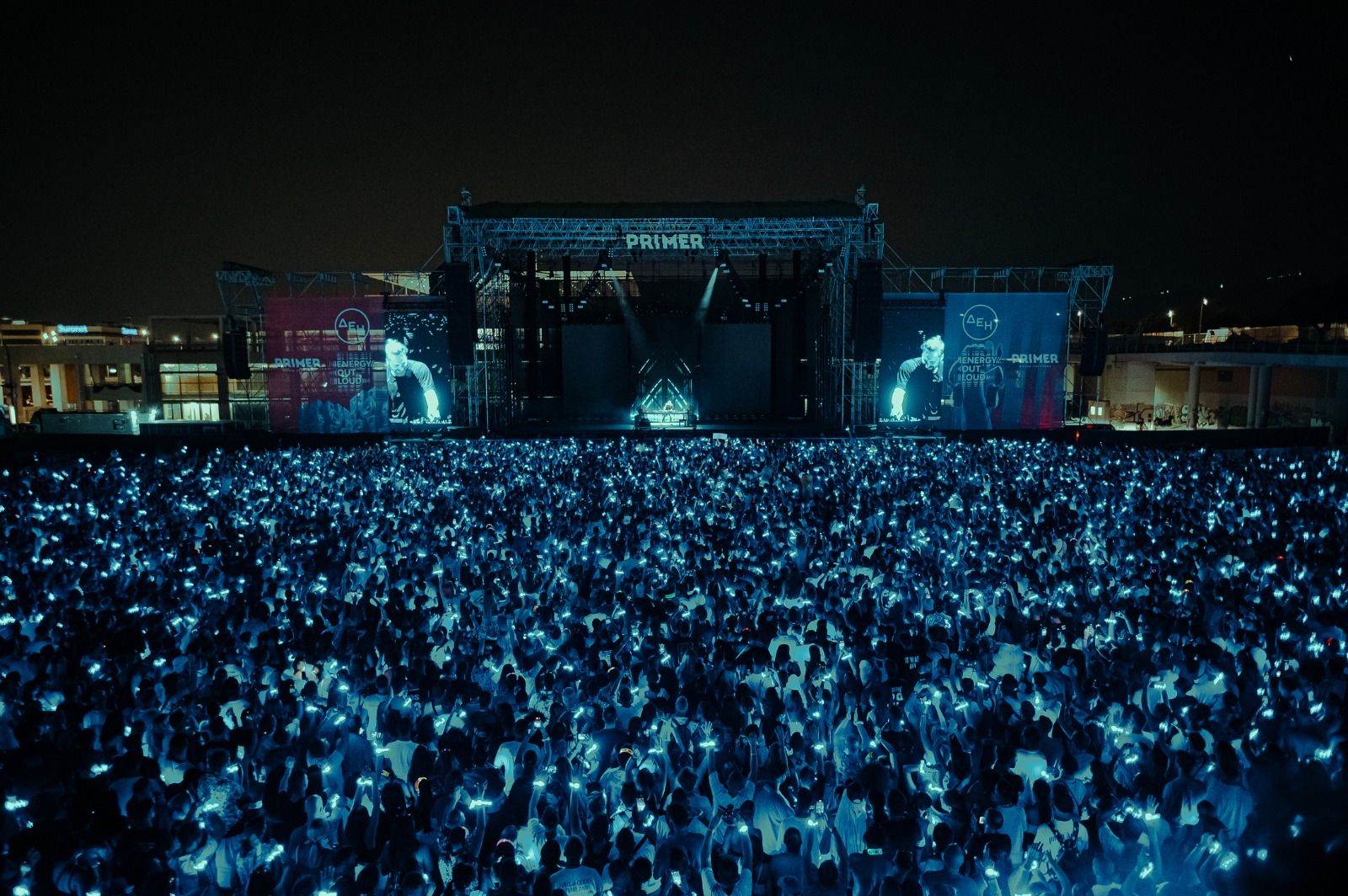
In the world of touring, production, and creative agencies, success is a highly visible, brilliantly lit spectacle. It’s the roar of 50,000 fans as a stage ignites, the flawless execution of a global broadcast, the gasp of a corporate audience witnessing a brand come to life. But beneath the surface of these triumphs lies an unseen structure, an intricate framework of human dynamics that is far more critical than any piece of hardware: Trust.
Leadership in this industry isn’t about a single person dictating from the top. It’s about orchestrating a complex network of specialists—from lighting designers and audio engineers to logistics managers and creative directors—and empowering them to perform at their peak. It is, in essence, a choreography of trust. Without it, the most ambitious vision falters. With it, the seemingly impossible becomes a standing ovation.
The First Principle: Trust as a Force Multiplier
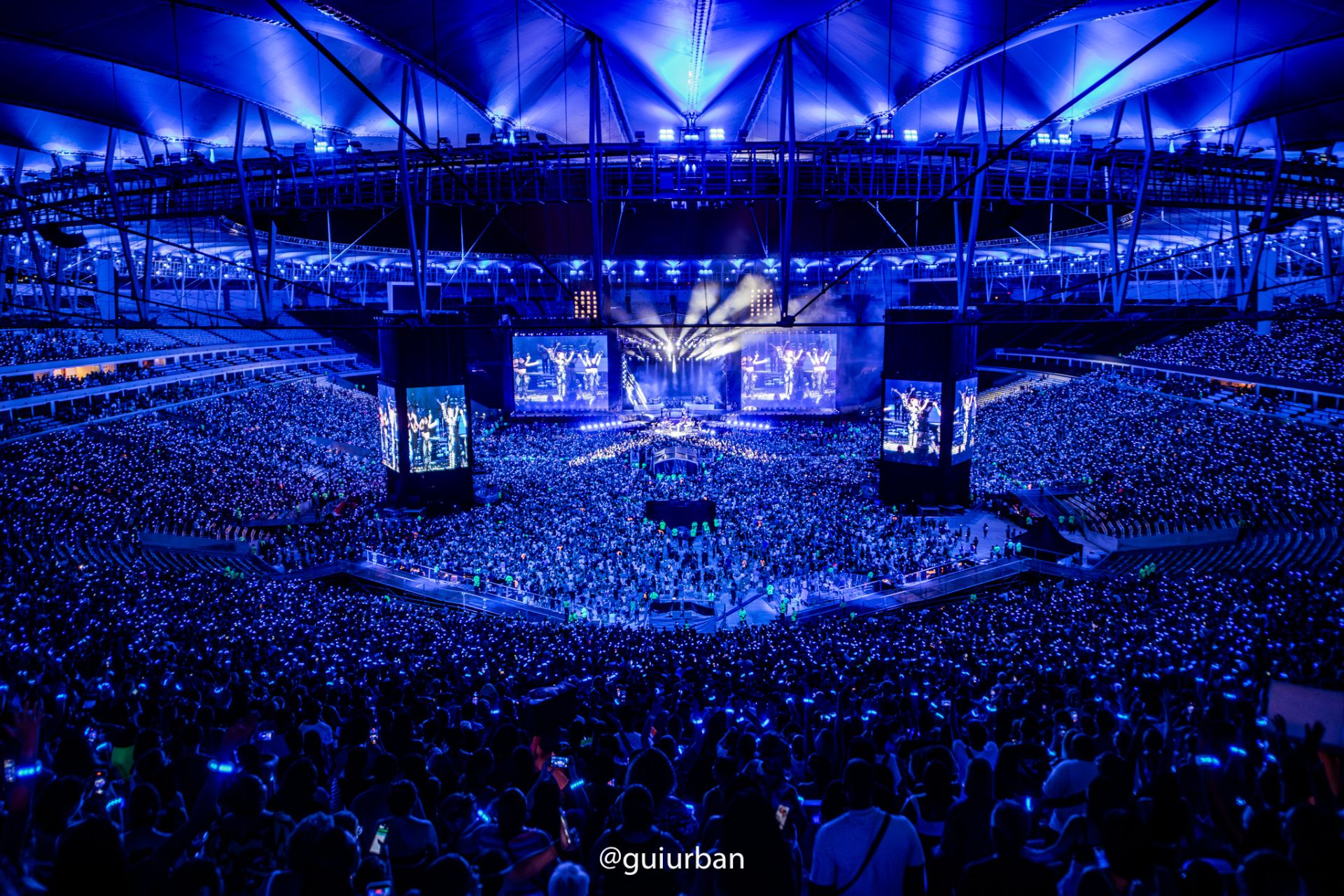
In a live production environment, time is compressed and stakes are absolute. There are no second takes. When Maluma performs to 54,000 fans in his hometown of Medellín, a show streamed live to over 240 countries, the margin for error is zero. The entire operation, from the front-of-house engineer to the artist and his guest stars like Madonna, is predicated on the belief that every individual will execute their role flawlessly. This isn’t blind faith; it’s earned confidence built on a foundation of proven competence and shared purpose.
Effective leaders in this space act as the central node in this network of trust. They don’t micromanage; they align. They understand that their primary role is to create an environment where experts can thrive. This requires a unique blend of skills:
- Radical Clarity of Vision: The leader must articulate the "what" and the "why" with such precision that it becomes the North Star for the entire team. When every department understands the ultimate creative and experiential goal, they can make autonomous, real-time decisions that serve the vision.
- Delegation as an Act of Empowerment: In a high-functioning team, delegation isn’t offloading tasks; it’s entrusting responsibility. It’s the understanding that the RF technician knows the intricacies of radio-controlled LED wristbands better than anyone else, and the logistics lead has the master plan for deploying them. True leadership is having the confidence to let them do their job.
- Cultivating Psychological Safety: The live event environment is a pressure cooker. Mistakes can and do happen. A culture of blame is the fastest way to cripple a team. Leaders who foster psychological safety—where team members can raise concerns, admit errors, and ask for help without fear of retribution—build resilient teams that solve problems, rather than hide them.
The Anatomy of a Trusted Partnership: Artist, Agency, and Technology
The relationship between an artist, their creative team, and technology partners like Xylobands is a microcosm of this leadership philosophy. When we collaborate on a major tour or a landmark event like the Formula One 75th-anniversary show, we are not simply vendors; we become integrated components of a creative and operational unit. The trust must flow in all directions.
The creative agency trusts us to translate their lighting design into a tangible, crowd-wide experience. The production manager trusts our technicians to seamlessly integrate our immersive event technology into the show’s control systems. The artist trusts that the LED bands will ignite at the perfect moment, amplifying the emotional arc of their performance. This is a responsibility we take seriously. It requires more than just reliable hardware; it demands a shared commitment to the vision and an obsessive attention to detail.
“For all three nights, Xylobands were reused, topped up as needed, and responsibly recycled.” This small detail from Wizkid’s historic three-night, sold-out run at The O2 speaks volumes about trust. It reflects a multi-layered partnership focused not just on the creative spectacle, but on the operational and logistical realities of sustainability and efficiency on a major tour.
Leading Through Crisis: Trust as the Ultimate Contingency
Nowhere is the strength of a team’s trust more tested than in a crisis. A missed freight deadline, a sudden technical failure, an unexpected change in venue logistics—these are the moments that define a production’s leadership. A team built on a fragile, top-down hierarchy will fracture under pressure. A team bound by mutual trust will cohere and innovate.
Think of it as a distributed command system. When the lead plan is disrupted, a trusted team doesn’t freeze, waiting for new orders. The lighting director instinctively works with the video team to fill a visual gap. The logistics manager reroutes a shipment with the ground crew. This improvisational excellence, this ability to solve complex problems in real-time, is the direct output of a high-trust environment. It’s the unseen safety net that allows for the riskiest, most breathtaking creative leaps.
Building the Blueprint in Your Organization
How do you cultivate this choreography of trust within your own agency, tour, or production company? It begins with a conscious leadership choice.
- Hire for Character and Competence: Technical skill is table stakes. Look for the collaborators, the problem-solvers, the individuals who take ownership.
- Communicate Relentlessly: Over-communicate the vision, the plan, and the "why." Create channels for open, honest feedback in all directions. Debrief every project not for blame, but for learning.
- Model the Behavior: As a leader, your actions are the ultimate signifier. Be the first to trust, the first to take responsibility, and the first to shine a light on the contributions of your team.
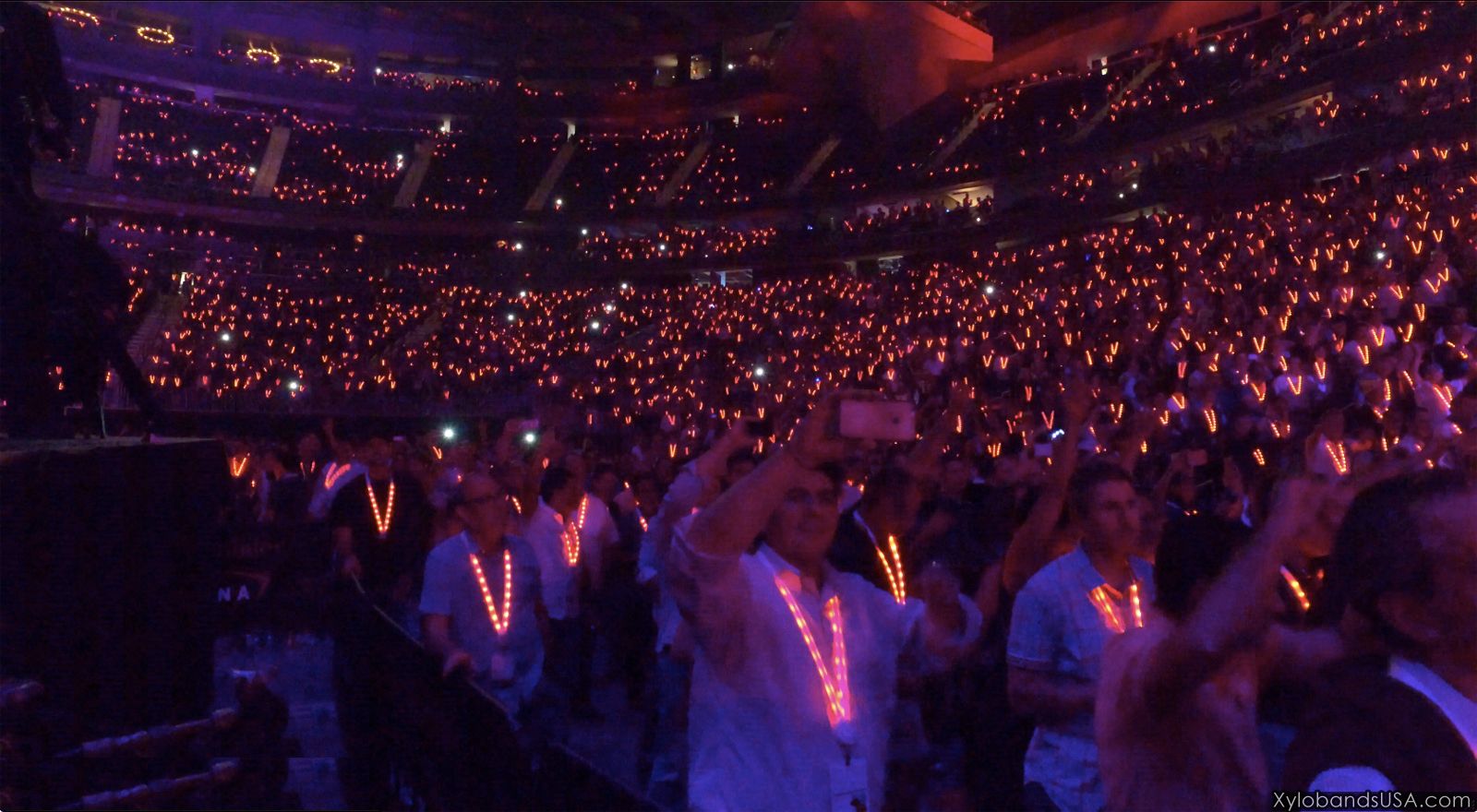
In the end, the light shows that captivate millions, from Coldplay Xylobands filling a stadium to bespoke corporate event activations, are more than just a display of wearable LED technology. They are a testament to the human architecture that makes them possible. They are the physical manifestation of a team operating in perfect sync, a performance built not just on light and sound, but on the unwavering foundation of trust.