The Crowd as Sensor: Rethinking Event Safety with Data and Light
The Unseen Network
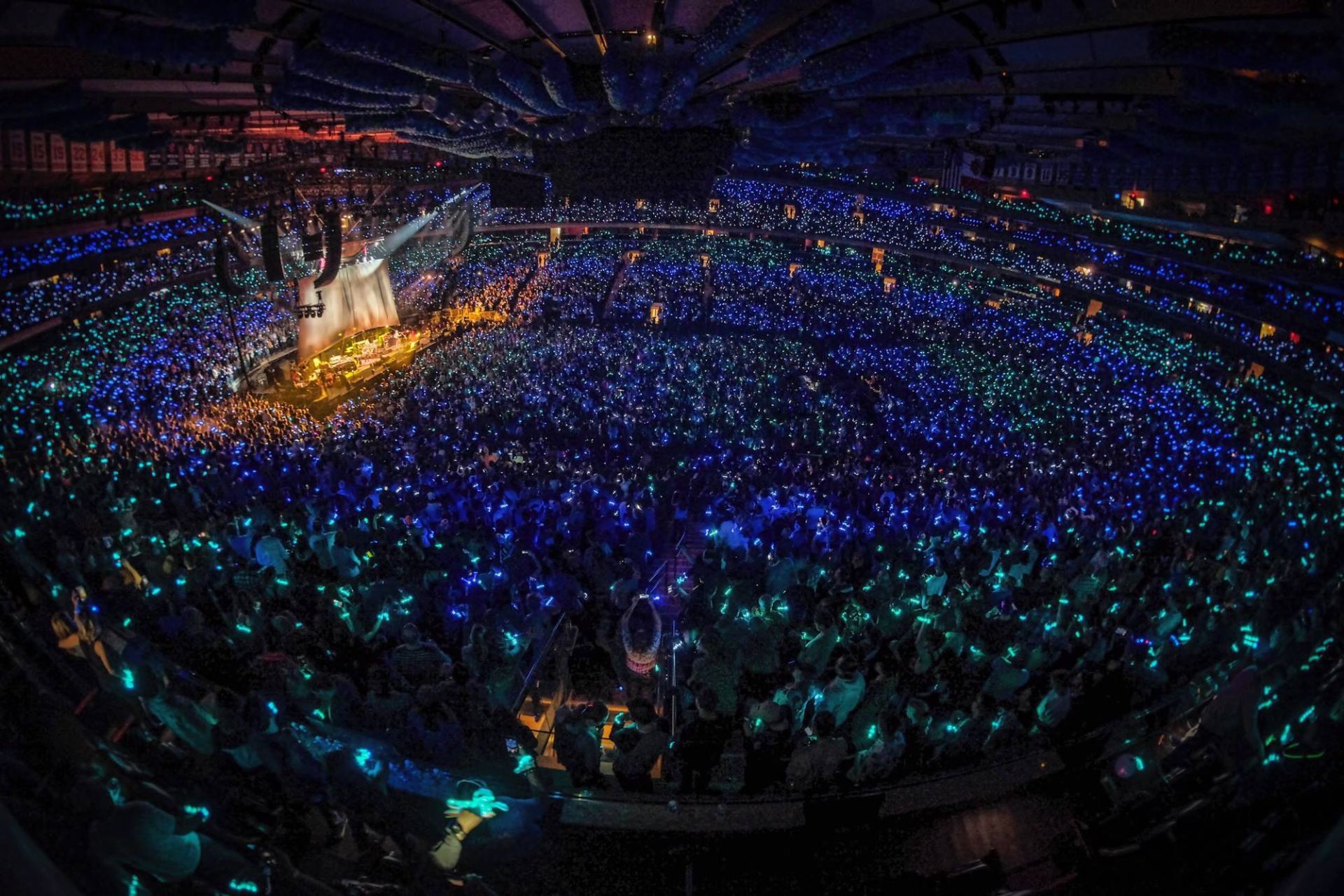
A stadium, a festival field, a city square packed for a national celebration. These are not just collections of people; they are complex, dynamic systems. For decades, the primary tools for managing these mass gatherings have been based on observation and reaction — security personnel watching from the periphery, responding to incidents as they arise. But what if the crowd itself could become an active part of its own safety net? What if every individual was a node in a network, providing real-time data that could anticipate and mitigate risk before it escalates?
This is the new frontier of event management, where immersive event technology does more than just dazzle the senses. It provides a powerful layer of data and communication that is transforming our understanding of crowd behaviour. The same systems that create breathtaking moments of visual unity can also serve as a sophisticated tool for crowd analytics, enhancing safety and operational efficiency on an unprecedented scale.
From Spectacle to Safety
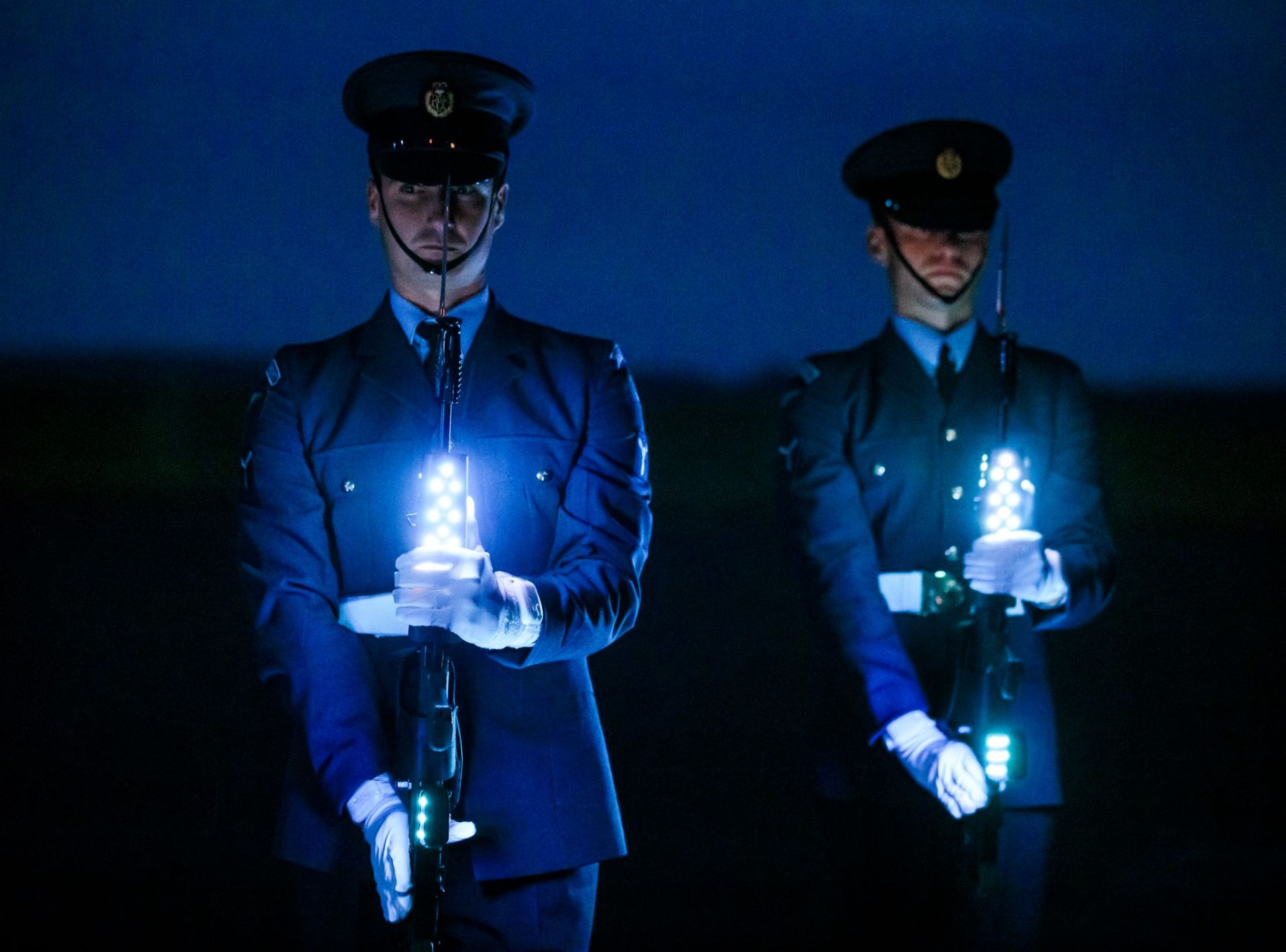
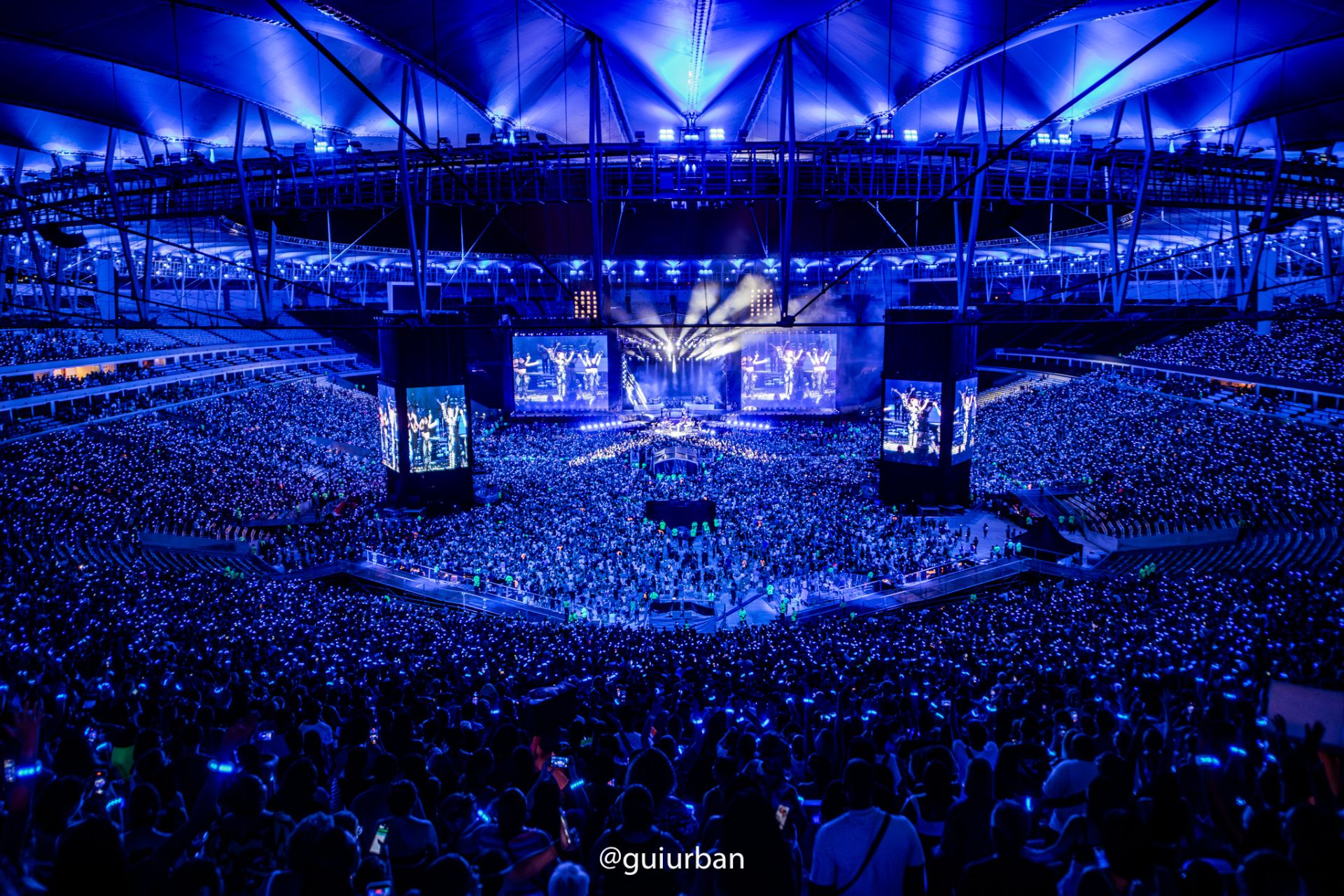
At its core, the technology behind LED crowd experiences — from Xylobands lighting up a stadium to custom LED lanyards at a corporate summit — is about control and synchronisation. A central operator sends signals via RF (Radio Frequency) to tens of thousands of individual devices, instructing them to light up in specific colours, patterns, and sequences. This creates the stunning visual spectacles we’ve seen at events like the Super Bowl halftime show, global music tours for artists like Coldplay and Maluma, and even major sporting celebrations for Formula One and the Davis Cup.
But each of these ‘pings’ is a data transaction. The system knows the location of each device, its status, and its response. When you scale this across an entire venue, you are no longer just looking at a crowd; you are looking at a living map. This is where the application for safety and analytics begins.
"By viewing the crowd as a sensor, we can move from a reactive to a proactive model of safety. It's about seeing the patterns before they become problems."
Decoding Crowd Dynamics
Traditional crowd management relies on CCTV and human spotters. This approach is essential, but it has limitations. It’s difficult to get a granular, real-time sense of crowd density, flow, and sentiment from a fixed camera. Is a surge of people moving towards an exit a sign of excitement or distress? Is a dense area a mosh pit or a dangerous crush in the making?
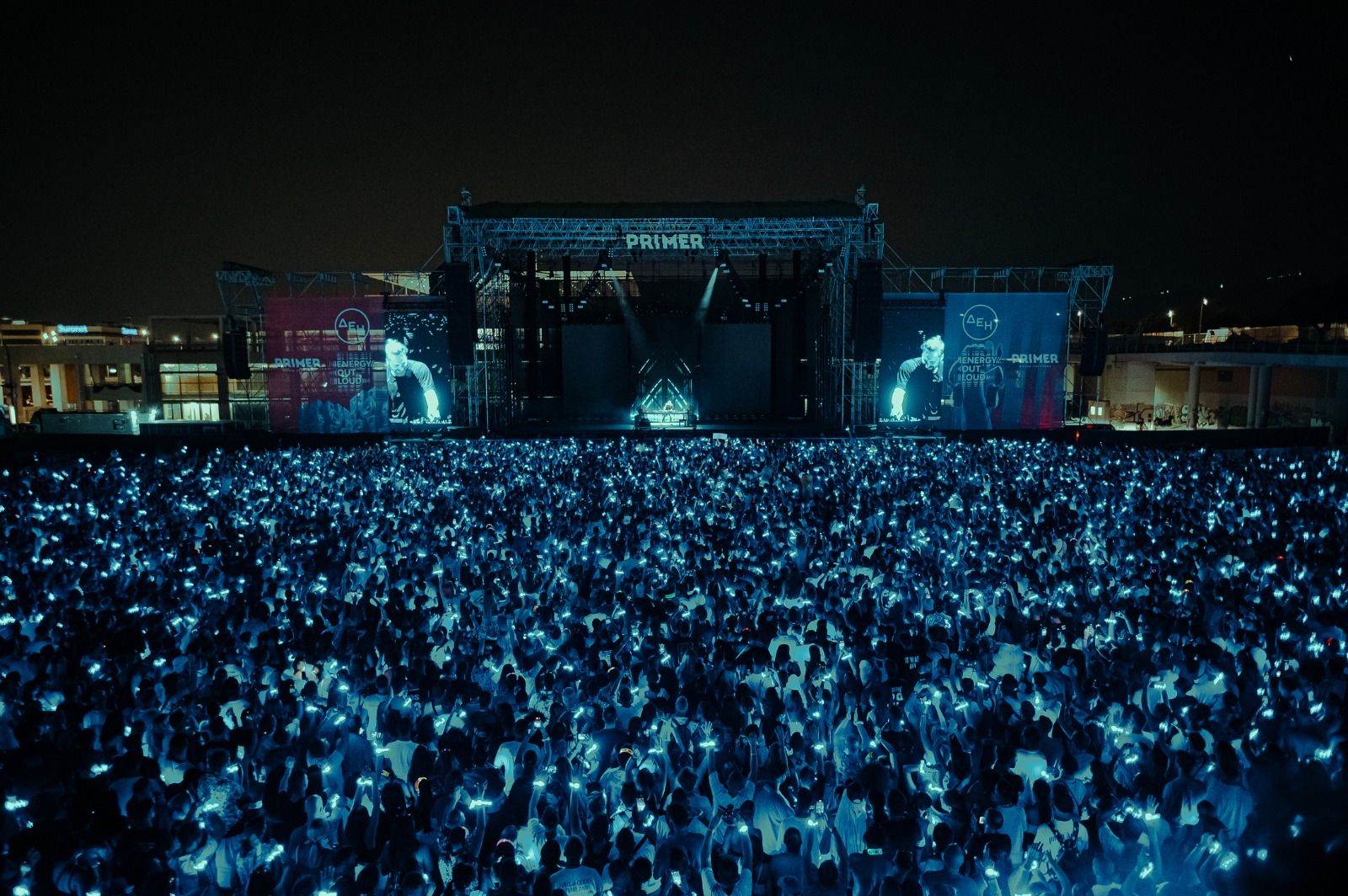
This is where wearable technology offers a solution. Consider a large-scale music festival like Primer in Greece. With thousands of attendees wearing festival wristbands, event organisers have a real-time dashboard of the entire site. The data can reveal:
- Density Mapping: By analysing the concentration of active wristbands, operators can identify dangerously overcrowded areas in real-time. Automated alerts can be triggered when density in a specific zone exceeds a pre-defined safety threshold, allowing security to intervene and redirect foot traffic before a crush occurs.
- Flow Analysis: Tracking the movement of groups of wristbands can illustrate how the audience is moving through a venue. This is invaluable for optimising ingress and egress, identifying bottlenecks around concessions or restrooms, and managing pedestrian flow between stages.
- Dead Zones: The data can also reveal areas with little to no activity, which might indicate a security vulnerability, a lighting failure, or an underutilised vendor area.
Light as a Tool for Communication and Control
Beyond passive data collection, this technology provides a direct line of communication to every single person in the audience. In an emergency, this is a game-changer. Instead of relying solely on often-inaudible PA systems, operators can use light to guide the crowd.
Directional Guidance
Imagine a sudden evacuation is needed. The wristbands on the left side of the stadium could be instructed to pulse with red light, while the right side pulses green. An arrow pattern could be animated across the entire crowd, pointing towards the safest exit. This visual, language-agnostic communication can cut through panic and confusion, directing people calmly and effectively. For an international event like the FIFA World Cup, where attendees speak dozens of languages, this universal visual language is incredibly powerful.
Zone-Specific Messaging
The system can also be used to send targeted messages. If a medical emergency occurs in one specific block of a stadium, the wristbands in that area could be instructed to glow a solid blue. This would instantly guide paramedics to the exact location of the incident, saving critical minutes. It also avoids causing unnecessary alarm to the rest of the audience, maintaining a calm atmosphere across the wider venue.
The Future of Immersive, Safer Events
The integration of wearable LED technology into event safety protocols is still in its early stages, but its potential is immense. As the technology evolves, we can anticipate even more sophisticated applications, from integrating biometric sensors to monitor crowd-wide stress levels to using the data to create more sustainable and efficient event infrastructures.
For event producers, tour managers, and brand marketers, the takeaway is clear: the same tools you use to create unforgettable corporate event activations and immersive events can also make them safer and smarter. The spectacle is no longer separate from the operation; it is intrinsically linked. By embracing this dual capability, we can design live experiences that are not only more engaging and memorable but also fundamentally more secure for everyone involved. The future of live events is one where the crowd is not just a passive observer, but an active, connected, and integral part of the show’s unseen safety network.