The Discipline of Command: A Leadership Playbook for High-Stakes Production
The Unseen Architecture of Command
In the high-stakes world of touring, production, and creative agencies, leadership is the invisible framework upon which every unforgettable spectacle is built. It’s not about a title or a position on an org chart; it’s a rigorous discipline, a practice of foresight, and a commitment to clarity in the face of immense pressure. From orchestrating a global concert tour for an artist like Maluma to managing the intricate broadcast of a high-profile corporate event, the principles of effective command remain the same. It is the art of turning chaos into choreography and pressure into performance.
Clarity as the Cornerstone
At the heart of great leadership in production is radical clarity. When thousands of moving parts, hundreds of personnel, and millions of dollars are on the line, ambiguity is the enemy. A true leader establishes a singular, unifying vision and communicates it with relentless consistency. Every department head, from lighting to logistics, must understand not only their specific role but how it plugs into the larger mission. This clarity becomes the North Star, guiding every decision, especially when time is short and the stakes are high.
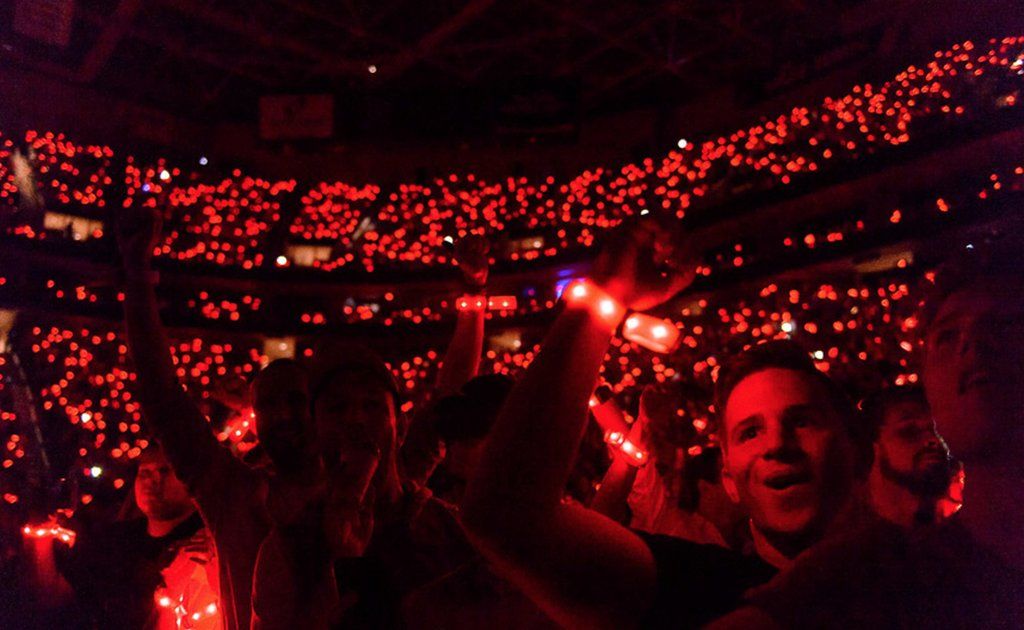
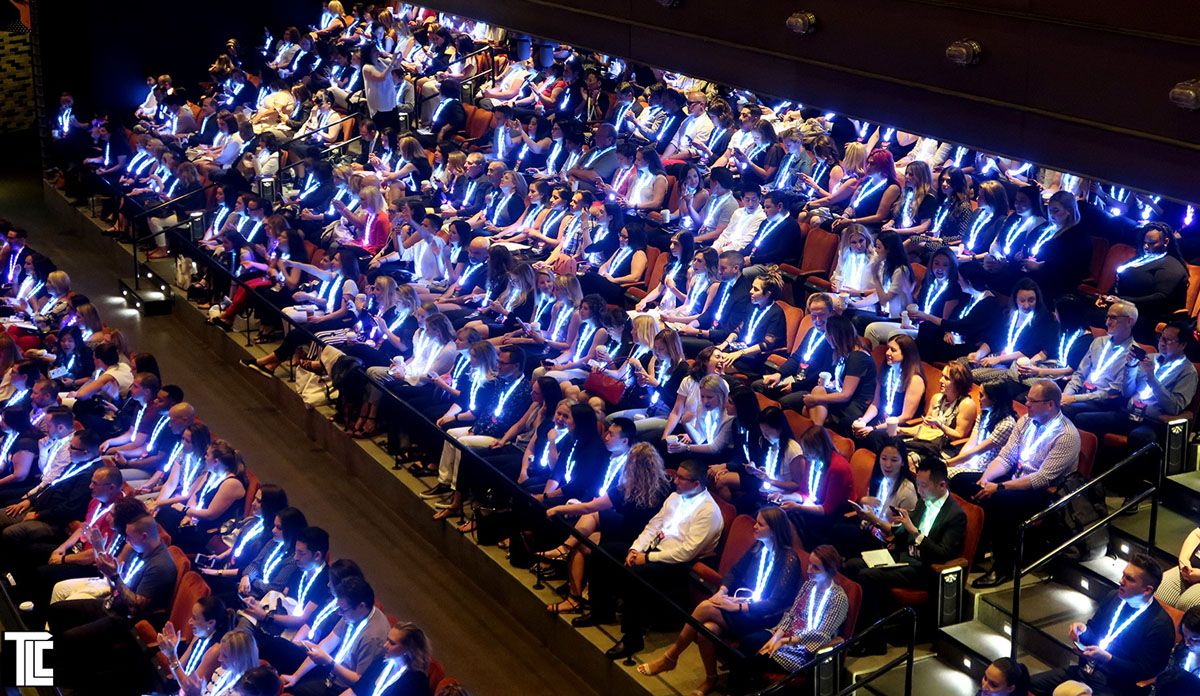
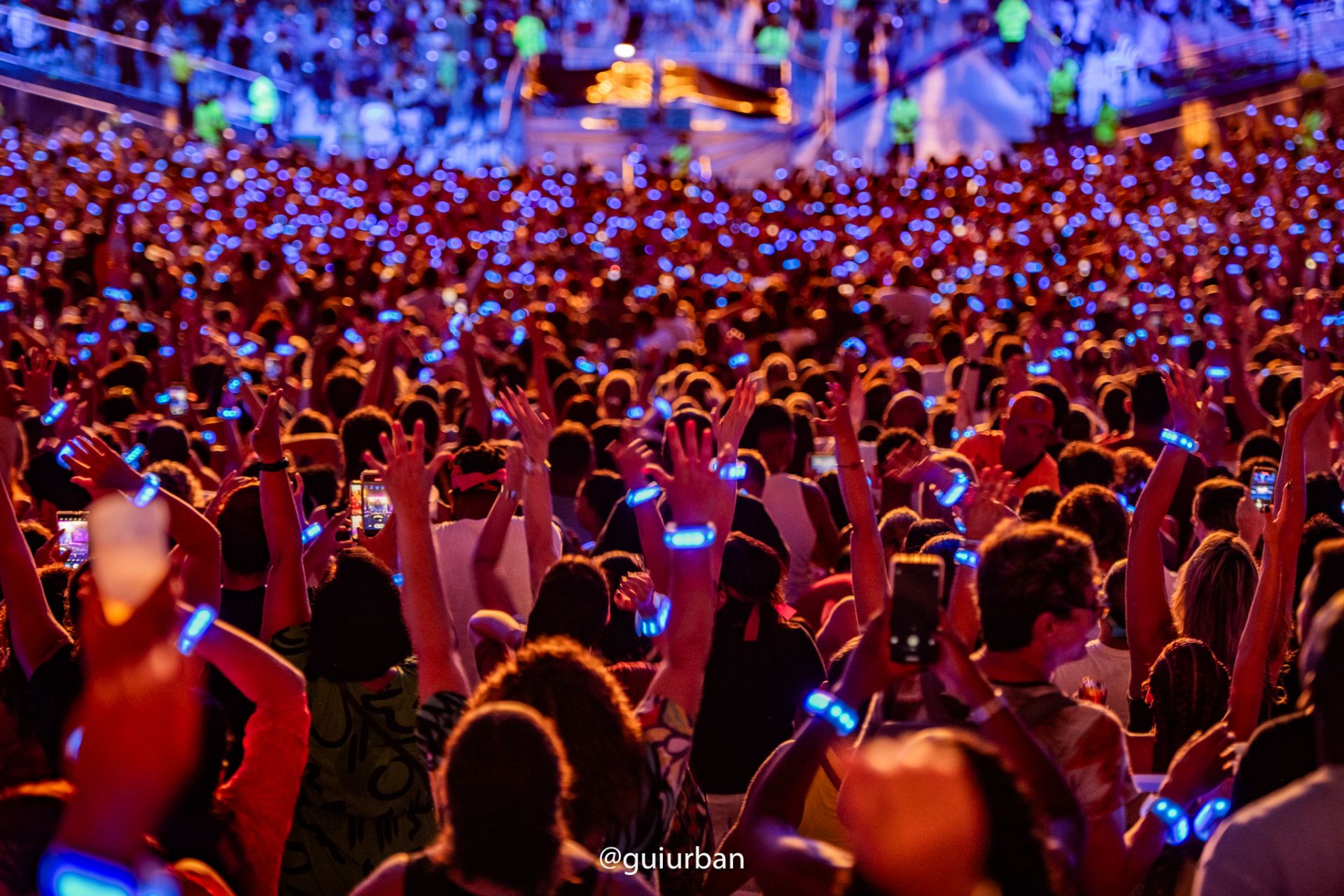
Consider the complex logistics of a major festival or a multi-night arena run like Wizkid’s historic sellout at The O2. The seamless deployment of thousands of LED wristbands, the coordination of local crews, and the management of international freight all depend on a chain of command where instructions are precise, and the end goal is universally understood. The leader’s job is to be the primary source of that clarity, filtering out the noise and focusing the team on what matters most.
Building a High-Trust Ecosystem
Command is not control. In the fluid environment of live events, micromanagement is a recipe for disaster. The most effective leaders build an ecosystem of trust, empowering their teams to execute their roles with autonomy and expertise. This means hiring A-players, providing them with the best tools and resources—be it immersive event technology or robust communication platforms—and then trusting them to deliver.
This culture of trust fosters resilience. When unforeseen challenges arise—a piece of gear fails, a venue presents an unexpected obstacle, or weather disrupts an outdoor setup—a trusted team is empowered to problem-solve on the fly without waiting for top-down approval. They are a network of distributed leaders, each taking ownership of their domain. This is how a production remains agile and robust, capable of weathering the inevitable storms of a live show environment. It’s about creating a structure where the collective intelligence of the team is the primary problem-solving engine.
The Choreography of Decision-Making
In a high-stakes production, a leader must be a master of decision-making under pressure. The process is a choreography in itself: knowing when to be decisive and when to be consultative, when to hold firm and when to pivot. This requires a deep understanding of every facet of the production, from the creative intent to the technical limitations.
Great leaders gather intelligence from their key people—the tour manager, the production designer, the lead engineer—before making a critical call. They create a culture where honest, direct feedback is not just welcomed but required. When it’s time to make the decision, however, they do so with conviction. This decisiveness provides the stability and forward momentum a team craves in high-pressure moments. Whether coordinating radio controlled LED wristbands for a stadium show or managing the intricate lighting cues for a global broadcast, the leader’s steady hand guides the execution.
Leading from the Front, and the Back
Servant Leadership in Action
The paradox of command in creative production is that it is often a form of servant leadership. The leader is there to clear obstacles, secure resources, and protect the team from external pressures so they can do their best work. They absorb the pressure from the artist, the client, or the promoter, acting as a shield for the crew on the ground.
This means ensuring the team has what it needs to succeed, whether that’s the right wearable LED technology to bring a creative vision to life or simply ensuring the catering and transport logistics are flawless to maintain morale on a long tour. By serving the team’s needs, the leader earns the respect and loyalty required to command effectively when the show is on the line.
The Final Act: Fostering a Culture of Excellence
Ultimately, the discipline of command is about cultivating a culture where excellence is the baseline. It’s about setting a standard of professionalism and preparation that permeates every level of the organization. It’s in the way gear is packed, the way cues are called, and the way the audience experience is meticulously planned.
From the first production meeting to the final load-out, a great leader instills a sense of shared purpose and collective responsibility. They understand that the spectacular moments that define LED crowd experiences—the perfectly timed light show, the flawless audio, the wave of unified energy across a stadium—are not accidents. They are the product of a disciplined, well-led team executing a shared vision with precision and passion. In the world of high-stakes production, this discipline of command is the true, unseen art form.