The Empathy Algorithm: Decoding the Psychology of Audience Engagement
The Architecture of Belonging
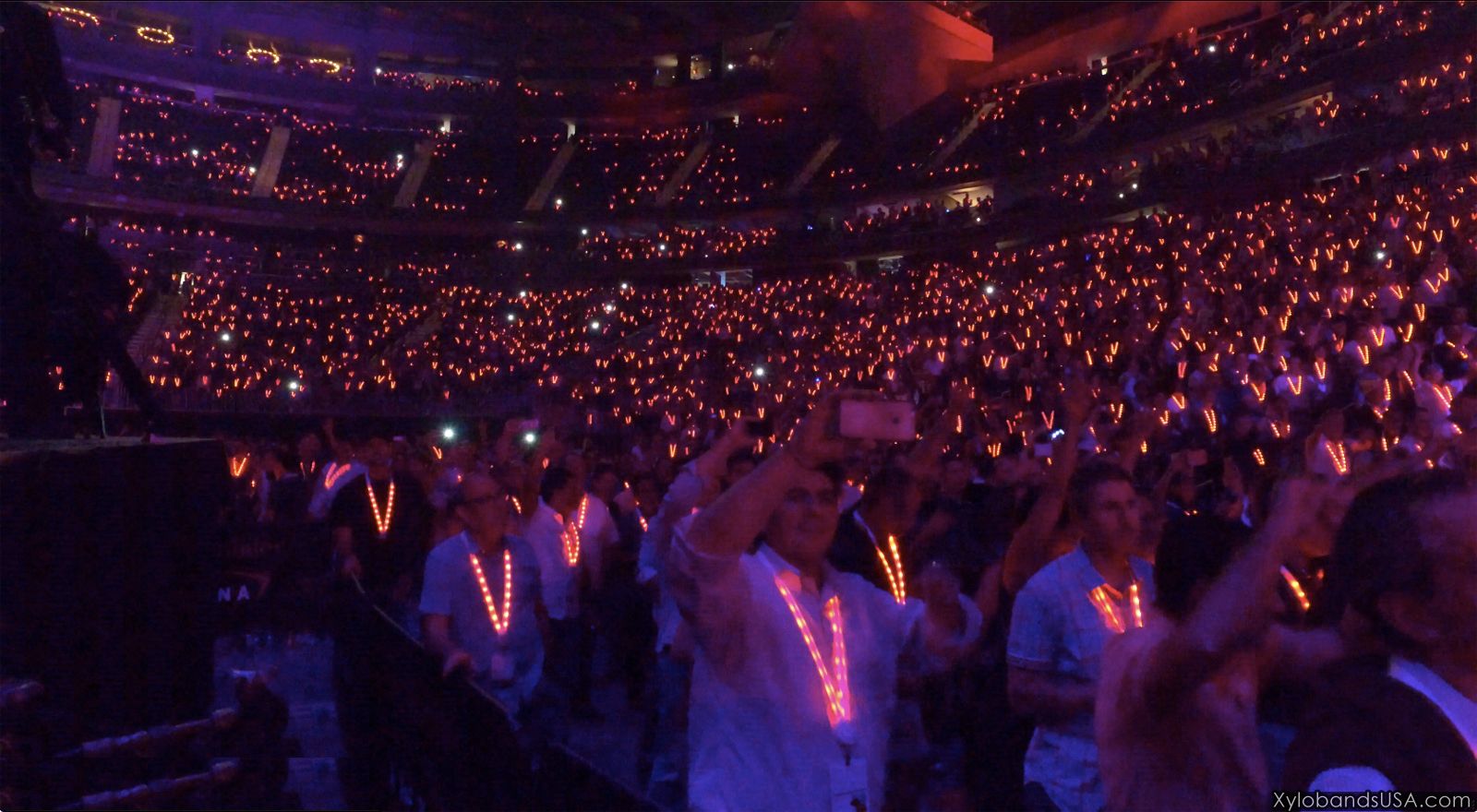
An arena darkens. A low hum of anticipation ripples through twenty thousand people. For a moment, they are simply a crowd—a collection of strangers. Then, a single guitar chord strikes, and in the same instant, twenty thousand wrists ignite with synchronized light. The gasp is audible. The collection of individuals dissolves, replaced by a single, living, breathing organism of light and sound. This is not just a special effect; it’s a powerful act of psychological alchemy.
At its core, a large-scale live event is an exercise in applied psychology. Producers and artists are not just managing logistics and performance; they are crafting an environment designed to elicit specific emotional responses: joy, unity, catharsis, and awe. The fundamental human need to belong is the engine of the live experience. We are wired for connection, and the feeling of being part of a group—sharing a moment with thousands of others—is a potent emotional catalyst. Technology’s role is to amplify this innate human desire, transforming a passive audience into an active, unified participant.
From Passive Observers to Active Participants
Historically, the audience’s role was to watch. From the grandstands of ancient amphitheatres to the velvet seats of Victorian music halls, the line between performer and spectator was absolute. The 20th century blurred that line, first with lighters held aloft at rock concerts, then with the glow of mobile phone screens. Each was a spontaneous, analogue attempt by the audience to signal their presence and participate in the spectacle.
This impulse reveals a deep-seated psychological principle: the desire for agency. People don't just want to consume entertainment; they want to be part of its creation. Modern immersive event technology harnesses this impulse with intention and precision. When an entire stadium is lit with radio controlled LED wristbands that pulse in time with a drum solo or change colour with a chorus, each person is given a role. They are no longer just watching the show; they are the show. Their physical presence is now a pixel in a vast, human canvas.
The Psychology of Synchrony and Mirroring
Why is this shared experience so powerful? The answer lies in the concept of neural coupling and motor mimicry. When we witness an action, our brains often fire in the same way as if we were performing the action ourselves. When we see thousands of others around us reacting in the same way, at the same time, this effect is magnified exponentially.
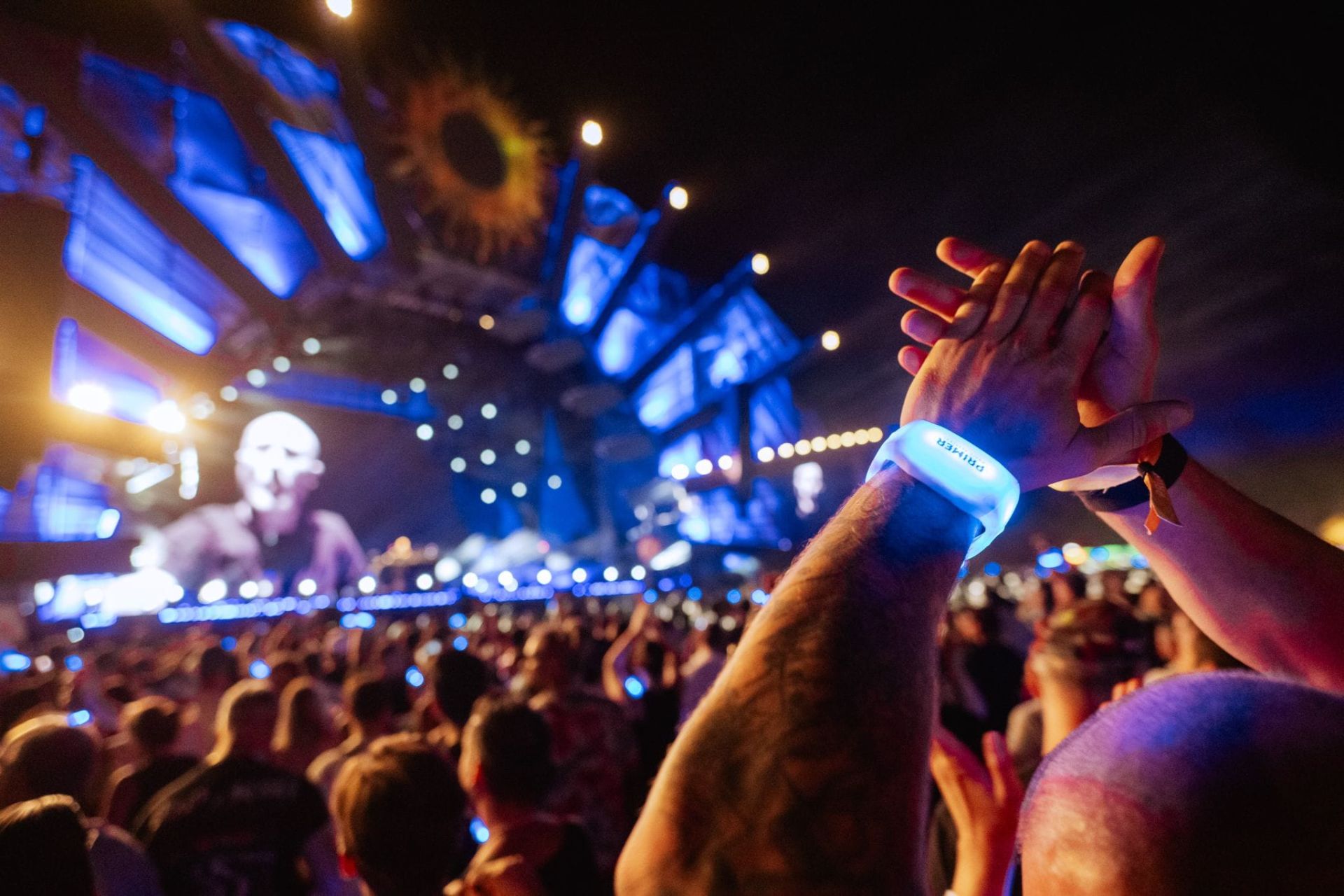
Synchronized light and sound tap directly into this phenomenon. Consider the experience of 54,000 fans at Maluma’s landmark “Medellín En El Mapa” concert, or the tens of thousands at Greece’s PRIMER Music Festival. As their LED wristbands flash in unison, a powerful, non-verbal message is sent: “We are all in this together.”
This synchronized activity triggers a cascade of positive neurochemical responses, fostering feelings of empathy, trust, and collective identity. It’s an "empathy algorithm" written in light, creating a feedback loop where the energy of the crowd fuels the performer, and the performer’s energy, in turn, ignites the crowd.
This is the magic that transforms a concert from a performance into a communion. The technology of Xylobands serves as the conductor for this mass psychological orchestra, ensuring every single member of the audience is playing in perfect harmony.
Deepening the Narrative: Light as a Storytelling Tool
Beyond simple synchrony, light is a fundamental storytelling tool. Colour theory in itself is a powerful psychological shortcut. Red ignites feelings of passion and energy; blue evokes calm or melancholy; gold can create a sense of triumph and celebration. In the hands of a skilled lighting designer, LED experiences become a narrative device, guiding the audience’s emotional journey throughout a performance.
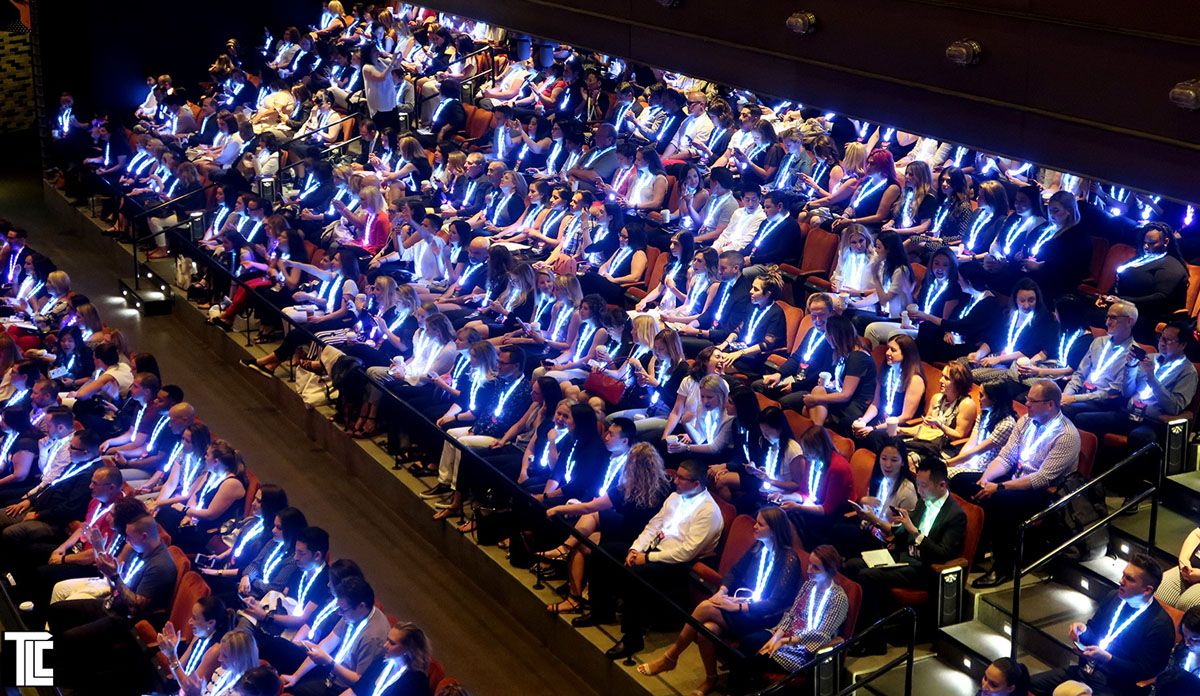
At events like the Formula One 75th-anniversary celebration, custom LED lanyards (the Xylo Pendant) were used to segment the audience, creating dynamic visual effects that corresponded to different teams or seating sections. This adds another layer to the psychological experience—not only a sense of overall unity but also of playful tribal identity within the larger group. For corporate events, this can be a profoundly effective tool for brand reinforcement, turning attendees into glowing ambassadors for a shared message.
Whether deploying concert wristbands for a global music tour or engineering bespoke corporate event activations, the goal remains the same: to make the audience feel seen, valued, and integral to the story unfolding around them. This is the new frontier of audience engagement—a seamless blend of human psychology and immersive event technology that creates moments of unforgettable collective joy.
The next time you find yourself in a sea of light at a concert, festival, or global broadcast, know that you are part of a masterfully designed psychological experience. You are not just a spectator. You are a participant in a fleeting, beautiful, and powerful act of shared humanity, connected to every other person in the room by an invisible thread woven from light, sound, and the timeless need to belong.