The Empathy Wave: The Hidden Psychology of Audience Connection
The Phenomenon of the Unified Audience
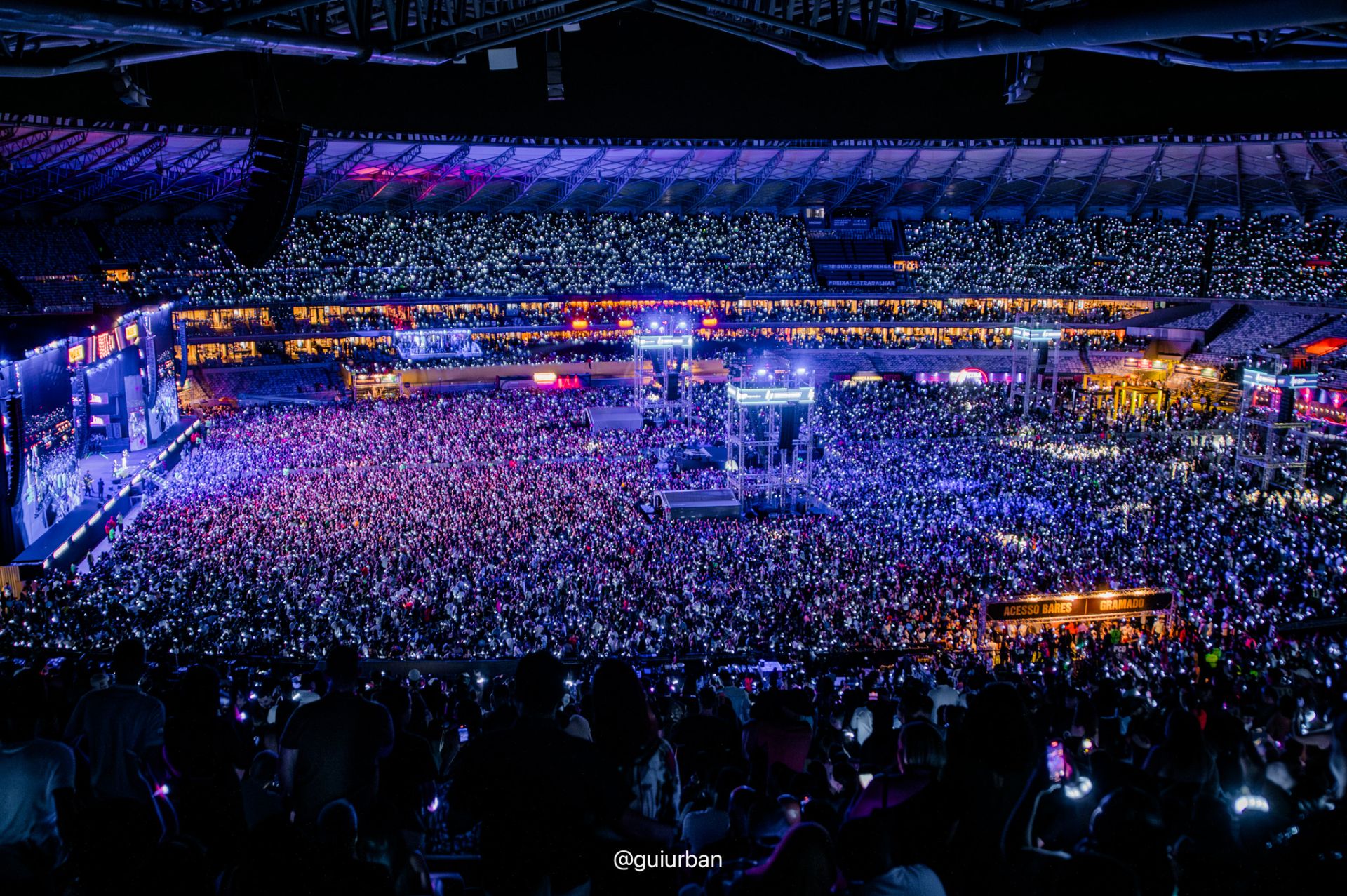
Watch any footage from a major global music tour or sporting event, and you’ll witness a fascinating human phenomenon. Tens of thousands of strangers, packed into a stadium, moving and reacting as one. They are not just spectators; they are a single, living entity, breathing and pulsing with the rhythm of the performance. This is more than simple enjoyment. It’s a deep, psychological connection — an empathy wave that washes over the crowd, dissolving individual barriers and creating a profound sense of unity. But what drives this powerful transformation from individual to collective?
At its core, the experience is driven by a fundamental human need for belonging. Psychologically, large-scale events tap into our primal desire to be part of a tribe. In this temporary community, the shared focus on the artist, the team, or the spectacle itself creates a powerful in-group identity. This shared experience is amplified by a concept known as "collective effervescence," a term coined by sociologist Émile Durkheim to describe the perceived energy and euphoria that arises from group participation in rituals and ceremonies.
From Passive Observers to Active Participants
For decades, the tools of audience participation were analog and spontaneous: the flicker of lighters during a ballad, a stadium-wide Mexican wave, a unified chant. These were powerful moments, but they were largely organic and uncontrolled. The modern era of immersive event technology has fundamentally altered this dynamic, giving artists and producers the tools to not just encourage participation, but to choreograph it with precision and artistry.
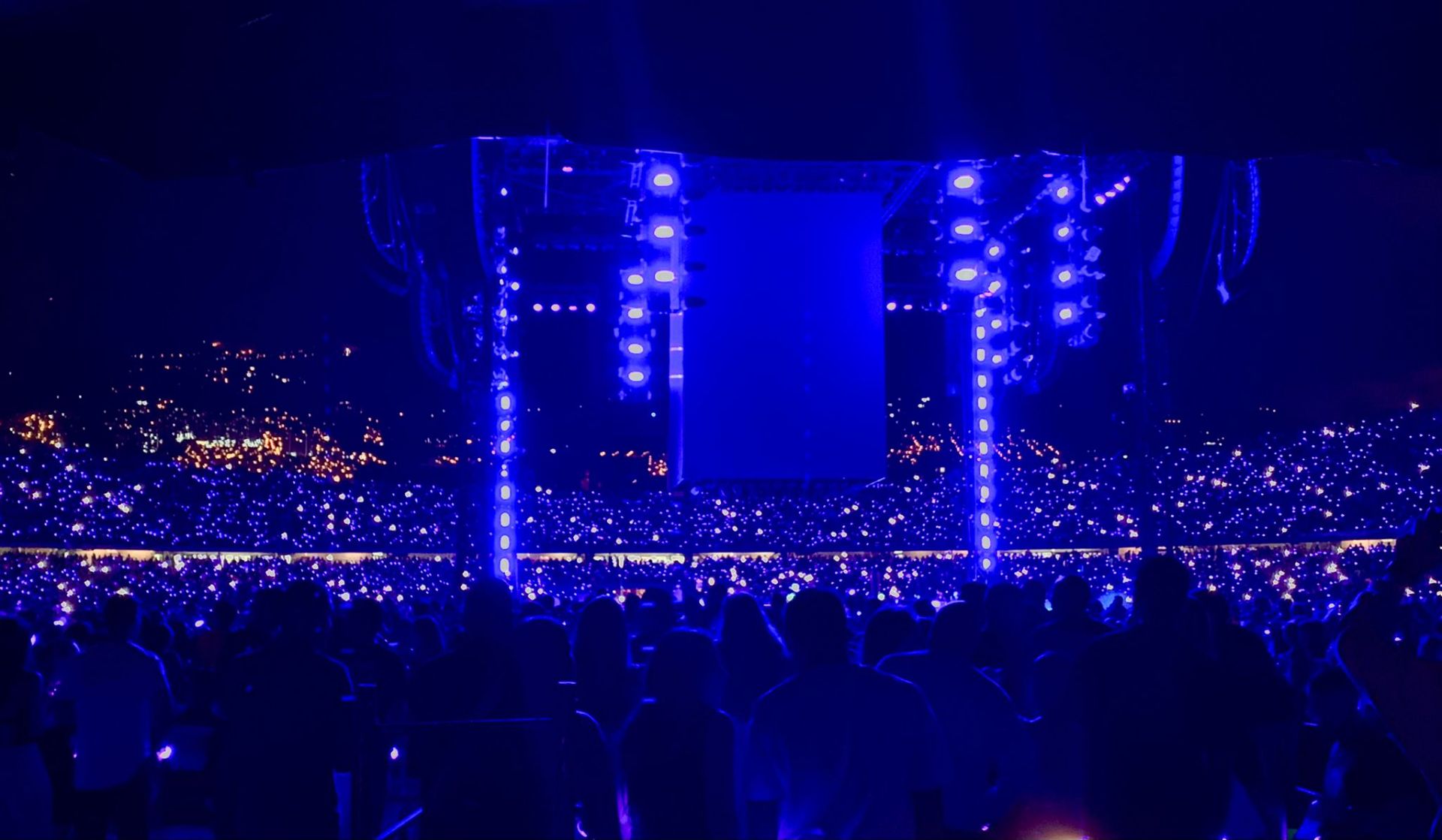
This is where the genius of technologies like Xylobands comes into play. By giving every audience member a wearable device that can be controlled in real-time, you transform a passive crowd into an active canvas. The psychology shifts. An individual is no longer just watching the show; they are the show. Their wristband, synchronized with thousands of others, becomes a pixel in a grand, moving mosaic of light. This visual affirmation of their participation deepens their sense of agency and belonging. The light on their wrist is a tangible link to the person next to them, the artist on stage, and the entire collective.
Choreographing Emotion with Light and Sound
The true power of this technology lies in its ability to guide and amplify the emotional arc of a performance. Think of a concert not as a series of songs, but as a journey through emotional states. A sudden blackout punctuated by a single colour sweeping across the arena can create a moment of breathtaking suspense. A pulsing, multi-coloured strobe effect during a high-energy anthem can magnify the collective euphoria. It’s a form of mass non-verbal communication.
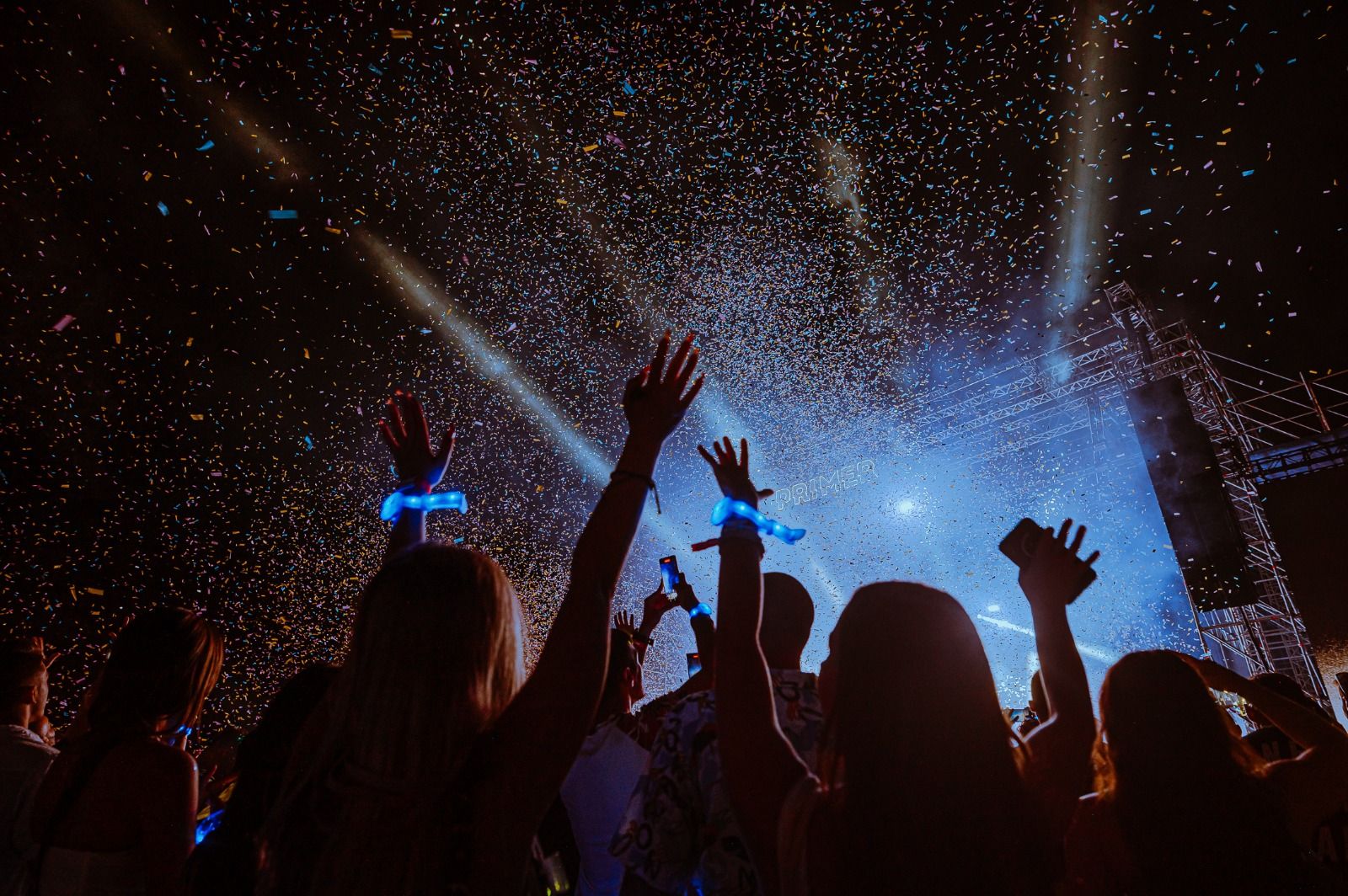
Consider the historic "Made in Lagos" tour by Wizkid, where our LED Bands lit up The O2 Arena for three sold-out nights. The technology didn’t just add to the spectacle; it reinforced the monumental nature of the event, visibly uniting every fan in a shared celebration of a cultural milestone. Or look at how Custom LED Wristbands are used at events like Greece’s PRIMER Music Festival, where the ebb and flow of electronic music is mirrored in the synchronized light of the crowd, turning a field of individuals into a single, pulsating organism. These LED crowd experiences are a testament to how technology can serve the deeply human need for connection.
“The individual is no longer just watching the show; they are the show. Their wristband... is a tangible link to the person next to them, the artist on stage, and the entire collective.”
The Neurological Response to Shared Experience
The impact is not just psychological; it’s neurological. When we experience something novel and exciting in a group, our brains release a cocktail of neurochemicals, including dopamine (associated with pleasure and reward) and oxytocin (often called the "bonding hormone"). When thousands of people see their Concert Wristbands light up in perfect sync with a musical crescendo, it triggers a collective reward response. This shared neurological event strengthens the emotional bonds between attendees and cements the memory of the experience.
This is why moments powered by immersive events feel so memorable and significant. They are engineered to maximize our capacity for shared joy and wonder. From the grand opening ceremonies of global sporting events like the Davis Cup to the high-stakes brand showcases for Formula One, the goal is the same: to create a moment so compelling that it transcends the individual and creates a lasting collective memory.
The Future of Collective Engagement
As event technology continues to evolve, the opportunities to deepen this psychological engagement will only grow. We are moving beyond simple colour changes to more intricate and interactive experiences. Imagine a future where the crowd’s energy, measured through motion and sound, directly influences the lighting and visual effects in real time. The audience doesn’t just respond to the show; the show responds to the audience.
Ultimately, the psychology of audience engagement is the psychology of human connection. The most successful large-scale events are those that recognize this fundamental truth. They use every tool at their disposal — from stagecraft and sound design to wearable LED technology — not just to entertain, but to unite. By turning a crowd of thousands into a single, connected entity, they create more than a show; they create a shared memory, a fleeting tribe, and an empathy wave that attendees will carry with them long after the lights go down.