The Human Canvas: Painting with Light, Sound, and Emotion
From Spectator to Participant: The New Psychology of Live Events
At its core, every live event is an exercise in applied psychology. Event producers, tour managers, and brand marketers are not just coordinating logistics; they are architecting emotion. The goal is to guide thousands of individuals from a state of passive observation to one of active, collective participation. It’s a transformation that hinges on understanding the deep-seated human needs for belonging, purpose, and sensory catharsis. In this new era of immersive events, technology is not a replacement for these needs, but a powerful new tool for fulfilling them.
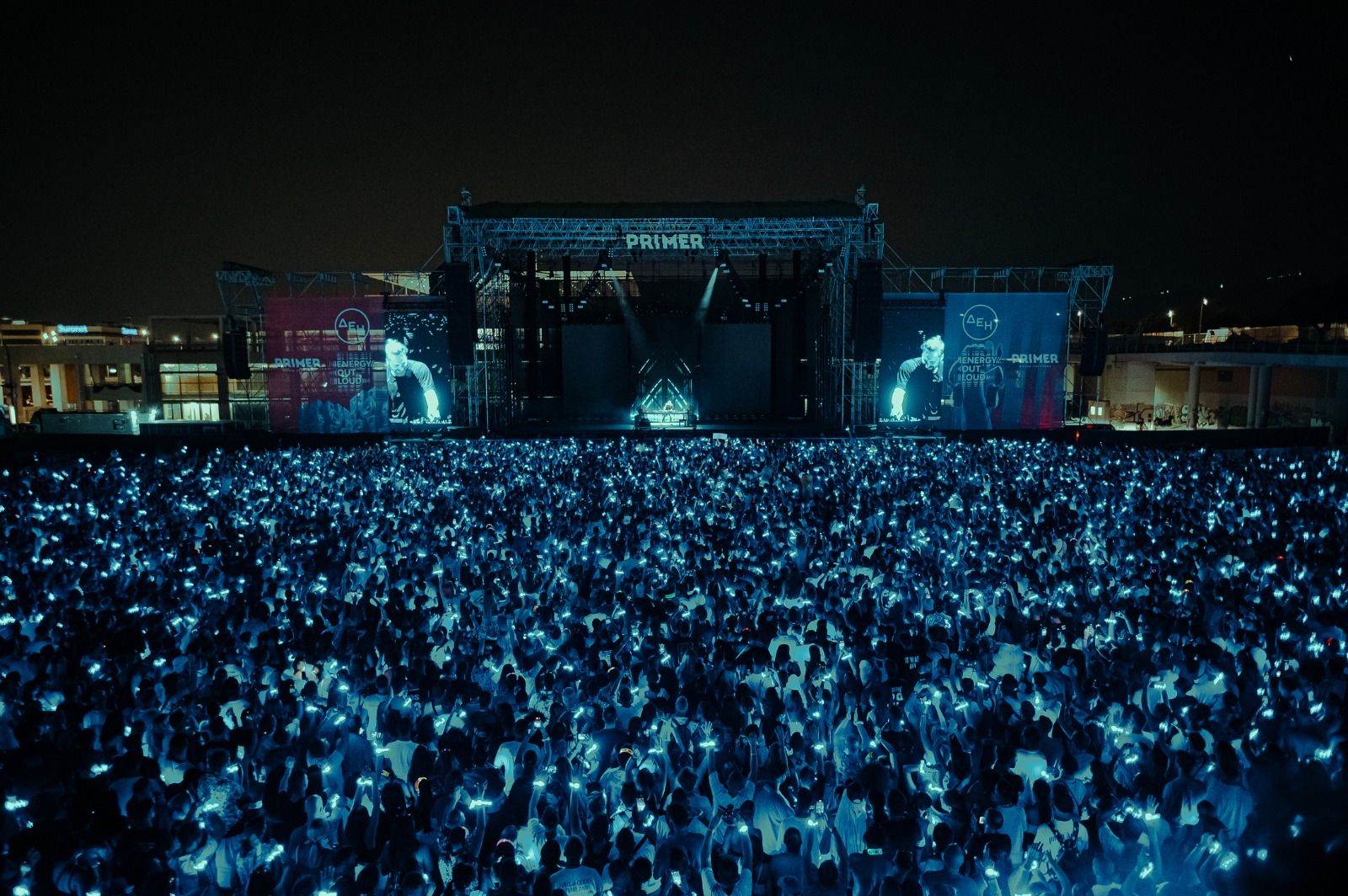
The traditional model of a performer on stage and a crowd in the dark is dissolving. Today, the audience is becoming the venue. Their collective energy, their reactions, and their physical presence are now integral components of the show itself. This shift requires a new way of thinking, one that views the audience not as a collection of individual ticket-holders, but as a single, dynamic, and responsive organism.
The Science of Collective Effervescence
Sociologist Émile Durkheim coined the term “collective effervescence” to describe the intense feeling of shared identity and purpose that can emerge in a group setting. It’s the spine-tingling sensation when a stadium of 50,000 people sings a chorus in unison, the electric unity at a music festival, or the focused silence during a keynote address. This isn’t just a fleeting emotion; it’s a powerful psychological state with tangible effects.
When individuals become part of a cohesive group, their sense of self expands. The boundary between “me” and “us” blurs, leading to heightened emotional states and a profound sense of connection. This phenomenon is amplified by sensory input. Synchronized sound, light, and movement act as powerful cues, aligning the emotional and physiological states of everyone present. It’s why a perfectly timed lighting effect can feel just as impactful as a musical crescendo—it’s a shared sensory stimulus that reinforces the collective experience.
"We often talk about creating a 'vibe,' but what we're really doing is cultivating the conditions for collective effervescence. Every decision, from the walk-in playlist to the encore, is about synchronizing the emotional state of the audience."
Painting with Light: The Role of Immersive Event Technology
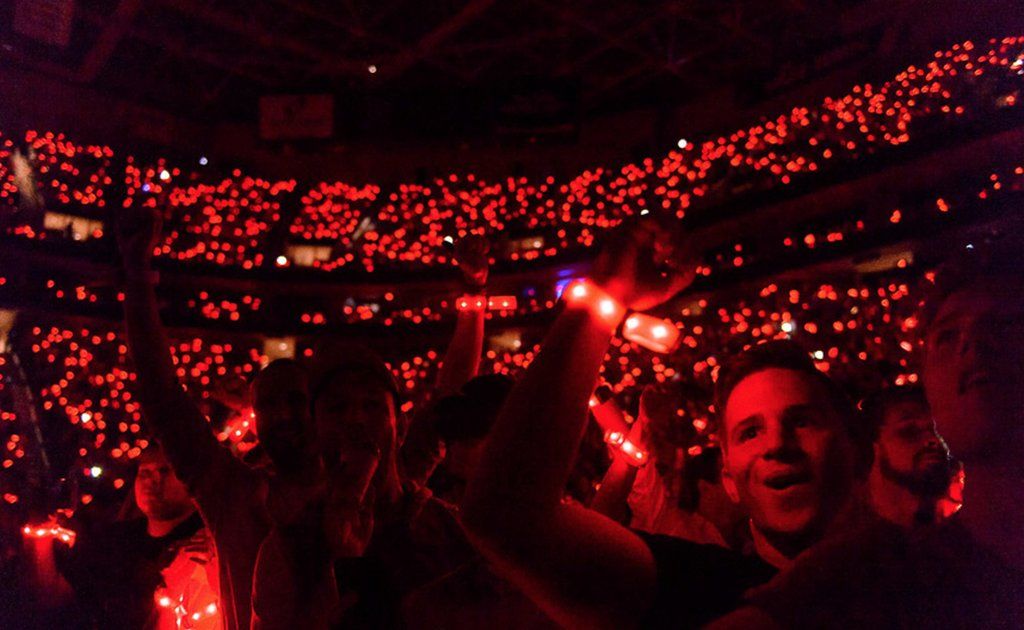
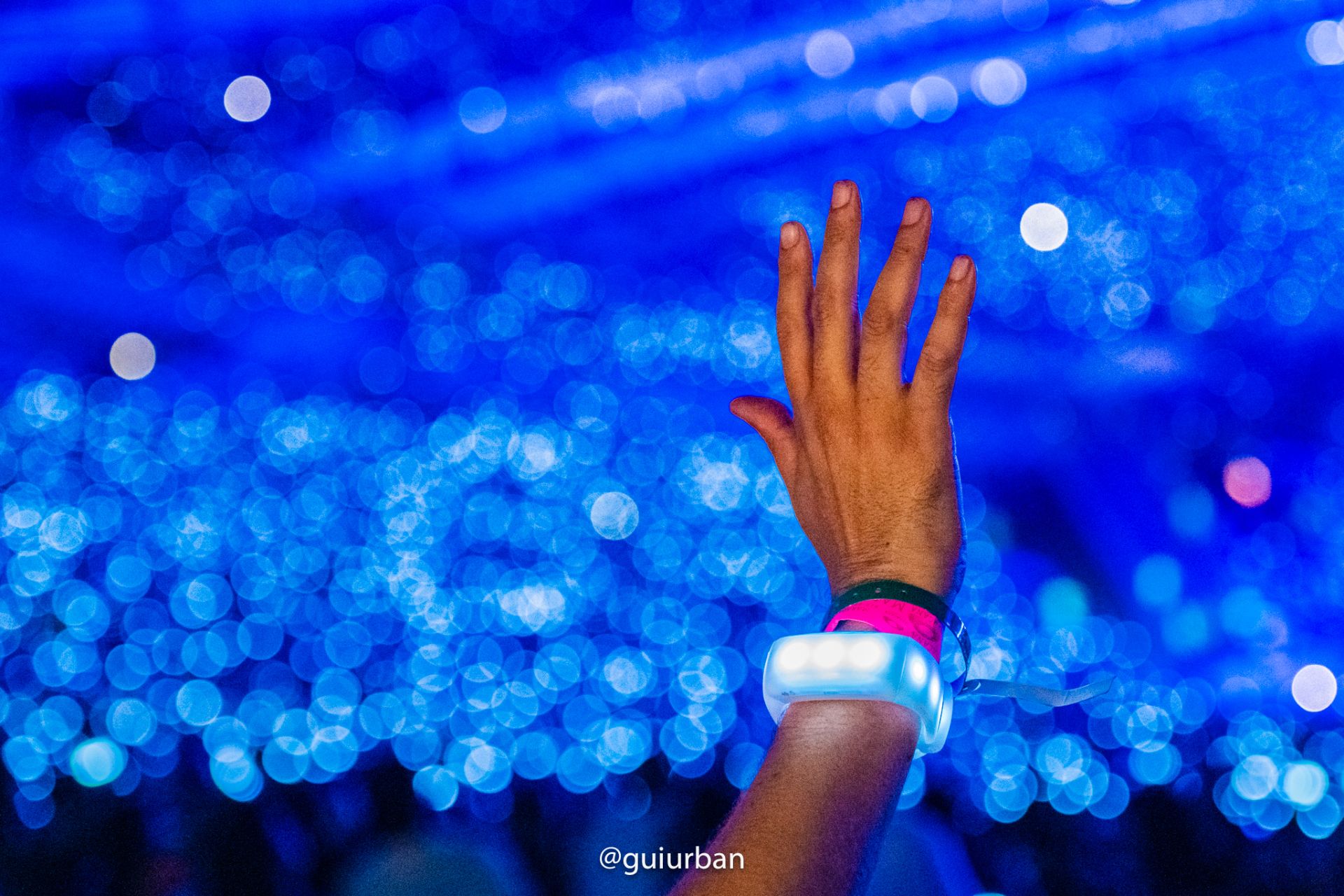
This is where modern immersive event technology becomes a game-changer. Tools like radio controlled LED wristbands and other LED wearables are no longer just novelties; they are sophisticated instruments for conducting audience psychology. By turning each attendee into a pixel in a larger visual canvas, we can make the experience of collective effervescence tangible and visible.
Consider the impact on a massive scale. At Maluma’s historic 2022 concert in Medellín, a crowd of 54,000 was transformed into a pulsating light show, their Xylobands syncing not only with the music but with the energy of a hometown hero’s landmark performance. This wasn’t just a gimmick; it was a visual representation of their shared pride and excitement, broadcast live to over 240 countries. The light became a medium for expressing an emotion that was already present, amplifying it and reflecting it back at an immense scale.
Key Psychological Drivers Activated by Light:
- Agency and Participation: When an attendee’s wristband lights up in response to a specific musical cue or a call from the artist, it creates a direct, personal link to the performance. They are no longer just watching the show; they are in it. This sense of agency is a powerful motivator for engagement.
- Mirrored Response: Seeing thousands of other lights flash in unison with your own provides powerful social proof. It validates your own emotional response and reinforces the feeling of being part of something larger than yourself. This is the visual equivalent of hearing a crowd roar.
- Anticipation and Reward: The brain’s reward circuits are highly attuned to patterns and anticipation. The strategic use of light—building tension with slow fades, releasing it with explosive flashes—taps directly into these neural pathways, making the experience more compelling and memorable.
Beyond the Concert: Corporate and Broadcast Applications
These principles are not limited to music festivals or stadium tours. The world of corporate event activations is undergoing a similar transformation. Forward-thinking brands understand that building loyalty is about creating shared experiences, not just delivering information. Turning attendees at a product launch or a corporate summit into a unified light show, using custom LED lanyards or bracelets, can instantly break down social barriers and foster a sense of team identity. It transforms a standard corporate gathering into a memorable, communal event.
Similarly, for live broadcasts like those produced by our partners at ITV, LED event technology helps bridge the gap between the studio audience and the millions watching at home. The light show becomes a key part of the broadcast aesthetic, making the televised event feel more dynamic and alive. It provides a visual language that communicates excitement and engagement to the viewer at home, making them feel more connected to the live experience.
The Future is a Shared Experience
The fundamental human need to connect and share experiences is timeless. What has changed is our ability to facilitate and amplify that connection on an unprecedented scale. As we continue to develop more sophisticated tools, from concert wristbands to intelligent LED orbs, the potential to architect awe-inspiring, emotionally resonant moments will only grow.
The ultimate goal remains the same: to dissolve the barriers that separate us, to synchronize our senses, and to create moments of collective effervescence that linger long after the lights go down. By understanding the psychology that drives engagement, we can move beyond simply entertaining a crowd and begin to create a truly unified human canvas.