The Human Canvas: The Psychology of Participation in Live Events
The Human Canvas: The Psychology of Participation in Live Events
What transforms a gathering of thousands of individuals into a single, unified entity? At the heart of every memorable large-scale event—from a sold-out stadium concert to a global brand launch—lies a deep understanding of human psychology. Event producers, tour managers, and brand marketers are not just coordinating logistics; they are architects of experience, using sophisticated tools to tap into fundamental drivers of human connection. The goal is no longer passive consumption but active participation, turning the audience itself into a canvas for the extraordinary.
From Spectator to Participant: The Need to Belong
At its core, a large-scale event is a temporary community. Humans are hardwired to seek connection and belonging. In a crowd of thousands, this instinct is amplified. The feeling of being part of something larger than oneself—singing along with 50,000 others, cheering in unison, or being immersed in a shared sensory experience—triggers a powerful psychological response. It validates our identity as fans, as members of a tribe, and fosters a sense of unity that is increasingly rare in a fragmented digital world.
This is the space where corporate event activations and music festivals find common ground. Whether it’s for a product launch or a festival’s headline act, the objective is the same: to break down the barriers between the performer and the audience, and between individual audience members. By designing moments that encourage collective participation, we create shared memories that are far more potent and lasting than simple observation.
Synchronicity and Entrainment: The Rhythm of Unity
The concept of "entrainment" describes how our brains have a tendency to synchronise with external rhythms. It’s why we instinctively tap our feet to a beat or find ourselves swaying in time with a crowd. Live events leverage this phenomenon to create powerful, unifying moments. When thousands of people are moving, chanting, or lighting up in unison, it creates a feedback loop of collective energy.
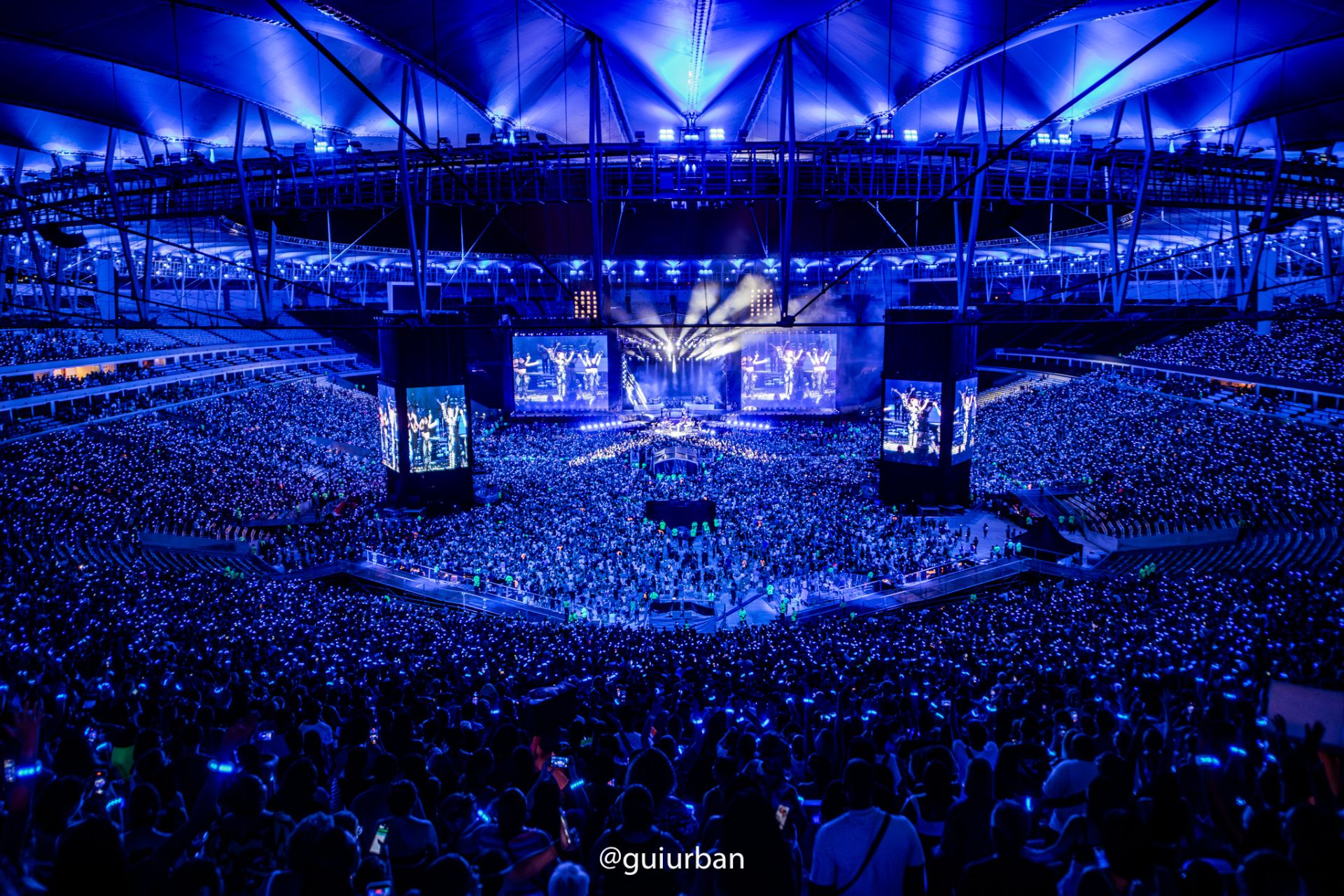
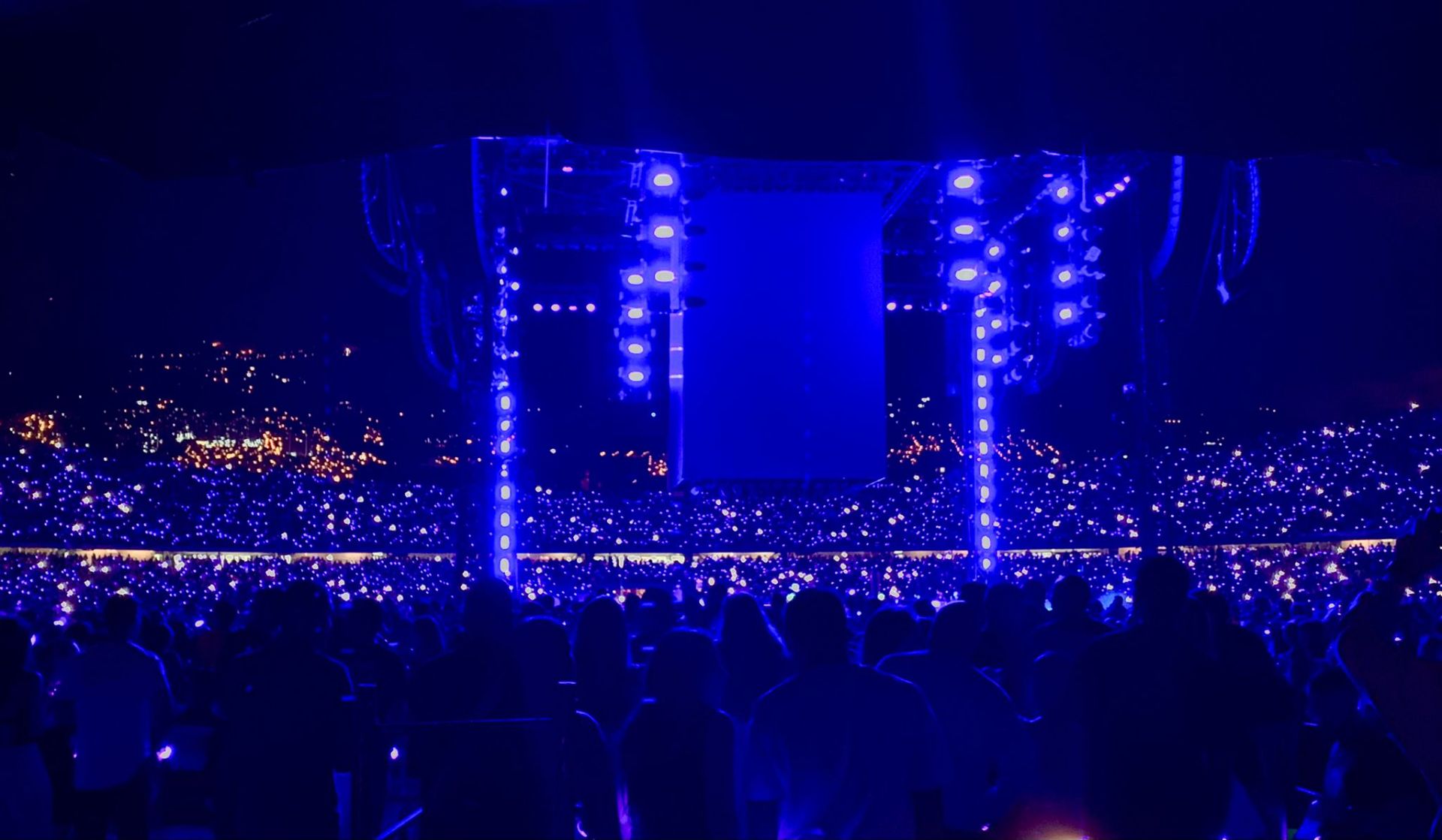
This is where immersive event technology like Xylobands becomes transformative. By using radio controlled LED wristbands, a creative team can choreograph the entire audience, turning them into a vast, pulsating light show. Suddenly, each individual is a pixel in a larger masterpiece. This isn’t just a visual effect; it’s a psychological one. It provides a tangible, visible representation of the group’s collective identity and shared emotional state.
“The inspiration for Xylobands came from a moment of pure empathy at a Coldplay concert. I imagined the crowd not just watching the show, but becoming the show. That shift from passive to active is the key to unlocking truly profound shared experiences.”
The Art of Immersion: Engaging All Senses
To truly captivate an audience, an event must be a sensory feast. While sight and sound are the traditional pillars of live production, true immersion engages on multiple levels. The temperature, the vibrations from the subwoofers, the strategic use of darkness and light—all contribute to a multi-sensory tapestry that deepens the audience’s engagement and emotional investment.
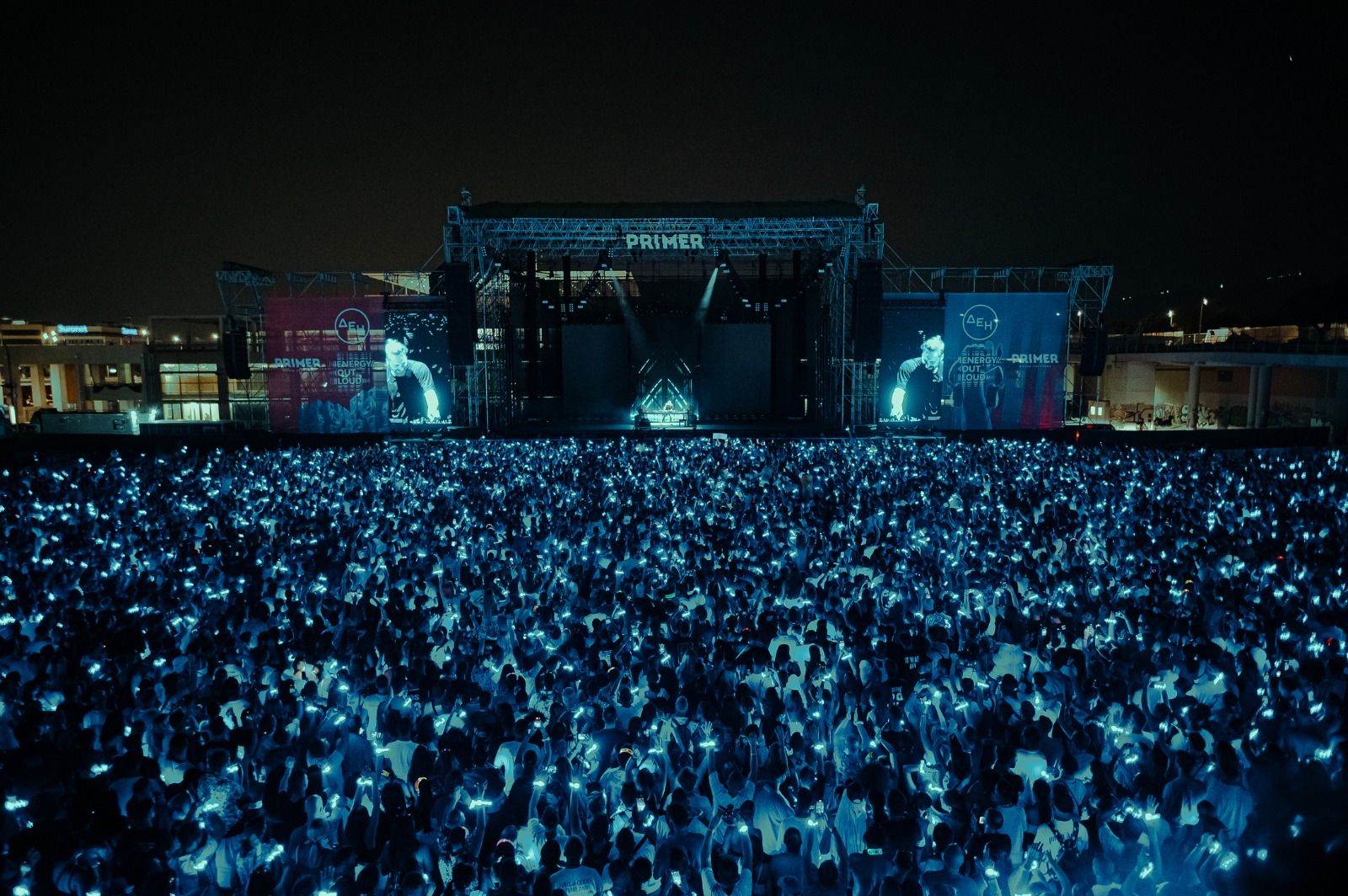
Modern LED crowd experiences are a prime example of this principle in action. A simple wristband or lanyard becomes a conduit for a much larger idea. When tens of thousands of festival wristbands ignite in perfect synchronisation with a musical drop, as seen at events like Greece’s PRIMER Music Festival, the effect is electric. It’s a moment of shared awe, a collective gasp that binds everyone present. It’s the visual translation of the music’s emotional arc, painted across a human canvas. This wearable LED technology makes every audience member an integral part of the spectacle, from arena tours with artists like Wizkid and Maluma to massive broadcast events like Formula One’s 75th-anniversary show.
Designing for Agency: Giving the Crowd a Role
The most sophisticated event designs give the audience a sense of agency. They feel they are not just being acted upon, but are co-creating the experience. This can be achieved through interactive voting, call-and-response, or technologies that react to the crowd’s movement and energy.
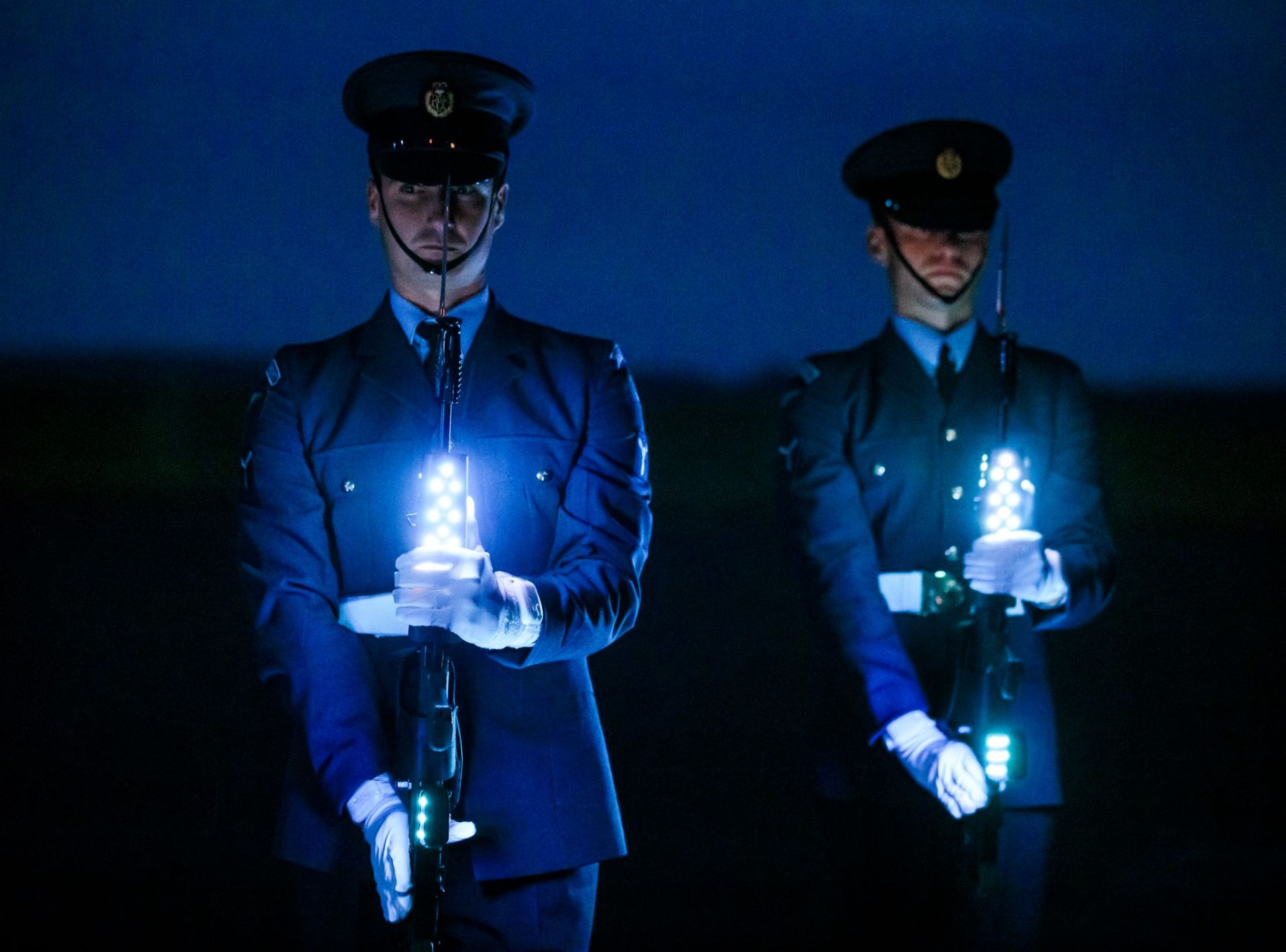
Using custom LED wristbands or LED lanyards allows for sophisticated segmentation and interaction. Imagine a stadium divided into team colors for a sports event like the Davis Cup, or a corporate conference where different groups light up during specific breakout sessions. At the Formula One 75 celebration, custom pendants were used to distinguish between teams and hospitality levels, allowing show designers to create dynamic, targeted effects that gave every single fan a unique role in the live broadcast.
This approach transforms the audience from a passive receptacle of content into an active, dynamic element of the event itself. This sense of participation is incredibly sticky. It builds brand loyalty, deepens artist-fan connections, and turns a one-night event into a lifelong memory.
Conclusion: The New Era of Audience Engagement
The psychology of audience engagement is not about manipulation; it is about facilitation. It’s about creating the conditions for human connection to flourish on a massive scale. As event producers and creatives, our role is to understand the deep-seated needs for belonging, synchronicity, and participation. By thoughtfully integrating strategy and technology, we can do more than just put on a show. We can create a living, breathing work of art, painted with light and emotion, across the vast and beautiful canvas of the human audience.