The Human Canvas: The Psychology of Audience Engagement
From Spectator to Spectacle: The Psychology of Collective Effervescence
What is it that transforms a crowd of thousands from a collection of individuals into a single, living, breathing entity? It’s a phenomenon that seasoned event producers and tour managers have witnessed countless times: a stadium roaring in unison, a festival field moving as one, a corporate arena alight with shared purpose. This powerful sense of unity, what sociologist Émile Durkheim termed “collective effervescence,” is the holy grail of live experiences. It’s the moment when personal identity momentarily dissolves into a larger, collective consciousness, creating memories that last a lifetime. But it isn’t magic—it’s psychology.
At its core, the live event is a ritual. Like all rituals, it draws power from shared focus and synchronised action. When tens of thousands of people are focused on the same stage, singing the same lyrics, or moving to the same beat, their individual emotional states begin to align. This synchrony is a profound psychological trigger. Neuroscience suggests that coordinated activities, from chanting to dancing, can stimulate the brain’s reward systems, fostering feelings of affiliation and belonging. The crowd ceases to be a passive observer and becomes an active participant—a human canvas for a shared story.
The Primal Power of Light and Rhythm
Since the dawn of humanity, fire has been a focal point for community. It provided warmth, safety, and a central point for storytelling and social bonding. In the modern era of large-scale events, this primal instinct remains. We’ve simply replaced the communal bonfire with something far more dynamic and scalable: immersive light.
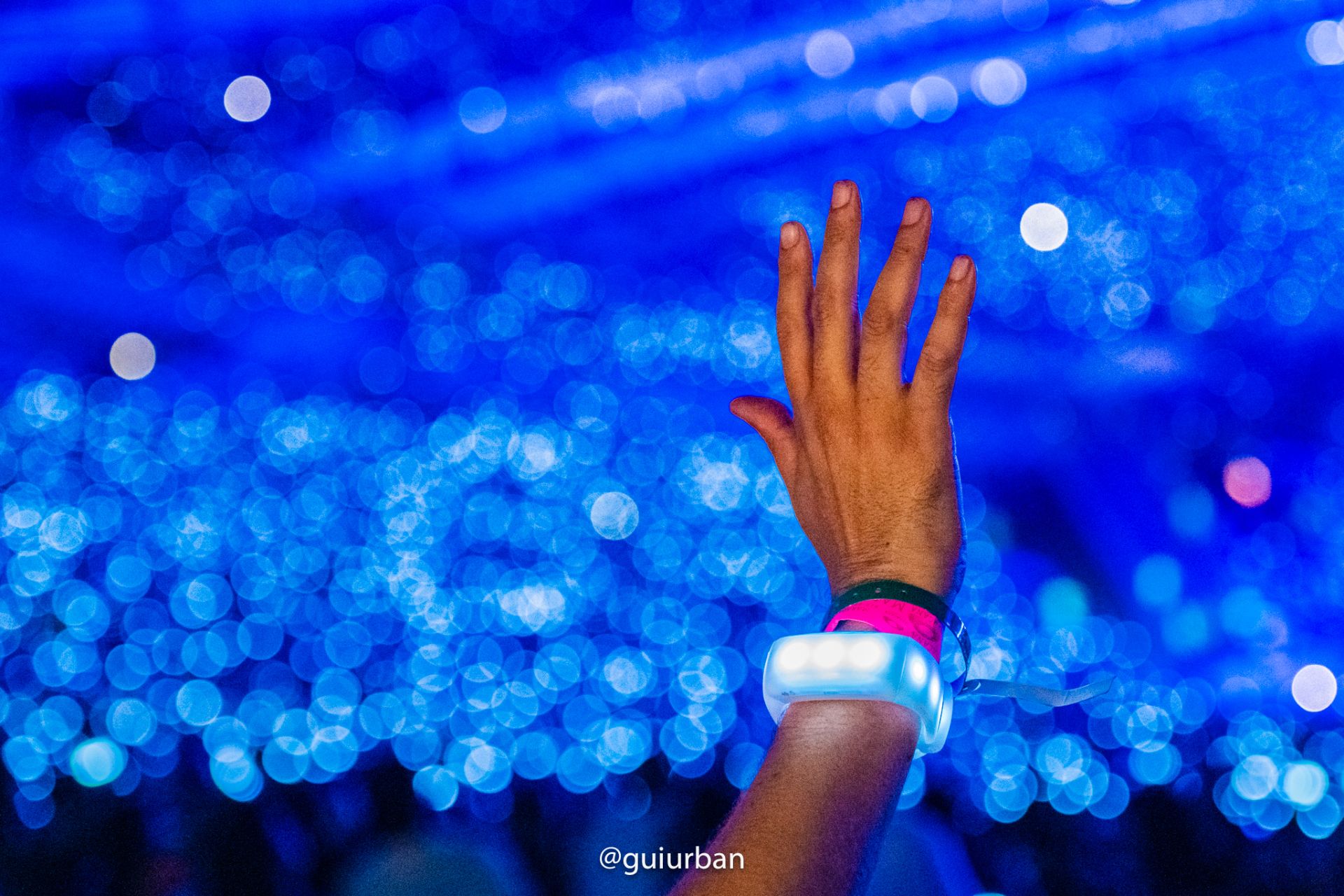
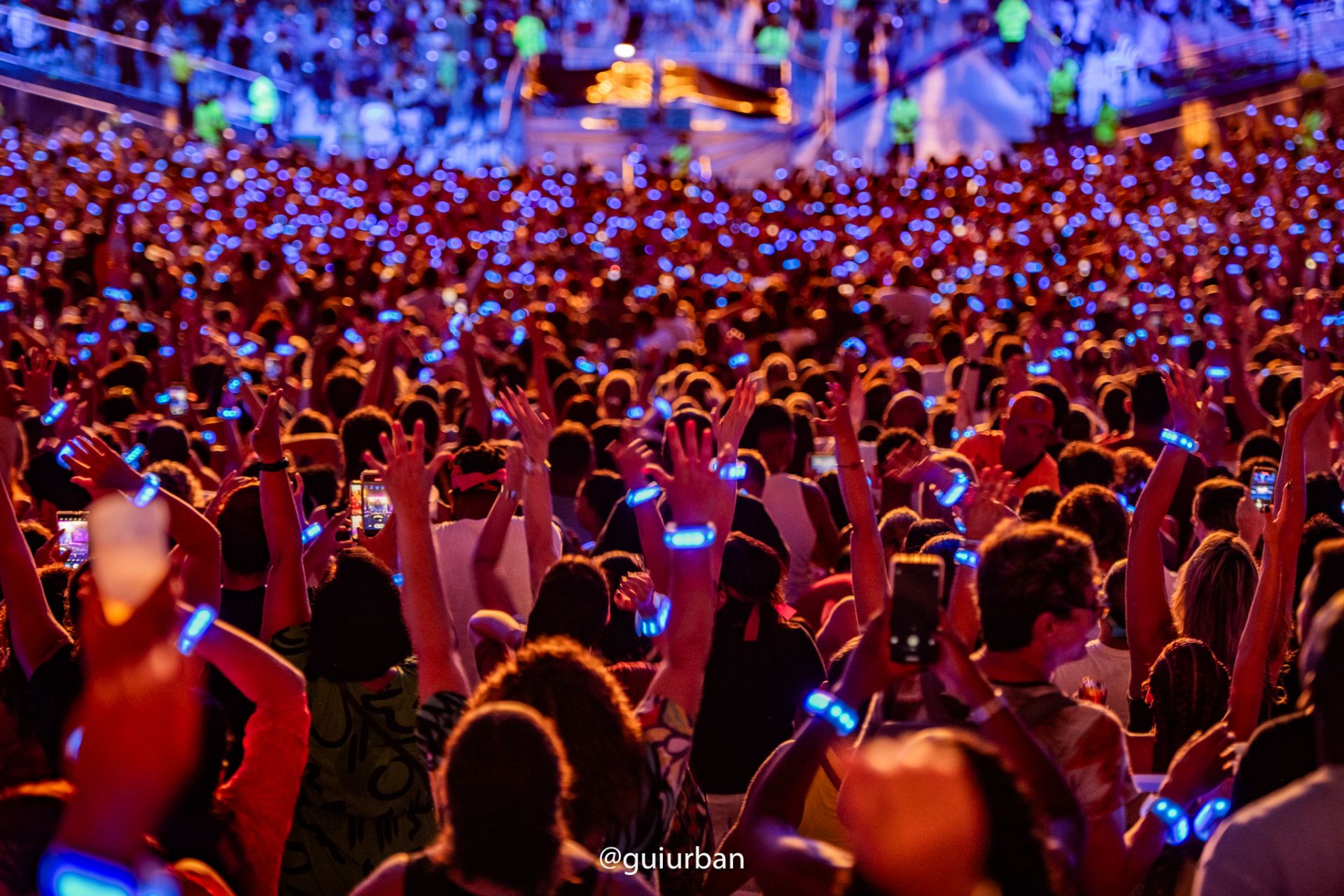
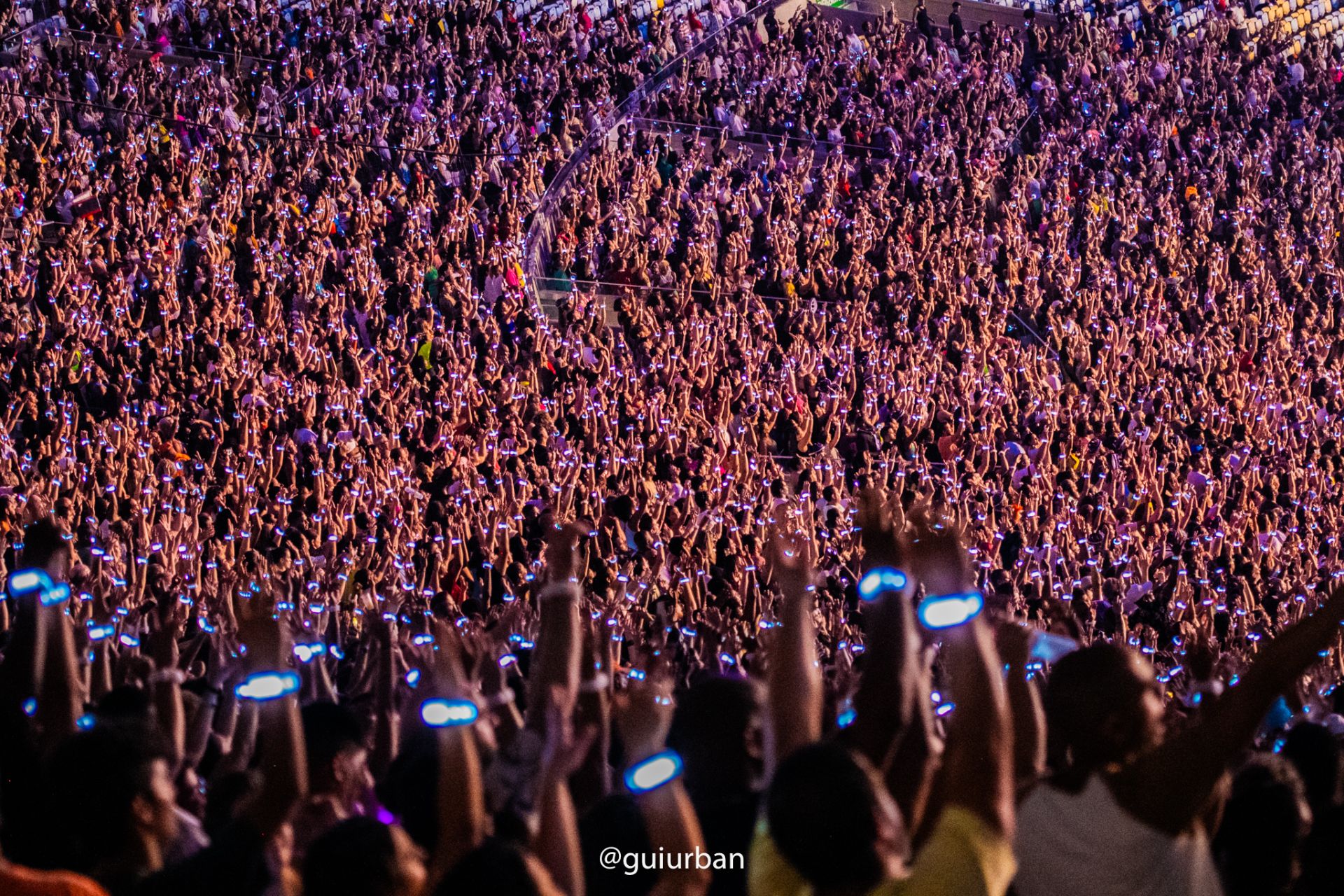
The transition from lighters held aloft at a rock concert to the synchronised glow of LED wristbands is more than a technological leap; it’s an evolution in crowd psychology. A single flame is a personal gesture. Fifty thousand points of light, controlled and synchronised to the millisecond, are a collective statement. This is where immersive event technology comes into play. By giving every audience member a node in a vast, dynamic network of light, you hand them a role in the show. They are no longer just watching the spectacle; they are the spectacle.
This principle is visible in a wide array of settings. At major music festivals like Greece's PRIMER Music Festival, festival wristbands unite thousands of electronic music fans in a pulsating, rhythmic light show that mirrors the DJ’s set. For global tours like Maluma’s, where 54,000 fans filled a stadium in his hometown, Coldplay Xylobands help bridge the distance between the artist and the furthest seat, ensuring every single person feels seen and included. It’s a powerful, non-verbal cue that says, “We are all in this together.”
Agency and Participation: The Audience as Co-Creator
A key driver of engagement is agency—the feeling of having control and making a tangible impact. Traditional event formats often position the audience as passive recipients. The artist performs, the crowd receives. However, the most memorable LED experiences subvert this dynamic by inviting the audience to become co-creators.
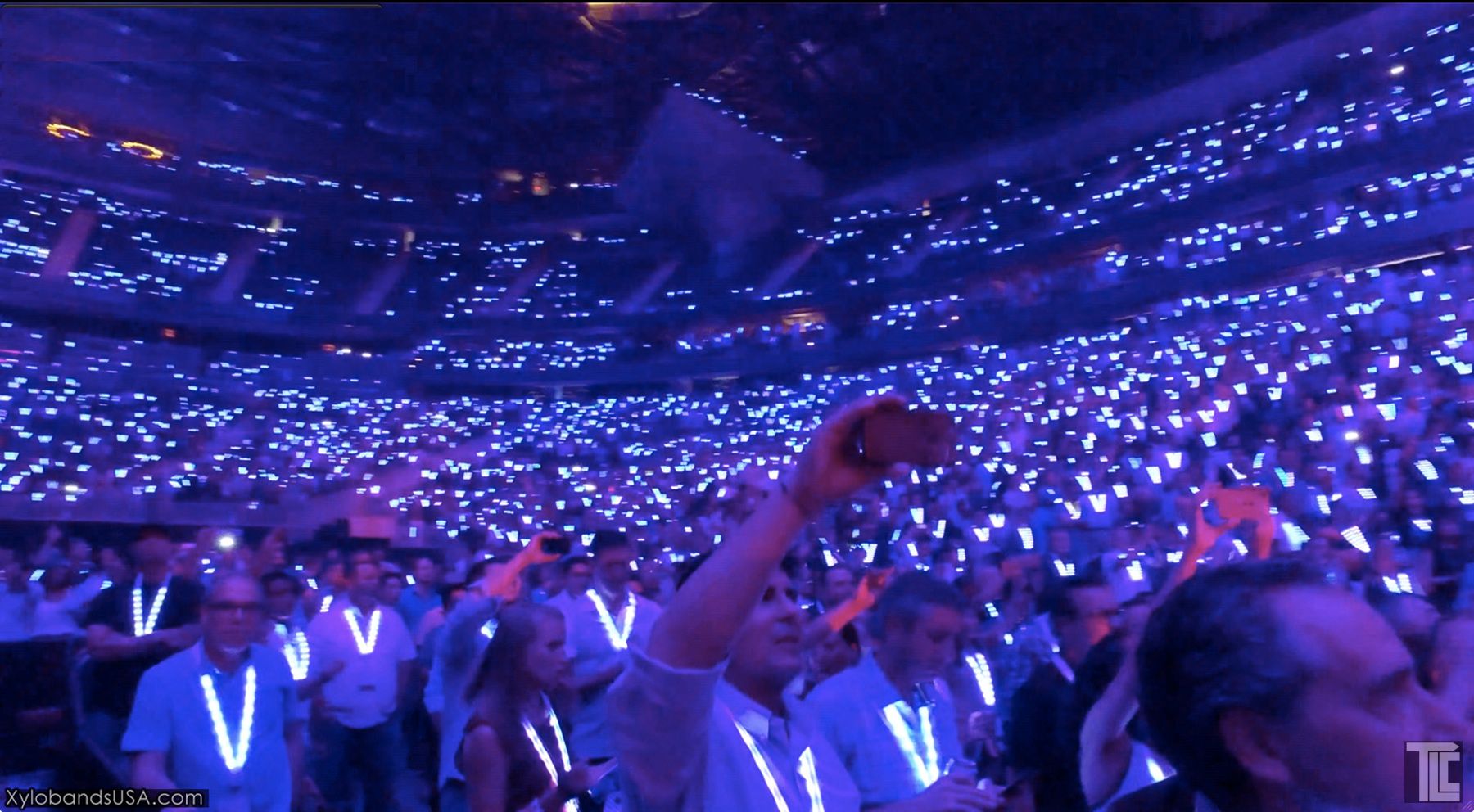
Think of the opening ceremony of a major sporting event or the halftime show at the Super Bowl. These are meticulously choreographed productions where the crowd itself is a key visual element. Technologies like radio controlled LED wristbands and LED lanyards allow designers to paint with light on a massive scale, turning entire stadium bowls into a canvas. The creative possibilities are endless—sweeping colour changes, pulsating rhythms, or even displaying team colours and logos across sections of fans.
For instance, during the 75th-anniversary celebration for Formula One, custom Xylo Pendants were distributed to fans, with different branding and programming based on team affiliation and hospitality level. This didn't just light up the crowd; it segmented and highlighted them, reinforcing their identity as fans of a specific team while uniting them in a celebration of the sport. This act of being seen and acknowledged deepens the emotional connection to the event and the brand.
Designing for Unity: The Future of Crowd Experiences
The psychology of audience engagement is not about fleeting gimmicks; it’s about fulfilling a deep-seated human need for connection and shared experience. As technology continues to evolve, the opportunities to foster this connection will only grow more sophisticated. Wearable LED technology is at the forefront of this movement, offering a direct and intuitive link between the event’s creative vision and the audience’s emotional experience.
For event producers, tour managers, and brand marketers, the lesson is clear: to create truly unforgettable moments, you must think beyond the stage. You must consider the audience not as a target demographic, but as a living, dynamic medium. By strategically incorporating elements that promote synchrony, agency, and shared identity, you can architect moments of profound collective effervescence.
From corporate event activations that transform employees into brand ambassadors to global concert tours that unite fans across continents, the underlying principle is the same. When you give people a way to participate in the story, they don’t just watch it unfold. They live it. They become it. And they will never forget it.