The Human Spectrum: A New Blueprint for Inclusive Event Design
The Unseen Audience
For decades, the primary focus of accessibility in live events was centred on the physical: ramps, accessible seating, and clear pathways. These are, and always will be, critically important. They form the foundational layer of access, ensuring that everyone, regardless of physical ability, can enter the space. But as our understanding of human diversity deepens, so too must our approach to event design. The conversation is expanding beyond mere physical presence to encompass sensory and cognitive inclusivity.
What does it mean to be truly present at an event? It means more than just being in the room. It means having the ability to engage with the experience without being overwhelmed, to feel a sense of belonging within the collective, and to have your needs anticipated and respected. For a significant portion of the population—individuals with autism, sensory processing disorders, PTSD, or anxiety—the very elements designed to create excitement can become barriers. The loud noises, flashing lights, and dense crowds that define many large-scale events can be intensely overwhelming, effectively excluding them from the shared experience.
Designing for the Human Spectrum
True inclusivity requires a paradigm shift. It asks event producers, lighting designers, and tour managers to think not just about the majority, but about the full spectrum of human experience. This isn’t about diluting the spectacle; it’s about making it smarter, more adaptable, and more profoundly human. It’s about creating a more dynamic and responsive environment that can be tailored to meet a wider range of needs.
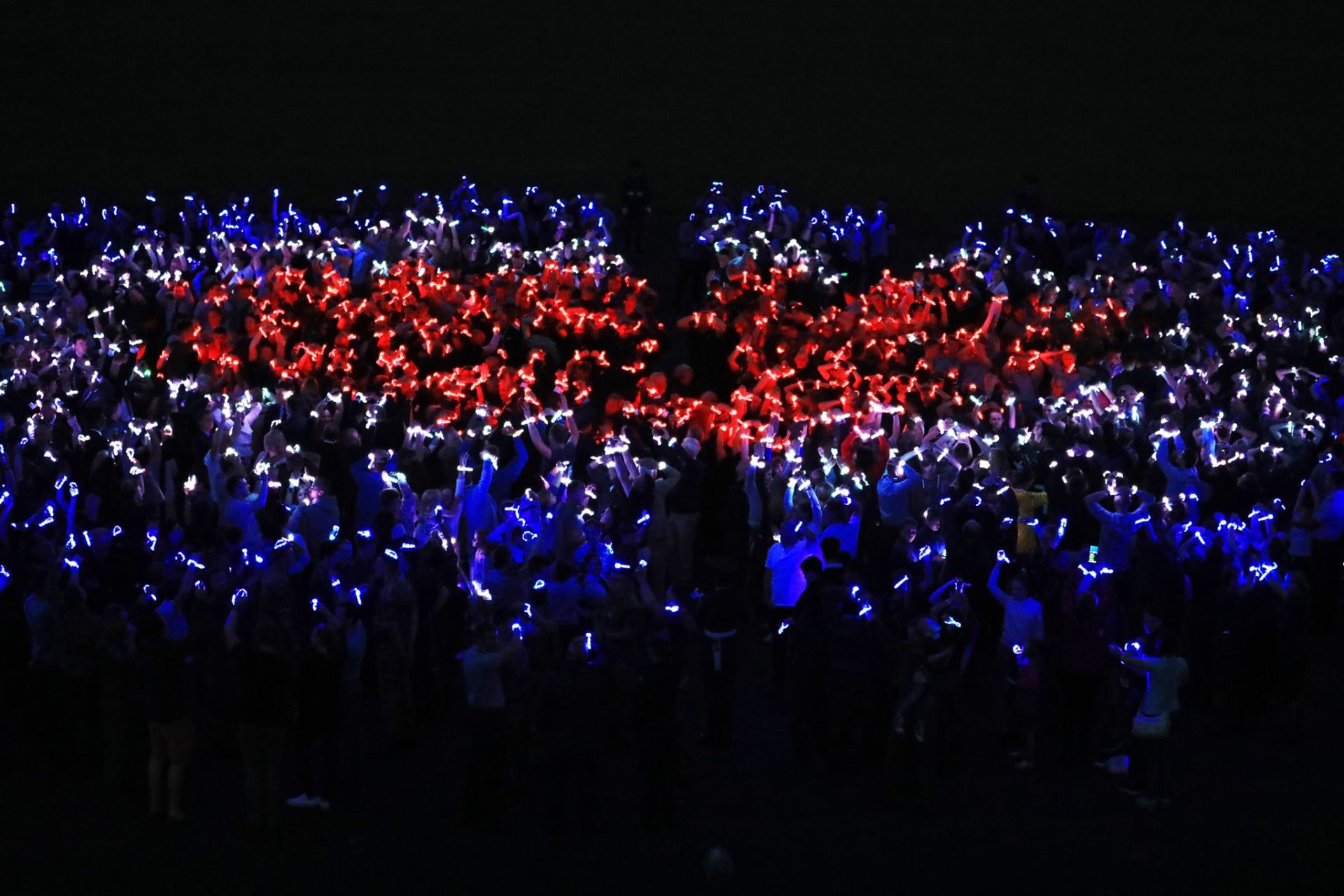
This is where immersive event technology is opening up new frontiers. The same tools that create stunning visual moments can also be used to build more inclusive environments. Programmable LED wristbands, for example, are often seen as tools for high-energy spectacle—and they are. But their programmability is the key. They can be something else entirely: a tool for communication, safety, and personalised experience.
“Imagine a designated quiet zone at a festival where the intense, strobing lights of the main stage are translated into a gentle, slowly pulsing glow on a wristband. The wearer is still connected to the show’s energy but in a way that is manageable and calming, not overwhelming.”
The Power of Zoned and Personalised Experiences
The future of inclusive event design lies in segmentation and control. A stadium or festival ground is not a monolith; it is a collection of thousands of individual experiences. Modern radio controlled LED wristbands and other forms of wearable LED technology allow us to create zones with different lighting cues and intensity levels.
- Sensory-Friendly Zones: At a large music festival like Glastonbury or Primer, designated areas could feature less intense, slower-paced lighting effects. The wristbands in this zone could be programmed to glow in solid, calming colours, while those on the main field flash in sync with the beat. This allows attendees to self-select the level of sensory input they are comfortable with.
- Haptic Feedback: For guests who are d/Deaf or hard of hearing, the experience of music can be profoundly tactile. By programming wristbands to vibrate in time with the bassline or key musical cues, we can translate sound into a physical sensation, adding a new layer of immersion and connection to the performance. This transforms a visual tool into a multi-sensory one.
- Informational Cues: Beyond the performance itself, LED lanyards or wristbands can serve as discreet communication channels. A gentle pulse could signal the start of a show, a change in schedule, or a weather alert, providing clear, non-auditory information that benefits everyone, especially in loud or crowded environments.
From Corporate Stages to Global Tours
This philosophy of inclusive design is not limited to music festivals. It is equally, if not more, relevant in the world of corporate event activations. A company aiming to communicate its values of diversity and inclusion at a major conference or product launch sends a powerful message when its event is designed to be welcoming to all employees, clients, and partners. Using custom LED wristbands to facilitate networking groups with gentle colour codes or to provide non-verbal cues during presentations demonstrates a deep-seated commitment to thoughtful, human-centric design.
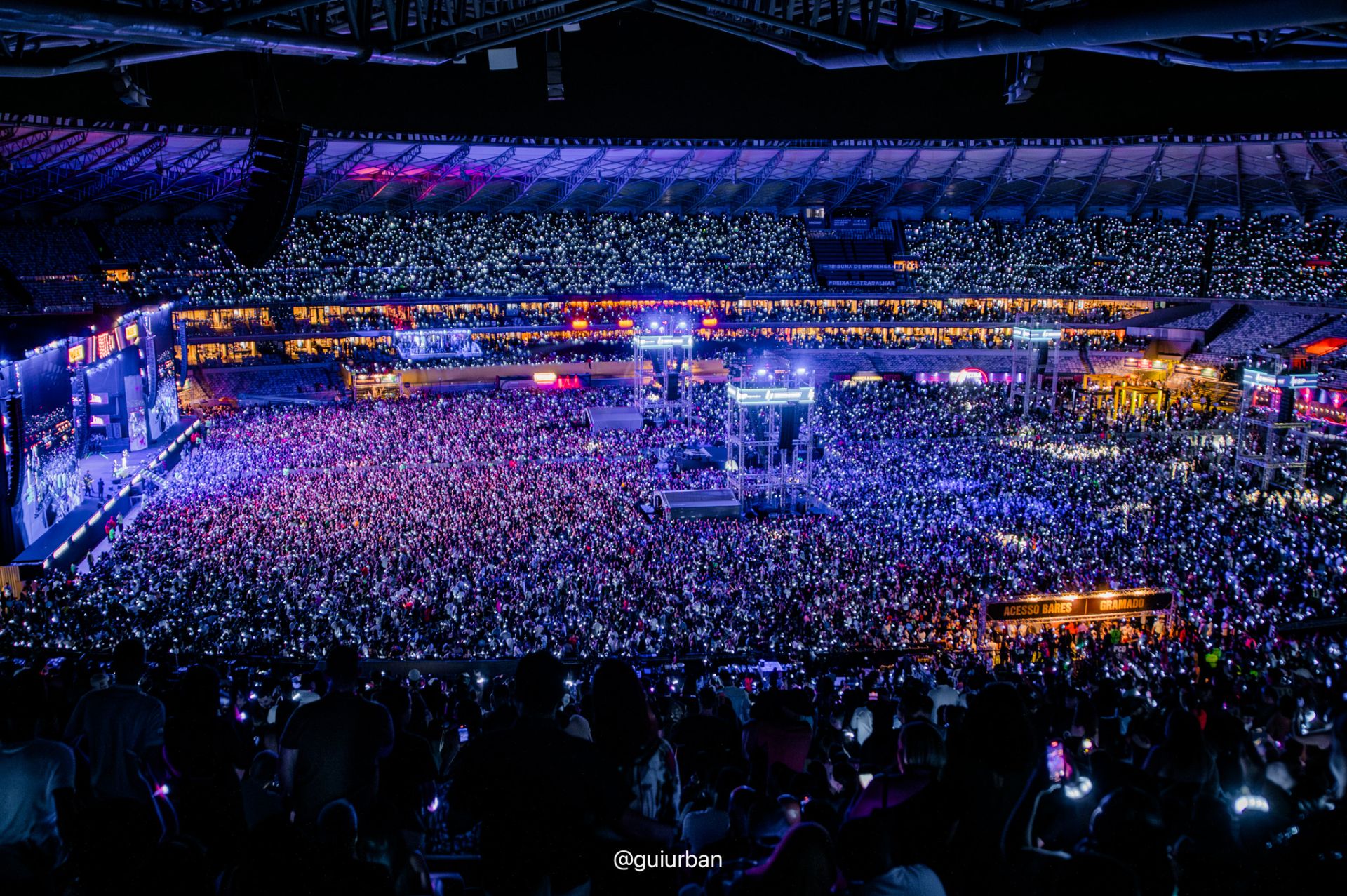
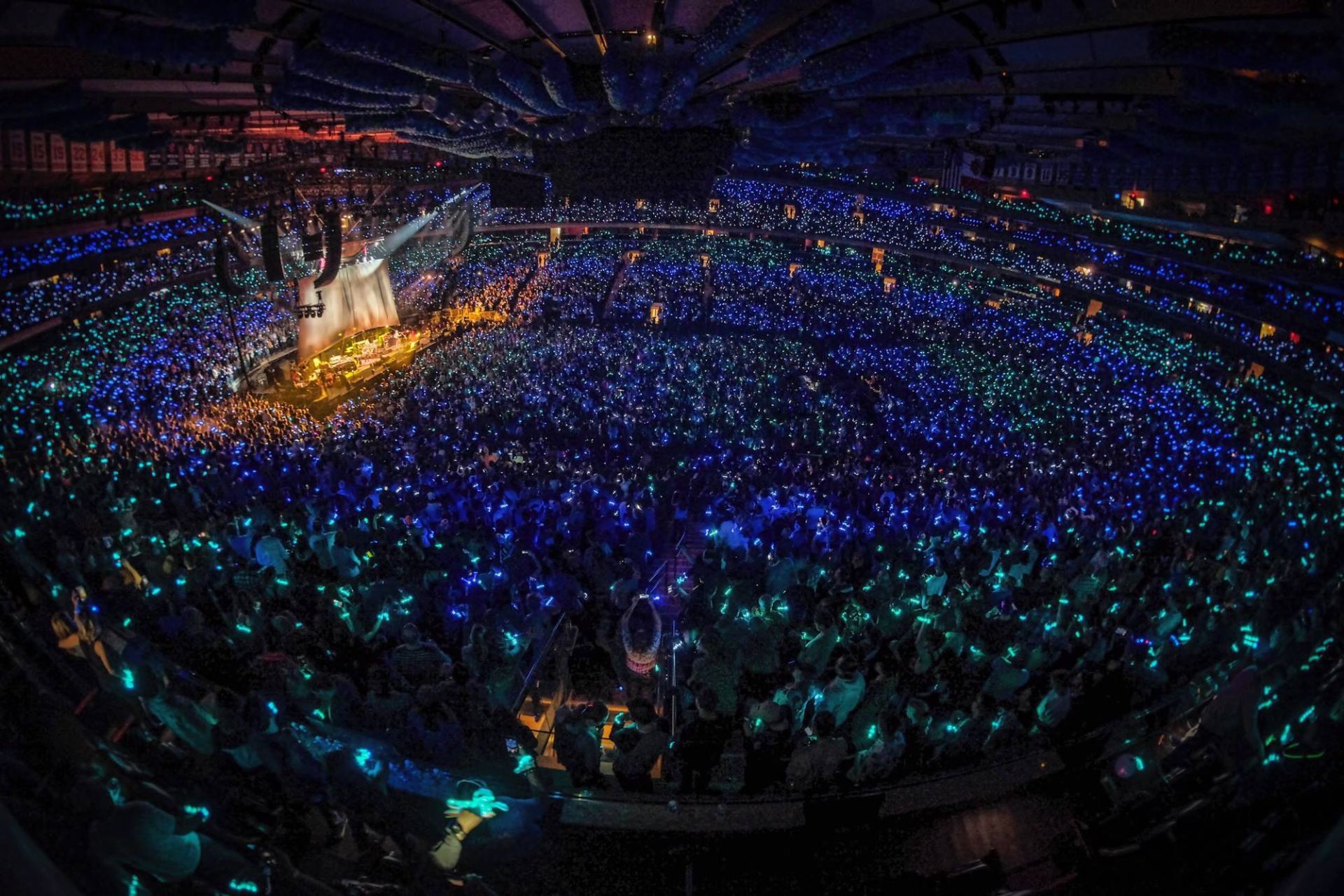
We’ve seen how transformative light can be at massive events for clients like Formula One, Wizkid, and Maluma, unifying tens of thousands of people into a single, breathing canvas. The same technology, applied with a different intention, can create pockets of calm and connection within that massive scale. The goal is not to create a single, one-size-fits-all experience, but a mosaic of experiences that cater to a diverse audience. By doing so, we don’t diminish the spectacle; we enrich it, making it possible for every individual to find their place within the collective moment.
The next frontier for immersive events is not just about being bigger or brighter. It's about being more empathetic, more intelligent, and more inclusive. By leveraging the power of LED event technology with intention and care, we can build shared experiences that are truly open to everyone, creating a more profound sense of belonging for every single person in the crowd.