The Perpetual Prototype: A Philosophy for R&D in Live Events
The Unseen Performance
In the world of live entertainment, the show that goes on tonight is already a legacy. The lights dim, the crowd roars, and for a few hours, tens of thousands of individuals become a single, unified entity. But behind the immediate spectacle—the bursts of light, the waves of sound—is an unseen performance. It’s the relentless, iterative cycle of research and development that powers the next show, the next tour, and the next generation of immersive event technology.
For a technology company born from the live events industry, the R&D lab isn’t a sterile, isolated room. It’s a dynamic ecosystem that mirrors the very world it seeks to transform. It’s part garage, part stadium, part broadcast studio. This is where the laws of physics and the psychology of crowds intersect, and where every success is simply a baseline for the next experiment. The core philosophy isn’t about achieving a final, perfect product; it’s about embracing the state of the perpetual prototype.
From a Field in Somerset to a Global Phenomenon
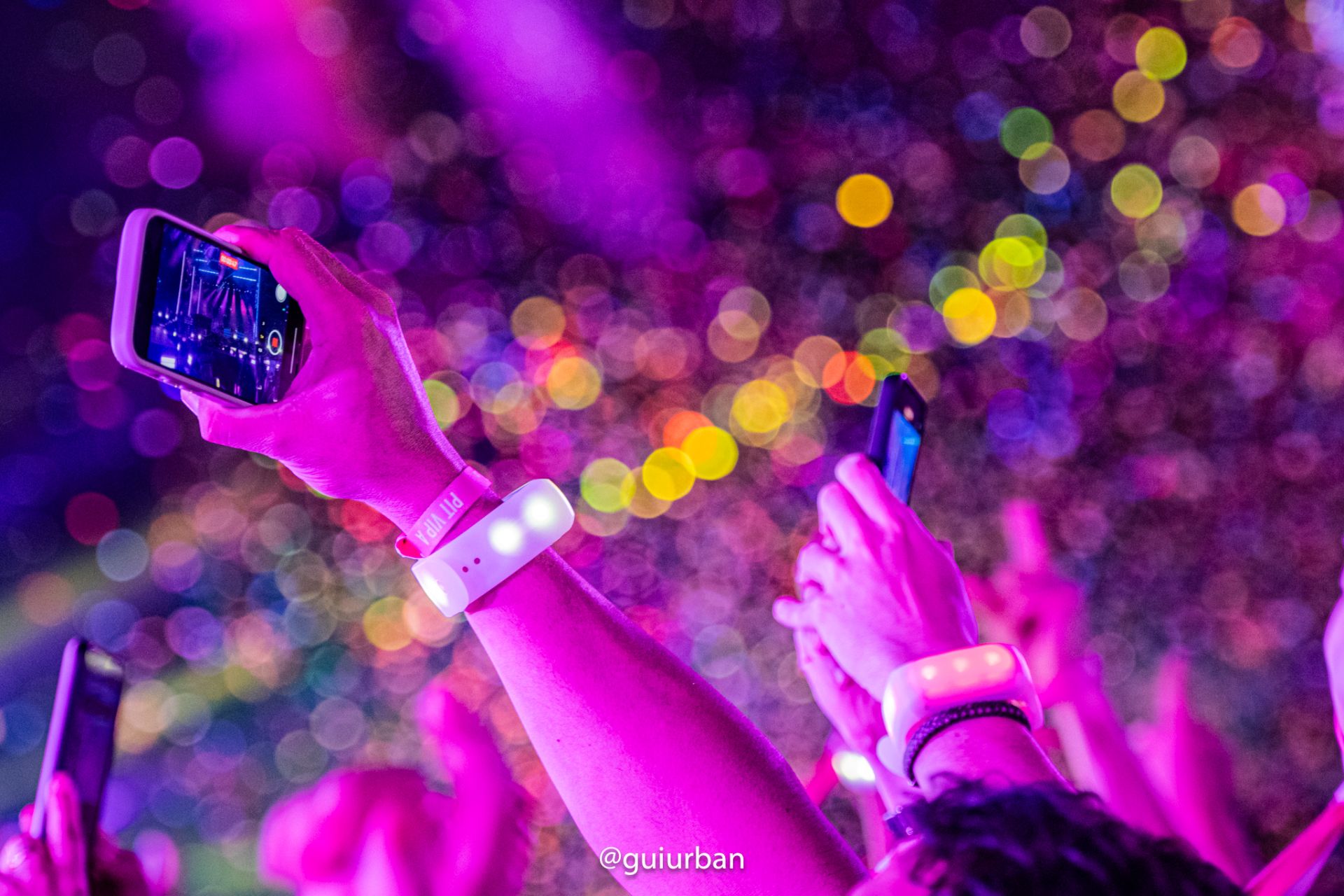
The origin of Xylobands is a story of responsive innovation. It wasn’t a solution in search of a problem. It was a direct, creative answer to a tangible moment of shared human experience. Watching Coldplay perform at Glastonbury, our founder Jason Regler envisioned a way to turn the passive audience into an active, illuminated canvas. The idea for radio controlled LED wristbands was born not in a boardroom, but from a deep understanding of the emotional landscape of a festival field.
That initial spark led to a collaboration with the band itself, and the first Coldplay Xylo Band made its debut on the Mylo Xyloto tour. But this was not the end of the development cycle; it was the beginning. The tour became a real-world laboratory, a focus group of millions. Every show yielded new data, new insights, and new questions. How could we improve battery life? How could we increase the RF range for massive stadium shows? How could we make deployment and collection more efficient for tour managers and event producers?
The Three Pillars of Live Event R&D
A culture of perpetual innovation doesn’t happen by accident. It’s built on a foundation of core principles that guide every decision, from high-level strategy to the granular details of circuit board design.
1. The Zero-Failure Mandate
In live production, there are no second chances. When an artist hits a cue, or a global broadcast goes live, the technology must work. Flawlessly. Every single time. This zero-failure mandate is the bedrock of our R&D process. It means subjecting every component—from the clasp on a wristband to the firmware running the transmitter—to rigorous, often destructive, testing.
It means engineering for the harshest possible conditions: the torrential rain of a summer festival, the complex RF interference of a dense urban arena, the logistical chaos of a multi-day, multi-venue event. This obsession with reliability is what allows creative directors and show producers to design with confidence, knowing the technological foundation is unshakable.
2. The Open Dialogue
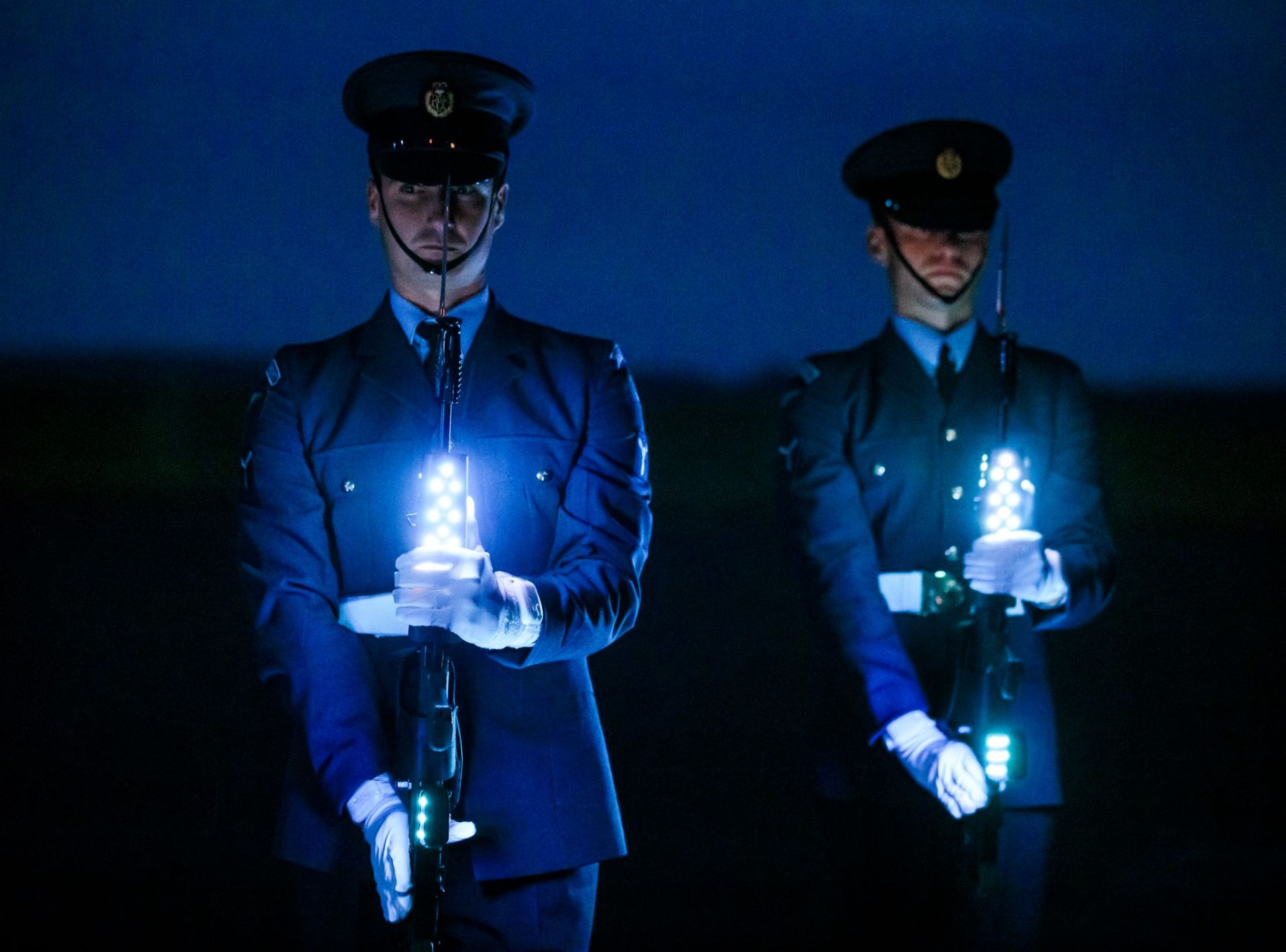
The most valuable insights don’t come from inside the lab; they come from the front lines. Our R&D process is a continuous dialogue with the people who use our technology every day: tour managers, lighting designers, brand marketers, and event producers. Their challenges become our challenges. When a client needs to create distinct visual segments within a stadium, as we did for the Formula One 75th anniversary event by branding LED Lanyards for different hospitality tiers, that requirement feeds directly back into our software and hardware development. When a tour like Wizkid’s sells out three nights at the O2 and needs a sustainable solution, we innovate on reuse and recycling logistics, proving that epic scale and responsibility can coexist.
3. The Scalable Vision
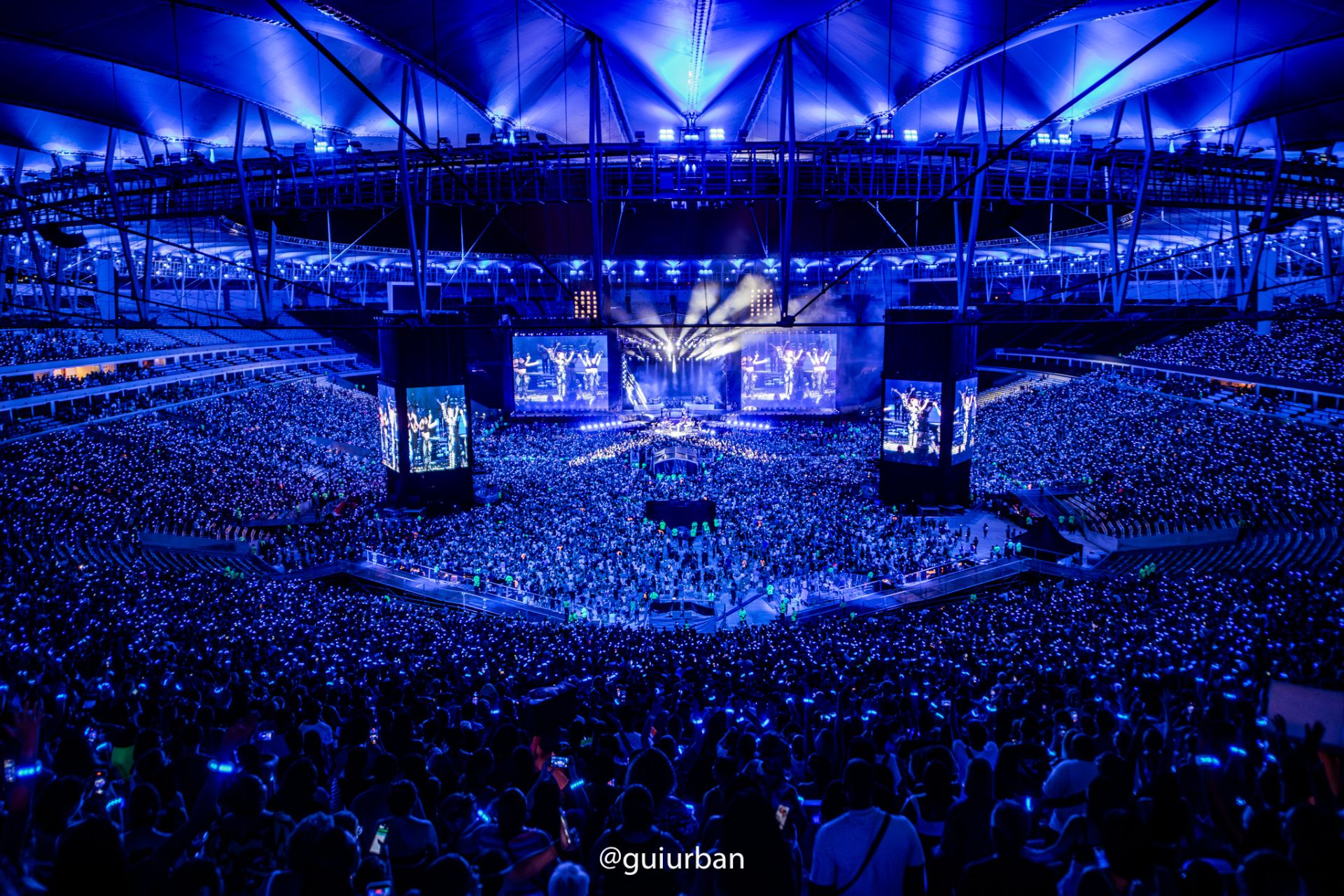
An idea is only as powerful as its ability to scale. A prototype that works for 10 people in a studio is one thing. A system that can reliably control 100,000 LED bands across a sprawling festival site like Glastonbury is another entirely. Our R&D is constantly focused on the art of scale.
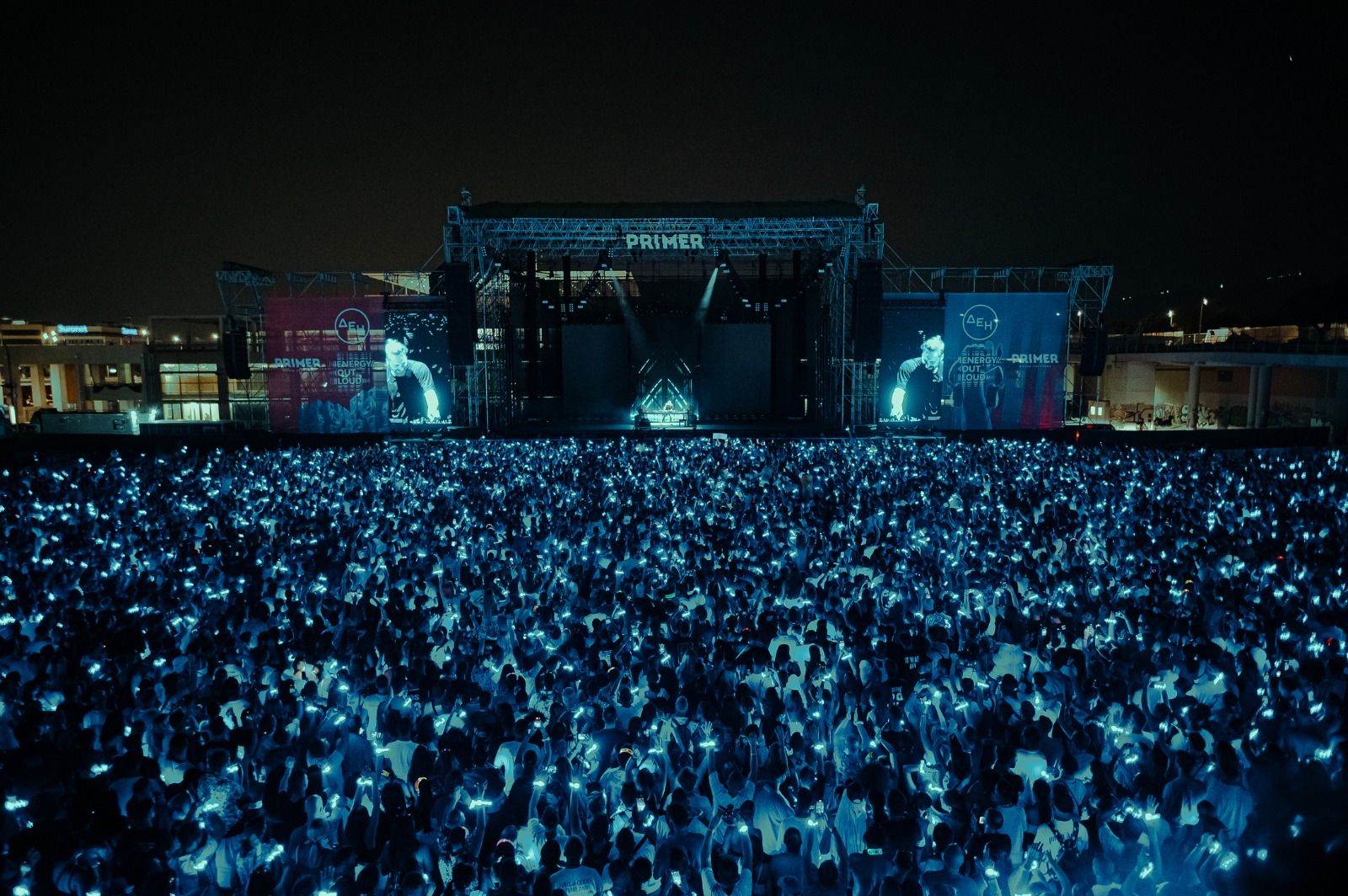
This involves more than just signal strength. It’s about creating systems for rapid deployment, designing products for efficient distribution and collection, and building software that is both powerful for complex programming and intuitive for on-the-fly operation. From electrifying corporate event activations to massive festival wristbands for events like Greece's PRIMER Music Festival, the goal is to make huge, immersive experiences feel effortless and intimate.
The Perpetual Future of Immersion
The live events landscape is in constant flux. Audience expectations are evolving, and the line between the physical and digital experience continues to blur. An R&D culture built on the philosophy of the perpetual prototype is not just about keeping pace; it’s about setting the pace.
Today, the work extends beyond concert wristbands. We explore new form factors like LED Orbs and lanyards. We pioneer new control protocols, integrating with DMX and other industry-standard lighting systems. We develop new ways to create LED crowd experiences for broadcast, ensuring the spectacle is just as compelling for the millions watching at home as it is for the thousands in the venue, a challenge we regularly tackle for clients like ITV and on shows like Beat The Chasers.
In this industry, the greatest risk isn’t failure; it’s complacency. It’s believing that the current model is the final model. The most exciting product is always the one that’s still on the drawing board, the one being tested to its limits, the one that will solve a problem a production manager hasn’t even encountered yet. The show must go on, but innovation must always go further.