The Scale of Light: Principles for Arena and Stadium Tour Lighting
The Architecture of Air
An arena is more than steel and concrete; it’s a volume of air, a canvas of shared space waiting to be painted with light. The first principle of large-scale tour lighting is to understand this architecture of air. Before a single fixture is hung, the designer must reckon with the sheer scale of the environment. A stadium isn’t just a bigger theatre; it’s a fundamentally different medium. The distances are vast, sightlines are complex, and the ambient environment is a constant variable.
The core challenge is twofold: how do you make a show feel massive and intimate at the same time? How do you ensure the fan in the last row feels as connected as the one in the front? This is where the concept of layering comes into play. The design can’t be a single, monolithic statement. It must be a dynamic system of interlocking layers: key light on the artist, architectural light on the stage set, atmospheric effects that fill the space, and, increasingly, light that emanates from the crowd itself.
The Moving Canvas: Integrating the Audience
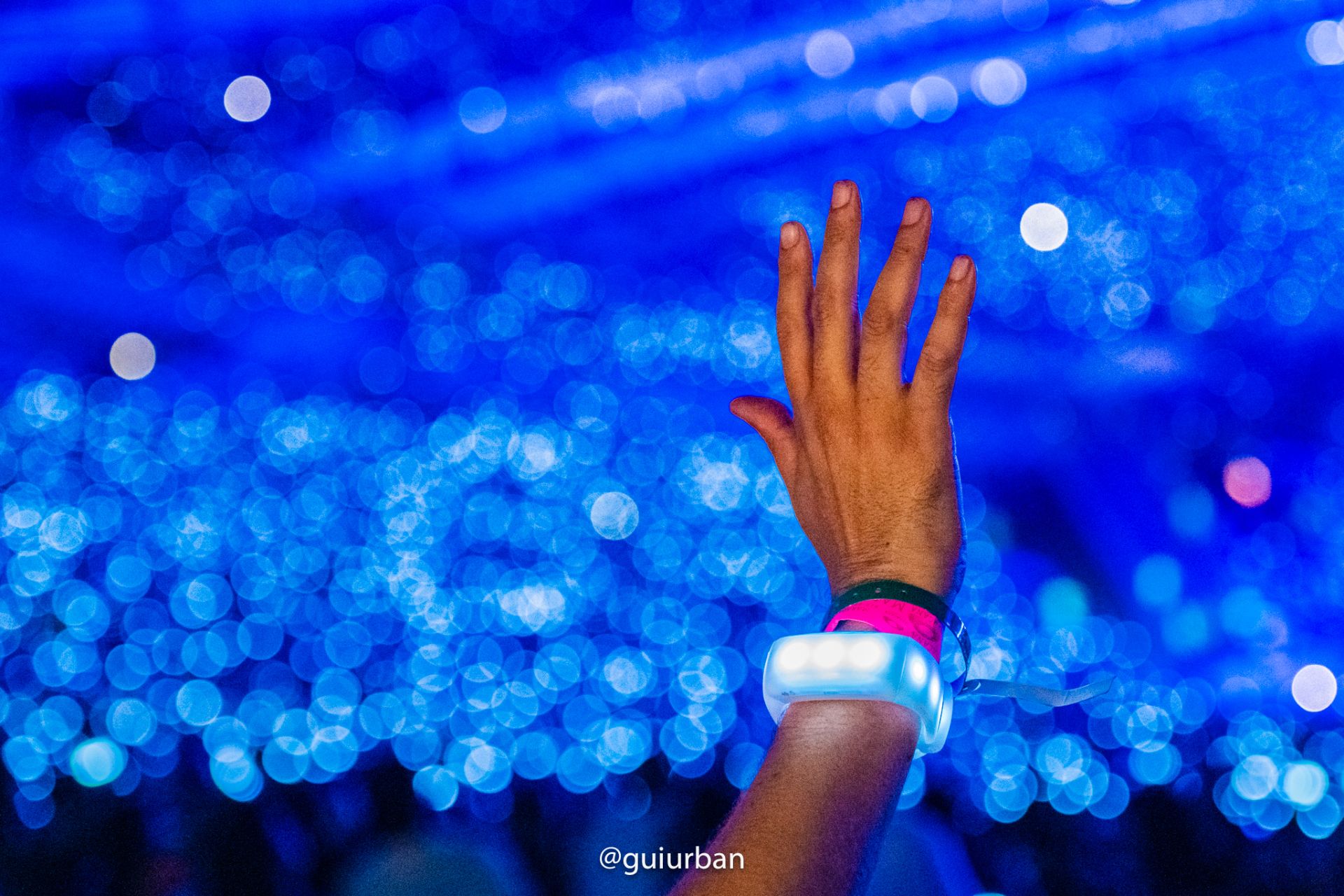
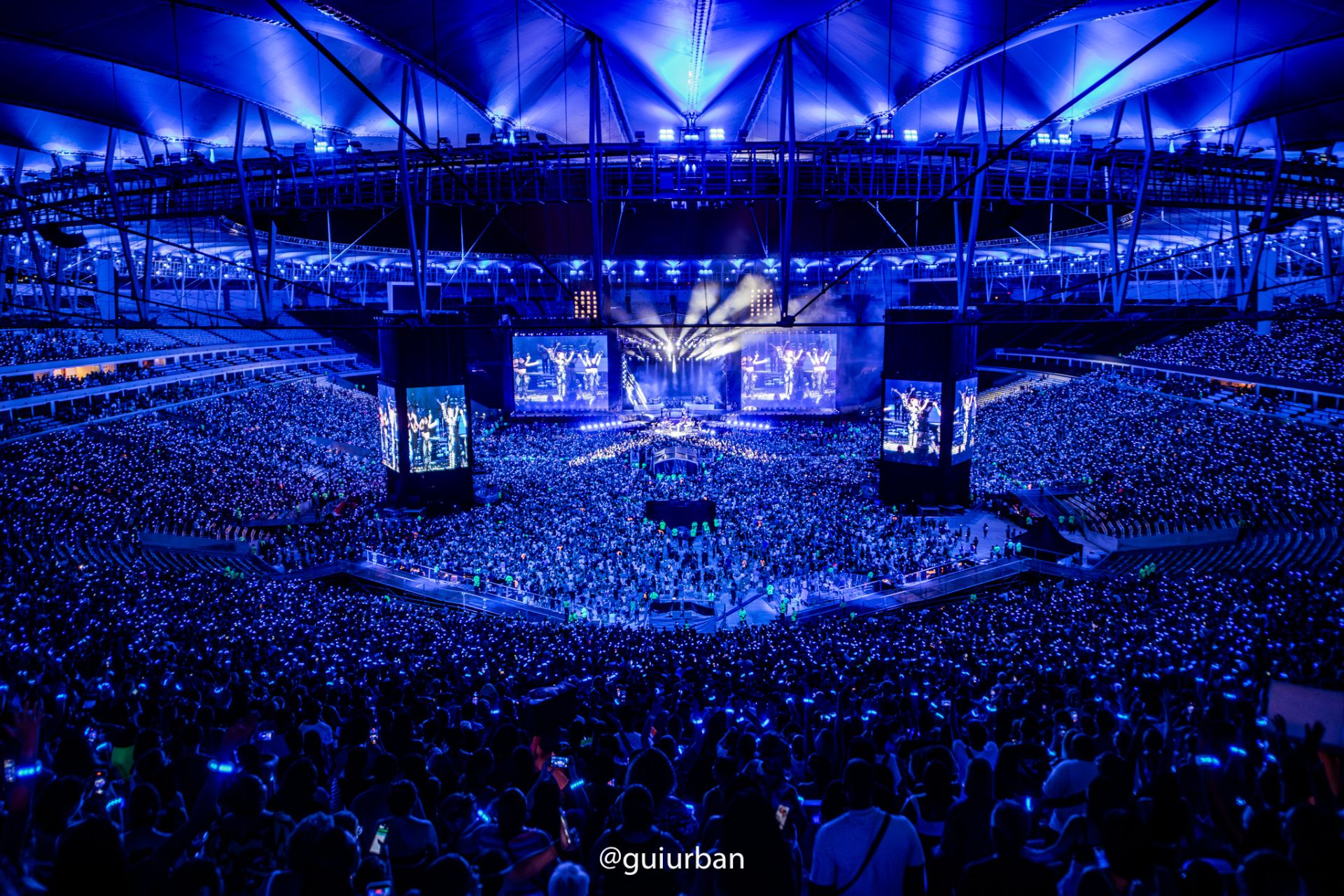
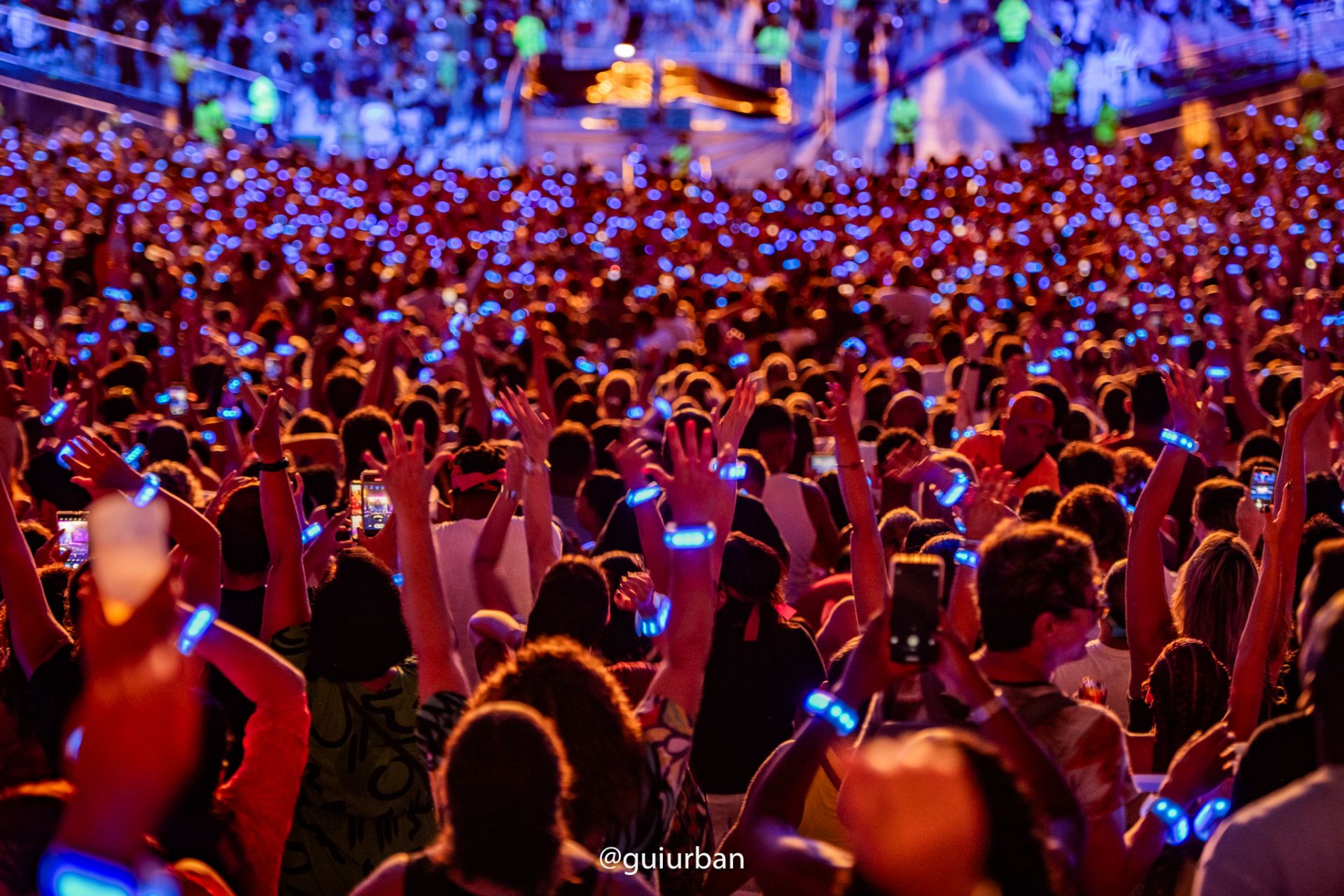
For decades, the audience was a passive recipient of the light show. Today, they are the canvas. The advent of wearable LED technology has handed lighting designers a revolutionary new tool. Suddenly, the 50,000 people in the stands are not just spectators; they are 50,000 intelligent pixels in a living, breathing display. This is the principle of the moving canvas.
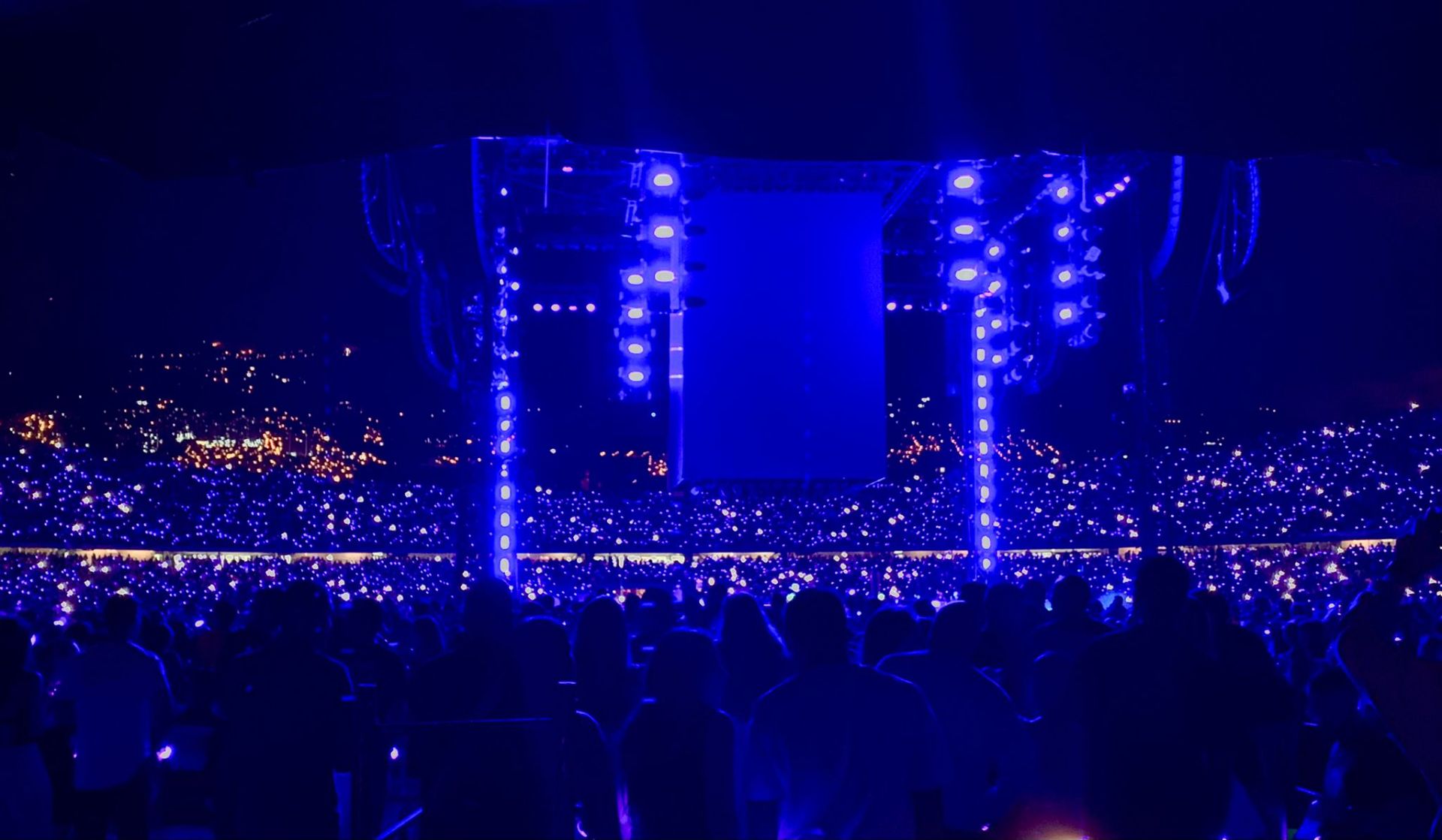
When Maluma played to a hometown crowd of 54,000 in Medellín, the stadium was transformed into a sea of synchronized light, extending the energy of the stage to every seat. This isn’t just about making a bigger spectacle. It’s about psychology. When an individual’s wristband lights up in unison with everyone else’s, it creates a powerful, neurological sense of belonging. It dissolves the space between the artist and the fan, making each person a vital part of the performance. This is the core of creating powerful LED crowd experiences.
Products like Xylobands—originally developed with Coldplay for their Mylo Xyloto tour—are no longer a novelty but a foundational element of modern tour design. These radio controlled LED wristbands allow for a level of crowd choreography that was once unimaginable, turning the entire arena into a single, cohesive instrument.
Lighting for Two Audiences: The In-Room and the Broadcast
A modern arena tour rarely plays to just one audience. It plays to the thousands in the room and the millions watching at home. This duality is a critical principle for any lighting designer. Light that feels electric and atmospheric in person can look flat or noisy on a screen. Conversely, lighting designed purely for the camera can feel sterile and cold to the live audience.
The solution is to design for both, creating a cohesive experience that translates across mediums. This involves a deep understanding of camera sensors, color temperatures, and broadcast engineering. It means creating looks that have enough dynamic range to pop on a 4K stream without blinding the people in the front row. It’s a delicate balancing act, one that requires constant collaboration between the lighting team and the broadcast director. As seen in broadcast events for clients like ITV or the global streaming of Maluma’s concert, the integration of audience lighting adds a spectacular visual layer for viewers at home, making them feel part of the live energy.
The Principle of Dynamic Range
From Pinpoint to Floodlight
Scale is not just about size; it’s about contrast. A truly masterful stadium lighting design understands the power of dynamic range. It knows when to be vast, overwhelming the senses with a full-stadium lighting effect, and when to be intimate, shrinking the world down to a single performer in a single spotlight.
This push and pull creates the emotional arc of the show. Constant, full-blast intensity leads to fatigue. The most memorable moments are often born from contrast. Think of the quiet, acoustic moment in the middle of a rock show, where the stadium lighting recedes and thousands of LED bracelets create a gentle, twinkling starfield. Or the sudden, explosive transition from a single followspot to a stage-and-crowd-wide colour flood that accompanies the beat drop. This control over dynamics is what separates a good show from an unforgettable one.
The Unseen Logistics
Finally, the most pragmatic principle of large-scale tour lighting is an obsession with logistics and reliability. The most brilliant creative concept is worthless if it can’t be deployed, operated, and struck safely and efficiently, night after night, in city after city. This involves robust system design, redundant control, and a deep partnership with suppliers who understand the rigors of the road.
Whether deploying 32,000 wristbands for a Wizkid residency at The O2 or creating custom-branded LED Lanyards for a massive Formula One celebration, the underlying system must be flawless. The technology, from the radio transmitters to the individual wearables, must be tour-grade. It’s the unseen, unglamorous work of radio-frequency planning, battery management, and distribution strategy that makes the magic possible.
Ultimately, lighting a stadium tour is about more than just technology or brightness. It’s about connection. It’s about using light at an epic scale to create a shared human experience, to guide tens of thousands of people home to a single, unforgettable moment.