The Sensory Bridge: Designing Live Events for Every Body and Mind
The Universal Language of Light
A great live event speaks a universal language. It’s a primal alchemy of light, sound, and shared emotion that transcends demographics and connects strangers in a singular moment of collective experience. From the roar of a stadium during the opening moments of a headline set to the shared gasp at a stunning reveal, these are the moments that imprint themselves on our memory. They become part of our story.
But for too long, the architecture of these experiences has been built on a set of assumptions—assumptions about how our audiences see, hear, move, and process the world around them. The "standard" sensory toolkit of strobing lights, pyrotechnics, and crushing decibels, while effective for some, can be overwhelming or exclusionary for others. For individuals with sensory sensitivities, neurodivergence, or physical disabilities, the very elements designed to create excitement can become barriers to participation.
As an industry, we have a responsibility to look beyond the archetypal fan and design for the full spectrum of human experience. This isn’t about dilution or compromise; it’s about expansion. It’s about leveraging creativity and technology to build more resilient, more accessible, and more profoundly human events. It’s about ensuring the invitation to connect is truly open to everyone.
Beyond Ramps and Railings: A New Philosophy of Access
Historically, "accessibility" in live events has been a conversation centered on physical infrastructure: ramps, accessible seating, and compliant restrooms. While this remains fundamentally important, it’s only one dimension of a much deeper and more nuanced challenge. True inclusive design requires us to think at the sensory level.
"For a neurodivergent fan, an arena can be a sensory minefield. For someone with hearing loss, it can feel like watching a silent film. Our goal must be to build sensory bridges, using technology not as a spectacle, but as an interpreter."
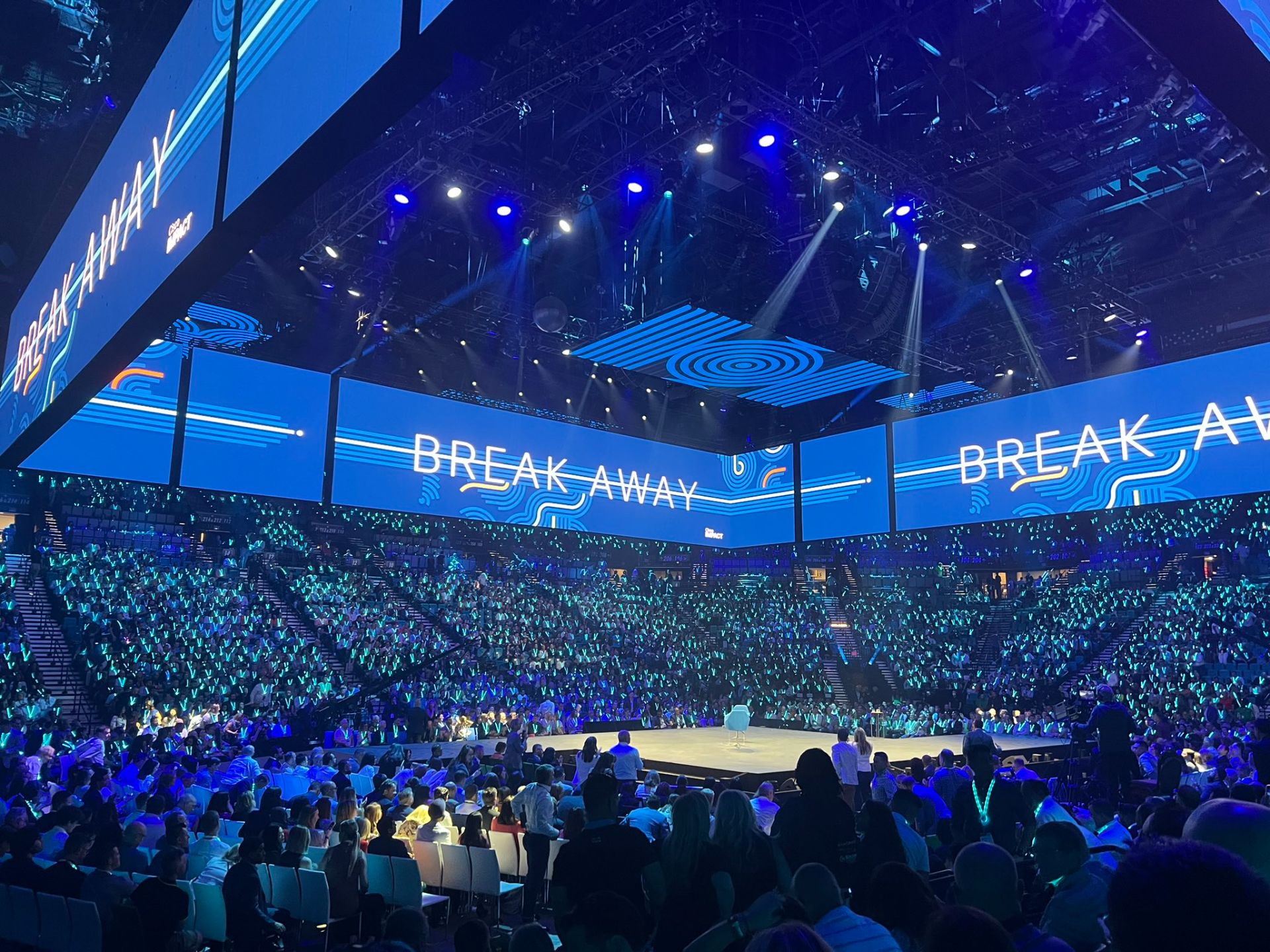
This is where new forms of immersive event technology come into play. It’s no longer just about what happens on the stage; it’s about how the environment itself can adapt to and communicate with every individual in the audience. Imagine a stadium where the lighting doesn’t just paint the air with color, but also communicates key moments—a goal, a chorus, a safety announcement—through synchronized pulses of light worn by every fan. This is the power of a shared visual language.
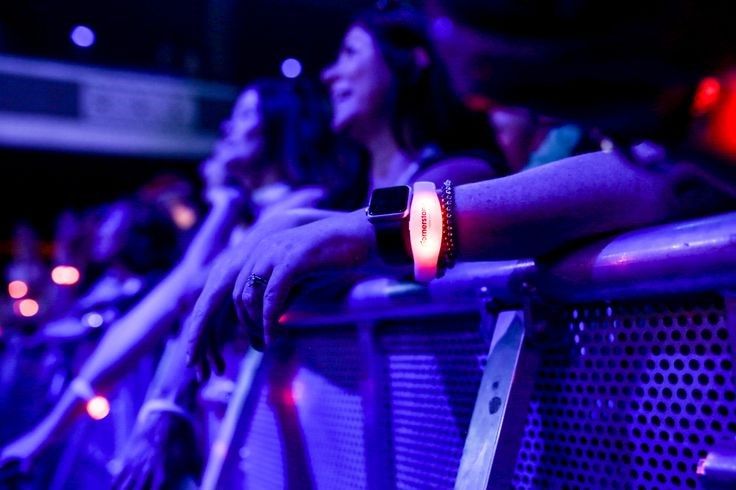
Technology like our radio controlled LED wristbands, or Xylobands, creates a direct, non-auditory channel to every single person in the venue. It’s a silent, visual symphony that can:
- Translate Auditory Cues: For guests who are Deaf or hard of hearing, a sudden change in music or a critical announcement can be missed. A wristband that flashes a specific color or pattern in sync with these cues provides a vital layer of information and inclusion.
- Mitigate Sensory Overload: For individuals with autism or sensory processing disorders, intense and unpredictable strobe effects can be distressing. By programming LED experiences to use smoother, more ambient transitions, we can create moments of high-energy excitement without causing sensory distress. It allows for a more controlled and predictable, yet still powerful, visual environment.
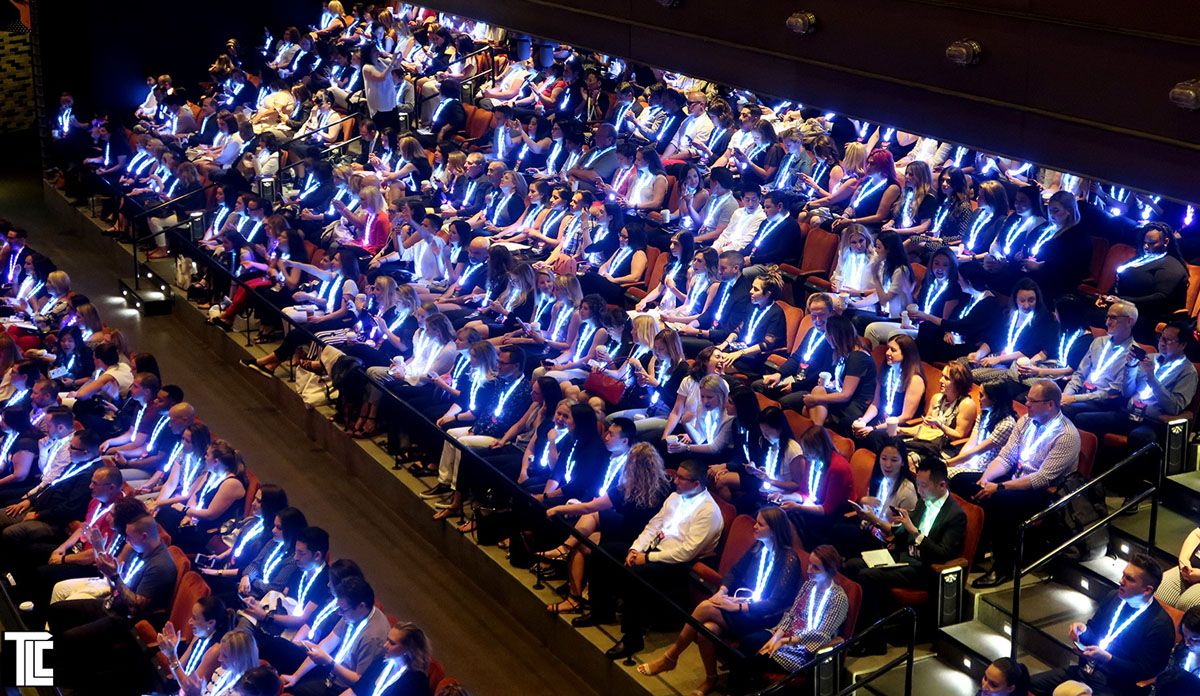
- Enhance Wayfinding and Safety: In a large, complex venue, navigating can be a challenge for anyone, but especially for those with cognitive or visual impairments. Using LED lanyards or wristbands to signal directions—for instance, pulsing green for one exit, blue for another—can create an intuitive, language-free guidance system that enhances safety and reduces anxiety.
From Passive Audience to Active Environment
This approach marks a fundamental shift in event design. It moves away from a one-to-many broadcast model—artist to audience—and toward a more complex, interactive ecosystem. The audience is no longer a passive recipient of the show; they are the medium. Their collective presence, illuminated and connected, becomes an integral part of the spectacle itself. It’s a human canvas.
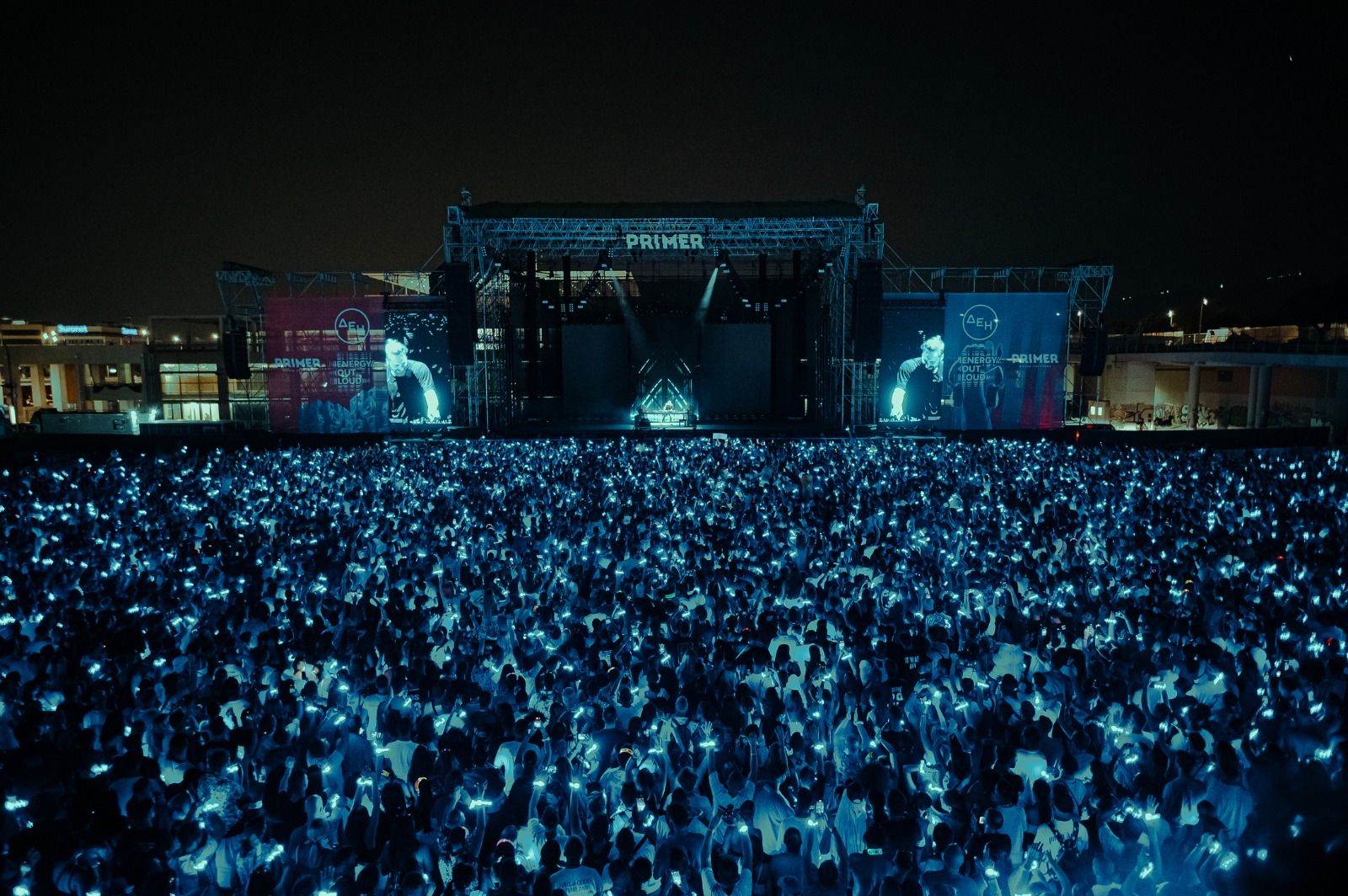
We’ve seen this principle in action at massive global events, from sold-out tours for artists like Coldplay and Wizkid to major sporting events for brands like Formula One and the Davis Cup. While the primary goal is often aesthetic—creating breathtaking, camera-ready moments of unity—the underlying technology has powerful implications for accessibility. At events like the PRIMER Music Festival in Greece, our festival wristbands synchronized tens of thousands of people, turning a diverse crowd into a single, pulsing organism of light. Each person, regardless of their individual sensory experience of the music, was unified by the shared visual rhythm.
Designing for Dignity
Ultimately, inclusive design is an act of empathy. It’s the conscious decision to put the human experience, in all its diversity, at the center of the creative process. It means asking questions that go beyond the technical specs of a sound system or the lumen count of a lighting rig:
- How will this moment feel to someone who can’t hear the music?
- How can we signal a transition without relying on sudden, jarring effects?
- Can we create a "sensory quiet zone" where fans can decompress without leaving the venue?
- How can wearable LED technology make every guest feel seen, safe, and part of the whole?
As creators, producers, and technologists, our job is not just to build shows, but to build community. And true community is, by definition, inclusive. By embracing the full potential of LED event technology, we can move beyond mere accommodation and begin to design experiences that are fundamentally more equitable, more engaging, and more memorable for every single person in the audience. We can build a sensory bridge, ensuring that the powerful, unifying magic of live events is an experience shared by all.