The Sensory Shift: A New Vision for Accessible Live Events
The Architecture of Belonging
For decades, the live event model was built on a foundation of sensory maximalism. The loudest sounds, the most dazzling lights, the biggest crowds. It was a formula designed for a specific type of audience, one presumed to be neurotypical and without sensory sensitivities. But what about those who experience the world differently? For millions, the very elements intended to create excitement can become overwhelming barriers, effectively excluding them from the shared cultural moments that live events represent.
A genuine commitment to inclusivity requires a fundamental rethinking of how we design these experiences. It’s not about dilution or compromise; it’s about expansion and enrichment. It’s about building a more robust and flexible architecture of belonging, where every member of the audience feels not just accommodated, but truly seen and catered for. This is not a niche concern. As our understanding of neurodiversity and sensory processing grows, so does our responsibility to create environments that are welcoming to all. The goal is to move from a one-size-fits-all approach to a multi-sensory one, offering varied levels of engagement that empower the audience to tailor their own experience.
Light as a Language
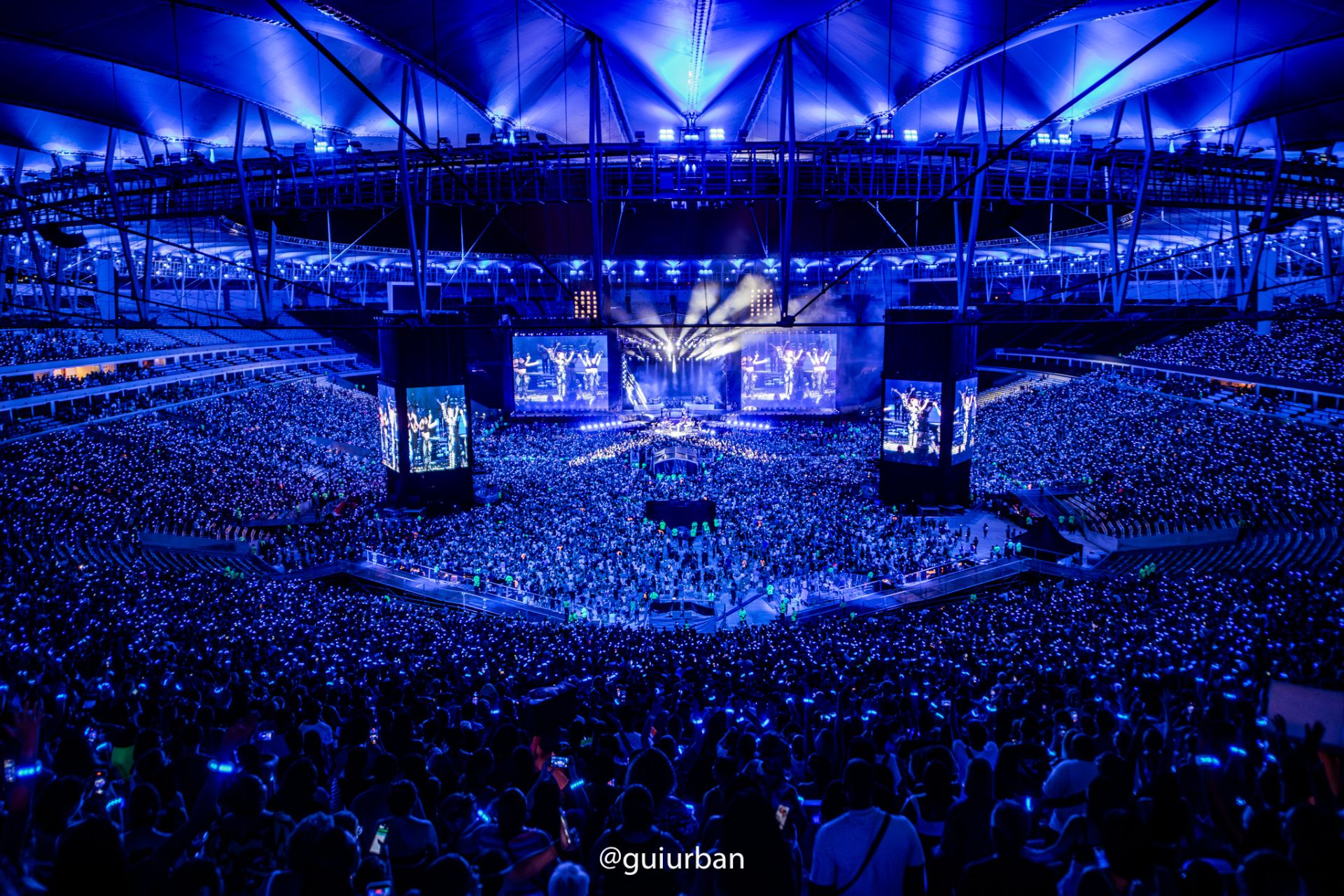
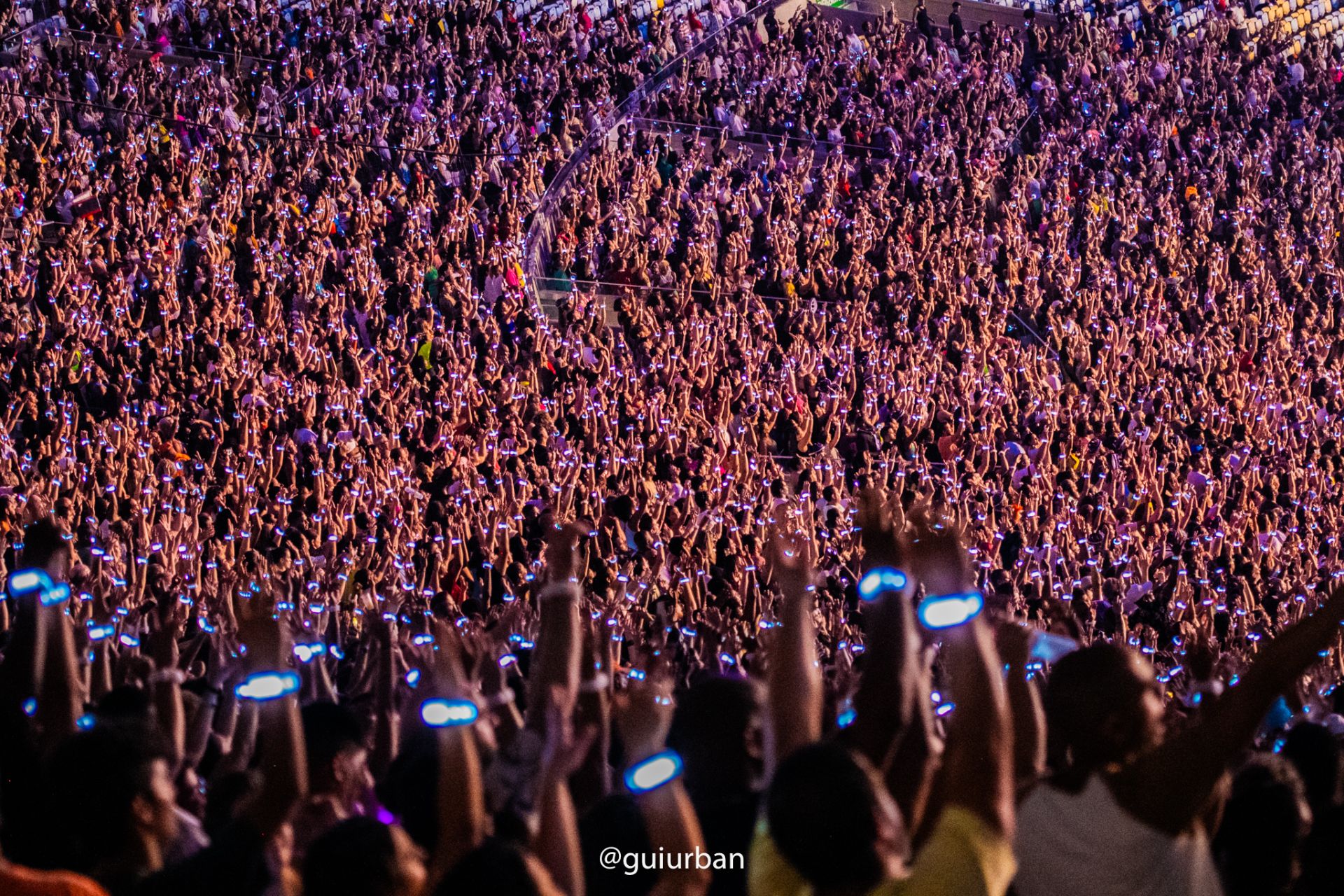
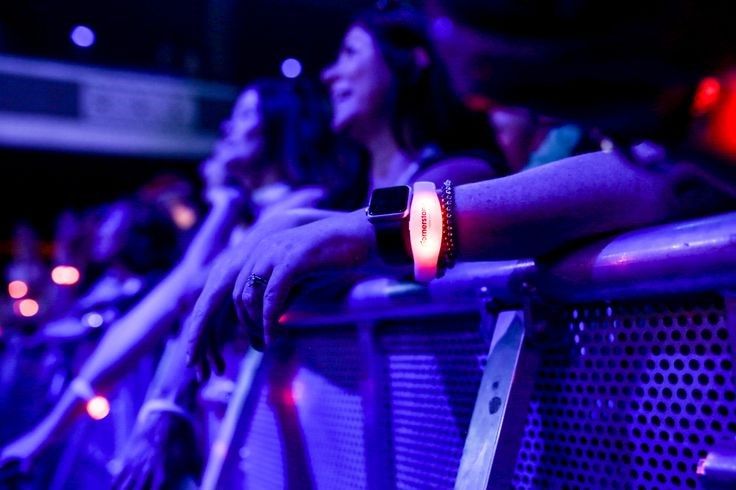
At Xylobands, we have long understood that light is a powerful, non-verbal language. While our initial invention was inspired by a desire to deepen the connection between artist and audience, we have seen its application evolve in remarkable ways. Our radio-controlled LED wristbands, LED lanyards, and other wearable LED technology can do more than just pulse in time with a beat; they can communicate, guide, and create zones of varied intensity within a large-scale event.
Consider the challenge of navigating a massive festival ground like Glastonbury or a sprawling corporate campus for a multi-day activation. For individuals with anxiety, autism, or other sensory sensitivities, the sheer scale and overstimulation of such an environment can be daunting. Now, imagine a system where custom LED wristbands can be programmed to serve as personal guides. A gentle, color-coded pulse could indicate the direction of a designated quiet zone, a low-sensory viewing area, or an accessible restroom. This isn’t about replacing traditional signage, but about providing a more intuitive, less cognitively demanding layer of information.
This "sensory signage" can also be used to manage crowd flow and expectations. A slow, calming blue pulse across a section of the audience could signal a transition to a quieter part of a show, while a vibrant, energetic pattern could build anticipation for a high-energy moment. For those who thrive on predictability, this use of light as a signaling tool can dramatically reduce anxiety, allowing them to prepare for and fully enjoy the experience rather than being caught off guard by sudden changes in volume or intensity.
Designing for the Sensory Spectrum
Creating truly inclusive events requires a multi-faceted approach that goes beyond a single piece of technology. It’s about creating a flexible ecosystem of tools and strategies that cater to the diverse needs of the audience.
Key Principles for Inclusive Event Design:
- Zoning for Sensory Comfort: Designate clear "low-sensory" or "quiet" zones within the venue. These areas should have reduced lighting, lower volume levels, and comfortable seating. LED event technology can be used to subtly demarcate these zones without creating a sense of separation or "otherness."
- Personalized Control: The future of immersive event technology lies in personalization. While our current systems are designed for mass synchronization, the potential for individual control is enormous. Imagine an app that allows attendees to opt-in to certain lighting effects or to adjust the brightness and color of their own LED bracelet, giving them a greater sense of agency over their sensory environment.
- Clear and Consistent Communication: Provide detailed information about the sensory aspects of the event in advance. This includes warnings about strobe effects, pyrotechnics, and sudden loud noises. This information can be communicated through multiple channels, including the event website, app, and through visual cues on-site.
We’ve seen the power of light to unify massive crowds at events for global brands like Formula One and music superstars like Maluma and Wizkid. The same technology that creates these spectacular, high-energy moments can be adapted to create a more comfortable and accessible experience for all. By thinking of the crowd not as a monolith, but as a diverse collection of individuals, we can use light to create a more nuanced and inclusive tapestry of shared experience.
The Business Case for Inclusivity
Beyond the clear ethical imperative, there is a strong business case for embracing accessible design. The disability community represents a significant and often underserved market. By building a reputation for hosting truly inclusive immersive events, producers and brands can cultivate a fiercely loyal audience and open up new revenue streams. It’s a powerful differentiator in a crowded marketplace.
Furthermore, an inclusive mindset often sparks innovation. The challenges of designing for a wider range of sensory needs can lead to creative breakthroughs that benefit everyone. A solution developed for one group of people may end up enhancing the experience for all attendees. This is the essence of universal design – the principle that environments should be designed to be usable by all people, to the greatest extent possible, without the need for adaptation or specialized design.
The journey towards truly accessible live events is an ongoing one. It requires empathy, creativity, and a willingness to challenge the assumptions that have long underpinned our industry. But with the thoughtful application of technologies like Xylobands and a genuine commitment to inclusive design, we can create a future where everyone has a place in the light.