The Sensory Shift: Redefining Event Accessibility with Light and Tech
Beyond Physical Access: The Sensory Spectrum of Live Events
For decades, "accessibility" in the context of live events has been primarily an architectural conversation. It’s a dialogue about ramps, accessible seating, and the physical logistics of navigating a venue. This foundation is critically important, but it represents the baseline, not the ceiling. True, meaningful inclusion demands that we look beyond the physical and consider the sensory experience of every attendee.
The modern live event is a symphony of stimuli—a high-stakes composition of light, sound, and collective energy. For many, this is the very source of its power. But for others, including a growing number of neurodivergent individuals and those with sensory sensitivities, this same sensory onslaught can be a significant barrier to entry. The strobing lights, unpredictable audio spikes, and dense crowds that define many live experiences can create environments of exclusion, not immersion. The challenge for event producers and designers, then, is not to diminish the spectacle, but to engineer it with greater intelligence, empathy, and intent.
Light as a Universal Language
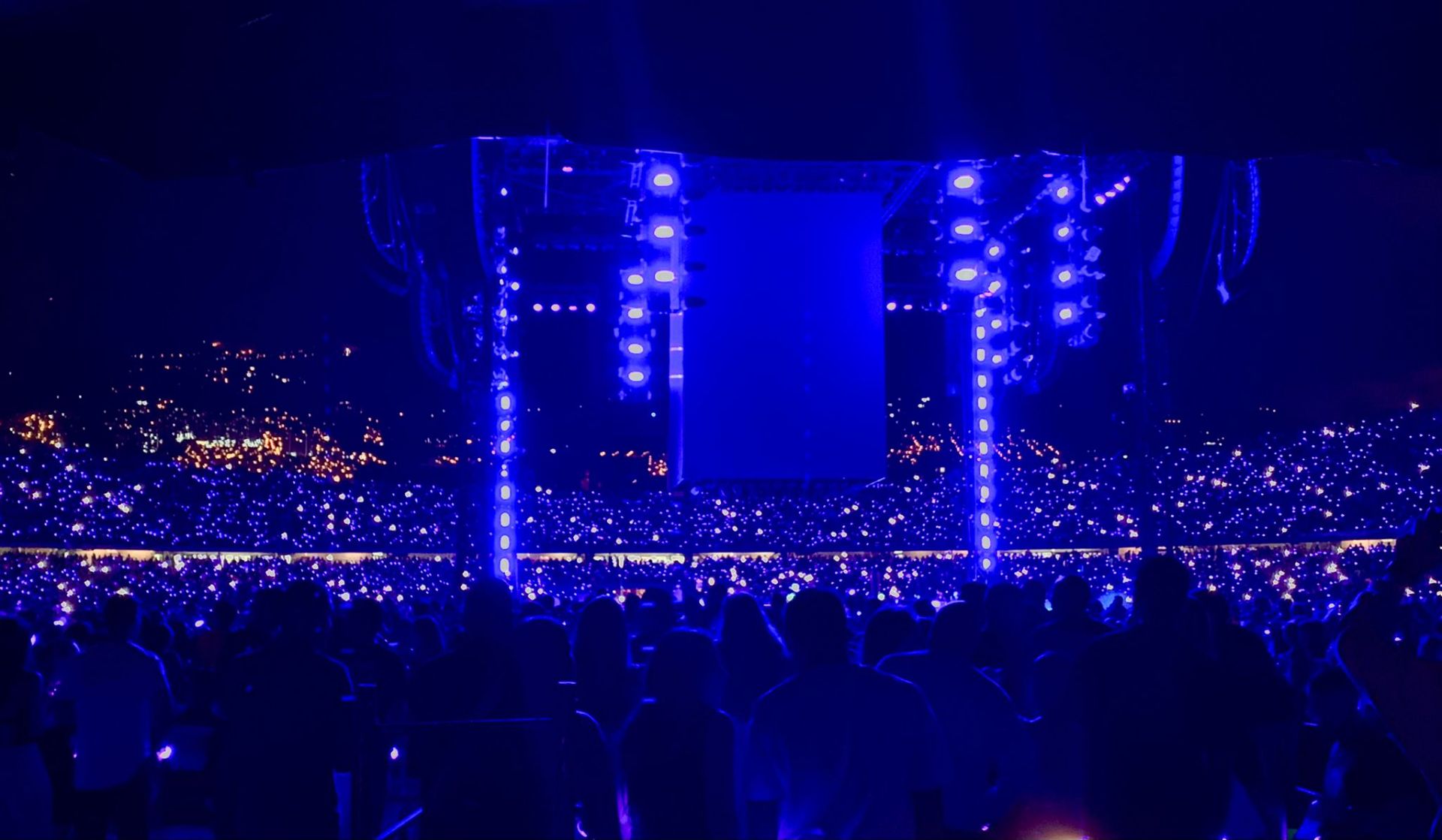
This is where the conversation shifts to technology, specifically the role of light as a unifying medium. While sound can be overwhelming or inaccessible to guests who are d/Deaf or hard of hearing, a shared visual experience can create a powerful, non-verbal language that an entire audience can understand simultaneously. This is the foundational principle behind Xylobands and the global movement toward LED Crowd Experiences.
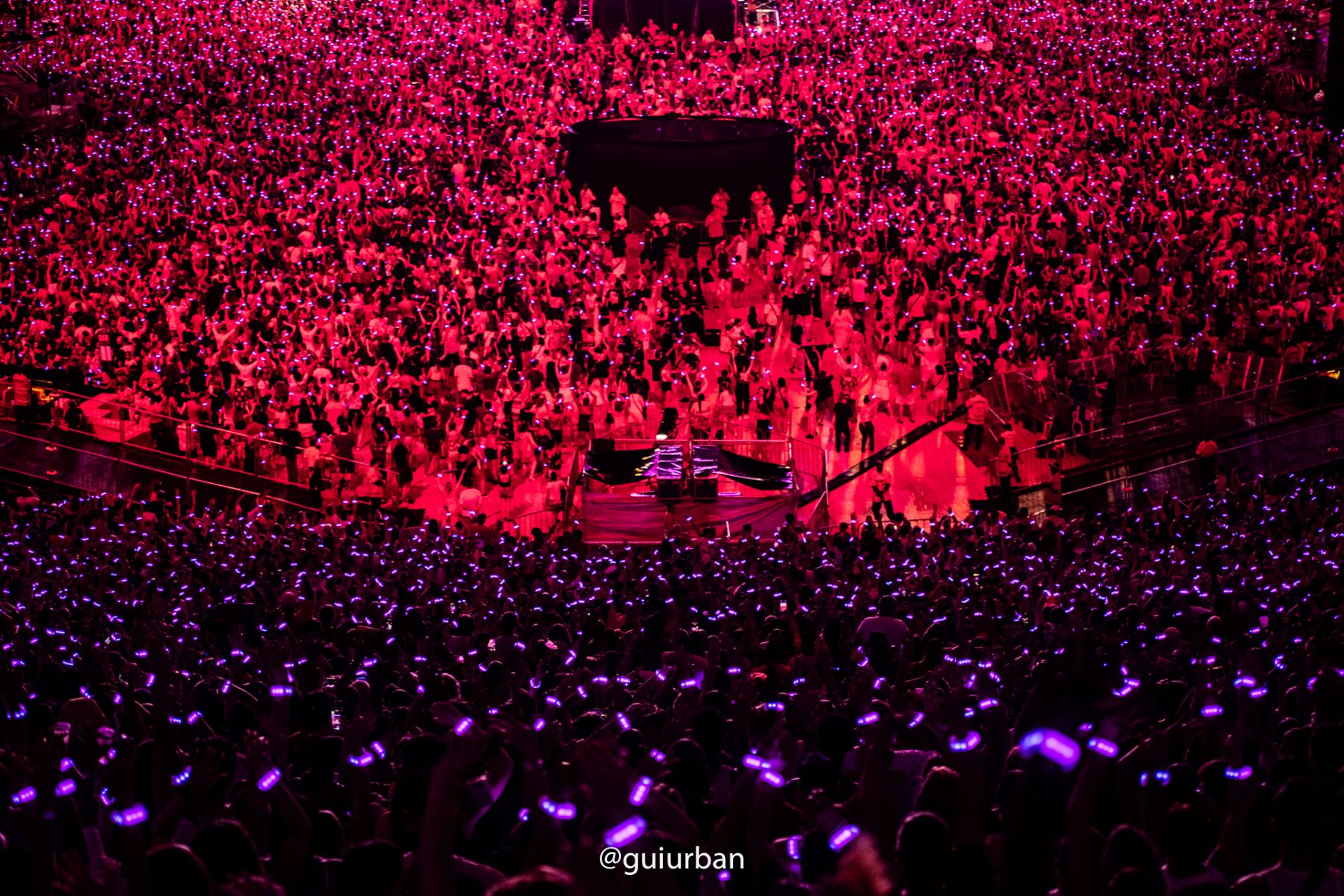
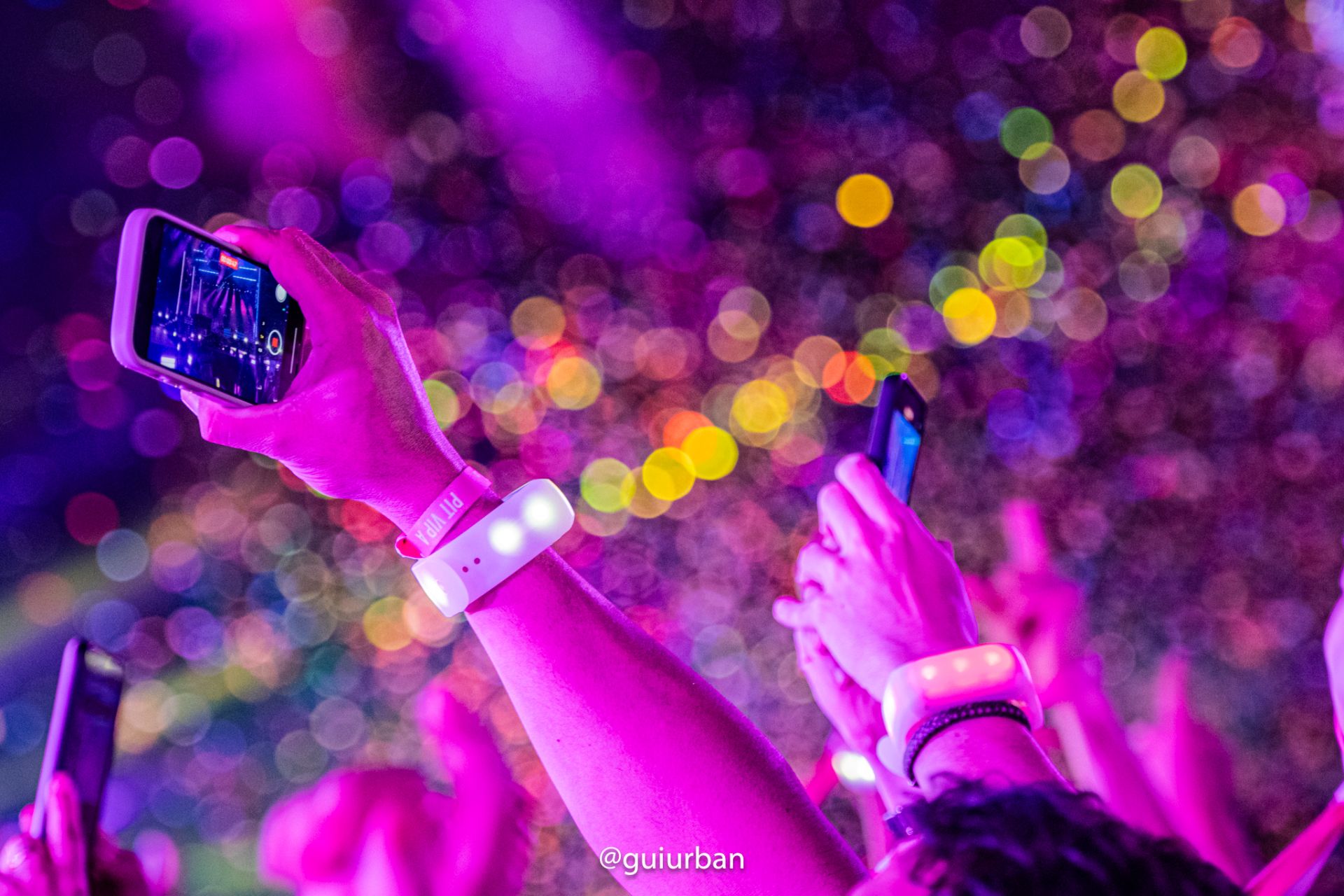
When an entire stadium, arena, or festival field is united by pulses of light, controlled and synchronized to the central performance, individual differences in sensory processing begin to fade. The experience becomes a collective one. A person who may be overwhelmed by chaotic, uncoordinated lighting can find a sense of rhythm and predictability in a synchronized show. For a guest with hearing loss, the radio-controlled LED wristbands translate the auditory energy of the event into a visual and tactile one, painting the music’s emotional arc in color and light across their own body and the entire crowd. It doesn’t just augment the show; it makes the emotional core of it accessible in a new dimension.
Designing with Intent: Control and Personalization
Inclusive design isn’t about creating a single, one-size-fits-all experience. It’s about providing control and choice. Modern immersive event technology offers producers an unprecedented level of granular control over the audience environment. This technical capability is the key to unlocking more sophisticated approaches to sensory inclusion.
Imagine segmenting a venue not just by ticket price, but by sensory experience. The core technology that powers Xylobands allows for the division of an audience into countless zones. It’s entirely possible to create areas with softer, more ambient light patterns for those who need a calmer environment, while still delivering high-energy, fast-paced effects elsewhere. This isn’t a theoretical capability; it’s a practical application of our system’s core design.
During the production for F1’s 75th-anniversary celebration, for example, custom LED Lanyards were meticulously positioned around The O2 Arena based on the specific dynamic effects the creative team wanted to achieve. This same zoning principle can be applied to create more inclusive environments, demonstrating that designing for accessibility and for creative impact are not mutually exclusive goals—they are two sides of the same coin.
The Unifying Power of a Shared Visual Experience
Whether at a massive music festival or an intimate corporate gathering, the goal is often the same: to make a large group of individuals feel like part of a single, unified entity. Our wearable LED technology has become a cornerstone for achieving this across a vast spectrum of event types.
- At global concerts for artists like Maluma or Wizkid, tens of thousands of fans from diverse backgrounds are united in a single visual spectacle, their Concert Wristbands turning them from spectators into an essential part of the show’s architecture.
- For major sporting events like the Davis Cup, synchronized light reinforces fan allegiance, transforming an entire stadium into a pulsating, visible expression of support that transcends language and background.
- During Corporate Event Activations, the technology serves to break down internal silos, uniting employees from different departments and levels of seniority in a shared, memorable brand moment, reinforcing the message that everyone is a key part of the collective mission.
This unifying effect is a powerful form of inclusion. It fosters a sense of belonging on a visceral, emotional level, making each person feel seen and valued as part of the whole.
The Future of Inclusive Spectacle
The journey of Xylobands began with a simple observation at a Coldplay concert—a vision of turning a crowd into a connected light show. That initial spark has grown into a global exploration of what it means for an audience to participate in an event. As we look to the future, the principles of inclusive design and sensory accessibility are at the forefront of this exploration.
The next generation of immersive events will be defined by their ability to cater to a wider spectrum of human experience. It will involve a deeper integration of light, sound, data, and even haptic feedback to create environments that can be personalized and controlled. The future of LED event technology is not just about making bigger and brighter spectacles. It’s about creating smarter, more empathetic, and more universally welcoming ones.
By shifting our perspective from purely physical access to multi-sensory inclusion, we can build live experiences that are not just more accessible, but more powerful, memorable, and profoundly human for everyone involved. The light, it turns out, really can guide everyone home.