The Sentient Stadium: A New Era of Crowd Intelligence
From Spectacle to Sentience: The New Frontier of Crowd Intelligence
For decades, the primary metrics of success for any large-scale event were simple: ticket sales, concession revenues, and decibel levels. A full house and a loud crowd signaled a victory. But in the background, a quiet revolution has been brewing, one that shifts the focus from simple presence to active participation, from passive observation to dynamic interaction. Welcome to the era of the sentient stadium—an environment where technology, data, and human psychology converge to create smarter, safer, and more deeply immersive events.
The modern mass gathering is a complex ecosystem. Tens of thousands of individuals, each with their own expectations and behaviors, converge in a single space. Managing the flow, safety, and experience of this temporary city is one of the most critical challenges facing event producers today. Traditional methods of crowd control—static barriers, generalized security deployments, and reactive interventions—are rapidly becoming insufficient. The future lies not in controlling crowds, but in understanding and communicating with them.
The Data of Movement: Beyond Headcounts
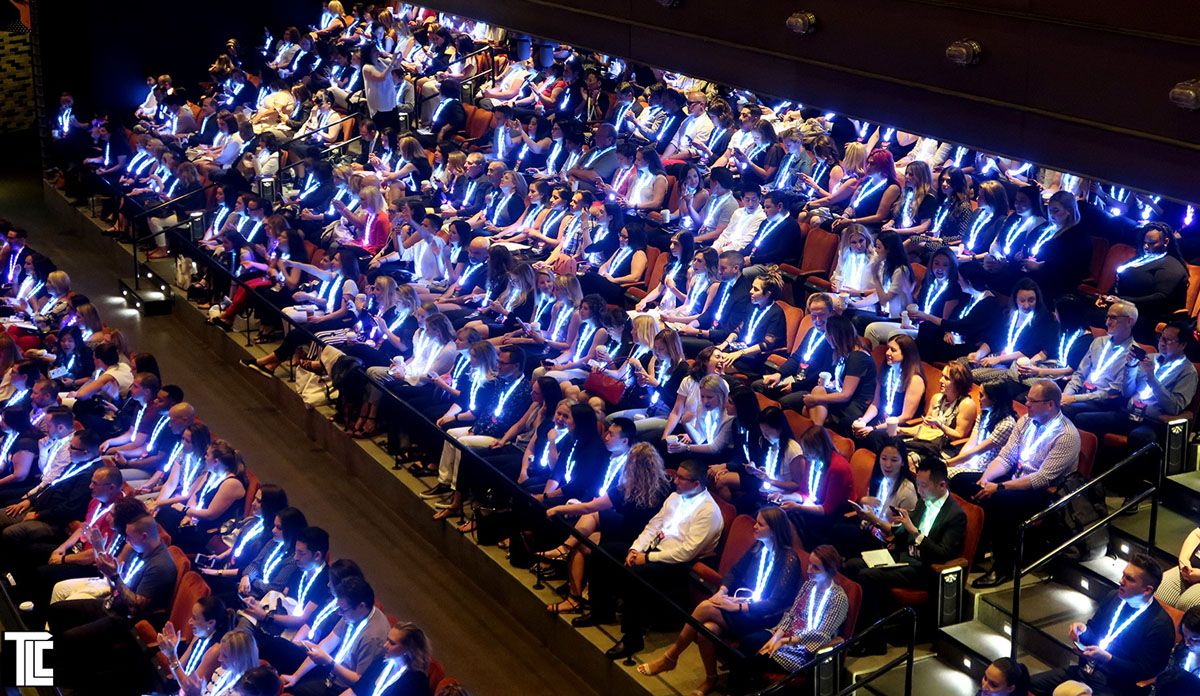
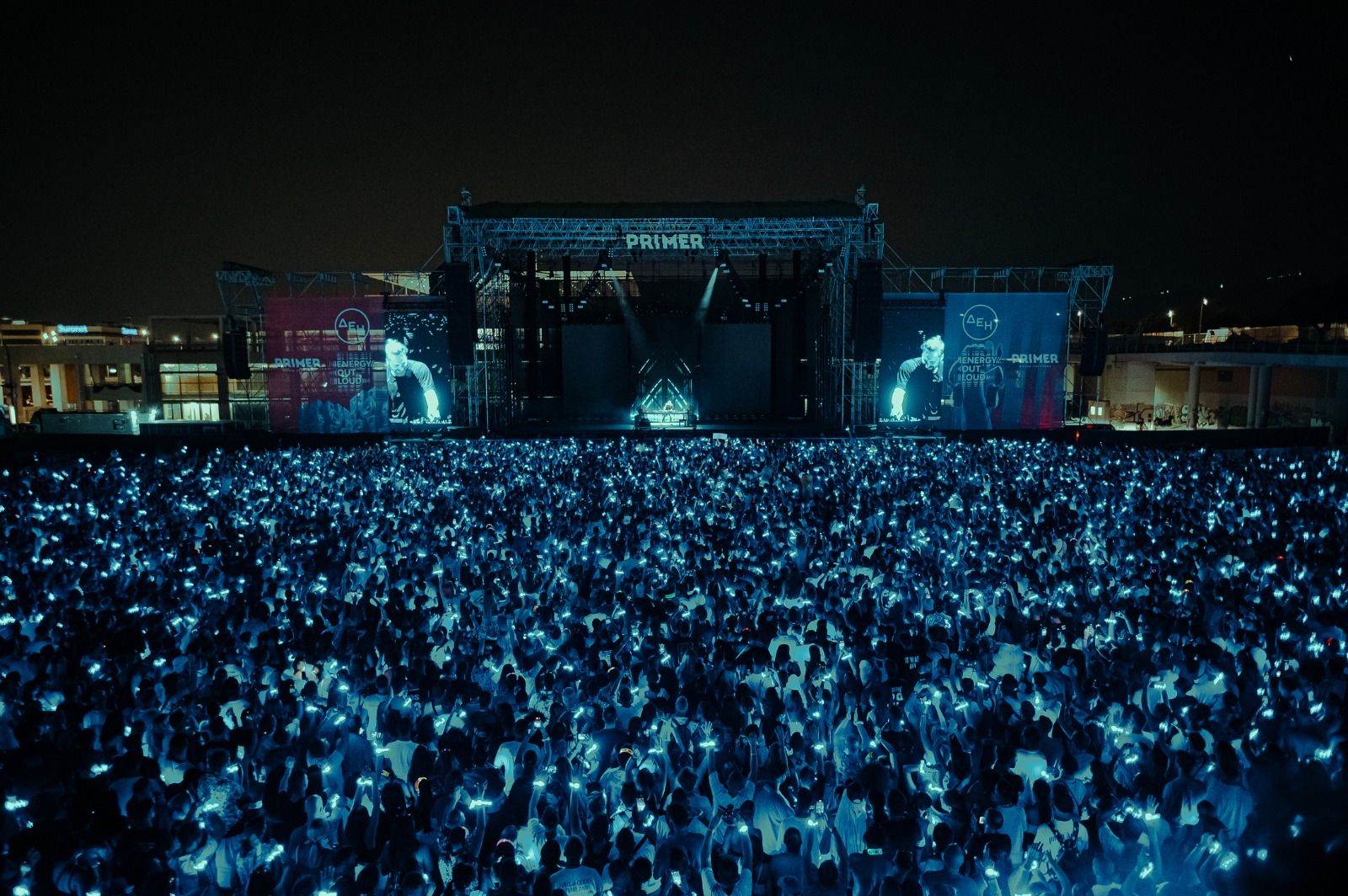
At its core, crowd analytics is about understanding movement and behavior on a macro scale. Historically, this has been a low-fidelity science, relying on aerial footage and manual counts. But the advent of wearable LED technology and other connected devices has opened up a new frontier. When an audience member wears a device like a Xyloband, they are not just part of a light show; they become a moving data point in a dynamic, real-time map of the event space.
This network of light creates an unprecedented level of insight:
- Density Mapping: By tracking the concentration of active wristbands, event managers can identify potential bottlenecks or overcrowding in real-time. This allows for proactive adjustments, such as redirecting foot traffic or deploying additional staff to specific zones before a situation becomes critical.
- Flow Analysis: How does a crowd move during ingress, egress, and key moments of a show? Understanding these patterns allows for smarter environmental design, from the placement of facilities to the timing of intermission periods, minimizing congestion and improving the overall guest experience.
- Emergency Response: In a crisis scenario, the ability to instantly communicate with the entire audience is invaluable. LED wristbands can be programmed to flash in specific colors or patterns to guide attendees toward safe exits, creating a clear, intuitive visual language that cuts through the noise and confusion of an emergency.
Choreographing Safety: A Proactive Approach
The true power of this technology lies in its ability to shift event management from a reactive to a proactive stance. Instead of responding to incidents after they occur, producers can anticipate and mitigate risks before they escalate. Think of it as a form of "digital choreography," where the movement of the crowd is guided by subtle, responsive cues.
Consider a large-scale music festival like Greece’s PRIMER Music Festival. With thousands of fans moving between stages, food vendors, and rest areas, maintaining a safe and comfortable environment is a logistical puzzle. By leveraging the data from festival wristbands, organizers can gain a clear picture of crowd dynamics, identifying areas of high density and rerouting attendees to less congested pathways, all without overt, intrusive instructions.
“The ability to see and subtly influence how a crowd is distributed is a game-changer for event safety. It’s the difference between building a dam and diverting a river.”
The Human Element: Technology as a Bridge, Not a Barrier
It is crucial to remember that technology is a tool, not a replacement for human intuition and connection. The goal of crowd analytics is not to turn attendees into statistics, but to better understand their collective experience and enhance their safety and enjoyment. When an entire stadium lights up in sync with a goal at a Davis Cup match or a key moment in a Maluma concert, it creates a powerful sense of unity and shared experience. This is the core of what makes live events so special.
Products like Xylobands serve as a bridge between the digital and the physical, transforming passive attendees into active participants. They are a key component of the immersive, LED crowd experiences that modern audiences crave. From custom pendants at a Formula One celebration to the iconic Coldplay Xylobands, these devices demonstrate that safety and spectacle can be two sides of the same coin.
The data generated by this immersive event technology is not just for security teams. It provides invaluable feedback for creative and production designers. Understanding which moments generate the most excitement or how an audience responds to different lighting cues allows for the continual refinement of the show itself, creating a feedback loop of engagement that deepens the connection between artist and fan.
The Future of the Live Experience
The sentient stadium is no longer a futuristic concept; it is a present reality. As event producers, tour managers, and brand marketers, our responsibility extends beyond the stage and the balance sheet. It encompasses the well-being and psychological comfort of every single person in the audience.
By embracing the power of data and radio controlled LED wristbands, we can design events that are not only more spectacular but also inherently safer and more intuitive. We can move beyond simply managing crowds to actively collaborating with them, creating a seamless, responsive environment where everyone feels connected, secure, and part of something truly extraordinary. The lights are no longer just on the stage; they are in the crowd, and they are guiding us toward a smarter, safer future for live events.