The Twelfth Man, Illuminated: Crowd Choreography in the Modern Sporting Spectacle
From Sideline Cheer to Centerpiece Spectacle
The halftime show is a sacred institution in sports. For decades, its anatomy was predictable: marching bands, local dance troupes, and the occasional firework. It was an interlude, a moment to grab a hot dog before the main event resumed. That era is definitively over. Today, the halftime show is a headline act in its own right—a multi-million dollar production where the stakes are as high as in the game itself. But the most significant evolution isn’t happening on the field. It’s happening in the stands.
The modern sporting spectacle has discovered its "twelfth man" in a new and dazzling way. The crowd is no longer a passive observer, a mere source of ambient noise. Through the strategic deployment of Immersive Event Technology, the audience has become a living, breathing, and programmable part of the show’s design. This is the new frontier of sports entertainment: the art of crowd choreography, where tens of thousands of individuals are unified into a single, kinetic canvas of light.
The Technology of Unity
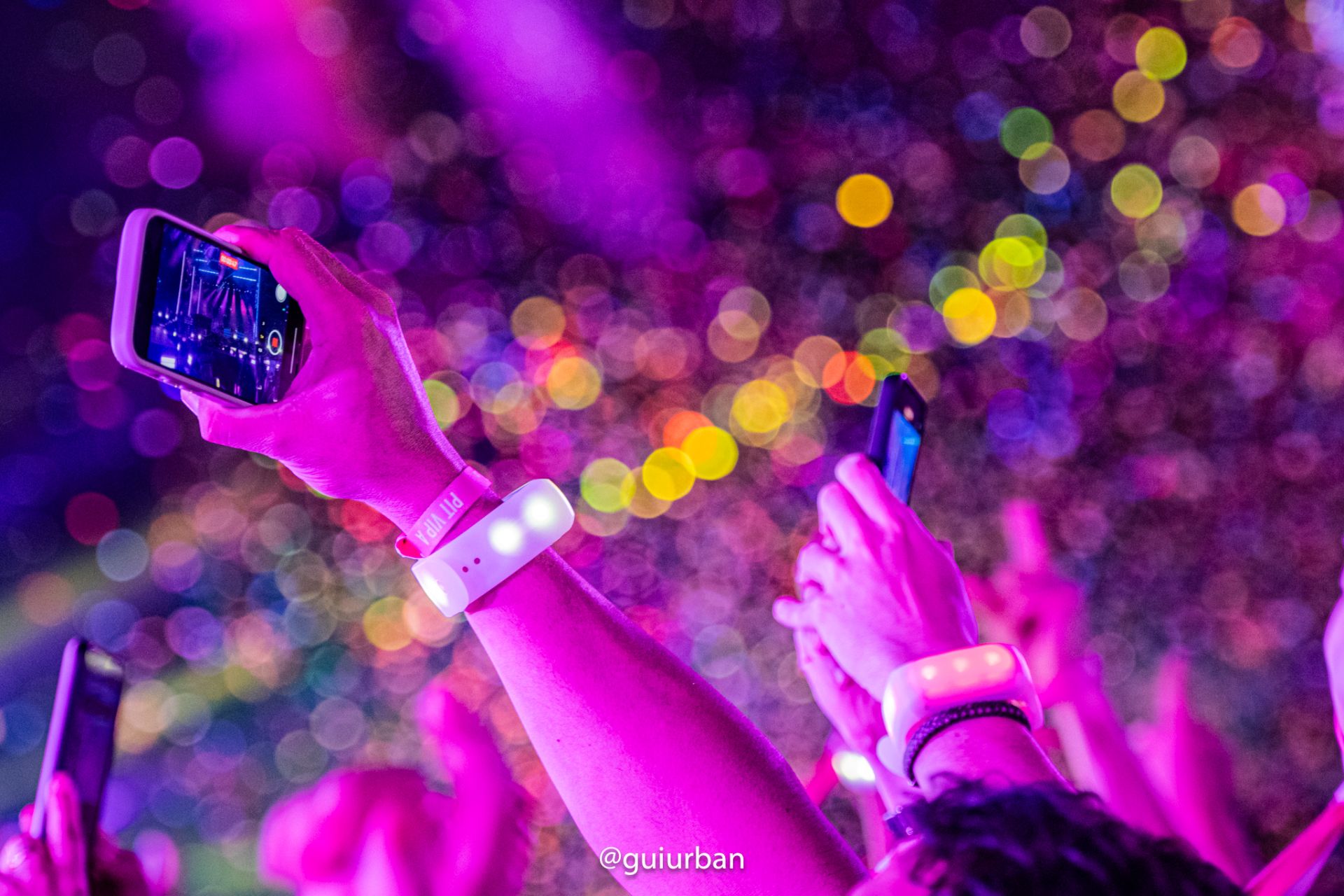
Orchestrating a unified visual spectacle across a stadium filled with 70,000 individuals presents an immense technical challenge. The solution lies in Wearable LED Technology, a field pioneered and perfected by Xylobands. By equipping every fan with a radio-controlled device—often LED Bracelets or LED Lanyards—show designers gain an unprecedented level of control over the stadium’s visual environment.
At its core, the system is a powerful combination of hardware and software. A central transmitter sends signals across the venue, communicating with each individual wristband. These signals are not simply "on" or "off." They are nuanced commands that can dictate color, intensity, and effect, all timed to the millisecond. This allows for the creation of intricate, dynamic visuals that flow across the crowd:
- Synchronized Pulses: The entire stadium can flash in unison with a musical beat or a dramatic on-field moment, amplifying the collective energy.
- Sweeping Color Waves: Designers can "paint" with the crowd, sending waves of team colors washing from one end of the stadium to the other.
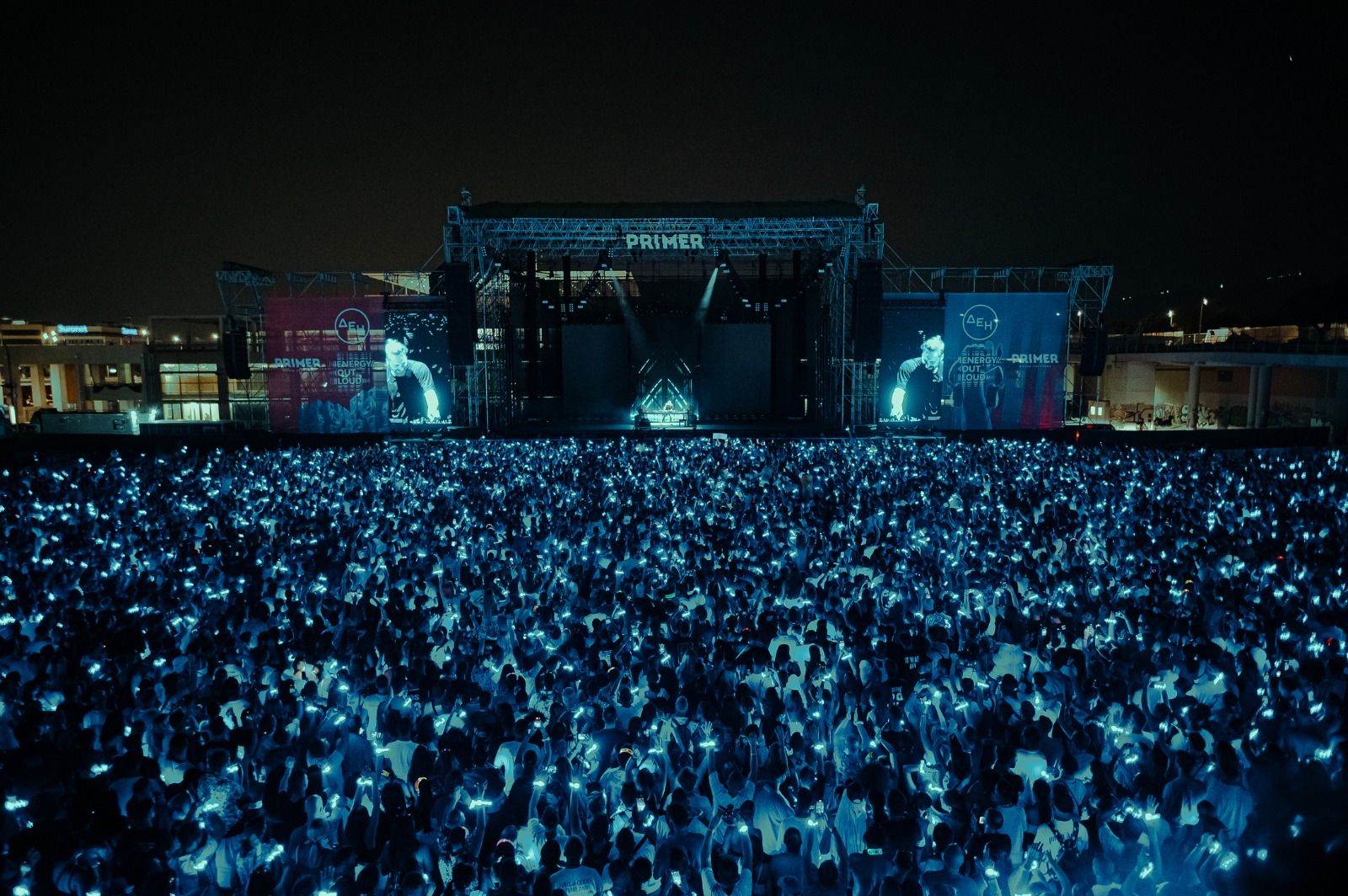
- Targeted Zones: The technology allows for the division of the stadium into dozens of programmable zones. This enables designers to isolate specific sections, creating complex patterns, spelling out names, or animating logos across the seating bowl.
This is the engine of modern LED Crowd Experiences. It’s the same robust technology that has illuminated audiences at global music events, from Glastonbury to tours with Coldplay, but repurposed for the unique drama of sport.
The Unseen Choreography
The term "choreography" is key. While the technology is the medium, the artistry lies in its application. Live-experience designers and show producers now work with a new type of performer: the crowd itself. The choreography is planned with the same meticulous detail as the dancers’ routines on the field.
A show’s lighting director can now think beyond the stage rig and the stadium floodlights. They have tens of thousands of mobile pixels at their command. A crescendo in the music can be mirrored by a pulse of light that emanates from the stage and rushes to the upper decks in seconds. A touchdown or a goal can trigger an explosive, glittering celebration across the entire fanbase. For the 75th anniversary of Formula One, custom Xylo Pendants were distributed to fans, with effects designed to match the high-octane energy of the world’s fastest sport, turning the O2 Arena into a dynamic reflection of the action.
These LED Experiences forge a powerful psychological connection. Fans are no longer just watching the show; they are in it. Their wristband, an extension of their presence, becomes a vital component of the spectacle. This shift from passive to participant is fundamental to the appeal and power of modern Immersive Events.
Designing for Two Audiences
The In-Stadium Experience vs. The Broadcast Spectacle
This new form of crowd choreography must serve two distinct audiences: the fans in the seats and the millions watching the broadcast at home. What makes this technology so effective is that it enhances both experiences simultaneously.
For the fan in the stadium, being part of a synchronized light show is a deeply communal and memorable experience. It fosters a sense of unity and shared purpose that traditional cheering alone cannot match. It’s a tangible, visible representation of collective spirit.
For the broadcast audience, the effect is arguably even more profound. Wide-angle shots from blimps and overhead cameras capture the breathtaking scale of the spectacle. The stadium is no longer a static backdrop but a dynamic, shimmering entity. This visual grandeur elevates the production value of the entire event, translating the raw energy of the live crowd into a compelling visual narrative for viewers at home. Collaborations with broadcast giants like ITV are built on this understanding: a visually spectacular live event is a more engaging television product.
The Future is Interactive and Illuminated
The choreography of light is a constantly evolving discipline. As technology advances, the potential for even greater immersion grows. The future may see deeper integration with real-time data—perhaps the roar of the crowd itself could influence the intensity and color of the light show, creating a true feedback loop of energy.
What is certain is that the role of the audience as a passive observer is a relic of the past. The modern sporting event, especially its crown jewel halftime show, is a fully immersive, participatory spectacle. It demands a technical and creative partnership capable of transforming an entire stadium into a single, sentient canvas. The "twelfth man" is no longer just heard; thanks to the precise choreography of light, they are seen, illuminating the very pinnacle of sports and entertainment.