The Unified Command: A Leadership Model for Complex Creative Productions
The Stillness Before the Storm
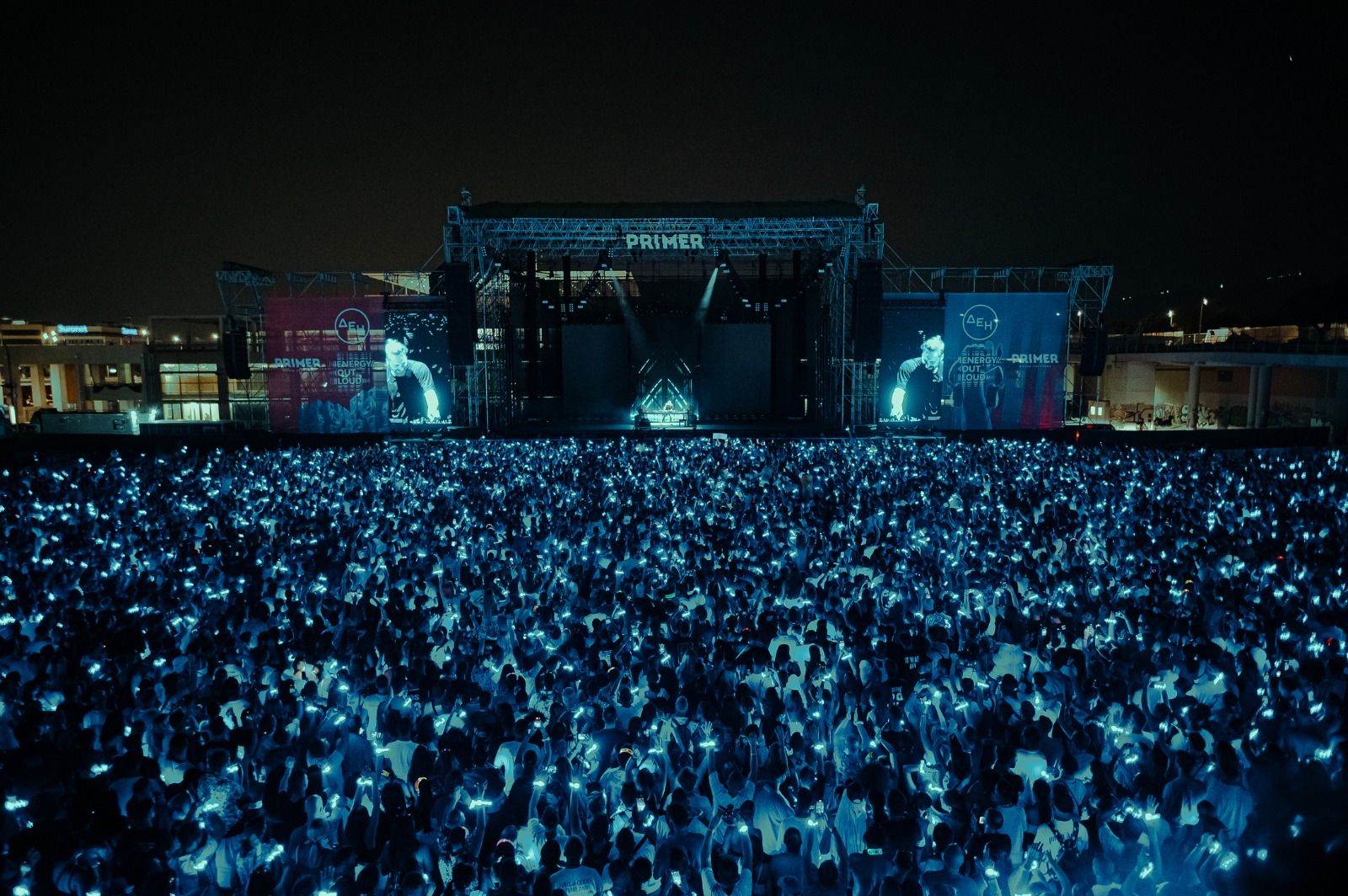
It’s the most electric silence in entertainment. The house lights are down, the air is thick with anticipation, and a hundred thousand people hold a collective breath. Backstage, or in a control booth high above the floor, a different kind of quiet holds. It’s the focused calm of the unified command—a network of dozens, sometimes hundreds, of specialists, all poised to execute a single, colossal task. On the comms, a voice—the Show Director, the Production Manager, the Tour Director—gives the final “standby.” This is the point of no return. And in this moment, the success or failure of a multimillion-dollar production rests not on a single person, but on the leadership framework that binds them all together.
Modern live production, whether for a global stadium tour, a high-profile corporate launch, or a festival broadcast to millions, is an exercise in managed complexity. The lone-genius auteur is a myth. Today’s spectacles are built by an ecosystem of hyper-specialized teams: audio engineers, lighting designers, video programmers, SFX technicians, network specialists, and creators of Immersive Event Technology. The art of leadership in this environment is not in knowing how to do everyone’s job. It is in creating a structure where every specialist can do their job to the highest possible standard, in perfect sync with everyone else.
Principle 1: Establish the Single Source of Truth
In a complex production, clarity is currency. The most critical function of a leader is to establish and protect a single source of creative and operational truth. This is the vision, handed down from the artist or brand, and translated by the production’s leadership into a concrete, actionable plan. Every department head, from the lighting designer to the team deploying Radio Controlled LED Wristbands, must be working from the same blueprint.
This isn’t about top-down dictatorship; it’s about creating a shared language. When the creative directive is clear—'we want this moment to feel intimate,' 'this beat drop needs to be explosive,' 'the brand reveal must be a surprise'—it empowers each team to apply its expertise toward that common goal. Without this central vision, departments begin to drift, making decisions in isolation. The light show competes with the video, the audio is out of sync with the pyrotechnics, and the potential for a truly cohesive audience experience dissolves. The leader’s job is to be the unwavering keeper of that vision, ensuring every decision, from every department, serves the story.
Principle 2: Lead Experts, Don’t Manage Them
The paradox of leading a high-stakes production is that you are in charge of people who know more than you do about their specific domain. The temptation to micromanage is a fast track to disaster. The best leaders hire brilliant specialists and then create the conditions for them to do their best work. This means defining the 'what'—the desired outcome—and trusting the experts to architect the 'how'.
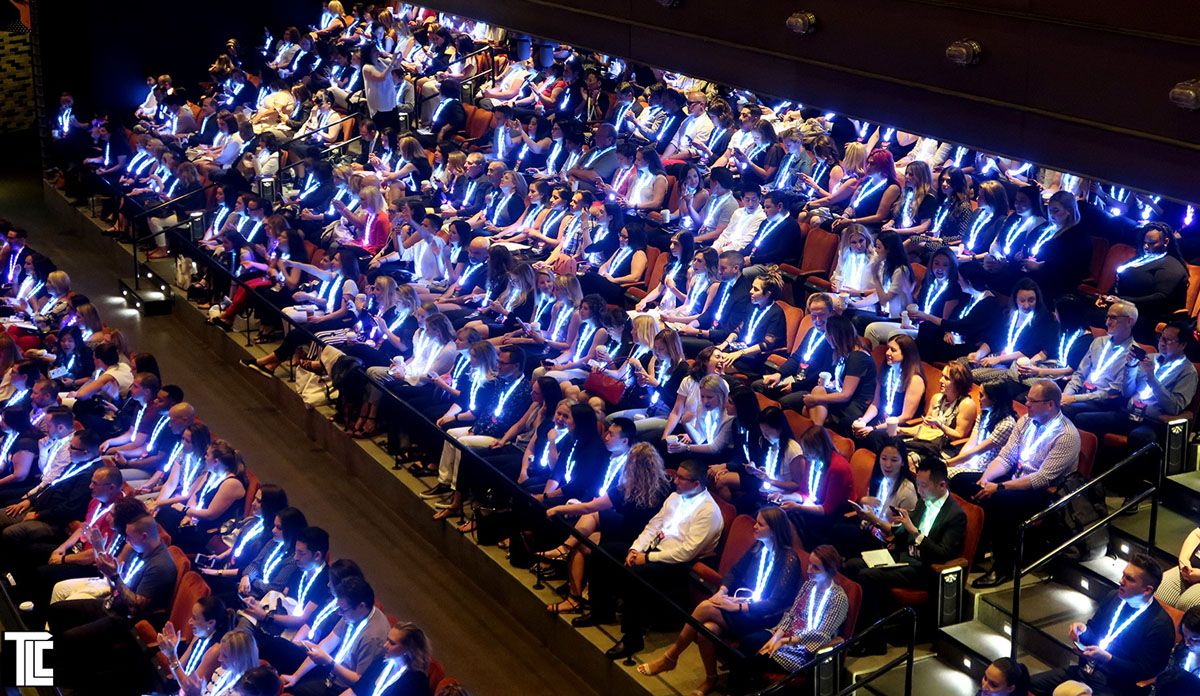
Consider the logistics of a major event like Formula One’s 75th-anniversary celebration. The creative team envisioned an immersive experience for a live arena audience and a global broadcast. Part of this involved deploying 13,000 custom LED Lanyards, each branded for different teams and hospitality tiers, and positioned precisely to create specific lighting effects. A leader doesn’t need to know the granular details of RF frequency allocation or the distro plot for those pendants. Their role is to provide the clear objective, approve the plan, and then empower the specialist team—in this case, Xylobands—to execute the complex logistics. This philosophy of trust and autonomy is what allows for the seamless execution of massive Corporate Event Activations and global tours for artists like Maluma or Wizkid.
Principle 3: Cultivate Grace Under Pressure
No show plan, no matter how detailed, ever survives first contact with reality. Equipment fails. Cues are missed. The weather turns. In these moments, the entire production looks to its leader, not for a magic solution, but for a reaction. Panic is contagious, but so is calm.
A leader who remains centered, who treats a problem as a puzzle to be solved rather than a catastrophe to be feared, transforms the entire crew into a collaborative problem-solving unit. They lean on the established chain of command, trusting their department heads to diagnose and report. They communicate clearly and decisively, isolating the issue and directing resources without creating collateral chaos. This composure is the psychological anchor of the entire production. It’s what turns a potential show-stopping incident into a minor hiccup that the audience never even notices. It’s the embodiment of the trust placed in the team: we hired experts for a reason, and this is where they shine.
Principle 4: Ego Last, Mission First
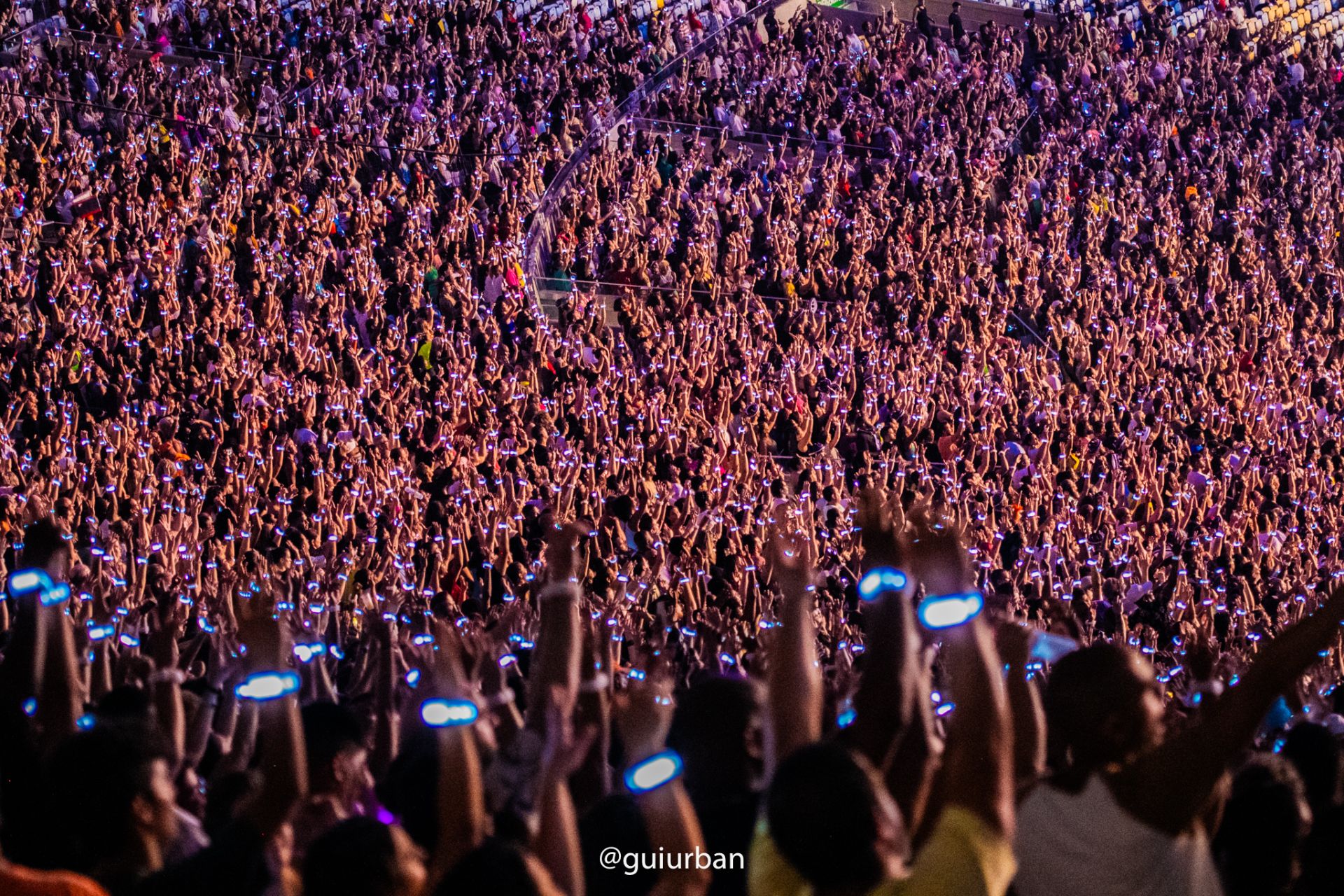
Ultimately, the leadership of a major live event is an act of service. It serves the artist’s vision, it serves the crew who execute that vision, and it serves the audience who has come to be transported. The leader is at times a director, a diplomat, a logistician, and a strategist, but they are always the custodian of the shared goal. The credit for a stunning lighting cue belongs to the LD and their team. The flawless sound belongs to the audio department. The breathtaking moment when 50,000 Concert Wristbands light up in unison belongs to the immersive tech specialists who programmed and deployed them.
The leader’s success is measured by the seamless fusion of these elements into a single, unforgettable experience. It’s a role that requires the confidence to make the final call and the humility to be invisible. From the initial creative spark—like the one that led to the first Coldplay Xylobands lighting up a stadium—to the final encore, the mission is to unify a legion of artists and technicians. The output is a spectacle of light and sound, but the foundation is a quiet, resilient, and unified command. This is the unseen architecture of awe, and the future of Immersive Events depends on it.