The Unseen Engine: Deconstructing the R&D Culture of a Global Events Technology Brand
From Napkin Sketch to Global Spectacle: The Discipline of Innovation
Every groundbreaking live event begins not with a spectacle, but with a question. For the artist, it might be, "How can we create a deeper connection?" For a brand, "How do we make this moment unforgettable?" For the technical producer, it's often more direct: "Is this even possible?" At the intersection of these questions lies the domain of research and development—a discipline that transforms speculative ideas into the tangible, reliable, and awe-inspiring technology that defines modern immersive events.
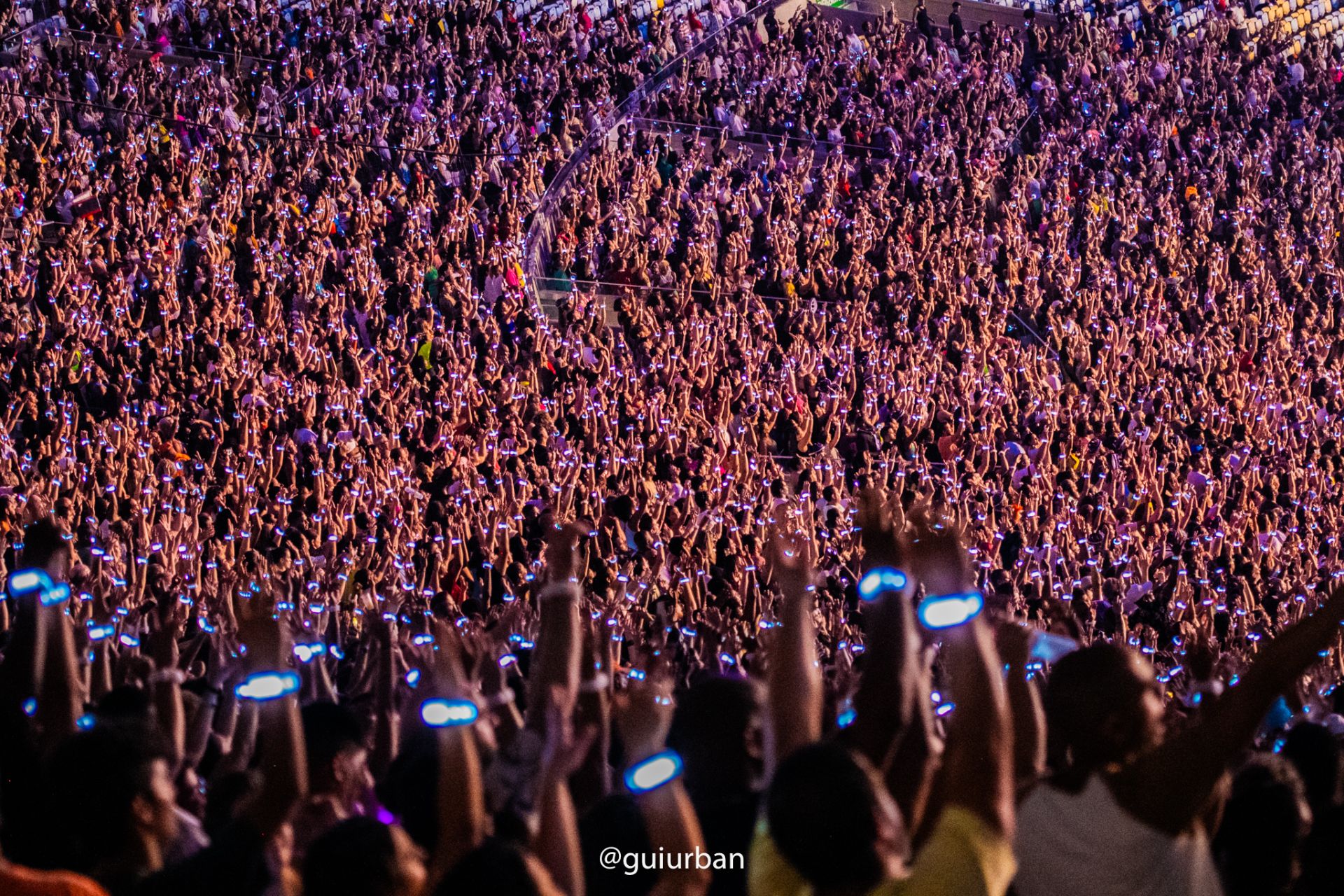
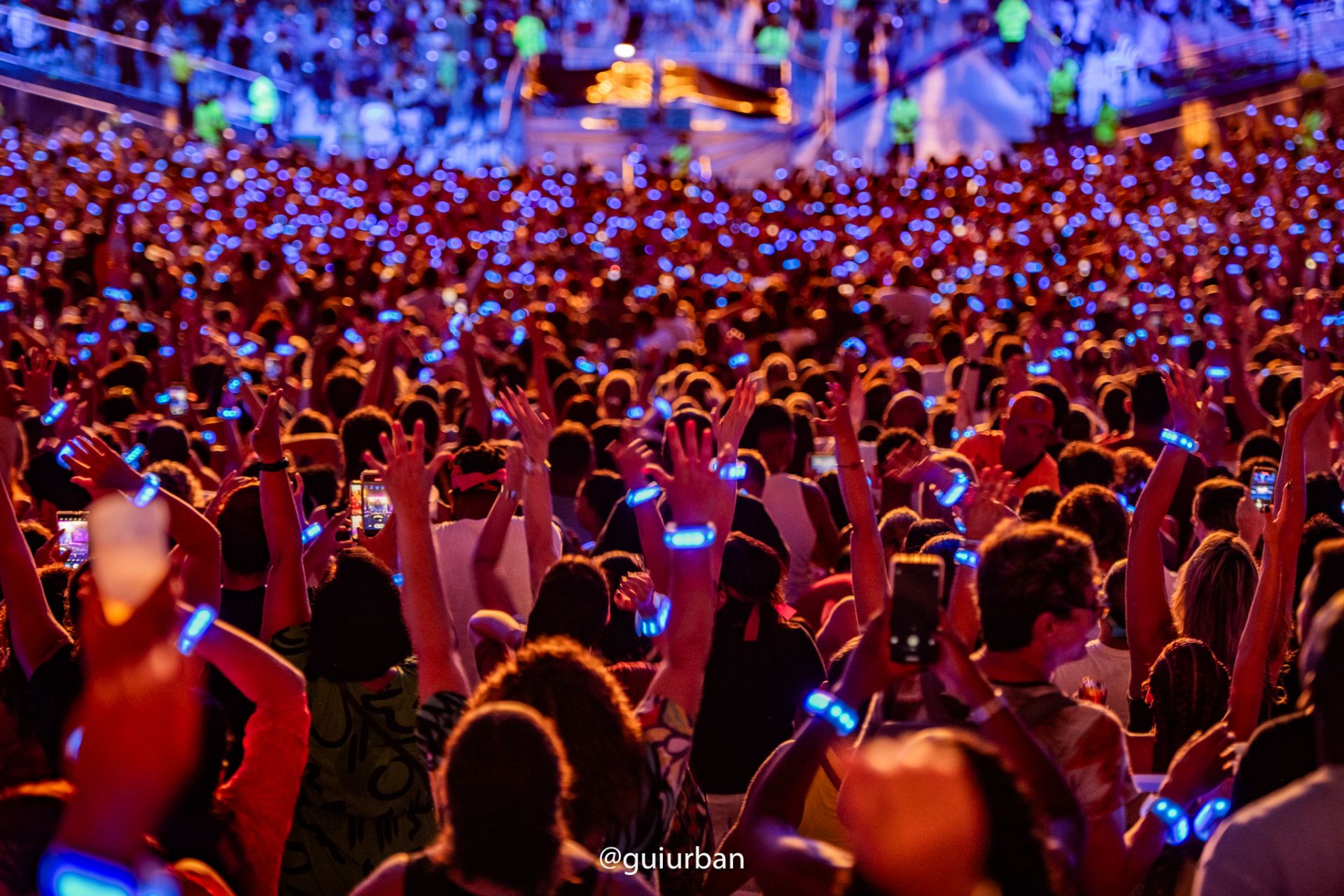
The journey from a concept sketched on a napkin to a piece of wearable LED technology deployed across a stadium of 50,000 fans is not one of eureka moments, but of rigorous process. It’s a culture built on relentless iteration, a deep understanding of operational realities, and a zero-failure mandate. This isn’t just about making things blink; it’s about architecting moments of mass human connection, underwritten by flawless technical execution.
The Perpetual Prototype Philosophy
In the world of live productions, technology is not static. A product is never truly "finished." It is a perpetual prototype, constantly evolving based on feedback from the world’s most demanding environments: global music tours, live television broadcasts, and international sporting championships. The LED wristbands used on a Coldplay tour are not the same as the custom pendants for a Formula One gala or the LED lanyards at a corporate leadership summit. Each application presents a new set of challenges and, therefore, a new opportunity for innovation.
This philosophy demands a specific R&D mindset:
- Environmental Extremism: Technology must be robust enough to function flawlessly whether in the rain-soaked field of Glastonbury, the controlled chaos of a live broadcast studio like for ITV's 'Beat The Chasers', or the high-humidity of a stadium in Medellín for a Maluma concert. RF performance, battery life, and material durability are tested against worst-case scenarios, not ideal conditions.
- Operational Empathy: We must think like the roadie, the volunteer, and the warehouse manager. How can we streamline deployment, collection, and recycling? How do we simplify the charging process for 30,000 units? This led to innovations like the Xyloband Lite, which debuted on Wizkid’s tour, focusing on efficient logistics without compromising the audience experience.
- Creative Elasticity: The technology must be a canvas, not a limitation. A lighting designer needs granular control, DMX integration, and the ability to zone crowds into intricate patterns. The system must be powerful enough for a stadium-wide spectacle but nuanced enough for subtle, emotional cues.
Decoding the Signal: The Technical Core of LED Experiences
At the heart of every LED crowd experience is a complex interplay of radio frequency (RF) transmission, power management, and software engineering. The core mission of our R&D is to make this complexity invisible, creating a seamless experience for both the audience and the production team.
Our work focuses on several key pillars:
1. Signal Integrity and Scalability
Transmitting a signal simultaneously to tens of thousands of individual devices in a dense, unpredictable RF environment (filled with security radios, broadcast equipment, and countless mobile phones) is a monumental challenge. Our R&D is a constant pursuit of more robust, longer-range, and more reliable RF protocols. This ensures that whether we are lighting up concert wristbands in The O2 Arena or activating pendants at a festival like Primer in Athens, the signal is instantaneous and universal. The show’s creative depends on it.
2. Power and Efficiency
The brightest flash and the most vibrant colours are meaningless if the battery dies halfway through the encore. Our engineers are obsessed with power efficiency. This involves everything from optimizing LED output and processor sleep cycles to developing more efficient charging and battery chemistries. For multi-day events or sustainable tours, this becomes a critical logistical and environmental consideration.
3. Material Science and Ergonomics
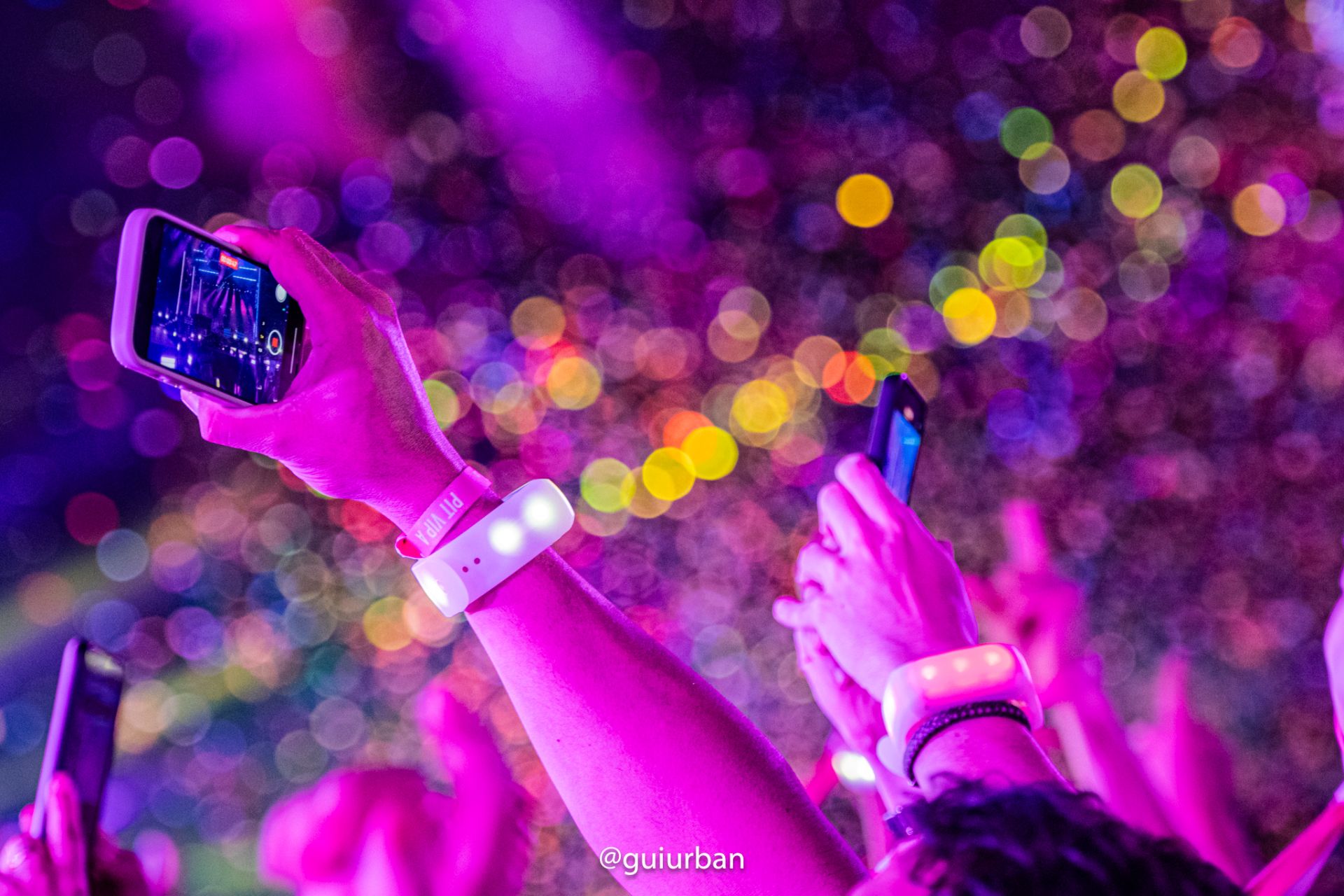
A Xyloband is a piece of technology the audience wears. It must be comfortable, durable, and brandable. We experiment constantly with new materials, closures, and form factors—from classic LED bracelets to pendants, lanyards, and even illuminated LED Orbs. For the Formula One 75th anniversary, this meant engineering a custom Xylo Pendant that could carry the branding of all 10 teams, a testament to how product design can be tailored to a specific event’s narrative.
The Human Algorithm: Beyond the Hardware
Ultimately, the "R" in R&D stands for "research," and our most important research subject is the audience itself. We study the psychology of crowds, the science of shared emotion, and the physics of how light can transform a space. When we develop a new effect, we’re not just programming LEDs; we’re scripting a moment of collective effervescence. We are engineering a tool for artists and brands to forge a genuine, memorable connection.
The goal of all our R&D is to make the technology disappear, so all that’s left is the experience. We are not in the business of selling radio controlled LED wristbands; we are in the business of manufacturing awe.
This is the unseen engine. It’s a relentless, disciplined, and deeply collaborative process that ensures when the house lights go down and the first cue is triggered, the technology doesn’t just work—it creates magic. And then, the next day, we get up and ask the same question all over again: "How can we make it better?"