The Unseen Loop: A Philosophy for R&D in Live Event Technology
The Unseen Loop: A Philosophy for R&D in Live Event Technology
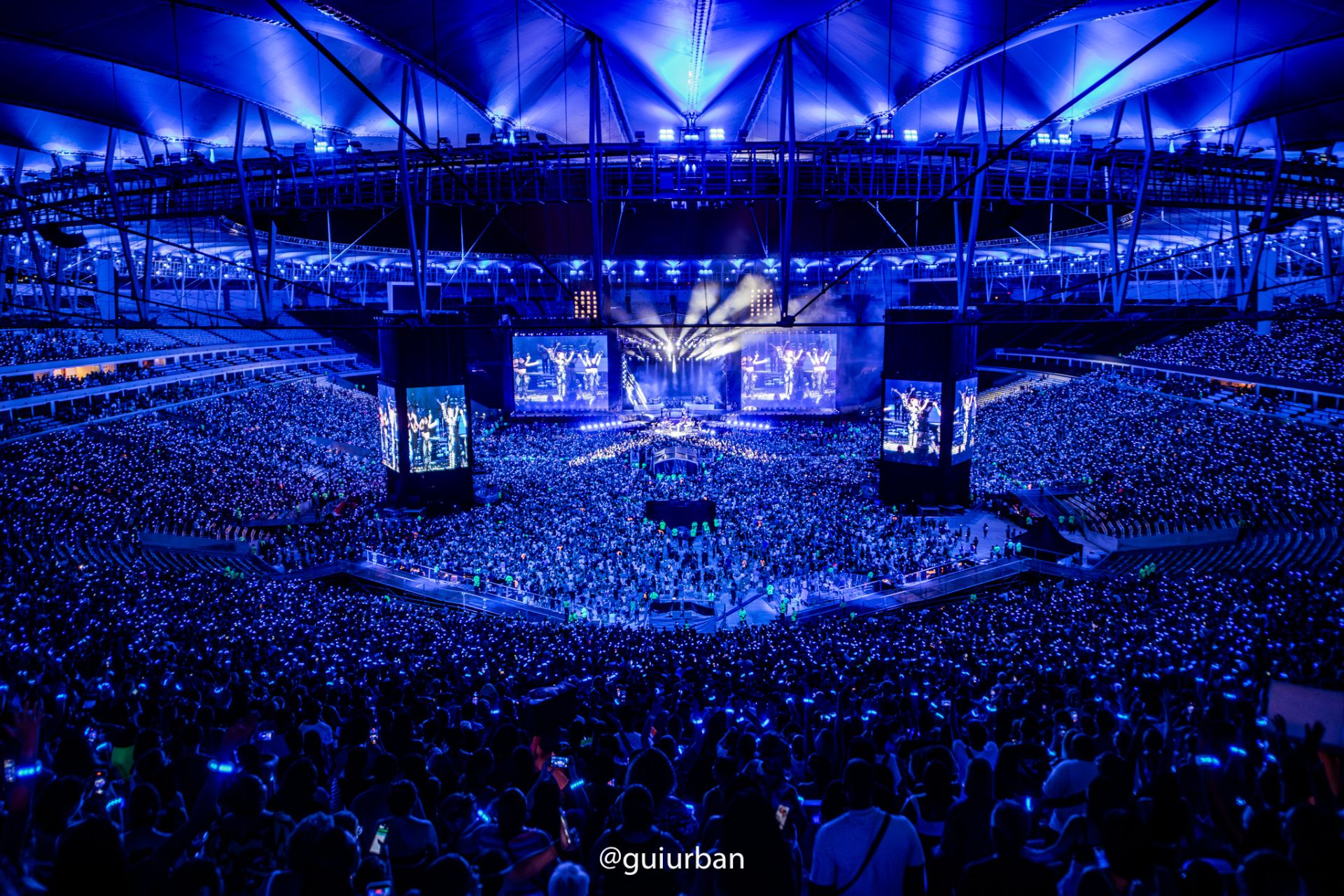
In the world of live entertainment, the most powerful moments are often the most fleeting. A chorus that unites 80,000 people. A sudden blackout, followed by an explosion of light. A wave of colour that washes over a stadium in perfect sync with a soaring guitar solo. These moments feel like magic, but they are the result of meticulous planning, robust technology, and, most importantly, a relentless culture of innovation. But how does that culture stay alive in a company that operates on a global scale, executing thousands of events where failure is not an option?
The answer lies in a cyclical process—a perpetual loop of observation, ideation, prototyping, and deployment that feeds itself. It’s a philosophy that moves beyond the linear concept of a product roadmap and instead embraces a more fluid, responsive approach to research and development. This is the unseen engine that drives the evolution of immersive event technology, turning fleeting ideas into tangible, scalable realities.
The Seed of Innovation: The Live Environment
For a technology brand rooted in the live experience, the R&D lab isn’t a sterile room of whiteboards and soldering irons. It’s a roaring stadium, a packed festival field, a high-stakes corporate launch, or the intricate set of a live television broadcast. Every event is a data point. Our technical teams, while focused on flawless execution for clients like Maluma or the Davis Cup, are also our most valuable researchers. They witness firsthand the unplanned, unscripted moments of human interaction. They see how light refracts in a haze-filled arena, how an audience moves, and where the dead zones for radio frequencies lie.
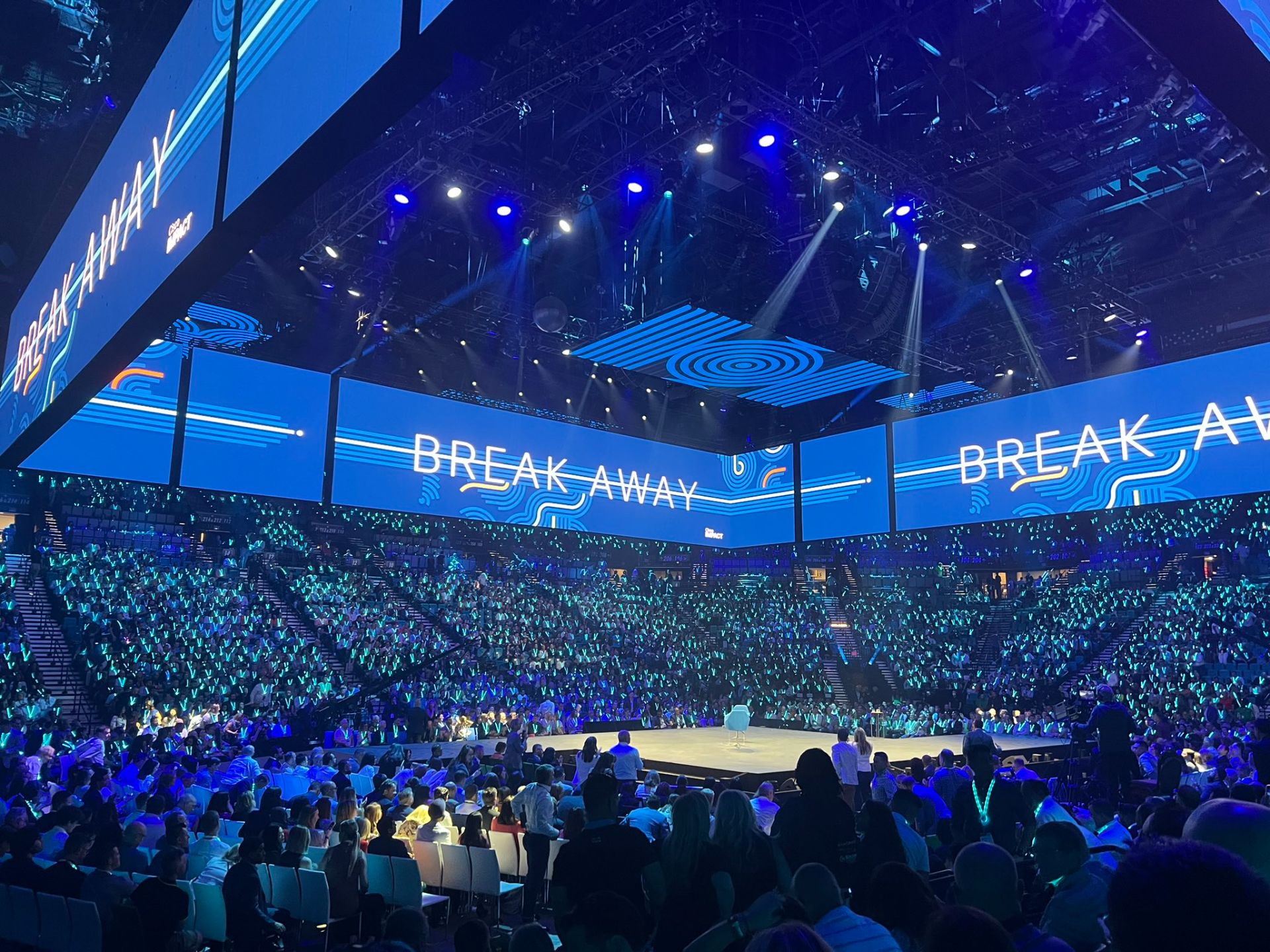
This deep, in-the-field observation is the seed of all innovation. It’s not about asking, “What can we build?” but rather, “What problem can we solve? What experience can we elevate?” An idea might be born from a crew member noticing a bottleneck during the distribution of LED lanyards at a corporate event, sparking a new concept for streamlined deployment. Or it could come from observing the unique lighting challenges of a 360-degree stage, leading to new software features that allow for more complex, multi-zone programming of our radio controlled LED wristbands.
From Sketch to Prototype: The Iterative Cycle
Once an idea takes root, it enters an iterative cycle of rapid prototyping. This phase is about failing fast and learning faster. The goal is not perfection, but progress. Can we make the LED brighter? The battery last longer? The signal more robust? Can we design a new closure mechanism that is both secure and reusable?
This is where our history of invention becomes a competitive advantage. The original Xyloband was born from a specific vision: to turn the audience into a light show during Coldplay’s “Fix You.” That initial spark led to a collaboration that launched the first generation of Coldplay Xylobands on the Mylo Xyloto tour. But that was just the beginning.
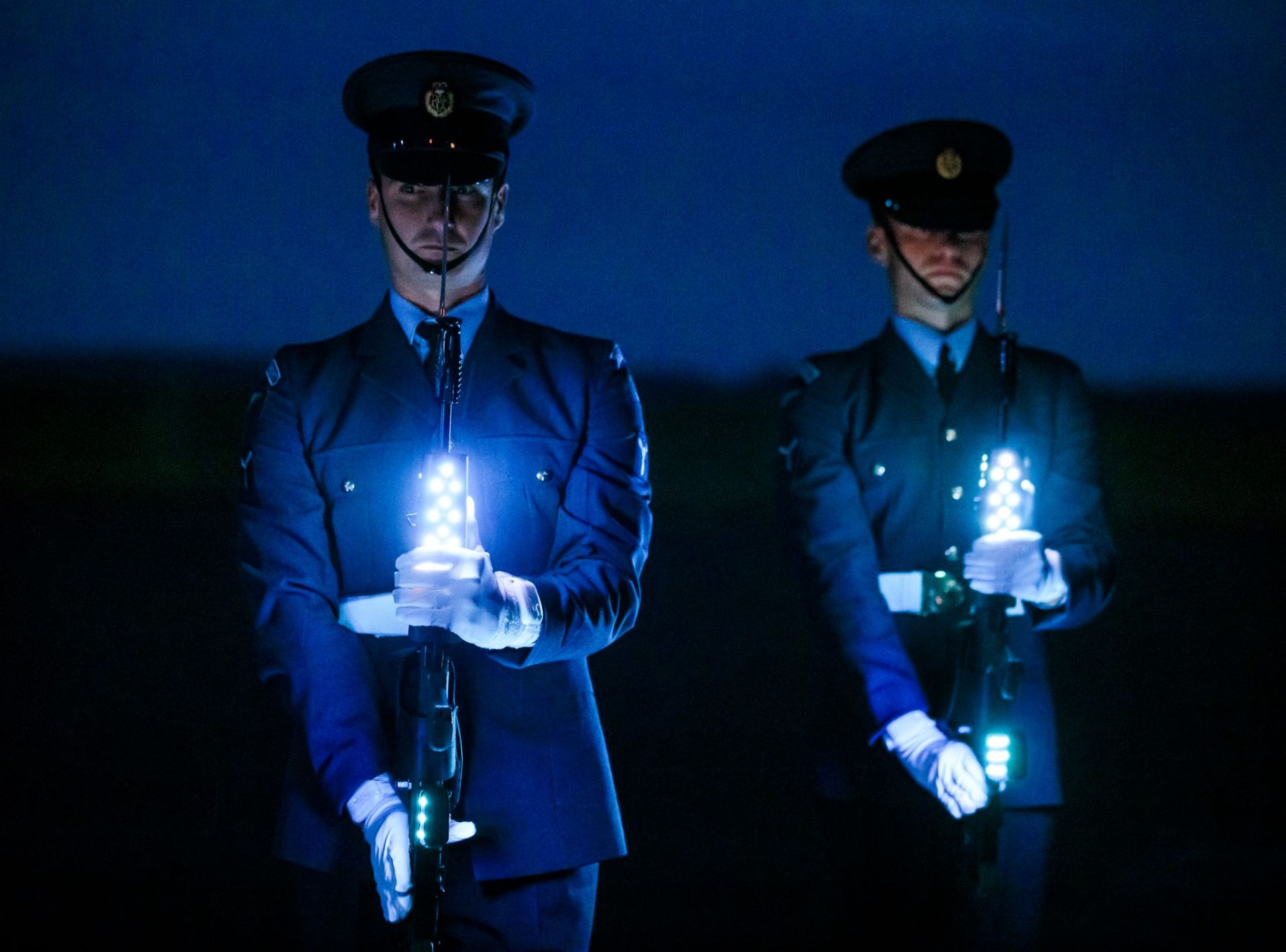
Subsequent generations of our LED bands were not just improvements; they were responses to new challenges and new opportunities observed in the field. The development of different models—from reusable wristbands to custom pendants for Formula One’s 75th-anniversary show—was driven by the diverse needs of our clients. Each project, whether for a global tour or a television series like Beat The Chasers UK, informs the next generation of wearable LED technology.
“The live event is a crucible. It’s the ultimate test of an idea. You can simulate conditions in a lab, but you can never replicate the chaotic, beautiful unpredictability of a real audience.”
The Proving Ground: Deployment as Data
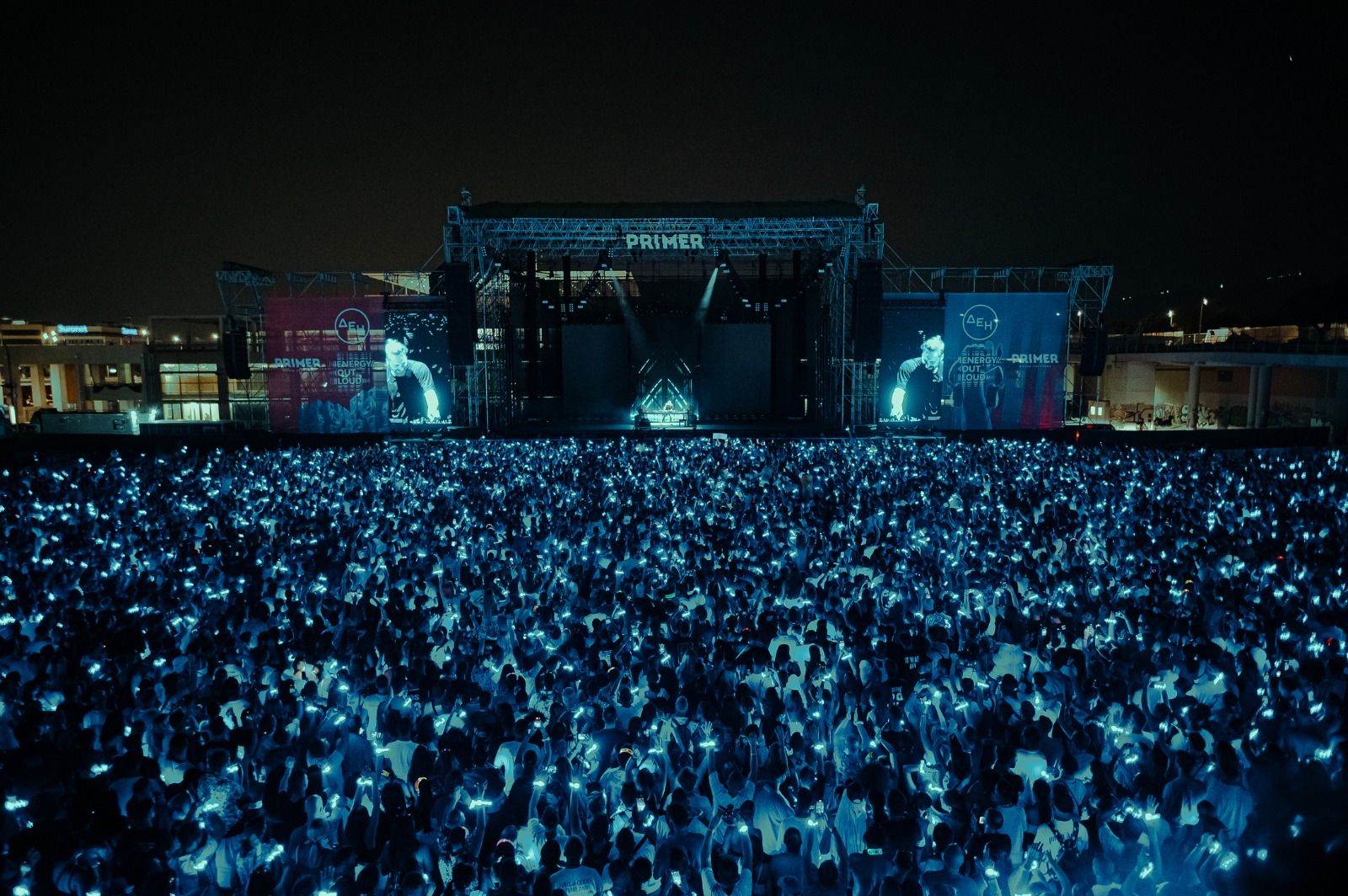
The final stage of the R&D loop is also its beginning: deployment. When a new piece of hardware like our Xylo Lux wristband debuts at a sold-out arena show for an artist like Wizkid, or when our systems light up a crowd at PRIMER Music Festival, it’s not the end of the development process. It is the most critical data-gathering phase.
Our onsite technicians monitor performance in real-time, gathering metrics on everything from battery consumption patterns to signal integrity across vast venues. This data, paired with qualitative feedback from the crew, the artists, and the tour managers, flows directly back into the R&D process. What worked flawlessly? What could be more efficient? Did the technology disappear, allowing the creative vision to shine? The answers to these questions fuel the next cycle of innovation.
This philosophy creates a powerful feedback loop:
- Observation in the field identifies a new challenge or opportunity.
- Ideation and prototyping develop a potential solution.
- Deployment at a live event tests the solution under real-world pressure.
- Data and feedback from the deployment fuel the next round of observation and refinement.
A Culture of Perpetual Motion
This cyclical approach prevents stagnation. Technology that is revolutionary one year can become standard the next. In an industry defined by spectacle and surprise, resting on past successes is not an option. By treating every event as a learning opportunity and every product as a perpetual prototype, we ensure that our technology evolves in lockstep with the ambitions of the world’s most creative artists, producers, and brands.
Ultimately, the goal is to create technology that feels invisible. The audience shouldn’t be thinking about the radio-frequency protocols or the battery life of their concert wristbands. They should only feel the awe of being part of something bigger than themselves—a single, unified canvas of light. That is the true measure of success, and it’s the driving force behind the unseen, unending loop of innovation in LED crowd experiences.