The Unseen Symphony: A Masterclass in Global Tour Logistics
The Unseen Symphony: A Masterclass in Global Tour Logistics
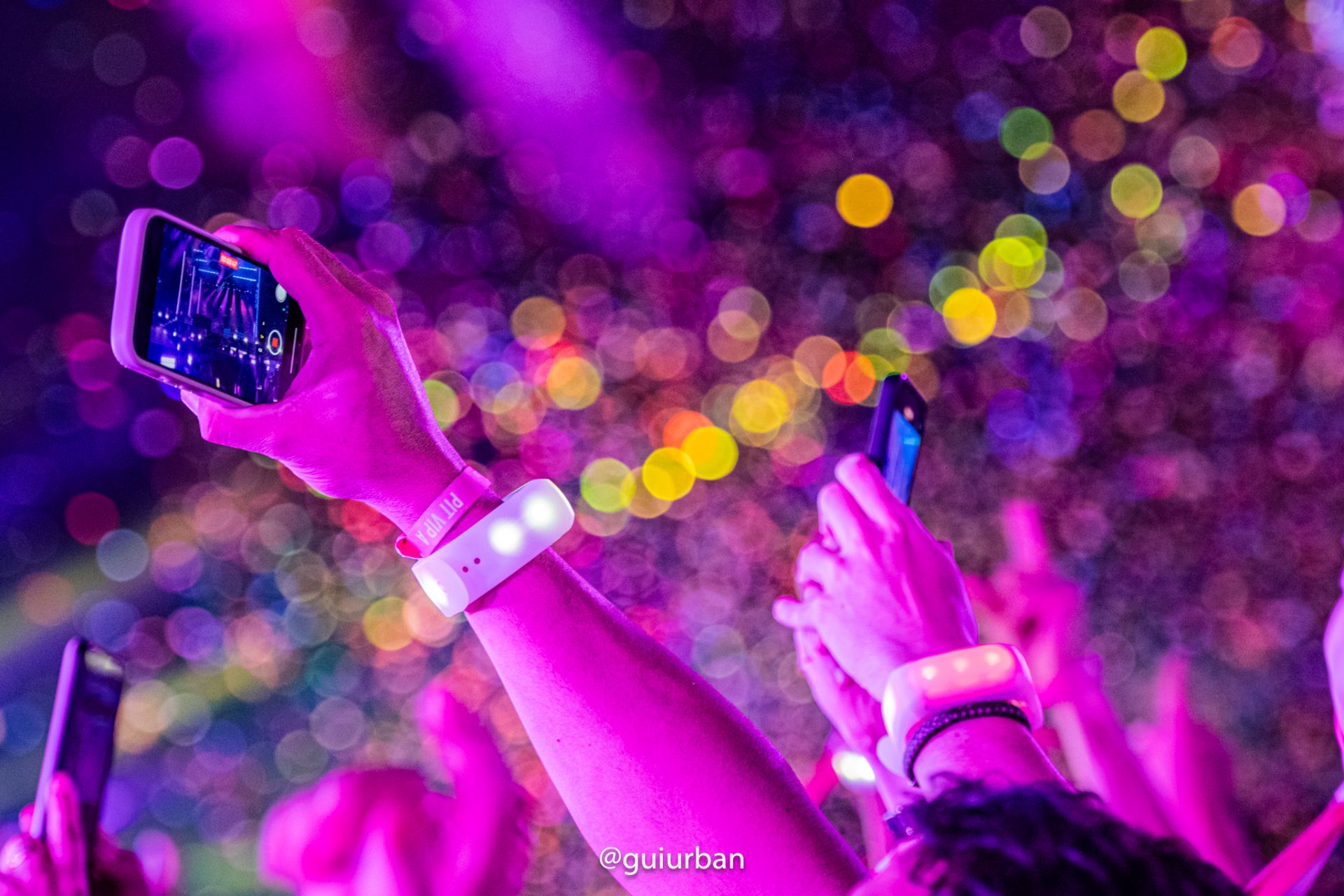
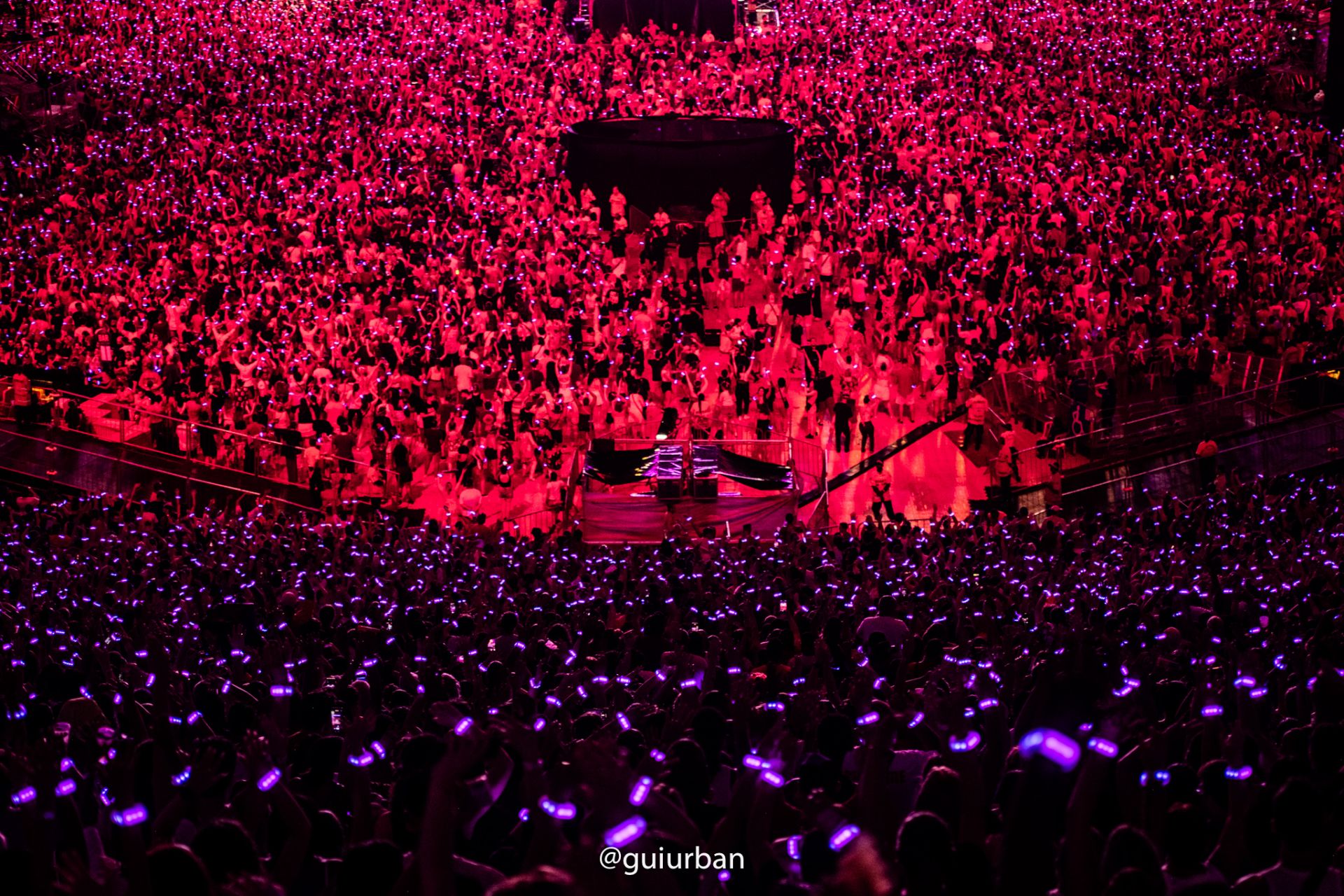
The roar of the crowd, the blast of the pyrotechnics, the wave of light from thousands of LED bands washing over a stadium—these are the moments that define a global tour. But behind every one of these epic experiences lies an invisible, intricate, and high-stakes operation: logistics. The journey of a single piece of equipment from a warehouse in Europe to an arena in South America, and then on to a festival in Asia, is a symphony of precision, planning, and problem-solving. For companies like Xylobands, who specialize in creating immersive event technology, mastering this symphony is not just part of the job; it is the foundation upon which every unforgettable show is built.
Moving high-value, technologically sensitive gear across international borders is one of the most complex challenges in the live events industry. It’s a world of ATA carnets, customs brokerage, and freight forwarding—a discipline that requires as much creativity and foresight as the show design itself. The success of a multi-date international tour hinges on every single component arriving at the right place, at the right time, in perfect working condition. Failure isn’t an option.
The Carnet: A Passport for Goods
At the heart of international touring logistics is the ATA Carnet. Often referred to as a "passport for goods," this international customs document allows for the temporary importation of merchandise and professional equipment, tax-free and duty-free, for up to one year. Without it, every border crossing would involve a labyrinthine process of posting bonds and paying import duties, making a global tour financially and logistically unfeasible.
For a typical Xylobands deployment, the carnet list is meticulous. It includes not just the thousands of custom LED wristbands or LED lanyards themselves, but also the radio transmitters, control desks, charging stations, and a myriad of support equipment. Every single item must be catalogued with a precise description, weight, value, and country of origin. A single discrepancy can lead to delays, fines, or the seizure of goods at a critical moment. This is where experience and an almost obsessive attention to detail become a production’s most valuable asset. The logistics manager isn’t just shipping boxes; they are safeguarding the very tools of the trade against the immense friction of global bureaucracy.
The Chain of Custody: From Warehouse to Venue
Once the paperwork is in order, the physical journey begins. The chain of custody for sensitive event technology is a multi-stage marathon involving specialist freight forwarders who understand the unique demands of the entertainment industry. This isn’t standard cargo; it’s the lifeblood of a multi-million-dollar production.
Consider the journey of our equipment for a major event like Maluma’s historic concert in Medellín. The gear, having been prepped and programmed, is loaded into custom-built flight cases designed to withstand the rigors of air and ground transport. A freight partner, selected for their global network and expertise in live event logistics, takes possession. They manage the transport to the airport, the clearance of export customs, and the loading onto the aircraft. Upon landing in Colombia, their counterpart on the ground takes over, navigating the equally complex import customs procedures before coordinating the final delivery to the stadium.
This process is repeated, often on brutally tight timelines, for every stop on a tour. It’s a choreographed relay race across continents. When a tour moves from, say, a festival in Greece like PRIMER to a corporate event in the Middle East, the entire logistical ballet must be performed flawlessly, often with only a few days to spare.
The Human Element: The On-the-Ground Rollout
Technology and paperwork can only get you so far. The final, and arguably most critical, phase of logistics happens on-site. This is where the technical crew takes over—the unseen hands that ensure the vision becomes a reality. It involves more than just unboxing the gear; it is a process of systematic distribution, testing, and deployment.
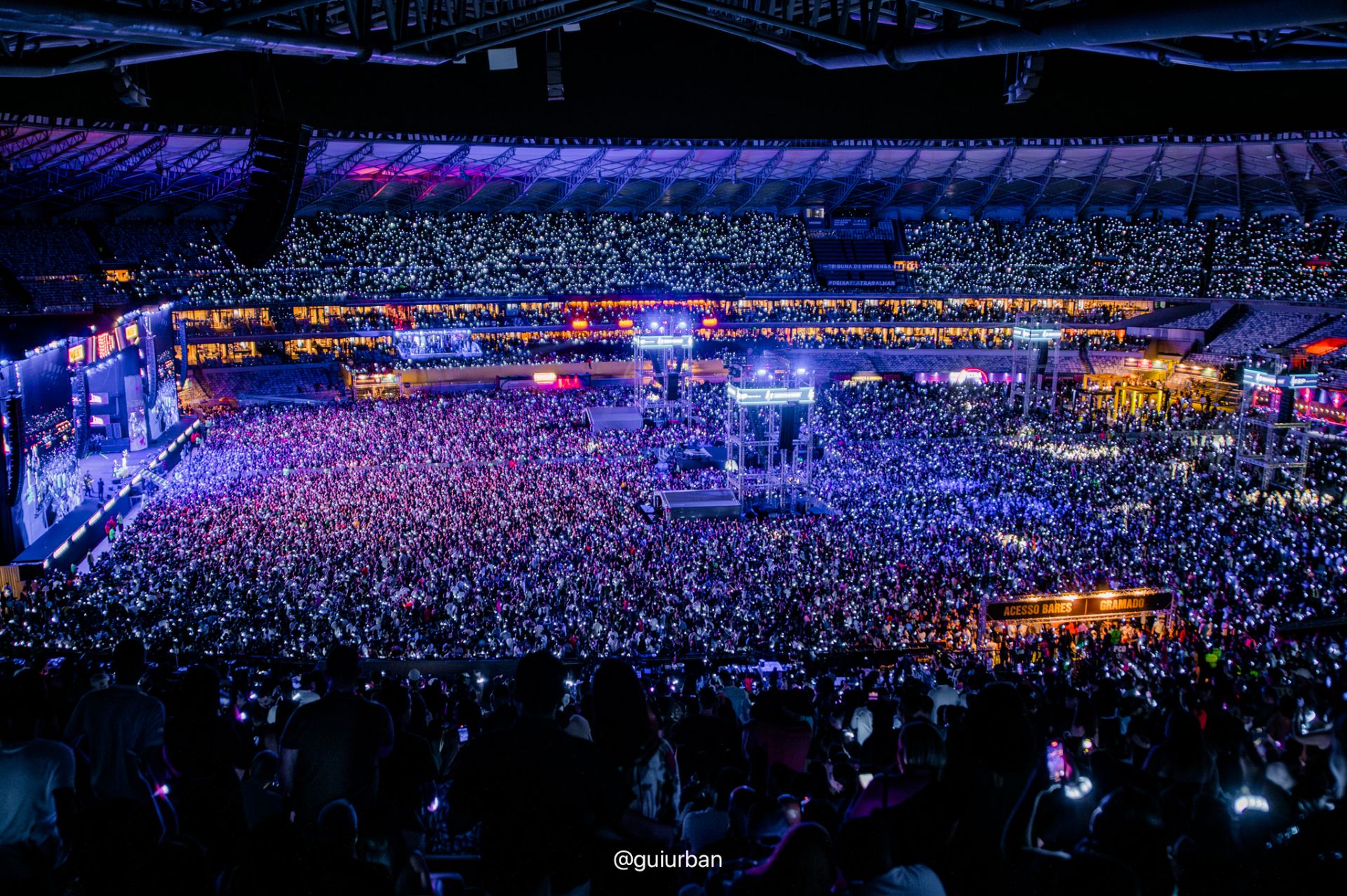
For a massive deployment, like the 32,000 wristbands for Wizkid’s shows at The O2, our team doesn’t just show up with boxes. They arrive with a detailed plan for distributing the units to every seat, a process we call ‘the distro.’ This plan is mapped out in advance with venue management, ensuring that every single seat has a wristband ready for the show. This is a physical, labor-intensive process that requires precision and teamwork, often completed in the hours leading up to doors opening.
“An international tour doesn’t move at the speed of the artist’s jet. It moves at the speed of its freight. The show is only as good as the weakest link in its supply chain.”
Contingency and Agility
Even with the most meticulous planning, the world of global logistics is fraught with potential disruption. A customs strike, a volcanic ash cloud, a sudden change in regulations, or simple human error can threaten to derail a production. This is where experience and agility truly shine. A world-class logistics operation always has a Plan B, C, and D.
This might involve having redundant systems ready to ship from a different hub, leveraging relationships with multiple freight carriers, or having local teams on standby to troubleshoot customs issues in their native language. It’s about anticipating points of failure and building a resilient network that can withstand the unexpected. This unseen architecture of contingency planning is what separates amateur operations from the seasoned professionals who power the world’s biggest LED crowd experiences.
Ultimately, the global logistics of a tour is a powerful metaphor for the live event itself: a temporary, high-stakes convergence of talent, technology, and timing. The audience sees the seamless spectacle, the effortless wave of light, the perfect sync between music and moment. They feel the collective energy of a crowd united as one. What they don’t see is the global symphony of logistics that made it possible—the passports, the flight cases, the customs brokers, and the on-the-ground crews. And that’s exactly how it should be. The greatest logistics are the ones you never notice.