The Weight of the Call Sheet: A Leadership Manifesto for Modern Creatives
The Unseen Architecture of Trust
In the ecosystem of a major tour, a festival, or a global brand activation, the call sheet is more than a schedule—it’s a pact. It’s a document of trust, a blueprint for collective action where hundreds of specialists converge to execute a single, unified vision. At the top of that sheet, a name carries the weight of every decision, from logistics to creative, from artist comfort to audience safety. This is the modern leader: the tour manager, the production head, the creative director.
Leadership in this world isn't about hierarchy; it's about the choreography of trust. It’s the unseen framework that supports every lighting cue, every audio transition, and every moment that transforms a gathering of thousands into a single, unified body. It’s the quiet confidence that allows an artist like Maluma to step onto a stage in his hometown of Medellín, broadcast to 240 countries, and deliver a career-defining performance, knowing that every technical and creative element is flawlessly aligned.
The Three Pillars of Modern Production Leadership
In our work with the world’s most ambitious creative teams—from global music artists like Wizkid and Coldplay to iconic brands like Formula One and ITV—we’ve observed a consistent pattern among the most effective leaders. They build their operations on three core pillars: clarity of vision, delegation of ownership, and a culture of high-trust communication.
1. Clarity of Vision: The North Star
Every successful production begins with a powerful, clearly articulated vision. This is the leader’s primary responsibility: to define the "what" and the "why" so that the team can execute the "how." A vague vision creates a fractured team, where departments pull in different directions. A clear vision acts as a North Star, guiding every decision, from the choice of wearable LED technology to the timing of a pyrotechnic effect.
It’s about translating an artist’s creative impulse or a brand’s strategic goal into an actionable production blueprint. When everyone understands the ultimate goal—whether it’s creating a sense of unity at a festival or launching a new car with a dazzling spectacle—they can make smarter, more autonomous decisions.
2. Delegation of Ownership: The Choreography of Trust
You cannot micromanage a stadium show. The scale is too vast, the variables too numerous. Great leaders don’t just delegate tasks; they delegate ownership. They entrust their department heads—lighting, sound, video, logistics—with the authority to make critical decisions within their domain. This is not blind faith; it is earned trust, built on a foundation of proven expertise and shared commitment.
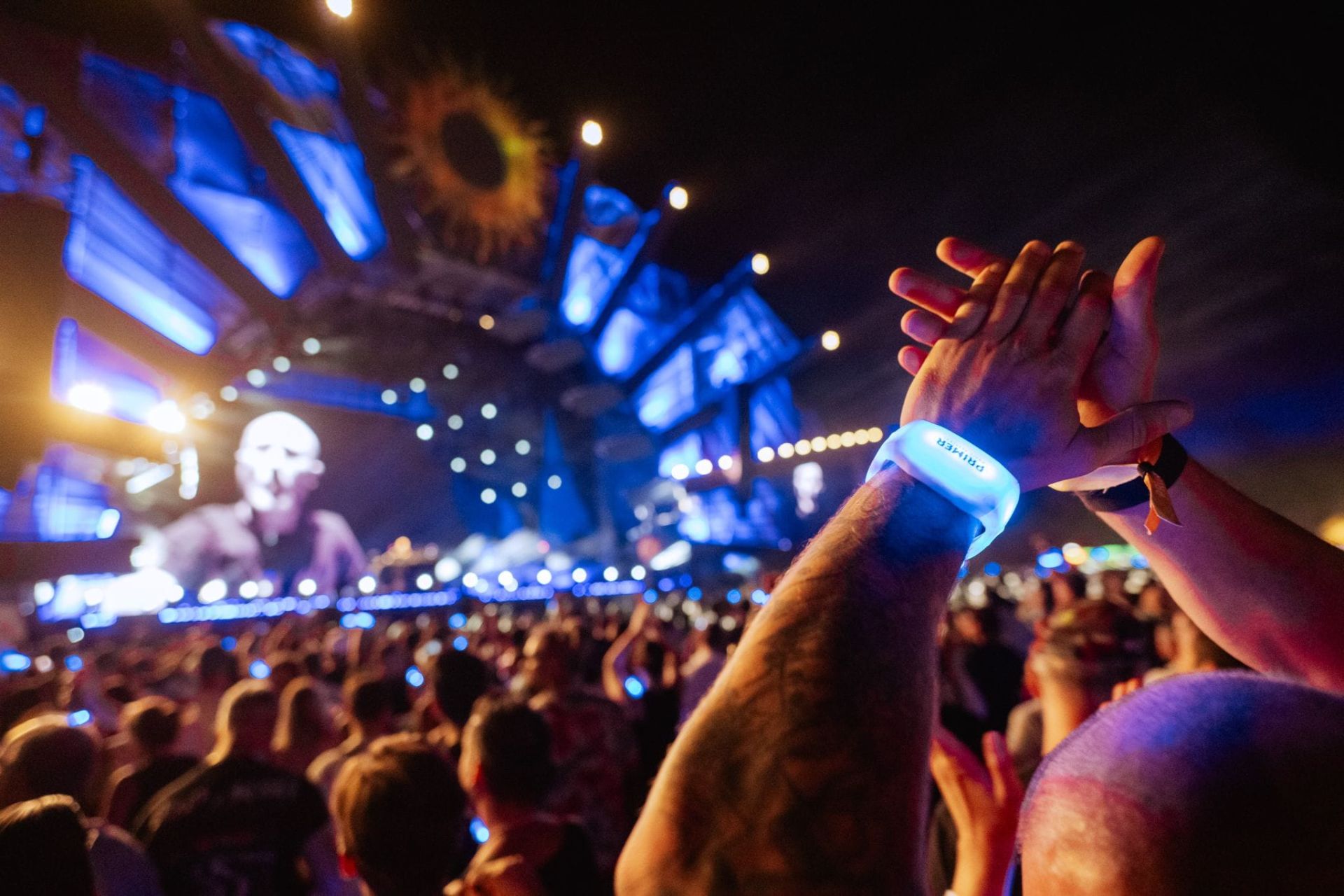
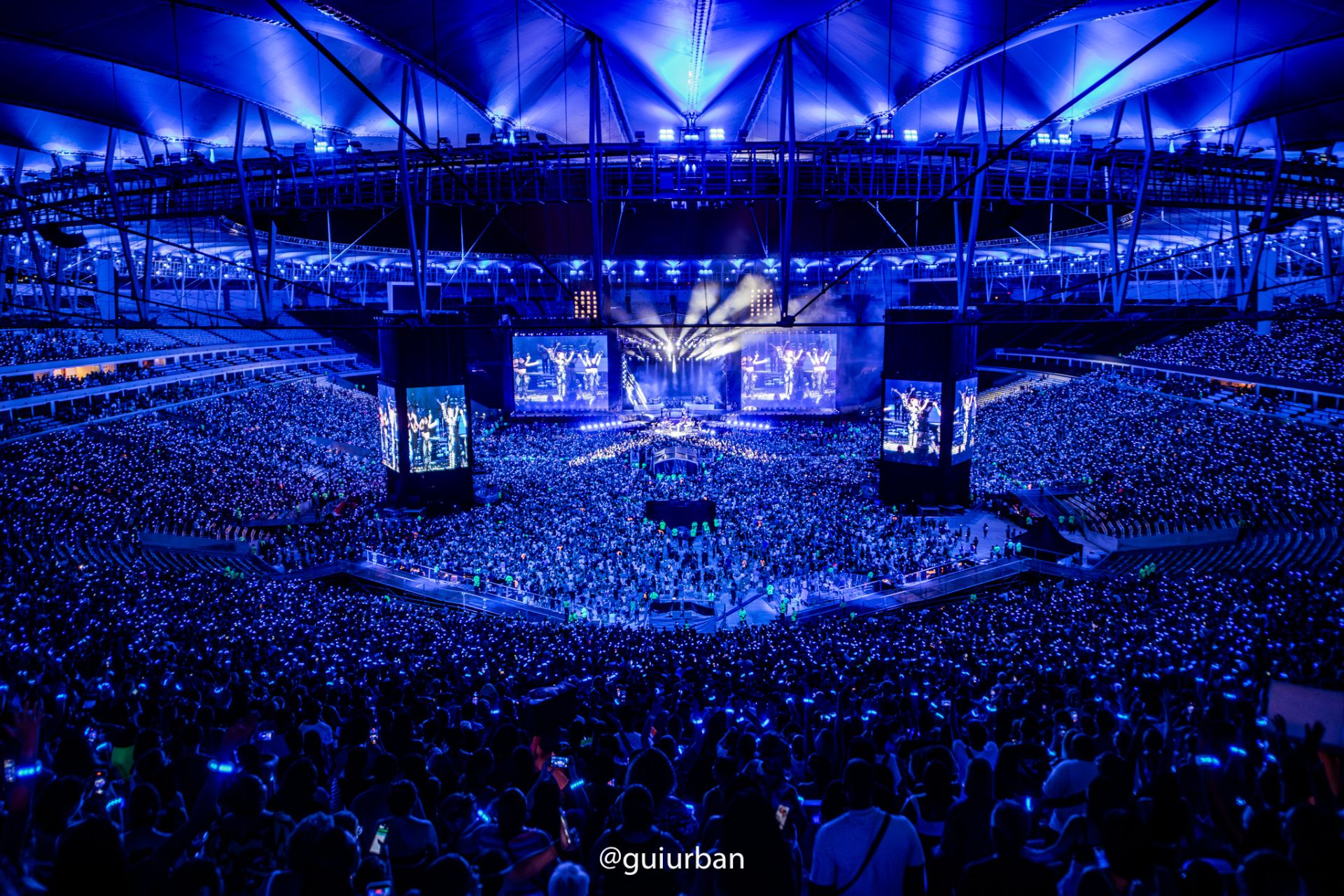
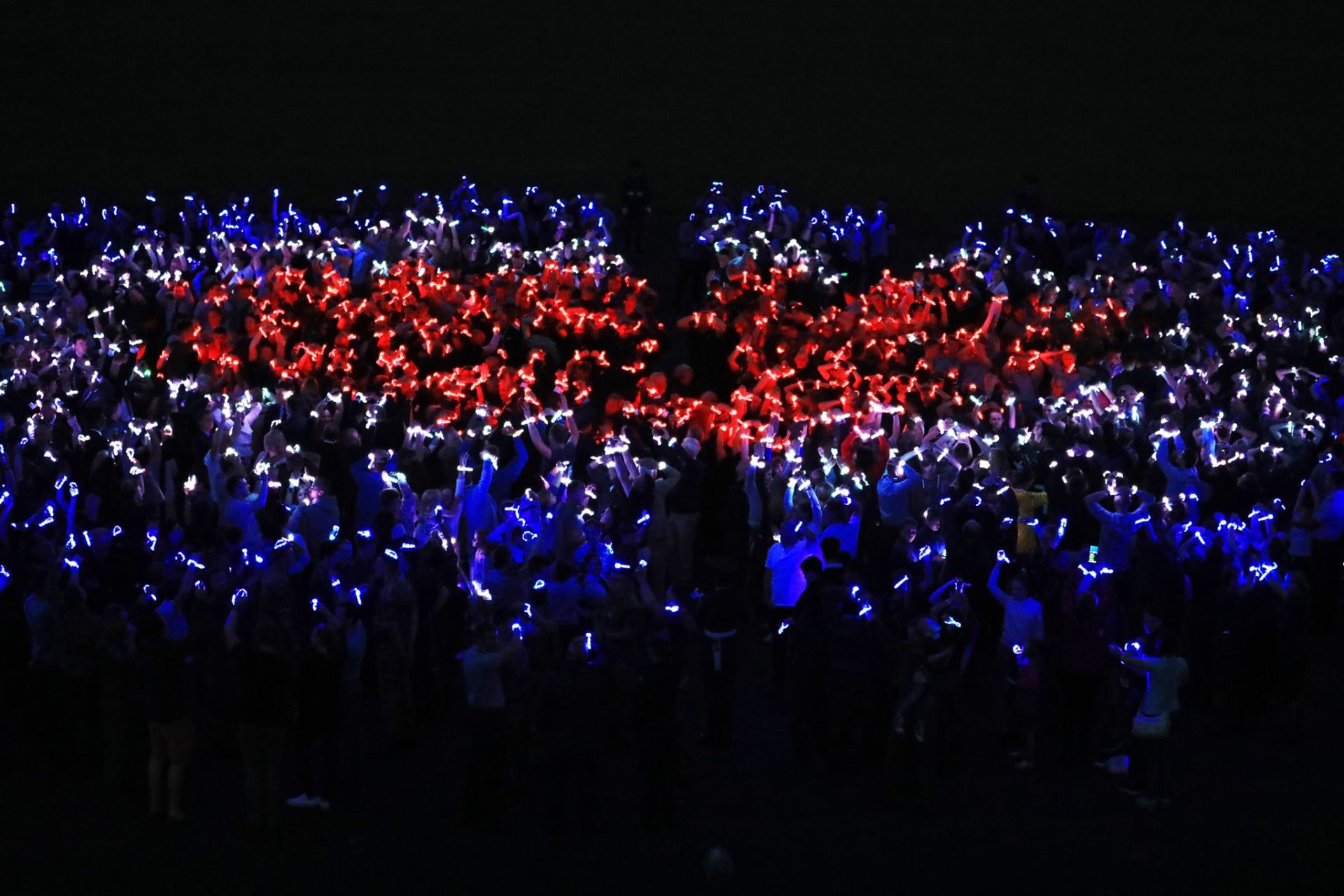
This level of trust is what allows for the seamless integration of complex elements, like deploying thousands of custom LED wristbands or LED lanyards that need to sync perfectly with a live broadcast feed. The creative director doesn’t need to know the specific radio frequency of the Xylobands; they just need to trust that their lighting director and the Xylobands team have it handled. This frees them to focus on the big picture: the story, the emotion, the audience experience.
3. High-Trust Communication: The Signal in the Noise
In the controlled chaos of a live environment, communication is everything. It must be clear, concise, and constant. Modern leadership fosters a culture where information flows freely and honestly, especially when things go wrong. A culture of blame stifles problem-solving; a culture of psychological safety encourages rapid, collaborative solutions.
This is where the pre-production and briefing process is so critical. For complex corporate event activations or multi-night arena runs, every detail is mapped, every contingency planned. When our team works on an event like Formula One’s 75th-anniversary show, our distro plan for the LED Orbs and pendants is based on meticulous communication with the creative team to achieve specific visual effects. The plan is the result of high-trust dialogue, ensuring our technology serves the show’s narrative, not the other way around.
Leading from the Front, Empowering from the Center
Ultimately, leadership in the world of live production is a delicate balance. It requires a leader who can hold the overarching vision with unshakeable conviction while empowering a decentralized network of experts to bring it to life. It’s about understanding that true authority comes not from a title on a call sheet, but from the respect and trust earned in the trenches.
From festival fields lit by Glastonbury wristbands to the polished floors of a global brand summit, the principle remains the same. The most powerful immersive events are not the result of one person’s genius, but the harmonious collaboration of a trusted team, guided by a leader who understands that their primary role is to create the conditions for others to do their best work. They are the unseen shepherd, the silent conductor, the steady hand that guides thousands of moving parts toward a single moment of collective magic.